


Five Irish Wedding Traditions for Your Ceremony
Written by Ciaran on Aug 26, 2024 | 0 Comments
Weddings are a momentous occasion and a wonderful time to call on the traditions of the past to add a personal touch and meaning to the experience of a lifetime. For couples with links to Ireland or a love of Celtic culture, there are plenty of wonderful traditions that can be easily incorporated into modern-day wedding ceremonies.
We were delighted to get some expert advice from Gail Quinn, an Irish Wedding Celebrant and Registered Marriage Solemniser, about some of the most popular elements for wedding ceremonies that she conducts here in Ireland.
As Gail points out to us, the legal, "official" part of the ceremony only takes a few minutes. So it is all the ceremonial elements, the songs, and the readings that make each wedding truly personal and memorable for the couple and their guests. Here are Gail's Top Five:
1. Exchanging and Warming Rings.
Despite there being no requirement to do so, without fail, every couple that Gail works with exchanges rings as part of their wedding ceremony. Of course, exchanging rings isn't a uniquely Irish tradition - wedding rings are a near universal symbol of marriage.
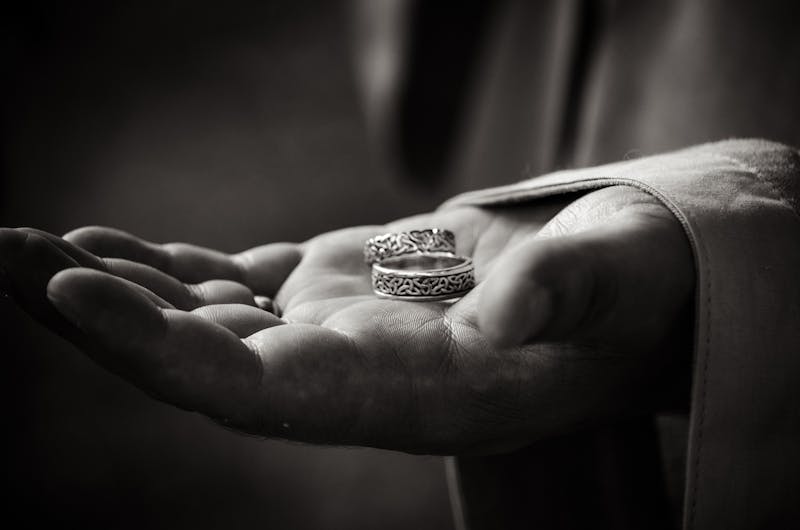
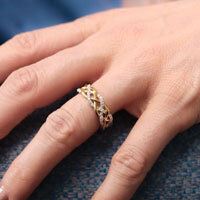
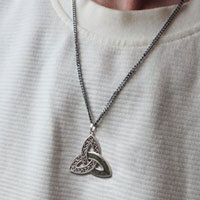
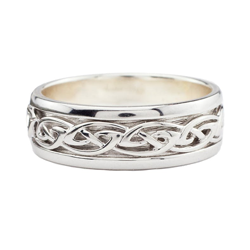
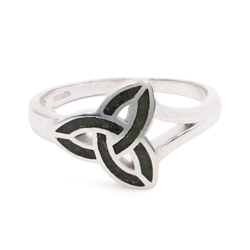
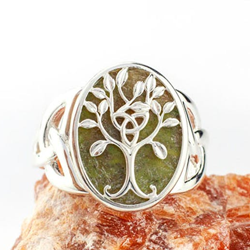
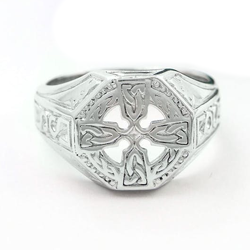
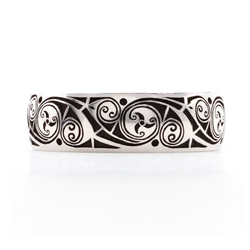
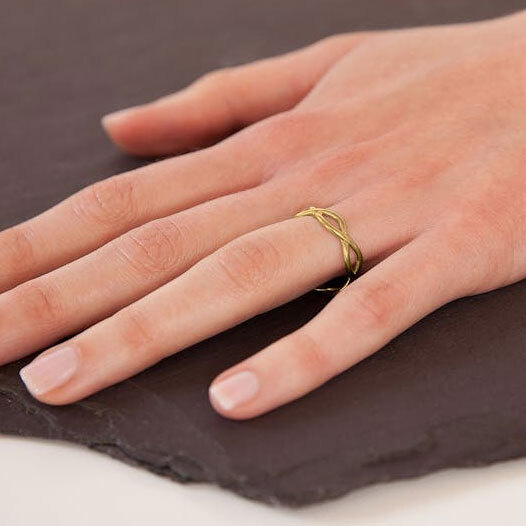
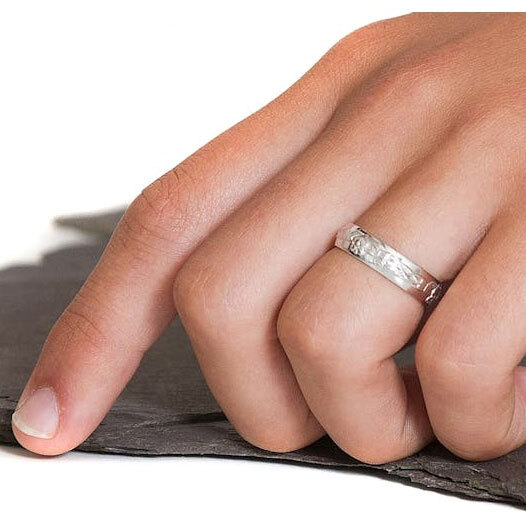
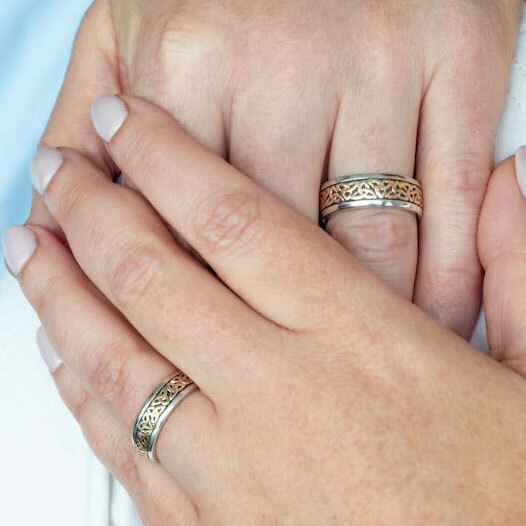
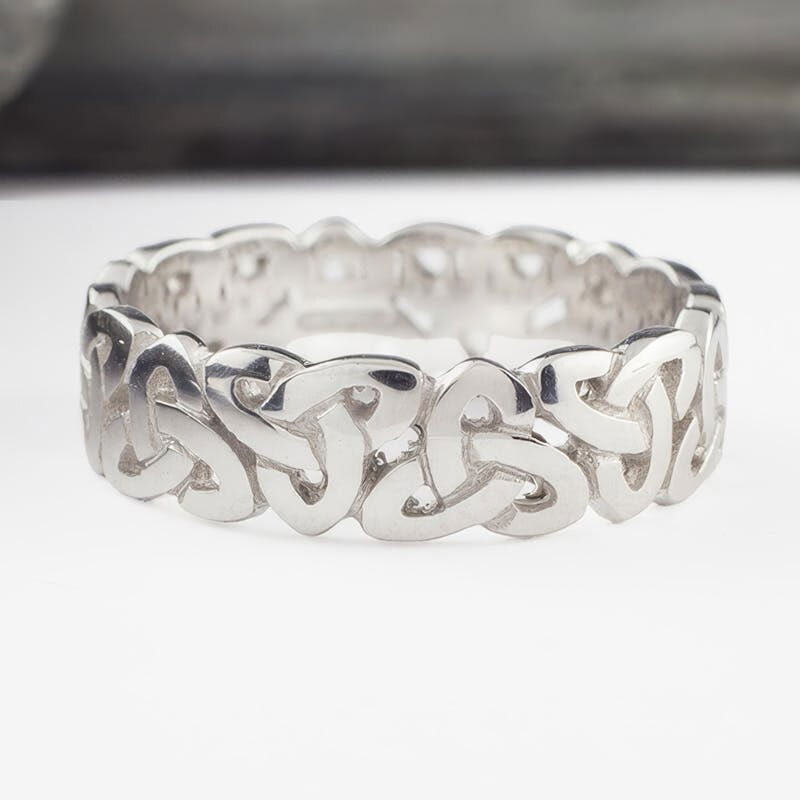
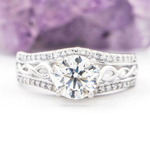
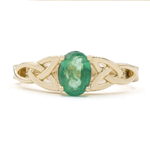
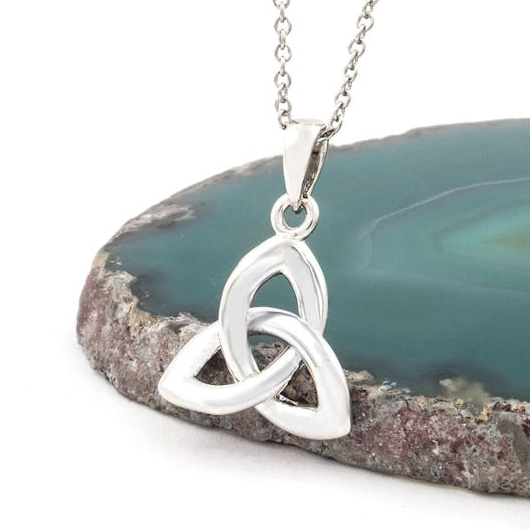
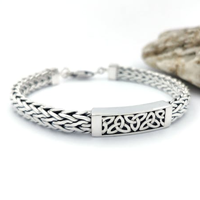
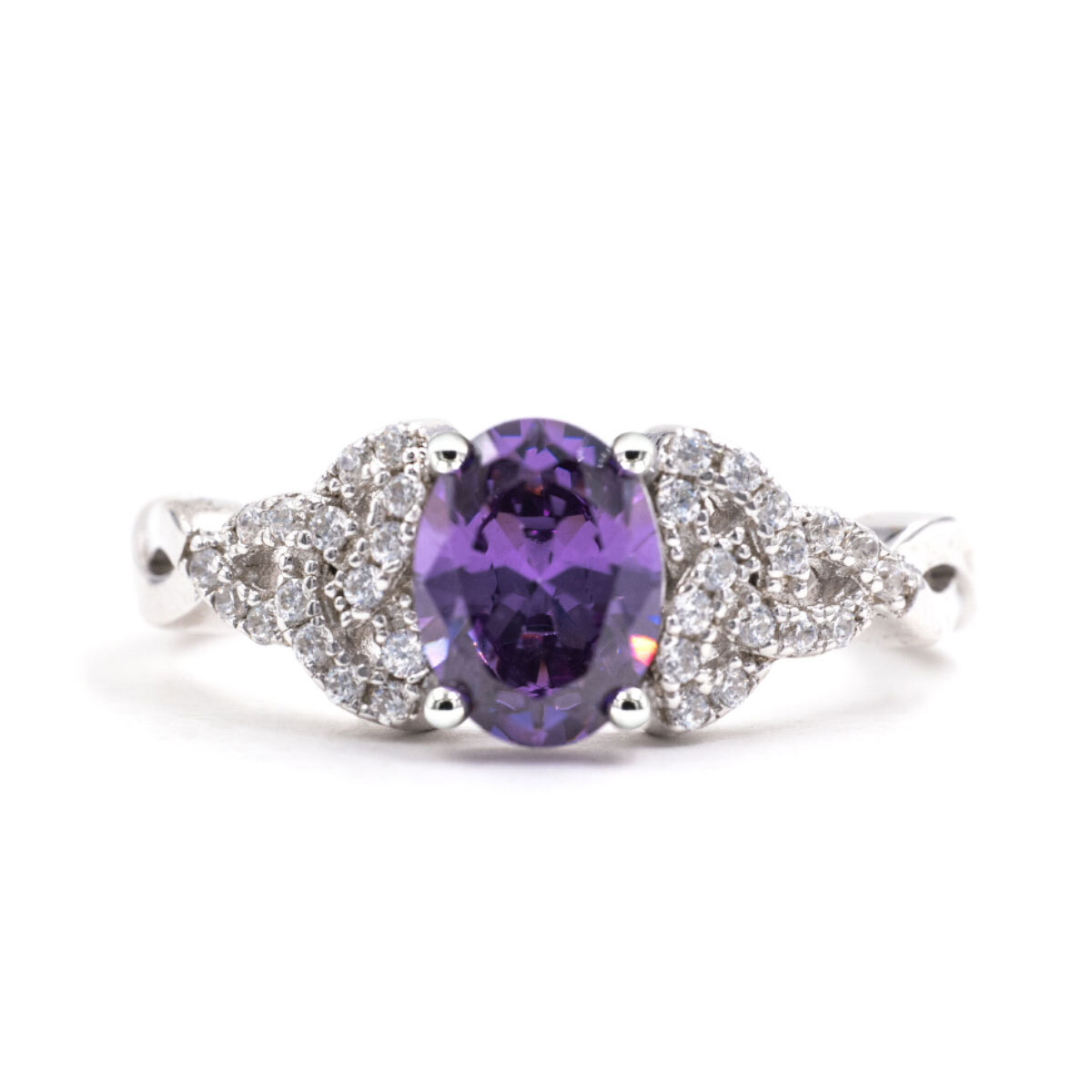
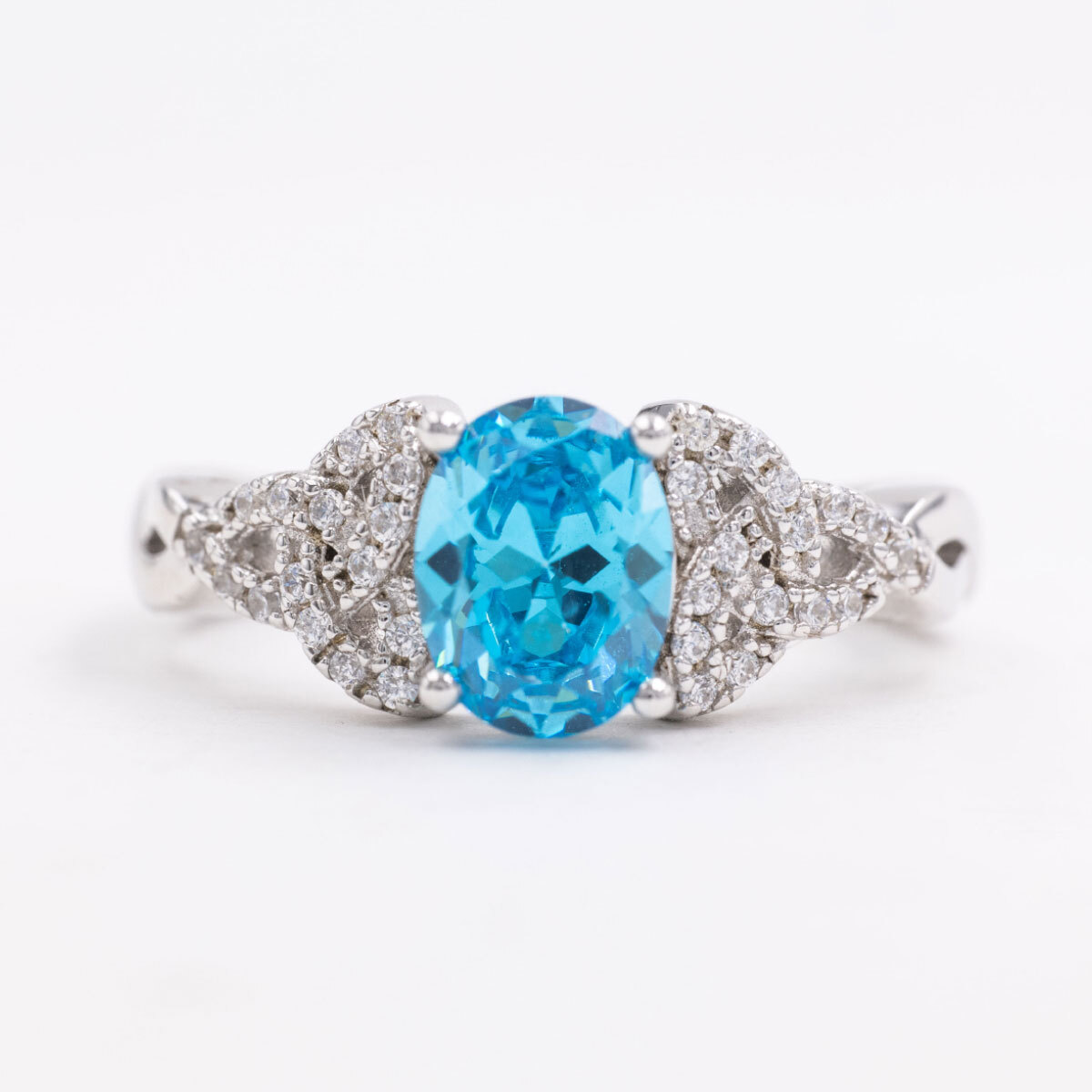
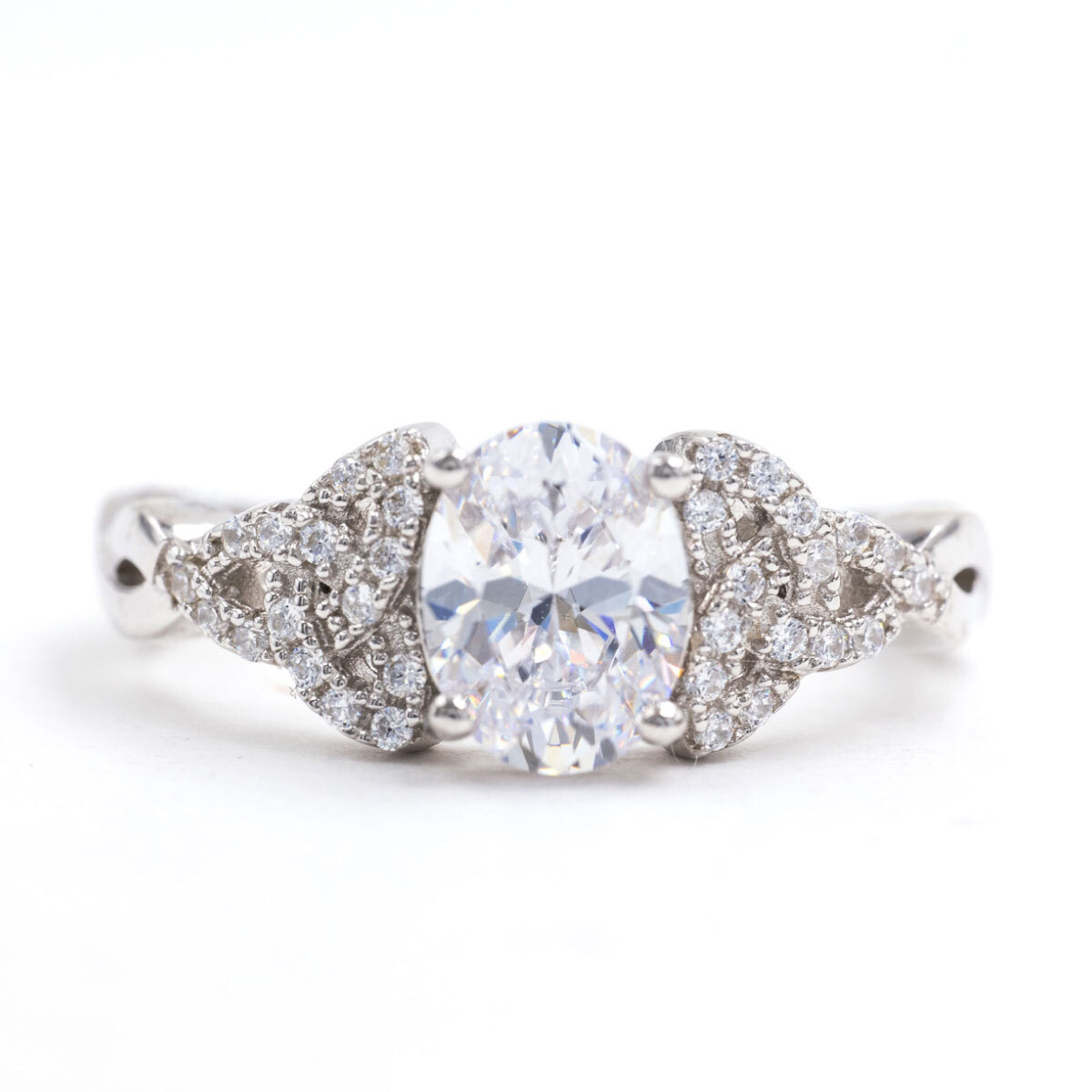
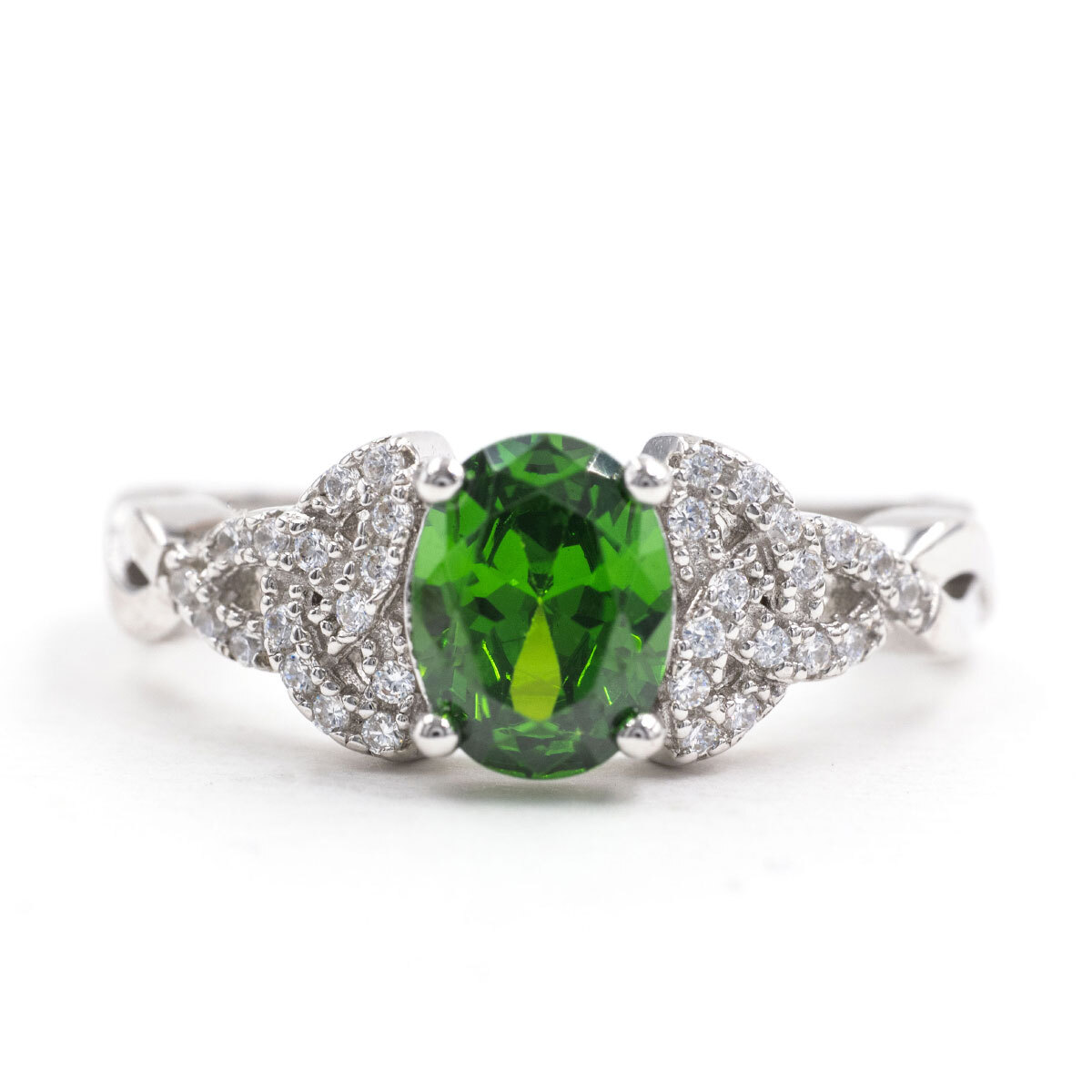
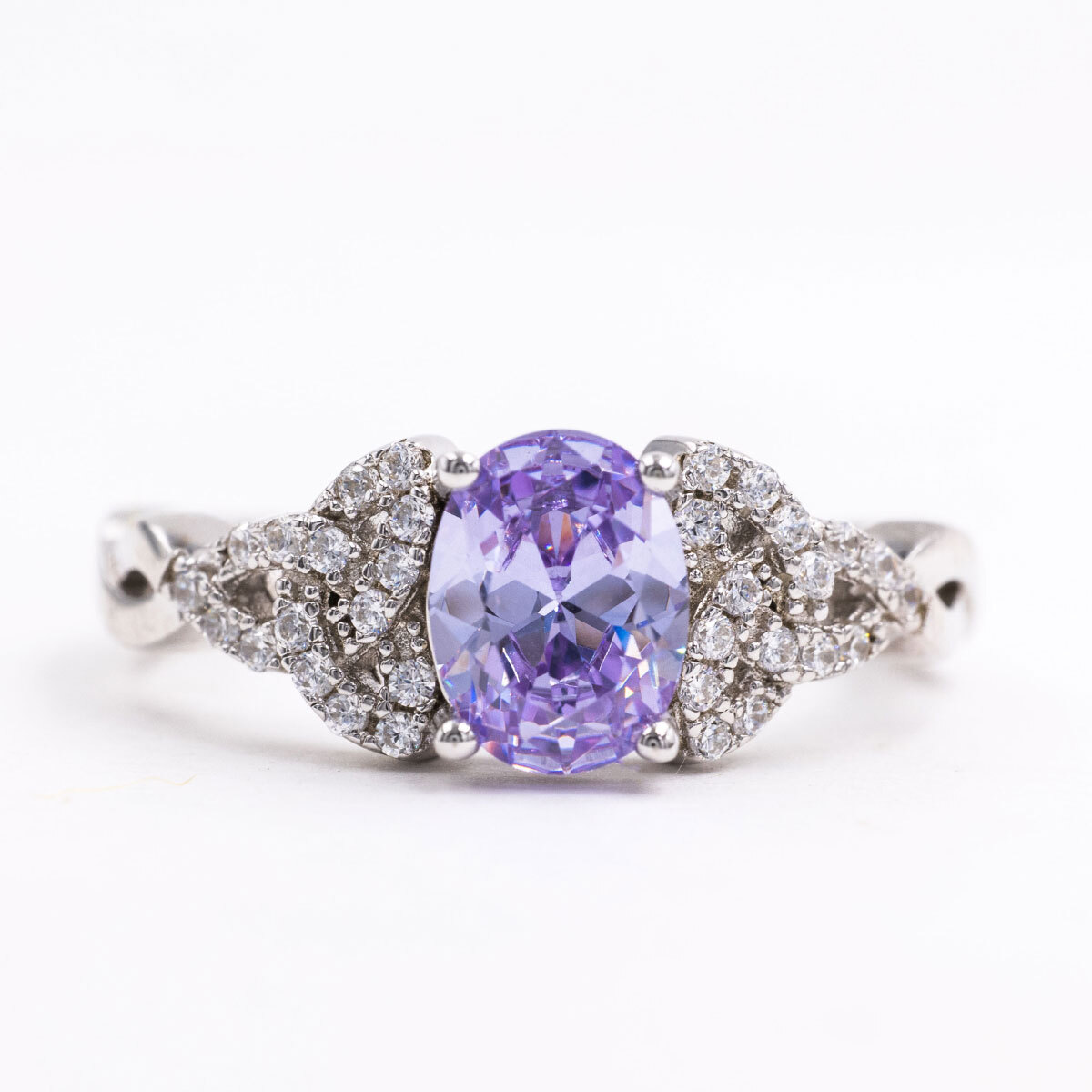
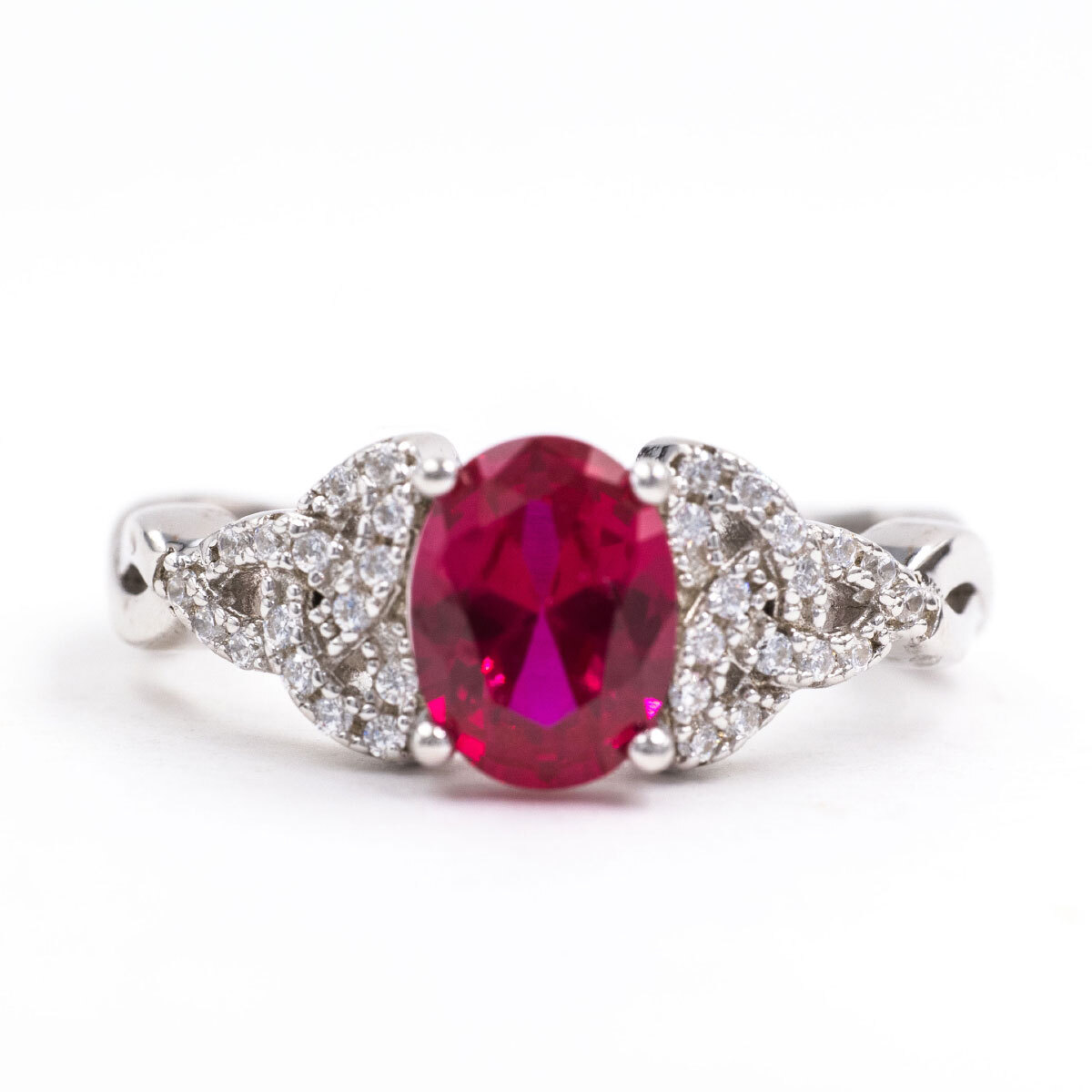
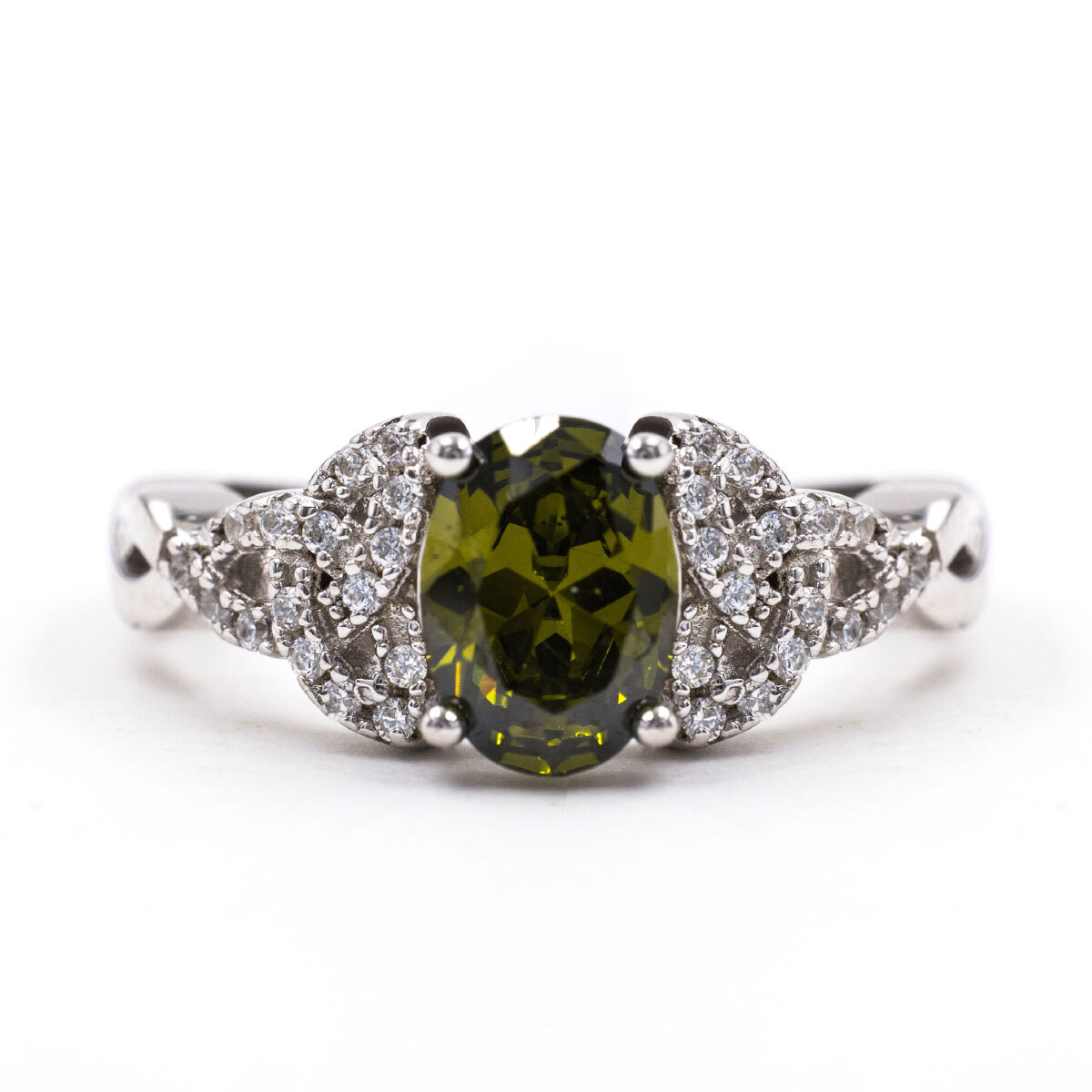
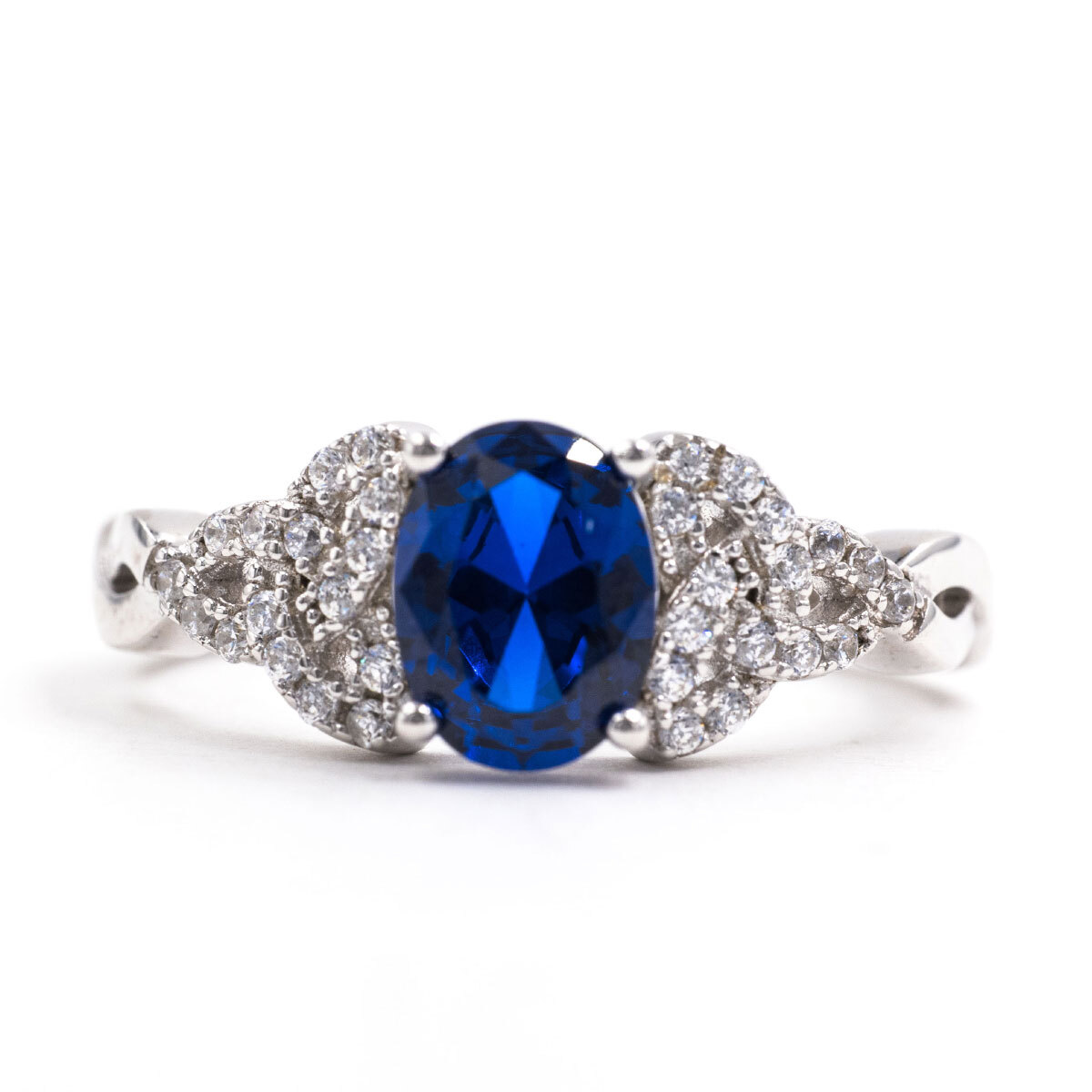
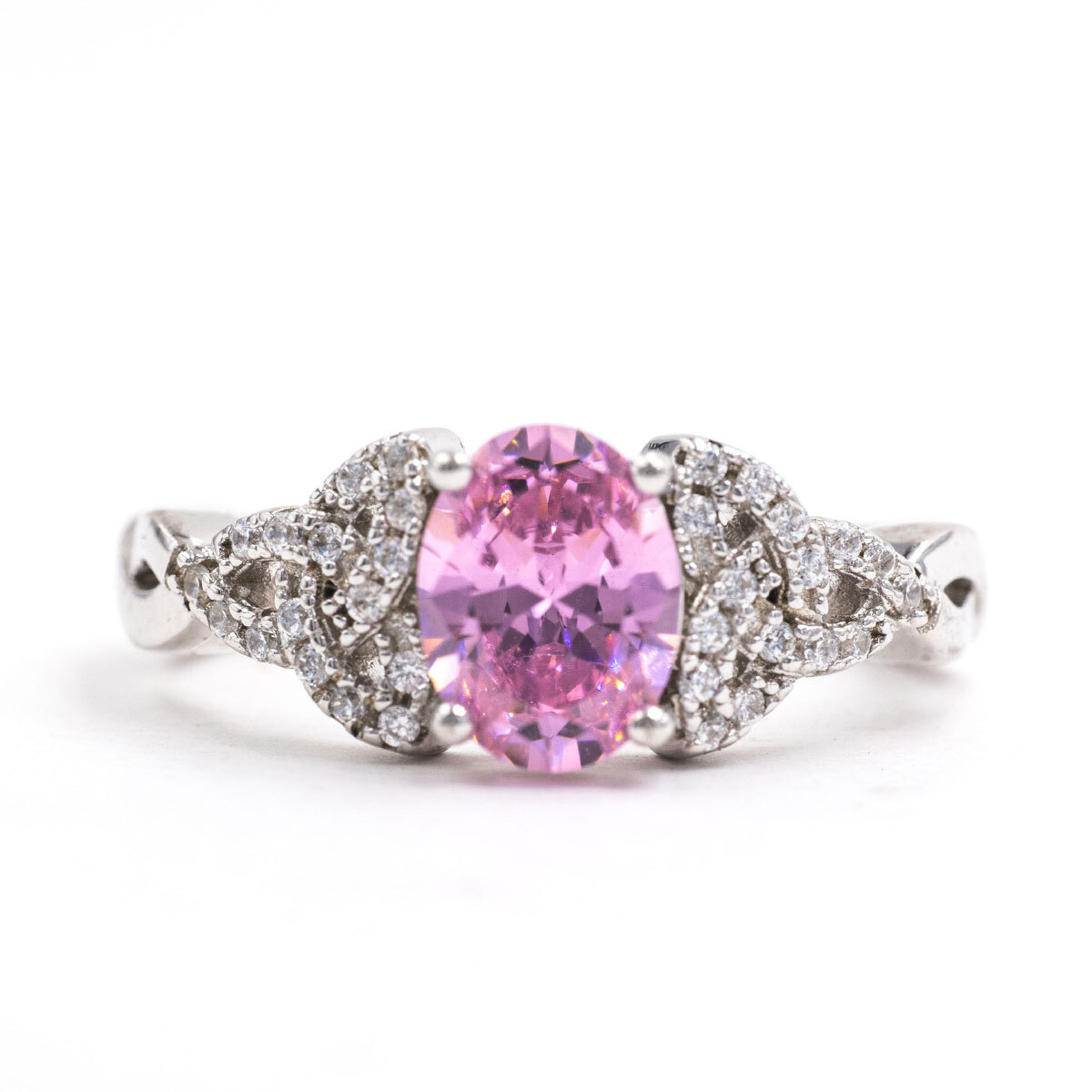
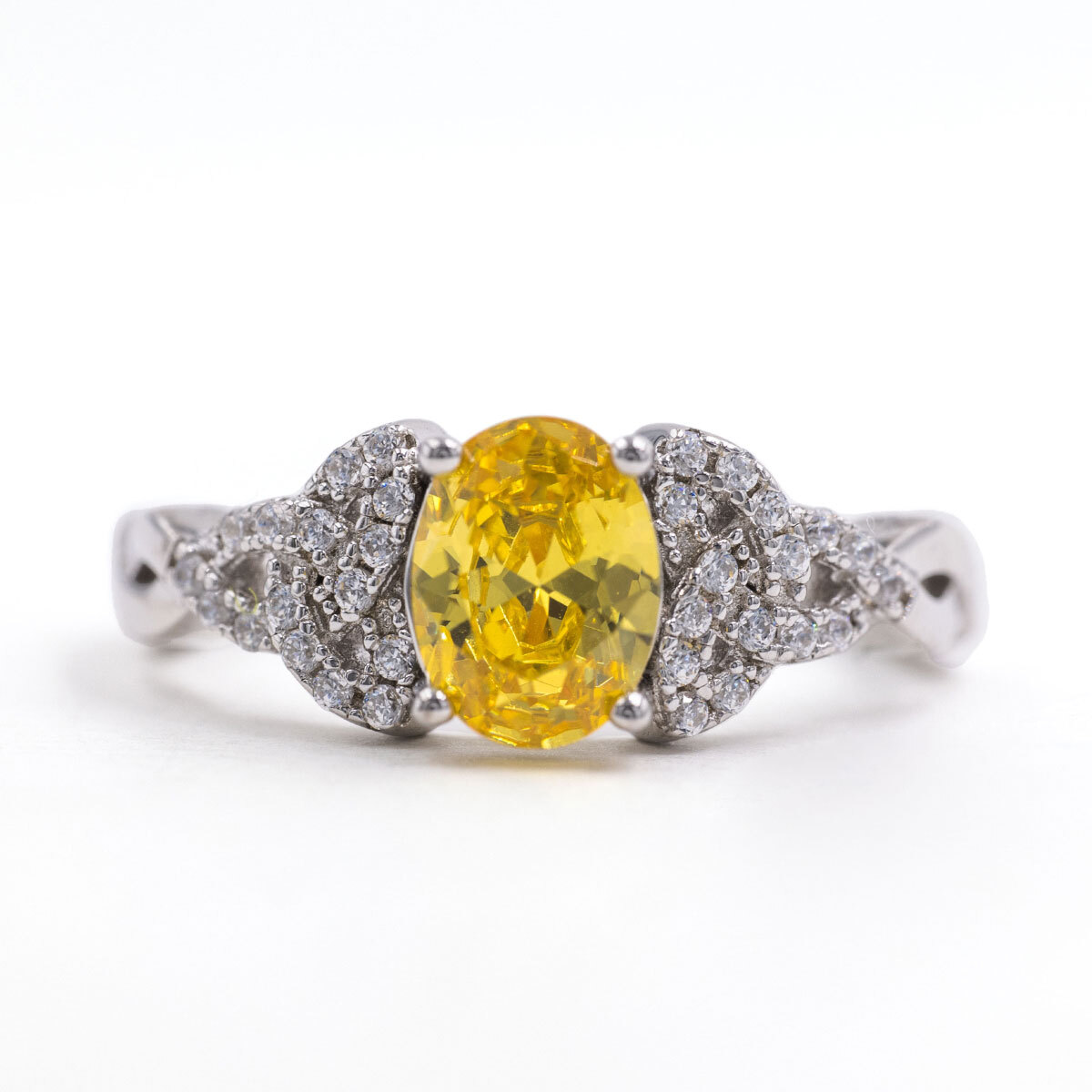
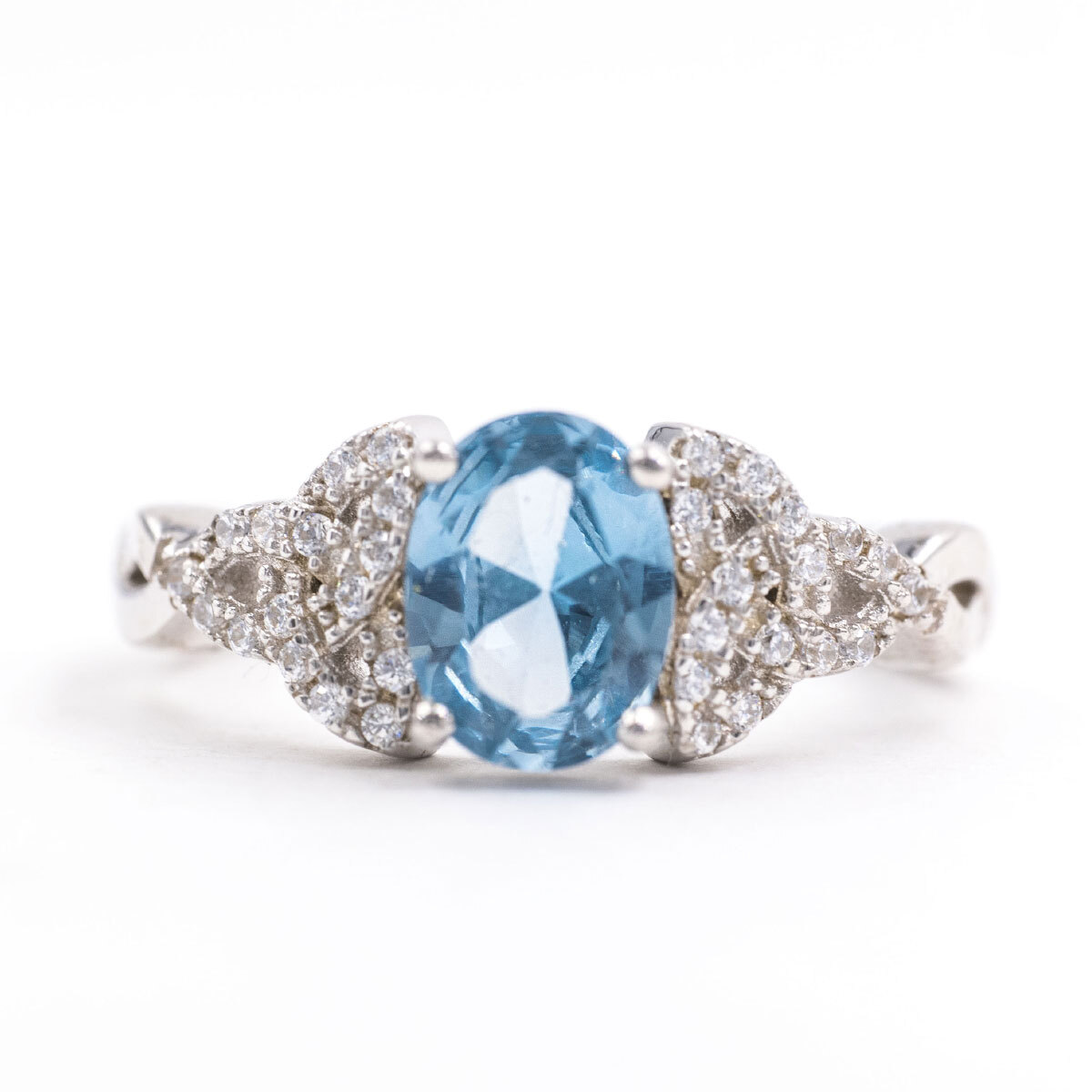
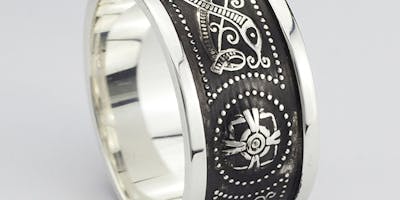
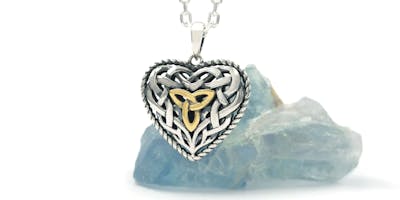
Trinity Knot wedding rings, also known as a Celtic love knot, are a deeply symbolic and popular choice for weddings.
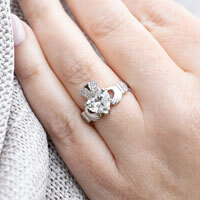
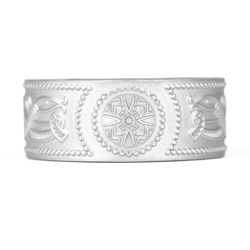
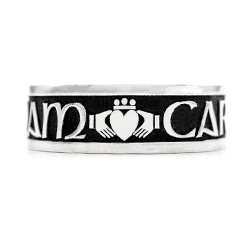
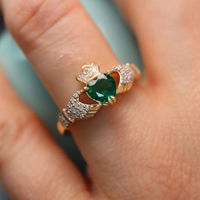
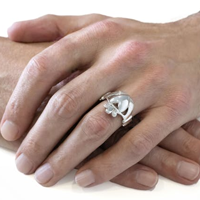
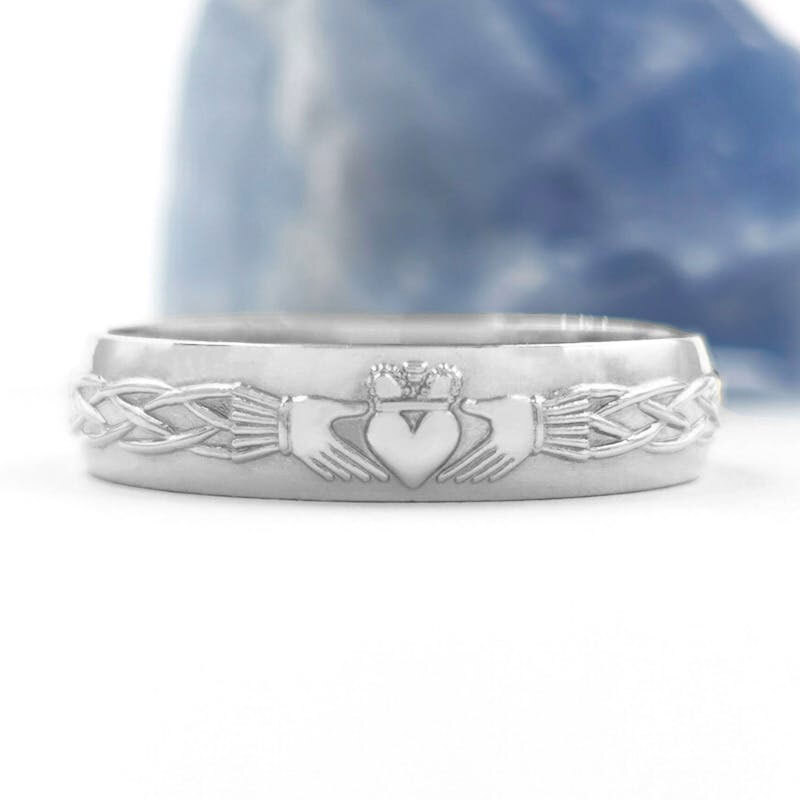
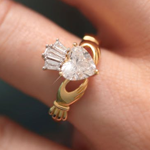
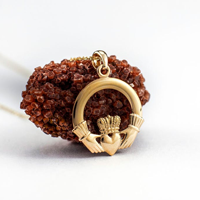
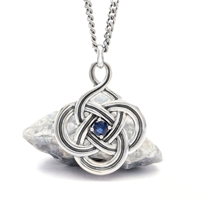
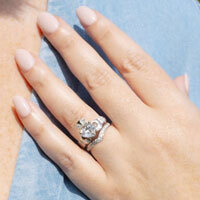
But we think Irish wedding rings have such special significance and meaning that they add real depth to a ceremony. The Claddagh, representing love, loyalty and friendship, has been exchanged in Ireland as a token of love and commitment for hundreds of years. And the Celtic Love Knot, representing eternity and connection, is a beautiful symbol representing the union of two lives.

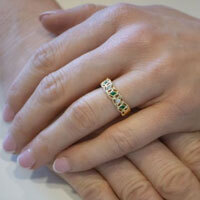
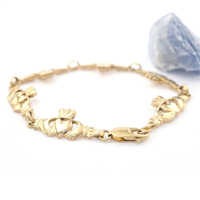
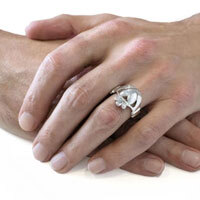
Subtle Claddagh wedding bands tell a story of love, loyalty and friendship.
But the Irish take this ritual up a notch with the warming of the rings. Who knows how this old tradition first got started? Perhaps it taps into the Irish love for audience participation! However it started, ring warming is very popular here in Ireland and always a hit with guests.

Photo Credit: Krista Carolyn G (CC BY-NC-ND 2.0)
During the ceremony, the wedding rings are passed between the hands of the couple's wedding guests. Friends and family are invited to infuse these symbols with their love and blessings for the couple.
A lovely tradition that involves everyone at the ceremony, it also gives your guests a chance to see the beautiful rings you have chosen up close. And Gail assures us that the rings always make their way back for the all important exchange!
2. Coin Exchange
Being a superstitious bunch, there are a lot of Irish traditions that are based on ensuring good luck on such an important day! Silver has long been valued here in Ireland for its believed protective abilities. Giving a silver coin on a wedding day is a very old tradition that has links back to medieval Brehon law in Ireland in the Cáin Lánamna, the "Law of Couples."

In the oldest version of these traditions, a bride would be given a coin as a gift from parents on her wedding day. She would carry this with her on the day, and would only ever spend it on something that would last throughout her life. The bride would also be given a silver coin by her groom during the ceremony itself as a symbol of his ability to be able to provide for their family.

These days, couples typically exchange coins during their marriage ceremony to mark their mutual commitment to each other.
This is a lovely tradition as again the coins exchanged can be meaningful for the couple and are something to be treasured, an investment, and a family heirloom that can be passed on along with the story of the day they commemorate.

3. Handfasting
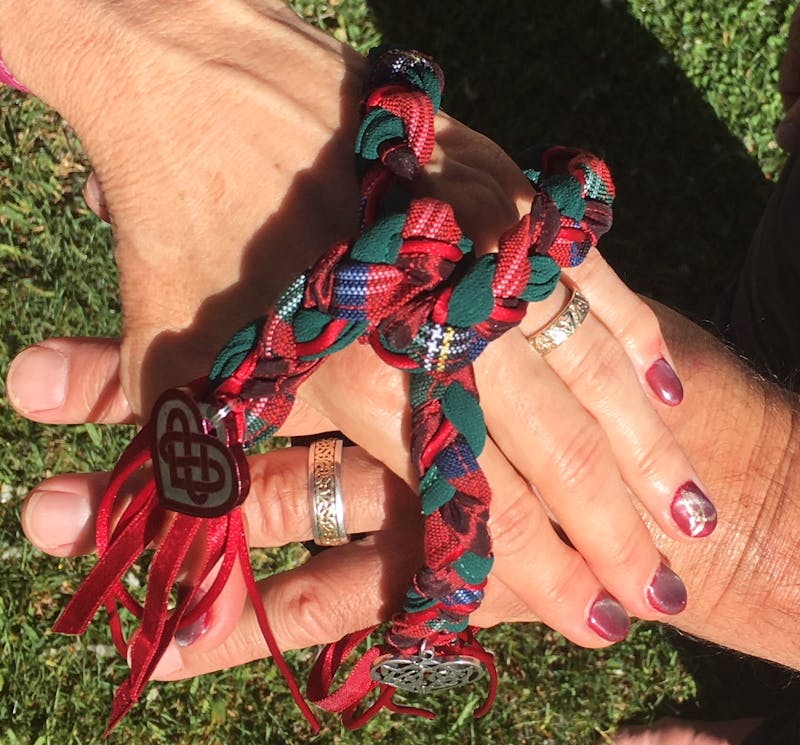
The origin of the phase, "tying the knot", this Irish wedding ritual has roots in ancient Ireland. Overseen by a person of high standing in the community, this rite involved tying the hands of the couple together, representing their union and their bonds that will only grow stronger, especially in times of pressure. This ceremony would typically coincide with important Irish festivals like Lunasa, where "love knots" would be exchanged between young couples intending to marry.
Happily, this wedding tradition has not only survived all these years but thrived. In 2011, the British Royals Kate and William included a handfasting element in their ceremony. It is a popular request in ceremonies that Gail conducts. It is a wonderful element because, again, couples can really personalise it—selecting special colours for the ribbons or meaningful fabric like a traditionally woven Crios.

It's also a way to get wedding guests involved. Loved ones, or even a couple's children, can help place the fabric over the hands. And the knot itself then becomes a lovely keepsake that can be framed as a memento of a special day.
4. Salt Covenant
Another tradition with ties to good luck and prosperity! In years gone by, salt was seen as a symbol of luck and prosperity as well as being a hugely valuable commodity - more valuable than gold!
Given this significance, agreements and promises were often sealed by a salt covenant. People would exchange a pinch of salt on the understanding that their agreement could not be broken unless they could retrieve all of their own grains of salt - a close to impossible task!

Marriage is one of the most significant commitments a person can make. So it is not surprising that this salt covenant became a feature of Irish wedding ceremonies. The lovely thing about this tradition is it continues to play out throughout married life together. The couple can use their mixed salt for cooking and remember the day. And again, each time the pot is refilled, they can think back to their wedding day and their continued commitment to each other.
5. Drinking from the Quaich
Last, but certainly not least, we have drinking from the Quaich! This is a decidedly ancient ceremony with ties back to the tales of Oisín, son of one of Ireland’s greatest heroes, Fionn MacCumhail, and both Ireland and Scotland lay claim to it.

Gail's beautifully ornate Quaich
Gail explained to us that the Quaich is a Gaelic drinking vessel. Typically, drinking from the Quaich happens at the end of the ceremony: a great tradition to get the party started and to involve the wedding guests.

A mixture of Canada dry ginger ale for a Canadian and Bushmills for a Belfast born man. A tasty mix!
Loved ones, friends, or family can bring up two drinks of significance for the couple. These are mixed in the Quaich and the couple then takes their first drink as a married couple. It is traditional for the the couple to polish off the lot and hold the Quaich aloft to the cheers of all. Certainly a rousing way to end the ceremony!
Expert Advice
We were delighted to chat with Gail and get her expert input on these wonderful Irish traditions for wedding ceremonies. If you would like to know more about Gail and the ceremonies she conducts, you can find her here.

And of course, we are here if you have any questions about your own wedding plans, our Irish or Celtic Wedding rings, coins, engagement rings, bridal jewellery, or gifts for your bridesmaids and groomsmen.
Get In Touch
Have a question or something you're not entirely sure about when browsing our pieces? Please reach out. You can send us a note or give us a call—the Dublin workshop is here to make sure that you have a perfect experience from start to finish with My Irish Jeweler.
Follow us on Facebook and Instagram, to see what's new and upcoming. Join our Email list for early offers and special features.

Ciaran
My Irish Jeweler
Born in Co. Antrim and reared in Dublin, I was fascinated with Gaelic culture from an early age. I suppose it's not surprising given my mother inherited a grá for the Irish language from my grandfather, an Irish school headmaster. And that grá continues! My brother and sister are now Gaelic teachers here in Ireland, my niece is an award winning Irish dancer, and I proudly work to share Irish culture through our Irish and Celtic Jewelry at My Irish Jeweler!
I love researching and reading about the history of Irish design. It's at the core of what we do here at My Irish Jeweler. I find much of it so interesting that I have to share what I find. I hope you enjoy it!
Comments




 Ask Gemma