



Irish Folklore: Beware the woods and the trees
Written by Ciaran on Oct 03, 2024 | 0 Comments
October is known as Deireadh Fómhair in Irish. Roughly translated this means "the end of autumn." Winter came sharp on the heels of Samhain at the end of October in the old Celtic calendar.
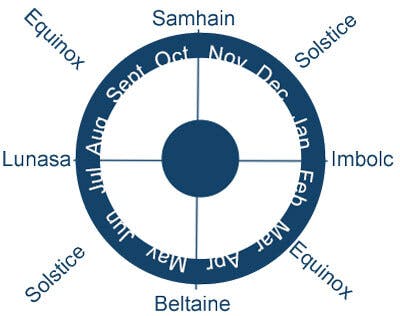
For our ancestors, Samhain at the end of October was the end of harvest season, the beginning winter, and the coming of the new year.
The trees are certainly playing along here in Ireland! Splashes of yellow, red, and gold decorate every hedgerow and the last of the apples and blackberries must be collected before the month is out or they will be taken by the spirits on Samhain!

Woodland walks are particularly pleasant at this time of year. But it might be wise to take care in the woods...
Given the food, fuel and shelter they provided, its hardly surprising that trees were respected and revered by our ancestors. But the woods and some trees themselves were also something to be feared. Trees have strong associations with all manner of otherworldly creatures including fairies and werewolves in Irish folklore, and can even act as doors to the otherworld themselves!
Fairy Trees
In Irish folklore, hazel trees and thorn bushes - both the forbidding Blackthorn and the slightly less prickly Hawthorn, are considered special trees. Often referred to as a fairy trees, stories documenting the misfortune visited on those who interfered with a lone Fairy tree or the Bile rátha, a Sacred tree of the fort abound in the National Folklore Collection. A quick listen to this story from master seanchaí Eddie Lenihan about one such event would certainly make me think twice about harming one anyway!
A story from Co. Louth tells of a man whose “horses were killed because he cut the blackthorn bushes” while an entry from Co. Sligo confirms “It is considered unlucky to cut a hazel tree or a blackthorn.” In several stories, a hazel tree without leaves is a thing to be avoided at all costs as it was believed to drip poison and considered evil!
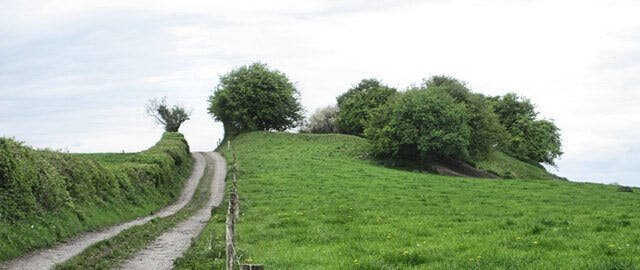
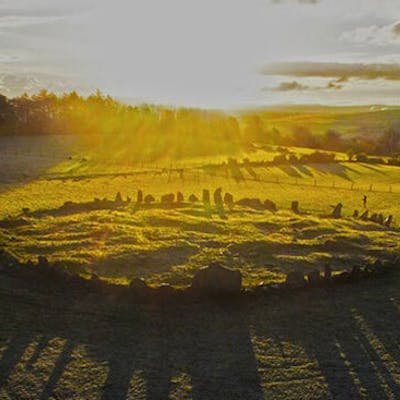
Fairy forts, or ring forts, are common features on hill tops around Ireland and are often surrounded by so called fairy trees. Believed by many to be sacred spaces for the fairy folk, few will disturb them or the trees that surround them.
Photo Credit: Kevin Higgins (CC BY-SA 2.0)
Doors to the otherworld
Our ancestors also viewed trees as doorways, living connections to the spirits. Great gifts could be obtained from such trees. The legendary Fionn MacCumhaill gained all our worlds knowledge by eating a great salmon that had been snacking on otherworldly hazel nuts that fell into it's pond.

The Salmon of Knowledge growing fat on otherworldly hazel nuts, said to contain everything there is to know of our world.
Photo Credit: Justin McCarthy, 1904 (Public Domain)
Through the branches reaching up to the heavens, and the trunk and roots grounded in the earth, trees provided humanity with direct connection to the "otherworld." Our word for door might even derive from dair, the Irish word for oak.

The Dark Hedges in Co Antrim.
Photo Credit: Nick Kane (Unsplash)
At spots like the Dark Hedges in County Antrim, Northern Ireland it's easy to see how this idea could take hold. The beech lined avenue was only planted in the 18th century but the spooky atmosphere they convey certainly makes an impression. One not lost on the team behind HBO's Game of Thrones. This real world spot stood in for the fictional and sinister Kingsroad.
The Shillelagh
With a forbidding reputation then it is hardly surprising that trees, and blacthorn in particular also has an ancient association with aggression and protection. Blackthorn wood is naturally strong with exceedingly hard bark once cured, making a surprisingly deadly weapon known as a cudgel or shillelagh.
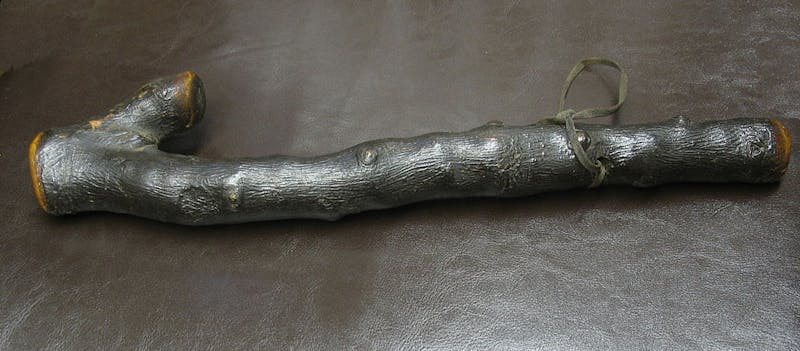
Photo Credit: Schurdl (CC BY-SA 4.0)
This was an Irish weapon of choice for hundreds and possibly thousands of years with mention of Blackthorn sticks in the legends of the Fianna Cycle. The Fianna, fierce warriors led by the Fionn MacCumhaill (him again), reportedly armed themselves with blackthorn sticks among other things!
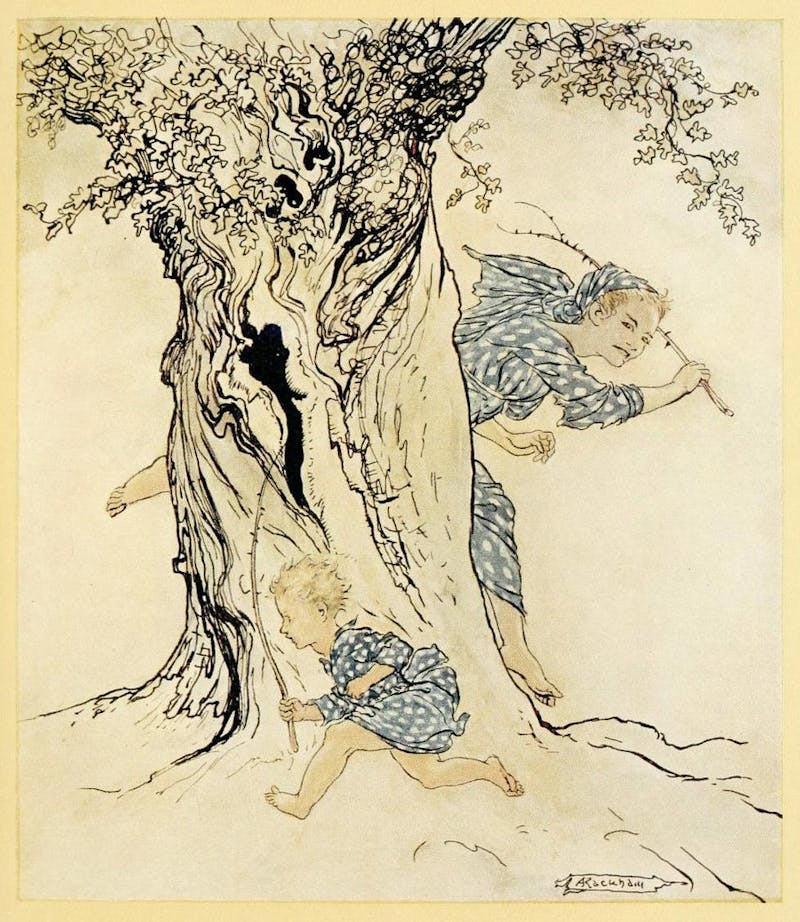
The great warrior Fionn learned from an early age the damage that can be done with just a thorn switch let alone a shillelagh! He was taught to be fleet of foot by racing round a tree away from a whipping!
Photo Credit: Arthur Rackham (Public Domain)
Wolf-walkers: Irish Werewolves
It seems a smart move to carry a shillelagh traversing wooded areas in Ireland. It not only protected you from human attackers, but could also help with warding off otherworldly assailants like fairies and werewolves too if a story recorded by Lady Jane Wilde is anything to go on.
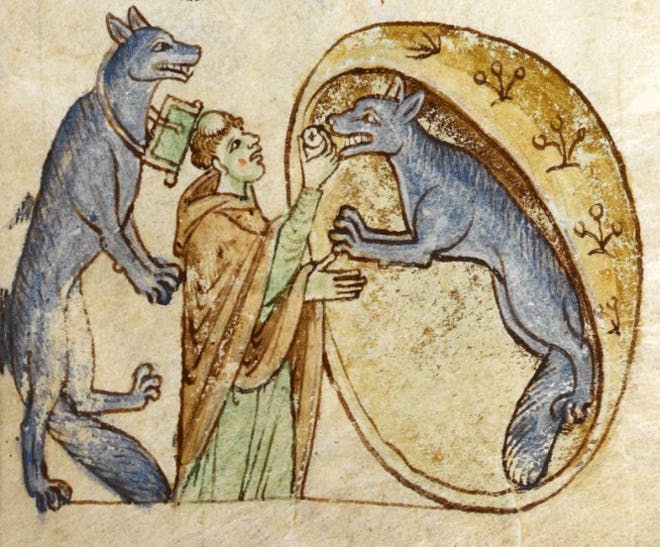
An illustration from the medieval text, Topographia Hiberniae, depicting the story of a traveller who meets a pair of humans transformed into wolves from the ancient Irish Kingdom of Ossory.
Photo Credit: Public Domain
The Werewolves of Ossary
As late as the 17th century, Ireland was known as “Wolf Land.” Wolves were common enough in Irish woods and only the brave, and well armed would venture in. Hardly surprising then that wolves crop up in ancient stories, records, and mythology too. The most famous today are the Werewolves of Ossary thanks to the wonderful animated movie, Wolfwalkers.
Medieval records hold that these "wolfwalkers" are descendants of a warrior and King of Ossary, Laignech Fáelad (Fáelad translating as "wolf-shape)
"𝘩𝘦 𝘸𝘢𝘴 𝘵𝘩𝘦 𝘮𝘢𝘯 𝘵𝘩𝘢𝘵 𝘶𝘴𝘦𝘥 𝘵𝘰 𝘴𝘩𝘪𝘧𝘵 𝘪𝘯𝘵𝘰 𝘧𝘢́𝘦𝘭𝘢𝘥, 𝘪.𝘦. 𝘸𝘰𝘭𝘧-𝘴𝘩𝘢𝘱𝘦𝘴. 𝘏𝘦 𝘢𝘯𝘥 𝘩𝘪𝘴 𝘰𝘧𝘧𝘴𝘱𝘳𝘪𝘯𝘨 𝘢𝘧𝘵𝘦𝘳 𝘩𝘪𝘮 𝘶𝘴𝘦𝘥 𝘵𝘰 𝘨𝘰, 𝘸𝘩𝘦𝘯𝘦𝘷𝘦𝘳 𝘵𝘩𝘦𝘺 𝘱𝘭𝘦𝘢𝘴𝘦𝘥, 𝘪𝘯𝘵𝘰 𝘵𝘩𝘦 𝘴𝘩𝘢𝘱𝘦𝘴 𝘰𝘧 𝘵𝘩𝘦 𝘸𝘰𝘭𝘷𝘦𝘴, 𝘢𝘯𝘥, 𝘢𝘧𝘵𝘦𝘳 𝘵𝘩𝘦 𝘤𝘶𝘴𝘵𝘰𝘮 𝘰𝘧 𝘸𝘰𝘭𝘷𝘦𝘴, 𝘬𝘪𝘭𝘭 𝘵𝘩𝘦 𝘩𝘦𝘳𝘥𝘴. 𝘞𝘩𝘦𝘳𝘦𝘧𝘰𝘳𝘦 𝘩𝘦 𝘸𝘢𝘴 𝘤𝘢𝘭𝘭𝘦𝘥 𝘓𝘢𝘪𝘨𝘯𝘦𝘤𝘩 𝘍𝘢́𝘦𝘭𝘢𝘥, 𝘧𝘰𝘳 𝘩𝘦 𝘸𝘢𝘴 𝘵𝘩𝘦 𝘧𝘪𝘳𝘴𝘵 𝘰𝘧 𝘵𝘩𝘦𝘮 𝘵𝘰 𝘨𝘰 𝘪𝘯𝘵𝘰 𝘢 𝘸𝘰𝘭𝘧-𝘴𝘩𝘢𝘱𝘦."
The Book of Ballymote is also thought to refer to this curious tale, recording "the descendants of the wolf" in Ossory having the power to change themselves into lupine form and go out and devour people. A good as reason as any to beware of the woods!

A wolf walking the streets of Dublin in the Samhain Macnas parade.
Photo Credit: William Murphy (CC BY-SA 2.0)
Irish Trees
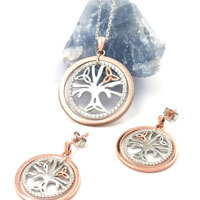
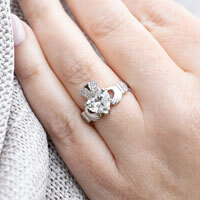
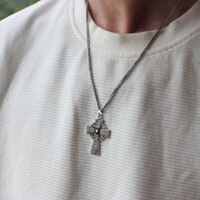
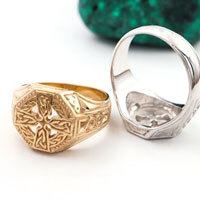
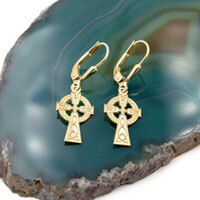
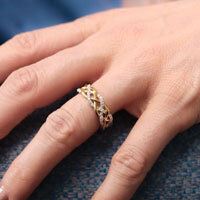
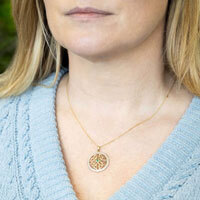
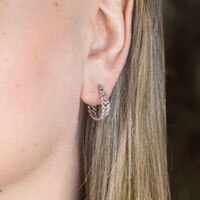
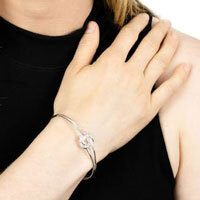
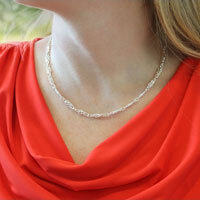
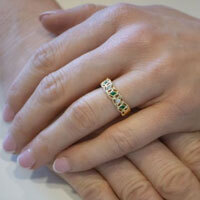
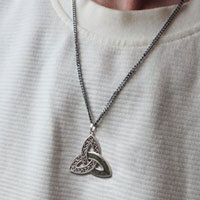
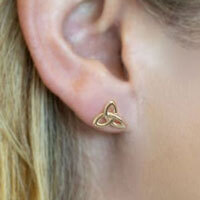
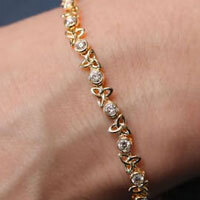
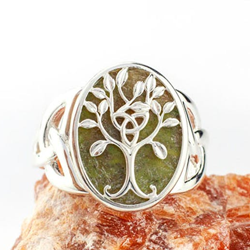
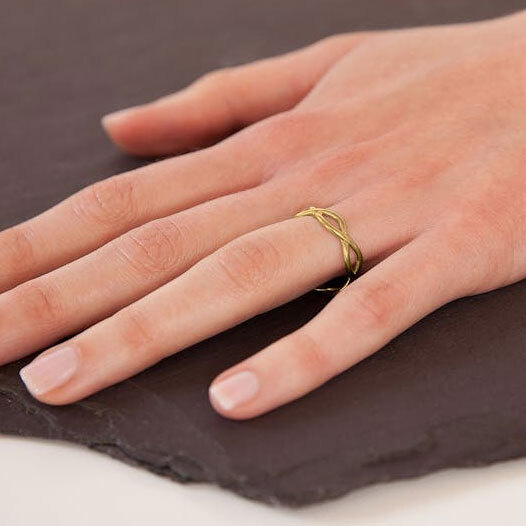
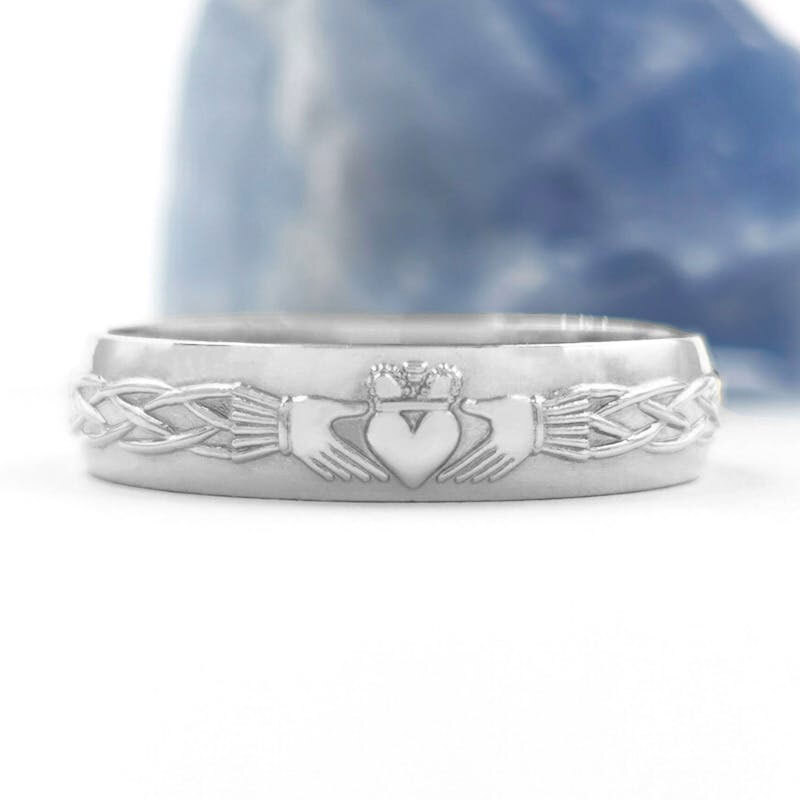
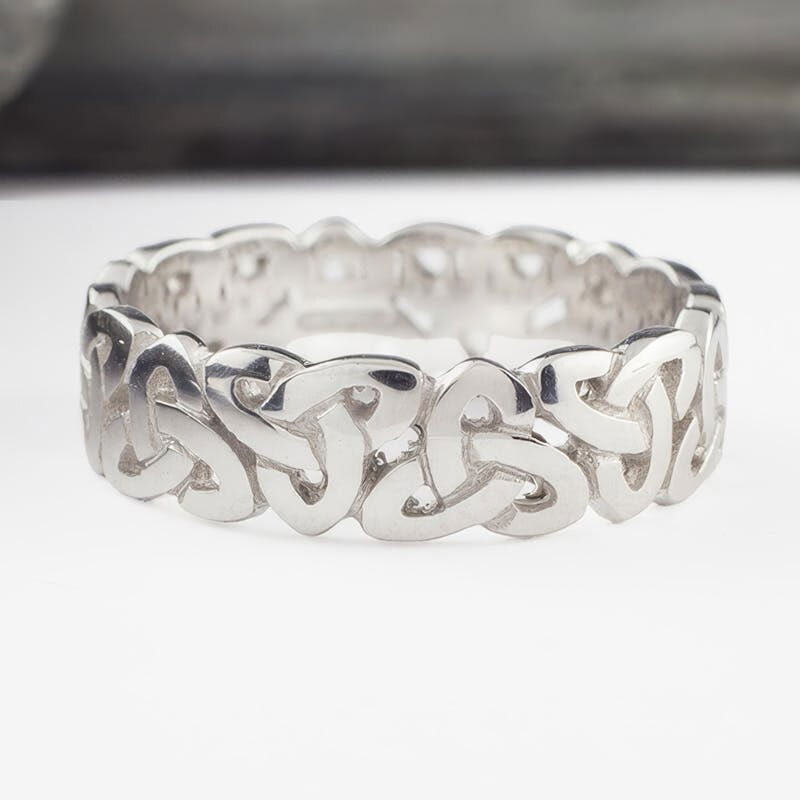
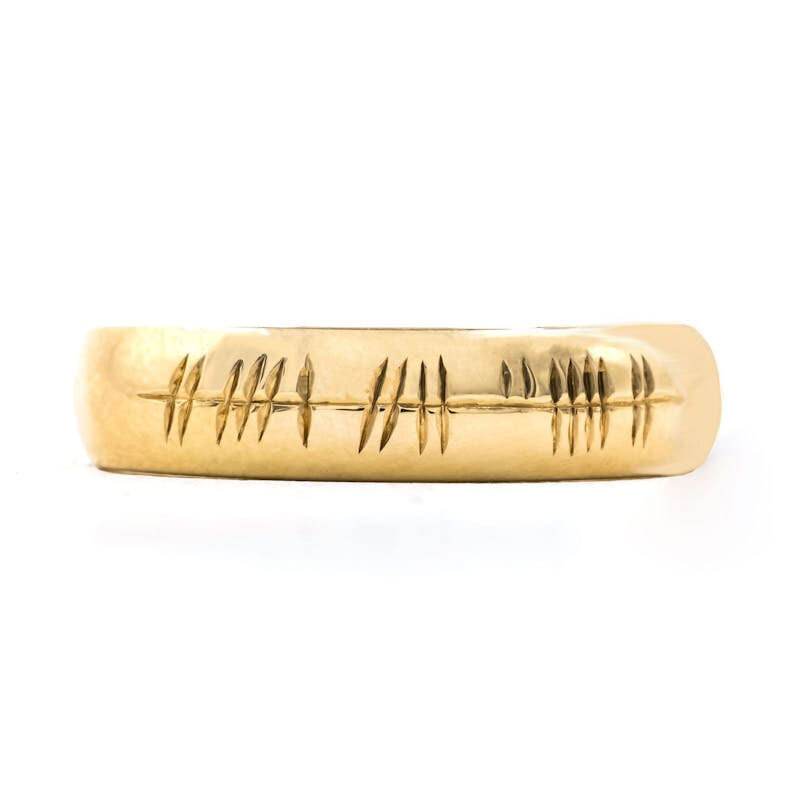
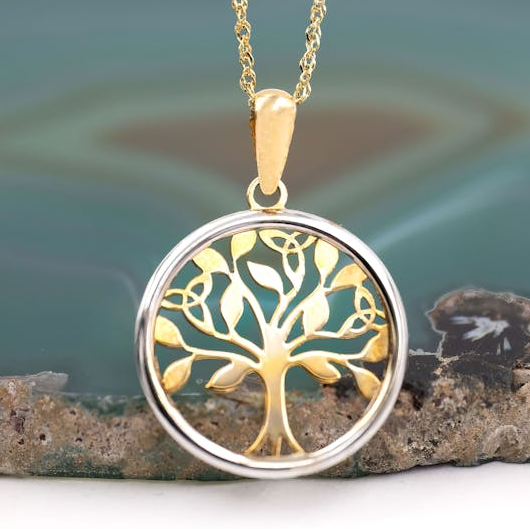
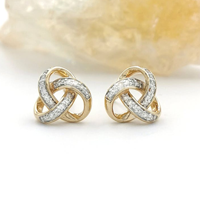
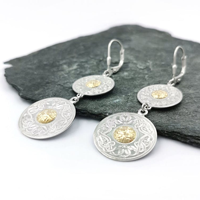
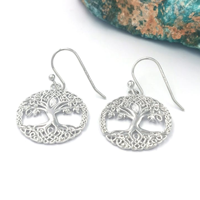
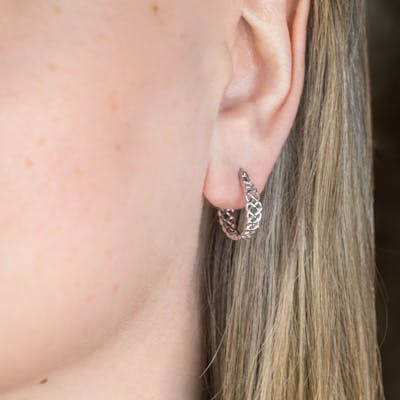
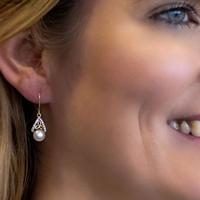
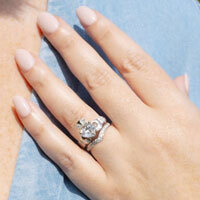
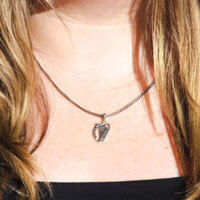
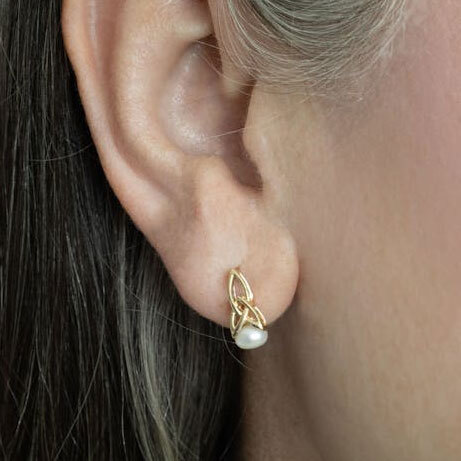
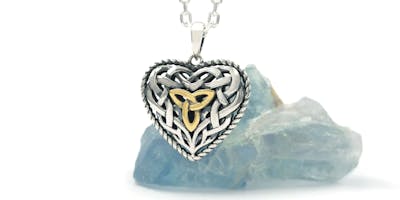
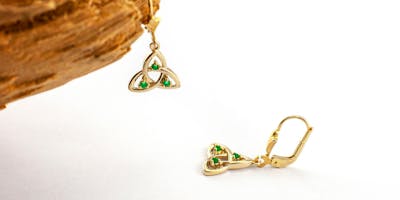
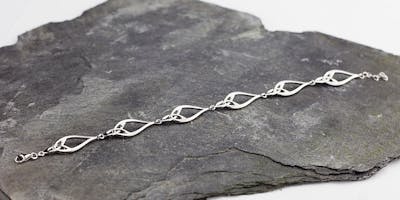
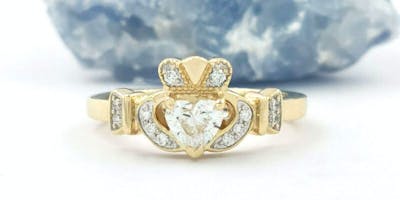
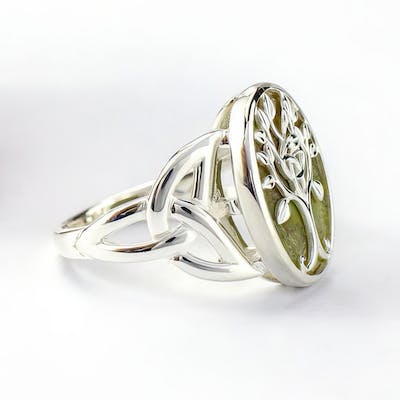
Fancy the protection of your own Irish tree? Our Tree of Life Jewellery is perfect for any season, but especially so in autumn when their leaves put on a show and we enjoy the fruits of the harvest. Check out our full range with rings, pendants, earrings, bracelets artfully crafted in silver and gold.
Get In Touch
Have a question or something you're not entirely sure about when browsing our pieces? Please reach out. You can send us a note or give us a call—the Dublin workshop is here to make sure that you have a perfect experience from start to finish with My Irish Jeweler.
Follow us on Facebook and Instagram, to see what's new and upcoming. Join our Email list for early offers and special features.

Ciaran
My Irish Jeweler
Born in Co. Antrim and reared in Dublin, I was fascinated with Gaelic culture from an early age. I suppose it's not surprising given my mother inherited a grá for the Irish language from my grandfather, an Irish school headmaster. And that grá continues! My brother and sister are now Gaelic teachers here in Ireland, my niece is an award winning Irish dancer, and I proudly work to share Irish culture through our Irish and Celtic Jewelry at My Irish Jeweler!
I love researching and reading about the history of Irish design. It's at the core of what we do here at My Irish Jeweler. I find much of it so interesting that I have to share what I find. I hope you enjoy it!
Comments



 Ask Gemma