February 1st is St. Brigid’s day and the Celtic start of spring in Ireland despite the nip in the air! It's marked by a national bank holiday here - the first public holiday to celebrate a woman here in Ireland. But just who was Brigid? An ancient Celtic goddess or a christian saint? Or both? And spring at the start of February? How can that be!?
Who was Brigid?
Depending on who you ask you may get a different answer to this seemingly simple question. For many she is a Catholic saint, one of the patron saints of Ireland, St. Brigid of Kildare. For others, she is the older Celtic goddess Brigid.
A Celtic Goddess
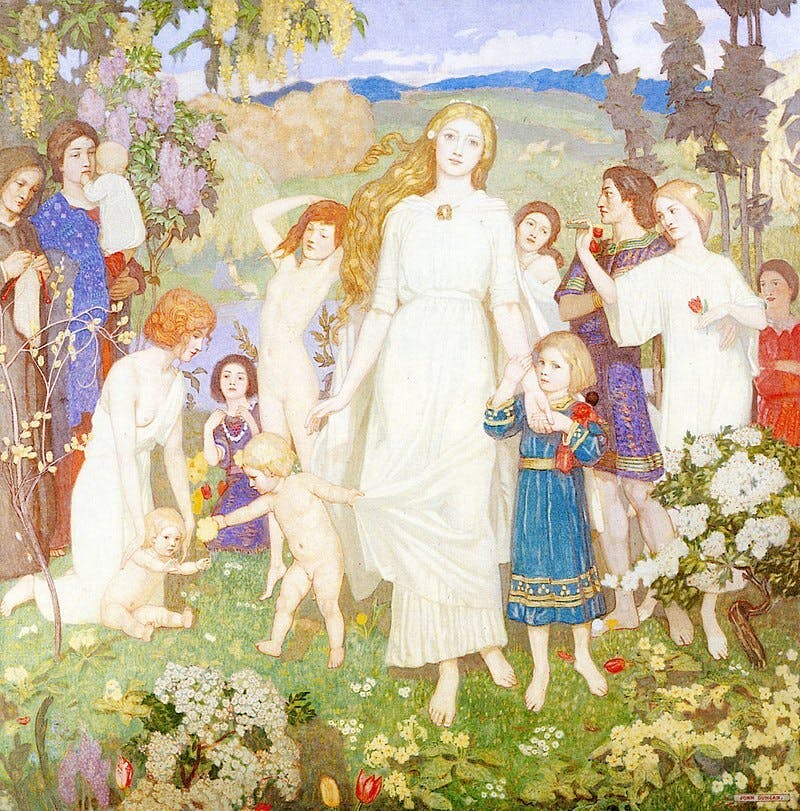
Before the saint, there was Brigid the Celtic goddess of poetry, healing, fertility, domestic animals and the forge. Daughter of the Dagda, the king of the otherworldly, Tuatha Dé Danann, Brigid was a powerful and much loved goddess not just here in Ireland, but across Celtic cultures in Northern Europe.
The Coming of Bride
Photo Credit: John Duncan (1917) Public Domain
Imbolc
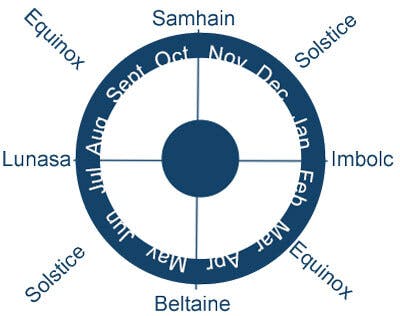
Half way between the winter solstice and the spring equinox, the Celtic festival of Imbolc was marked by honoring Brigid with feasts and bonfires, in the hopes that the coming growing season would be fruitful. With traditions recorded in mythology and medieval texts, the word Imbolc translates as "in the belly" in old Irish.
The cyclical Celtic calendar, with Imbolc marking one of the four "cross-quarter" days along with the festivals of Beltaine, Lunasa, and Samhain.
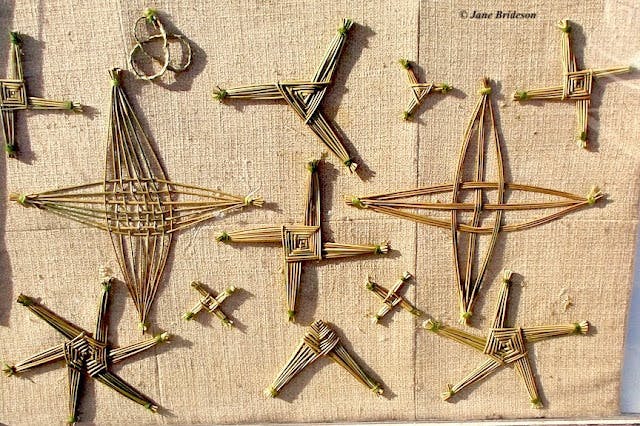
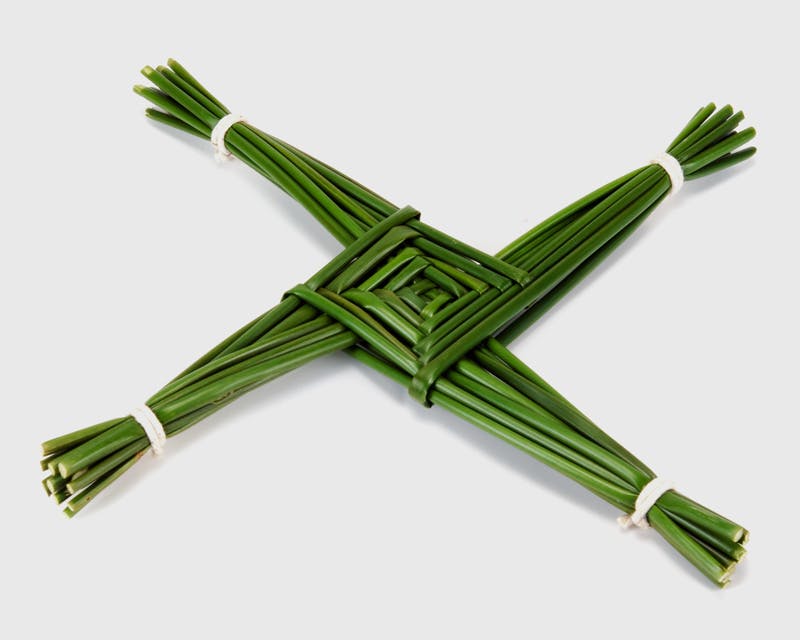
Imbolc marked the beginning of spring and new life in the Celtic calendar. Rush crosses of all shapes and sizes, often with three arms, and small figures of Brigid, Brídeóg, were fashioned and hung in homes and stables to protect the health of people and livestock.
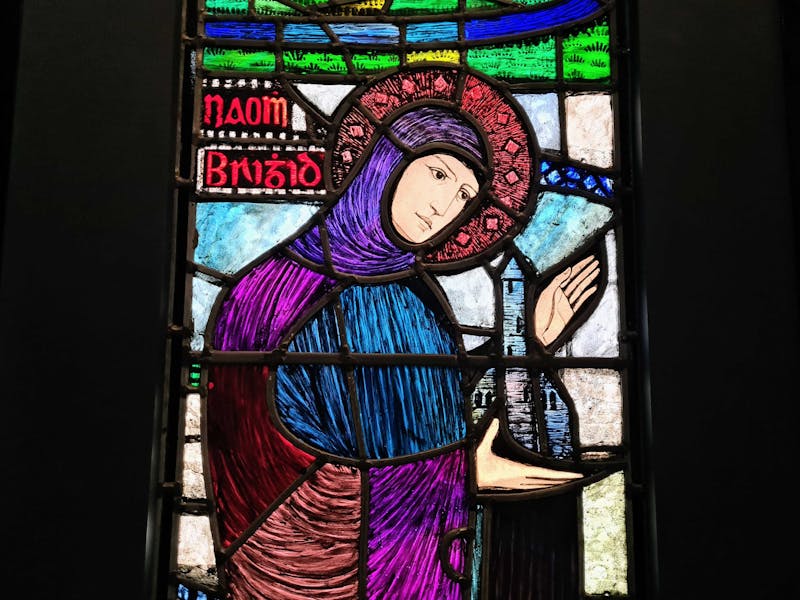
From humble beginnings, St. Brigid of Kildare, who was reportedly born a slave in Dundalk around 451 AD rose to become a revered saint not just in Ireland but across Europe. Through her dedication to her faith and unwavering focus, she became a nun, abbess and in some stories, a bishop! She was the founder of several monasteries, most notably in Kildare.
A stained glass window by Michael Healy, in the National Gallery of Ireland. Brigid can be seen cradling her monastery with the round tower that is still present in Kildare today.
Photo Credit: J. Chadwick
She educated hundreds of women who otherwise would have gone without, and refused an arranged marriage to instead dedicate her life to charity.
St. Brigid's Cross
The story of the lovely cross which bears her name has several tellings. The most famous recounts Brigid weaving a cross from rushes that were covering the floor at the bedside of a dying pagan chieftain, who in some tellings is her father. As St. Brigid explained the cross, her words soothed the dying man and he was moved to be baptized before passing away in peace.
St. Brigid is said to have peacefully passed away herself on February 1st, AD 523. In the centuries that followed, Irish people have celebrated her and the older Imbolc that went before, by making and displaying rush crosses to bless their house and home each year on this day.
Despite not being a saint that is officially recognised by the Vatican, St. Brigid is one of the three patron saints of Ireland, along with Patrick and Colmcille. A recent campaign successfully established her feast day as a national holiday in 2023.
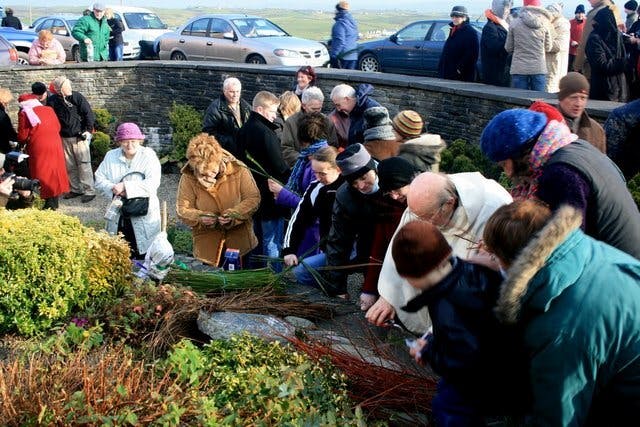
People muffled up for the cold, making crosses with rushes at St. Brigid's Well.
With time and the retelling, the mythology of the Celtic goddess and then story of the Saint have become inextricably linked. Like many things in Ireland, the details depend on who is doing the telling! What we do know for sure is that Brigid the goddess and Brigid the saint remain beloved figures in Ireland and farther afield, providing light and hope, as well as a good excuse for a get together in the dying days of winter.
St. Brigid's Cross: A symbol of Ireland
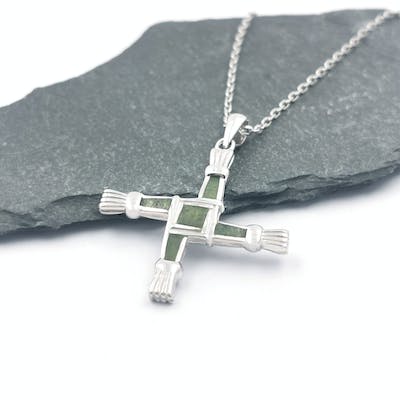
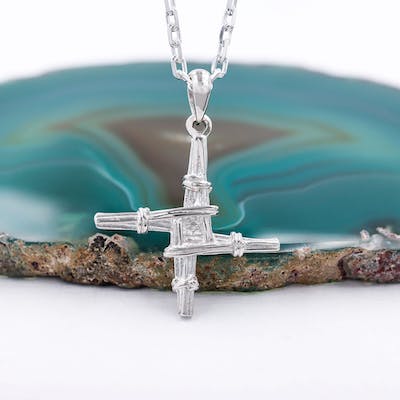
St. Brigid's cross, along with the shamrock and the harp, is a distinctive symbol of Ireland that can trace it’s roots back to Celtic mythology. Crafted from rushes or straw pulled from the ground on January 31st, the eve of St. Brigid’s day, the cross is woven left to right, after the movement of the sun. It has a layered square at its centre with four arms radiating out, each one tied at the ends.
A Traditional St. Brigid's Blessing
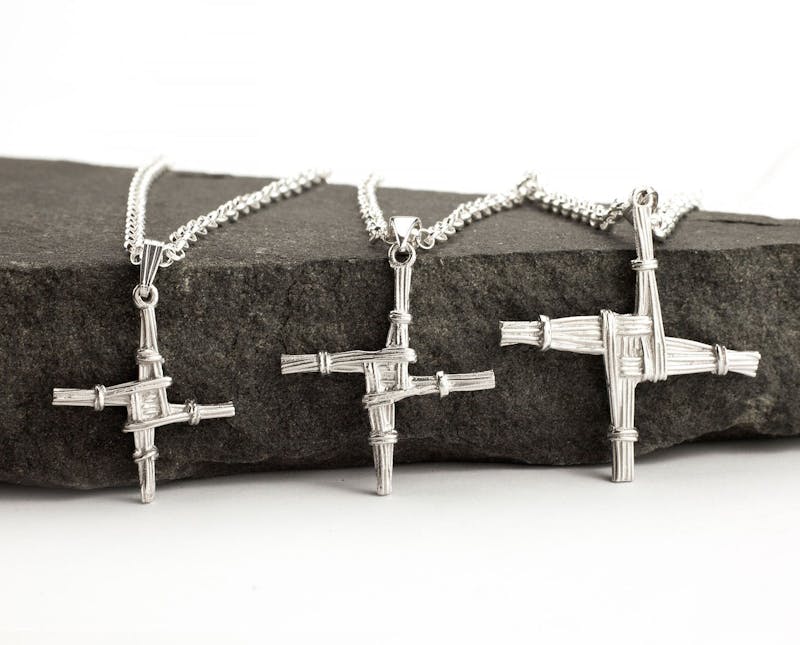
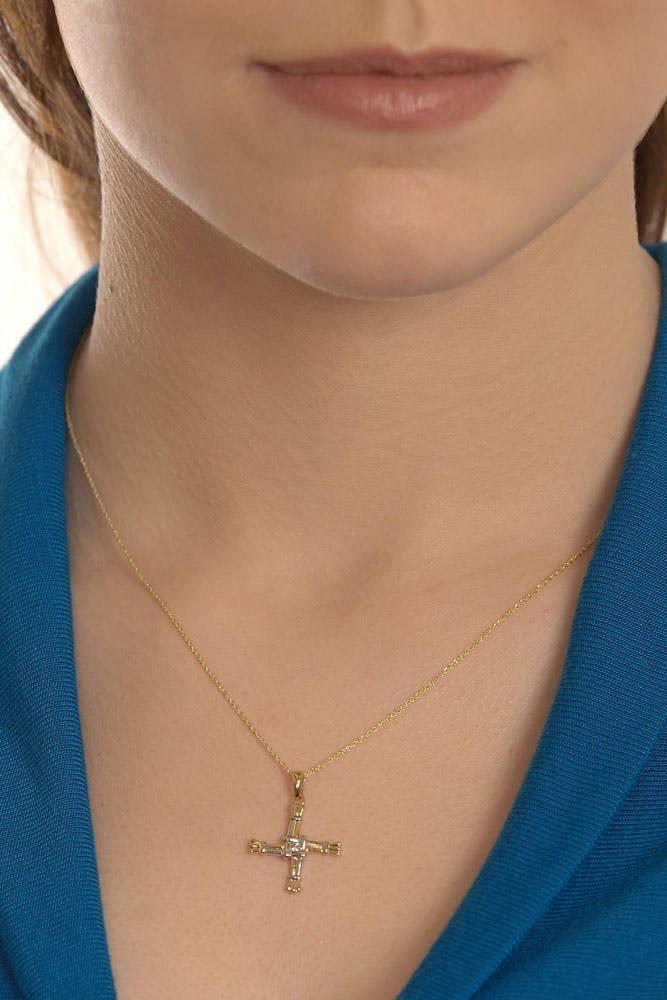
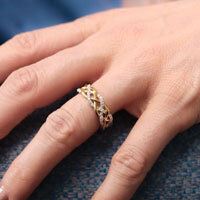
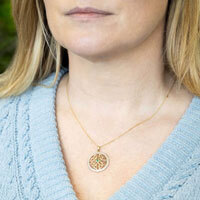
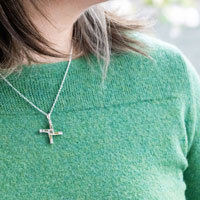
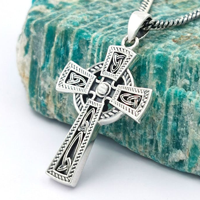
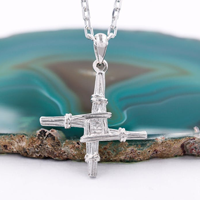
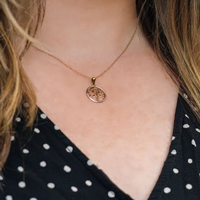
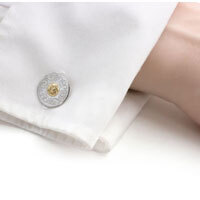
It is this wonderful history that inspired the design of our St. Brigid’s Crosses, recreating the intricate woven texture of rushes in silver and gold.
A lovely Two-Tone St Brigid Cross set with a diamond in the centre. A lovely delicate piece of jewellery and a lovely symbol of Ireland worn proudly by many in Ireland and worldwide
A traditional blessing for St. Brigid Cross is “May the blessing of God and the Trinity be on this cross and where it rests and on everyone who looks at it.” And if you fancy a cross of your own you could always have a go at making one.
Learn How to Make Your Own Brigid's Cross
The My Irish Jeweler team welcomed avid folklorist and storyteller, Margo to the workshop a few years ago to give instructions on how to make our very own St. Brigid’s Crosses. Watch below as we make valiant attempts while Margo expertly tells us all about the tradition of St. Brigid, or follow our video tutorial.
A St. Brigid's cross to treasure forever
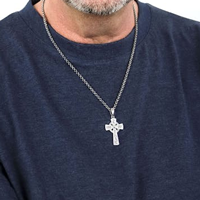
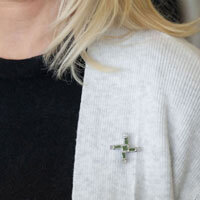
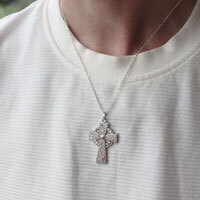
If you aren't a natural crafter, browse our selection of Brigid's Cross necklaces and brooches for a piece you can treasure forever and wear year round. Please do get in touch with us and we would be delighted to help you identify the right choice for you.
Join a growing community of people worldwide who enjoy Irish culture, design and craft.
Get In Touch
Have a question or something you're not entirely sure about when browsing our pieces? Please reach out. You can send us a note or give us a call—the Dublin workshop is here to make sure that you have a perfect experience from start to finish with My Irish Jeweler.
Born in Co. Antrim and reared in Dublin, I was fascinated with Gaelic culture from an early age. I suppose it's not surprising given my mother inherited a grá for the Irish language from my grandfather, an Irish school headmaster. And that grá continues! My brother and sister are now Gaelic teachers here in Ireland, my niece is an award winning Irish dancer, and I proudly work to share Irish culture through our Irish and Celtic Jewelry at My Irish Jeweler!
I love researching and reading about the history of Irish design. It's at the core of what we do here at My Irish Jeweler. I find much of it so interesting that I have to share what I find. I hope you enjoy it!
Comments
Carrie Deem
I came to your site today by chance. I am researching Imbolc and the celebration of the first full moon in Aquarius. I have Scottish clan heritage on both sides of my family, and have been a lover of Celtic Jewelry for more than 30 years now. You site is beautiful, and I am spending a good bit of time learning about St. Brigid today. I gravitate toward the blending of old traditions and Christian faith, so I appreciate all you provide those of us who want to learn as well. A blessed Imbolc and St. Brigid's Day to you and yours!
Hi Carrie, thank you so much for your lovely comment and your Imbolc and St. Brigid's Day wishes. We hope you had a lovely day as well and are delighted you found our blogs so useful. We are always very happy to share our love for Irish and Celtic culture.
Susan Fitterer
I LOVE your sharing of Gaelic history, language and lore, Ciaran! I am so happy to learn
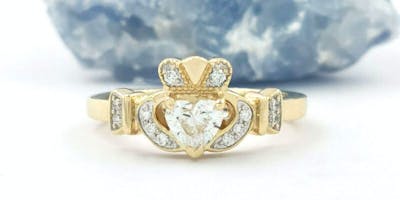
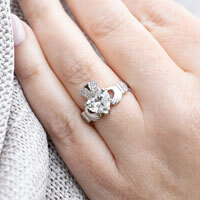
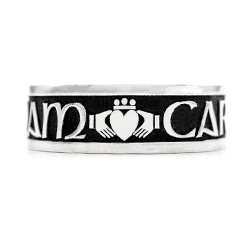
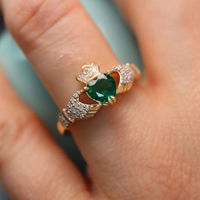
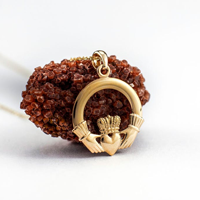
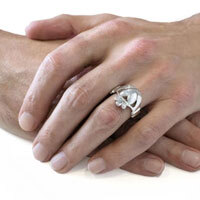
more of the history of St. Brigid. Some of our family were visiting Ireland last May and we were told for the first time St. Brigid would be honored with a holiday on her name , but the person telling us was not sure of the date. I love St. Brigid's cross and proudly wear mine very frequently. Daily, I weary beloved Claddagh ring , given to me on the occasion of my Confirmation in October of 1962. It was purchased from the first jeweler in the States to offer the Claddagh Michael C Tully, whose store was on Third Avenue in New York.
Again, thank you so much for sharing your gra of all things Irish!
Wow, Susan! It certainly sounds like you've got quite a collection. How excellent! We're so pleased that you're enjoying what we share -- that makes our day to read.
Louise Wasily
I enjoyed reading about St. Brigid. My son's birthday was Feb. 1st and his name is Patrick Joseph Kennelly lV. He would have lived hearing about this. His apt was next to a catholic church with a celtic cross on the spire. He use to sit outside at night looking at it. Thank you
Thank you for sharing your son's story with us, Louise. We're honored to hear how our friends around the world have found strength and connection in their Irish roots.









 Ask Gemma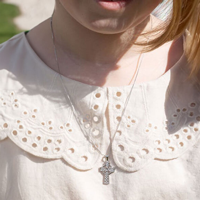










I came to your site today by chance. I am researching Imbolc and the celebration of the first full moon in Aquarius. I have Scottish clan heritage on both sides of my family, and have been a lover of Celtic Jewelry for more than 30 years now. You site is beautiful, and I am spending a good bit of time learning about St. Brigid today. I gravitate toward the blending of old traditions and Christian faith, so I appreciate all you provide those of us who want to learn as well. A blessed Imbolc and St. Brigid's Day to you and yours!