

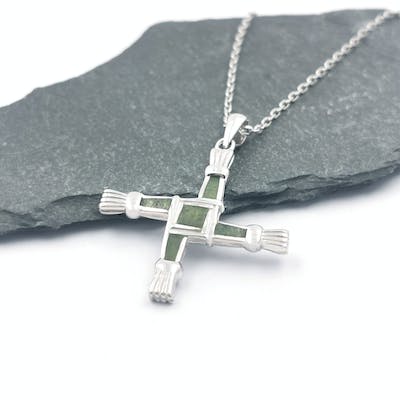


Ireland's Other, Other Patron Saint: St. Columba
Written by Ciaran on June 09, 2025 | 0 Comments
Almost everyone's heard of Ireland's most famous patron saint. St. Patrick and his feast day, March 17th, are celebrated on a global scale, and we’ve heard it said more than once that on that day, the whole world is Irish! With all the hullabaloo, it can be easy to forget that Ireland has not one, or two, but THREE patron saints and a well-earned Medieval moniker as “the Land of Saints and Scholars.” Read on to find out more about Ireland's curiously forgotten patron.

An illustration of our three patrons, from Mervyn Archdall, Monasticon Hibernicum, extended edition of Patrick F. Moran, Dublin, 1873.
Photo Credit: Public Domain
The Land of Saints
Ireland has a bit of a reputation as an island of Saints. The story goes that as the rest of Europe was falling into the “Dark Ages”, Ireland continued to prosper and evolve as an island on the edge of the known world. Early medieval Ireland saw a Golden Age of education, art, literature, and culture focused around its many, many monasteries!
We have the creation of spectacular illuminated manuscripts like the Book of Kells, intricate metalwork like the Ardagh Chalice, many impressive high stone crosses, and, of course, Irish saints like St. Patrick becoming legendary.
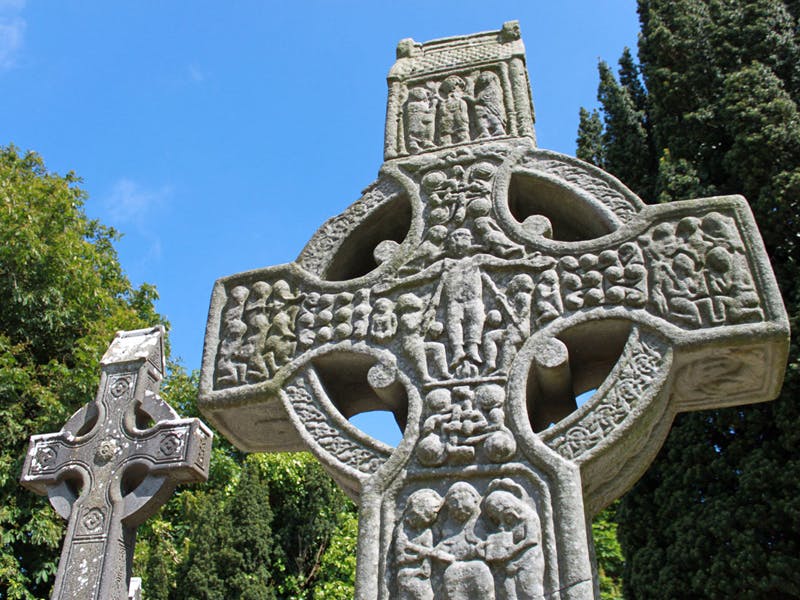
The Muiredach Cross, erected to its impressive 19 ft or 5.8 m between 900 and 920 CE, and believed by many to be the finest high stone cross in Ireland
Irish Saints
Approximately 150 Saints’ Lives are known in Ireland. These medieval manuscripts were written to document the lives of those people deemed worthy of elevation by the church. But if you include the numerous Irish saints our small island “exported” around Europe, that number gets closer to 400! So it seems the reputation was deserved!

Patrick is a rare instance where we have an account written by the saint themselves and he certainly knew how to hook a reader. Written in Latin he opens with “I am Patricius, a sinner, a simple country person, the least of all believers and looked down upon by many.”
Photo Credit: © Board of Trinity College Dublin
Ireland’s three Patrons
We all know who Patrick is, and many friends of My Irish Jeweler will also know who Brigid is, as we tend to go on about her a bit! We make no apologies for that. In her day, she was one of the most famous women in Europe, and we are fans!

My visit to St. Brigid’s Well in Co. Kildare.
Photo Credit: My Irish Jeweler
St. Columcille a.k.a. Columba: Ireland's other, other patron saint
Ireland’s third patron doesn’t get nearly as much press, and we really can’t see why he’s still in the shadow of Patrick and Brigid. His story has it all! A "warrior saint", perhaps in more than just name, known in Ireland as Colmcille and in Scotland as Columba, he reportedly banished the Loch Ness monster… Perhaps that’s why no one can find it? More on that tale in a moment.

Loch Ness in Scotland, home to the "water beast" banished to the depths by Columcille/Columba.
Photo Credit: Public Domain
Royal Descent
First we start with his early life. Born around 521 AD in what is now Co. Donegal, Columcille came from well-connected stock. He’s claimed to be the great-great-grandson of Niall of the Nine Hostages, a famous Irish High King.
His younger years were spent near what is now called Glencolmcille, a spot named in his honor to this day. Columcille is described in several records as an impressive individual of significant stature, with a powerful build and a loud and commanding voice.

The lovely Glencolmcille, just one of the many spots that bears this saints name here in Ireland.
Photo Credit: Ardfern (CC-SA-3.0)
But despite having the makings of a great warrior and leader, he reportedly heard the call to the church young and was a gifted monk, travelling and working at some of the most famous monasteries in Ireland, including with St. Mobhí here in Dublin.
He rapidly rose to become a priest and then leading in a different way as an abbott himself, founding countless churches and several monasteries, including Durrow in County Offaly, the famous Kells in Co. Meath, and Drumcliff in Co. Sligo. He is also the founder of a church in my hometown of Swords in Dublin! Perhaps that’s why I have a soft spot for him?
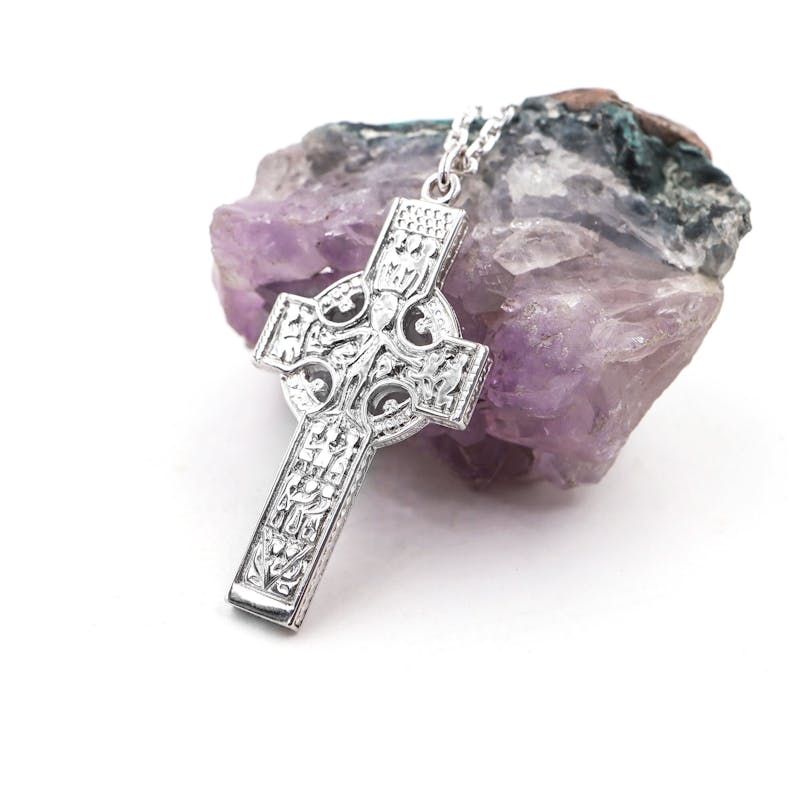
Collumcille's monastery in Durrow later went on to produce spectacular works like the Book of Durrow (100 years older than the Book of Kells) and an intricately carved high stone cross which still stands to this day.
The Battle of the Book
Sometime around 560 AD, a now middle-aged Columcille got into a disagreement. Some say it was over the ownership of a manuscript he had created in a very early case of a copyright disagreement!
It’s unclear if Columcille himself fought in the ensuing battle, the battle of Cul Dreimhne, also known as the Battle of the Book here in Ireland. He was certainly an instrumental figure in the events surrounding the battle and, according to some records, was right in the thick of the fighting! Some believe the thousands slain in this event were in no small part the motivation for Columcille’s missions in Scotland, with the saint looking to win back as many souls as were lost in the bloodshed.

Street art by Fritz in Sligo, depicting the the battle of Cul Dreimhne, known to some as the Battle of the Book - a copyright issue that got out of hand and resulted in thousands of dead if reports are to be believed!
Others say the real trouble started for the saint after he failed to protect a prince wanted for manslaughter!
Either way, he angered several well-connected people in Ireland, and depending on the sources, he either exiled himself or was banished to Scotland as a result! Perhaps this is why his legend is a little muted? This certainly might have been the end of his story, but this saint wasn't one to rest on his laurels!

There's a marker at Stroove Beach on the Inishowen Peninsula in Co. Donegal commemorating the place where the banished/exiled saint set sail for Scotland.
Photo Credit: Janek Kloss (CC BY-NC 2.0)
Columcille, known as Columba in Scotland, rapidly began converting the native Picts to Christianity, acting as a skilled diplomat between the local tribes, and founding monasteries and churches up and down the western coast, most famously at Iona.
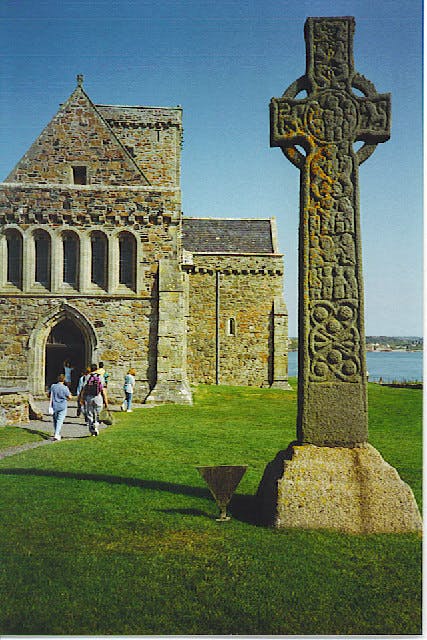
The spectacular monastic site at Iona was founded by St. Columcille or Columba in 563, famous as the birthplace of the Book of Kells, and home to stunning high stone Celtic crosses.
Photo Credit: Colin Smith (CC BY-SA 2.0)
The water beast of Ness
Despite all these achievements, the saint is perhaps best known, amongst Scottish and Irish schoolkids at least, through his encounter with the "water beast" of the river Ness. Recorded in St. Adomnán's 7th-century biography, The Life of Saint Columba, it's the first written account of an aquatic monster in this area! It seems Nessie really is ancient!
The page-turning story goes that the monster killed a local Pict and then tried to attack Columba's disciple, Lugne:
" it suddenly rushed out and, giving an awful roar, darted after him with its mouth wide open, as the man swam in the middle of the stream. Columba raised his holy hand while all the rest, brethren as well as strangers, were stupefied with terror. Invoking the name of God, he formed the saving sign of the cross in the air, and commanded the ferocious monster, saying, "Thou shalt go no further, nor touch the man; return with all speed."
Strong Gandalf vibes from Columba here!
" the monster was terrified, and fled more quickly than if it had been pulled back with ropes, though it had just got so near to Lugne, as he swam, that there was not more than the length of a spear-staff between the man and the beast. Then the brethren, seeing that the monster had gone back and that their comrade Lugne returned to them in the boat safe and sound, were struck with admiration, and gave glory to God in the blessed man.

A mural in the Scottish National Portrait Gallery by William Hole (1846–1917)
Photo Credit: Photographer Kim Traynor (CC BY-SA 3.0)
With stories like this attached to his name, you can see why we are puzzled that the saint doesn't share more equal billing with Patrick and Brigid! Columba died an old man sometime in the 590s, surrounded by his monks on Iona, and his relics were later shared between Ireland and Scotland.
A Warrior Saint
Unusually for a saint who died of old age rather than martyrdom or in battle, he is also revered as a warrior saint and was invoked for protection and victory in battle. His relics were reportedly carried before Scottish armies, with one local legend stating that in the Battle of Bannockburn in 1314, Columba's divine intercession helped the vastly outnumbered Scots to victory.

The Cumdach (shrine) of the Cathach, a manuscript written by Columba himself, in the Collections of the National Museum of Ireland, Kildare Street
Photo Credit: Photograph By Sailko (CC BY 3.0)
Columba was called on for such assistance in Ireland, too. An Cathach, a book shrine holding a manuscript believed to have been written by Columba himself, was used as a rallying cry and protector in battle by Donegal leaders. Before a battle, a monk or holy man would wear the book shrine around his neck and then walk three times clockwise in the direction of the sun, around the waiting warriors, to convey the saint’s divine protection over them. Whether this worked or not, we are left to wonder!
June 9th: The feast of St. Columba
Today his legacy lives on with his feast day on June 9th each year. Though it isn't a national holiday, yet, his feast day has been designated as International Celtic Art Day.
International Celtic Art Day
Established in 2000, to celebrate the wonderful craft of historical through to contemporary Celtic Art, it is a fitting legacy for Columba to be the figurehead for this day given the saint's association with so many breathtaking pieces of Celtic art, including The Book of Kells and the Book of Durrow, as well as a great many high stone crosses!

A folio from the Book of Kells.
More stories to discover
Irish history abounds with stories of our colourful saints, including my namesake, St. Ciarán, founder of Clonmacnoise, and St. Gobnait, who reportedly set her bees on raiders! So we think you will agree the title of the Isle of Saints is well deserved.
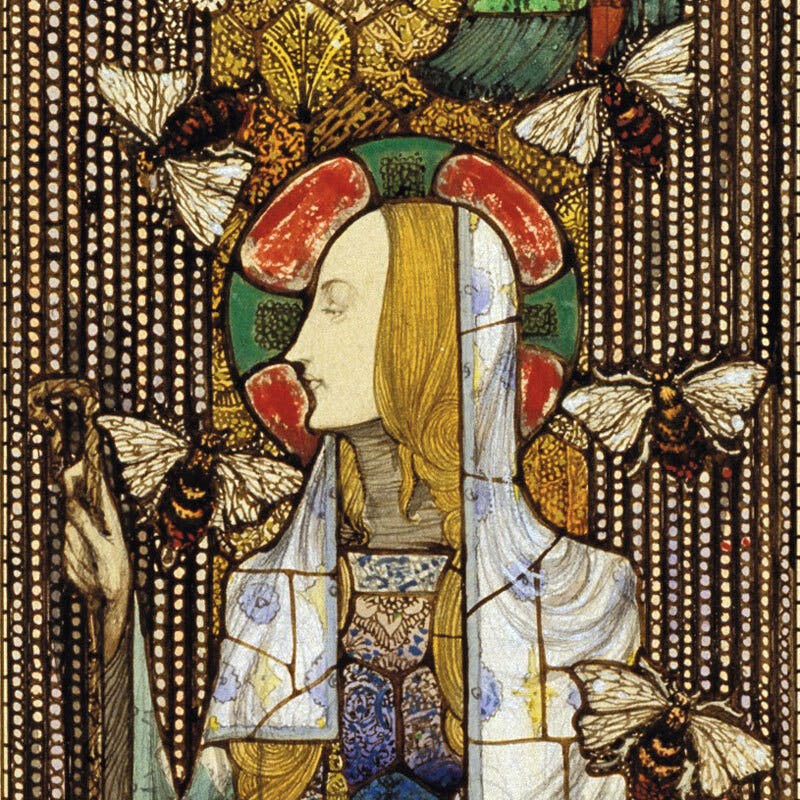
Harry Clarke's design for the Saint Gobnait window, Honan Chapel, Cork (1914).
Photo Credit: Public Domain
Island of Saints
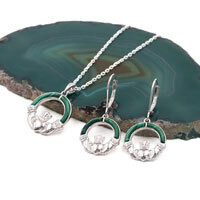
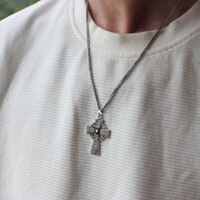
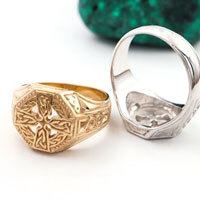
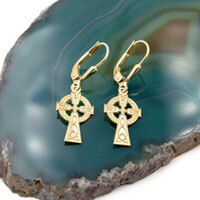
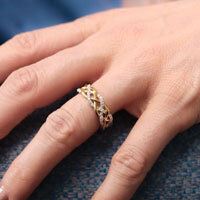
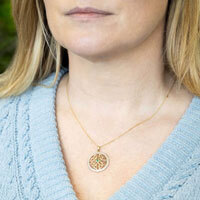
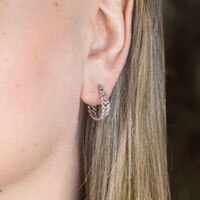
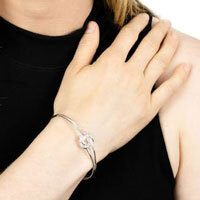
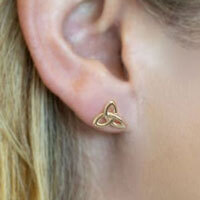
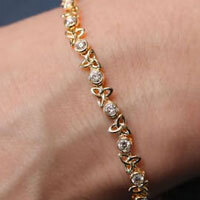
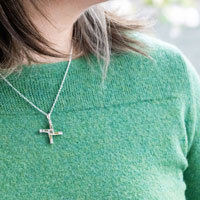
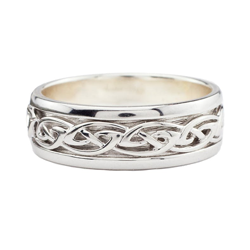
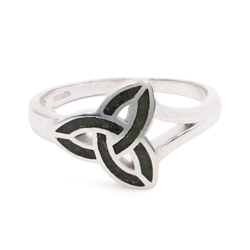
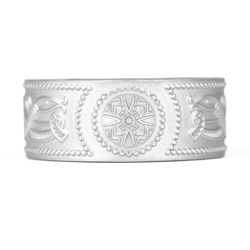
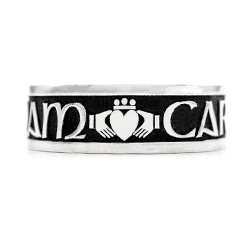
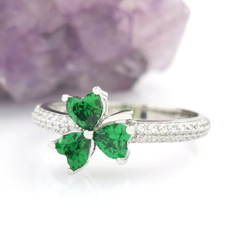
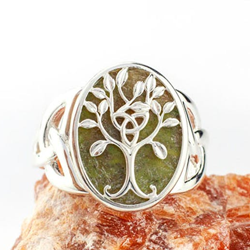
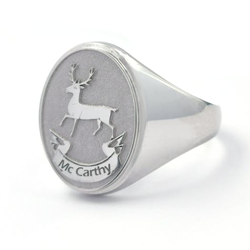
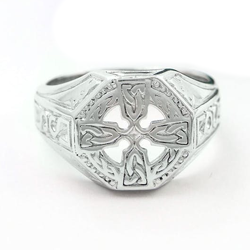
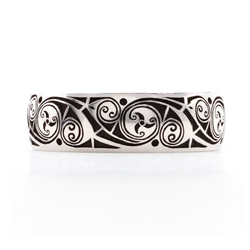
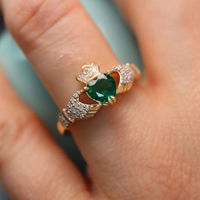
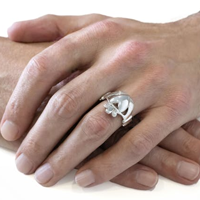
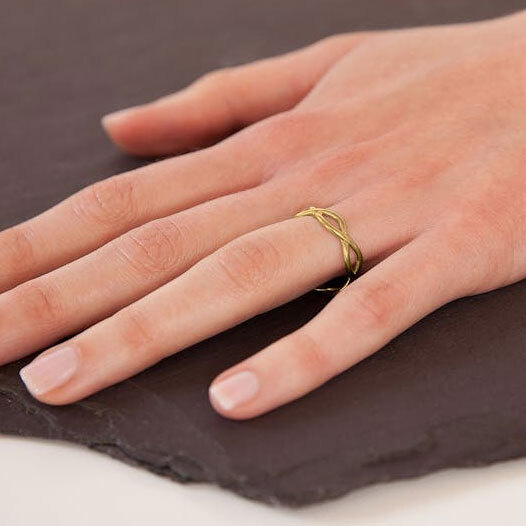
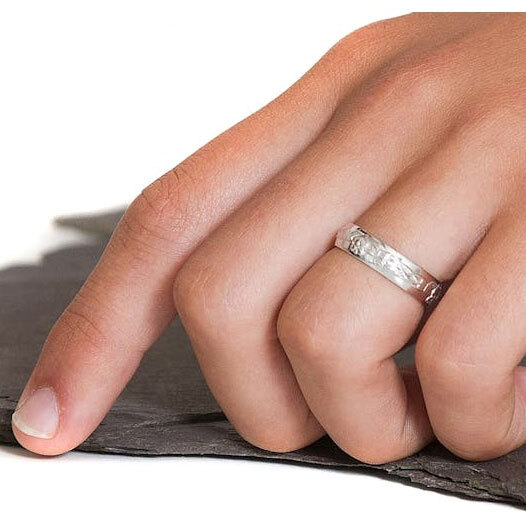
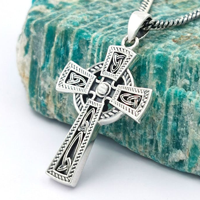
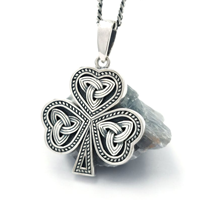
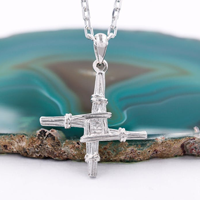
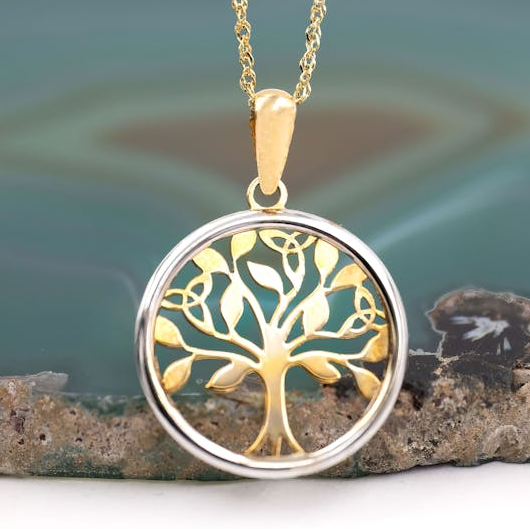
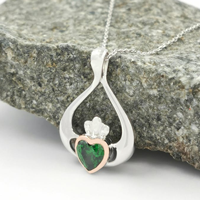
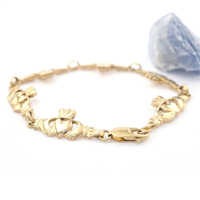
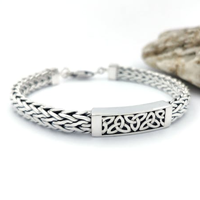
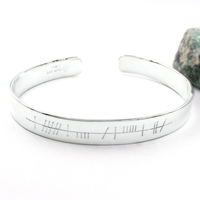
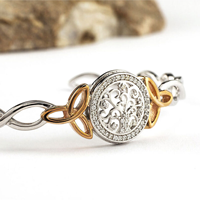
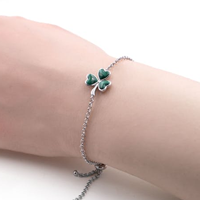
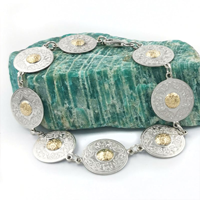
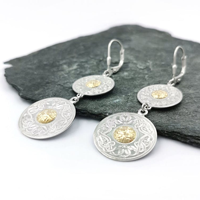
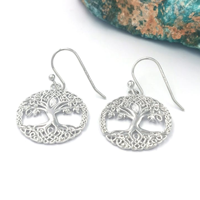
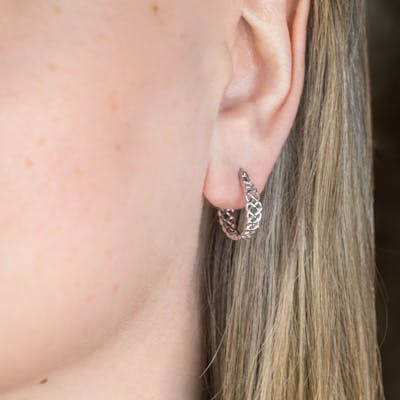
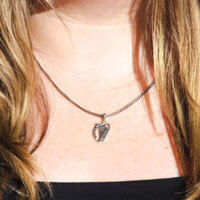
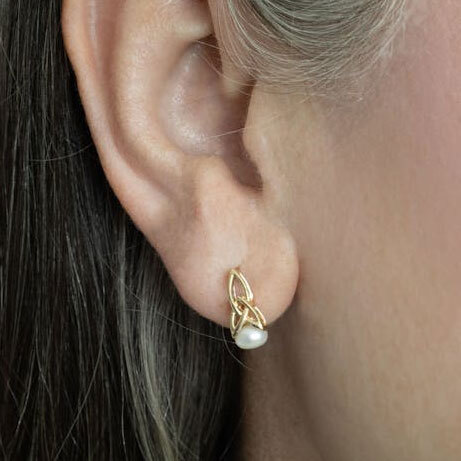
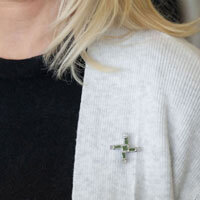
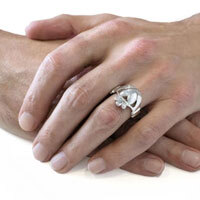
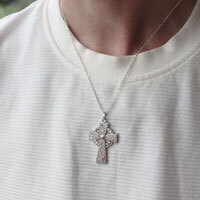
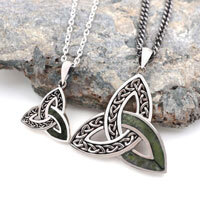
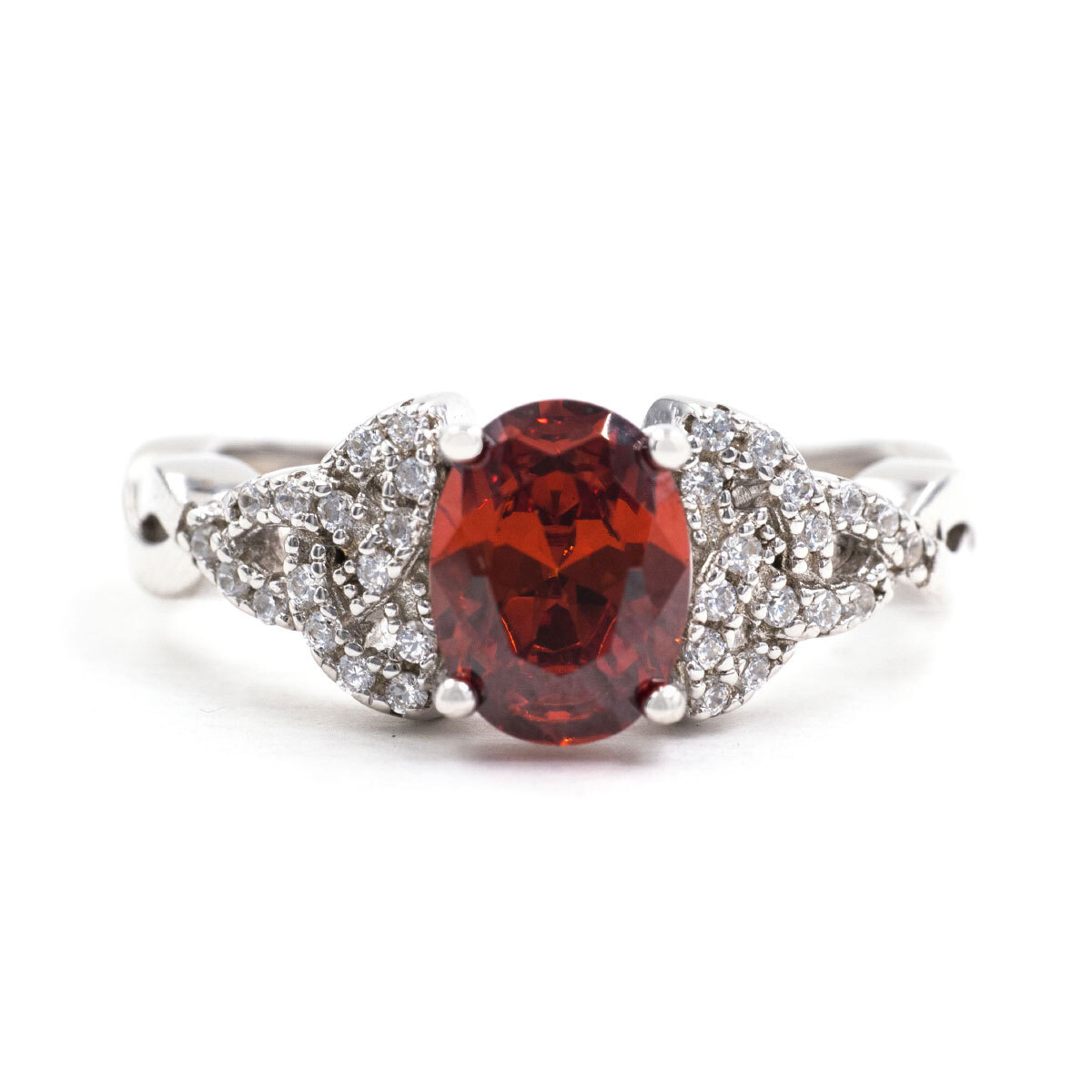
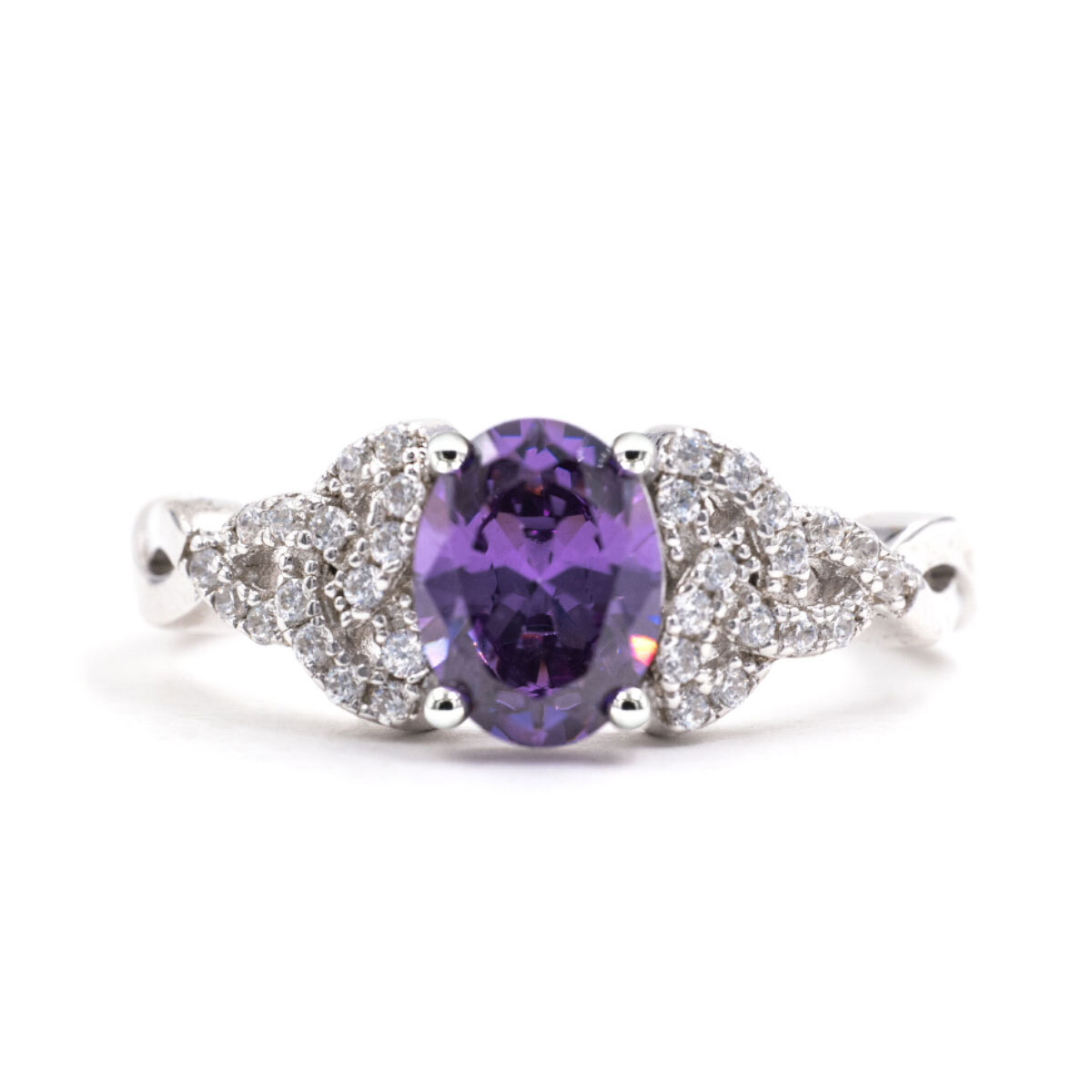
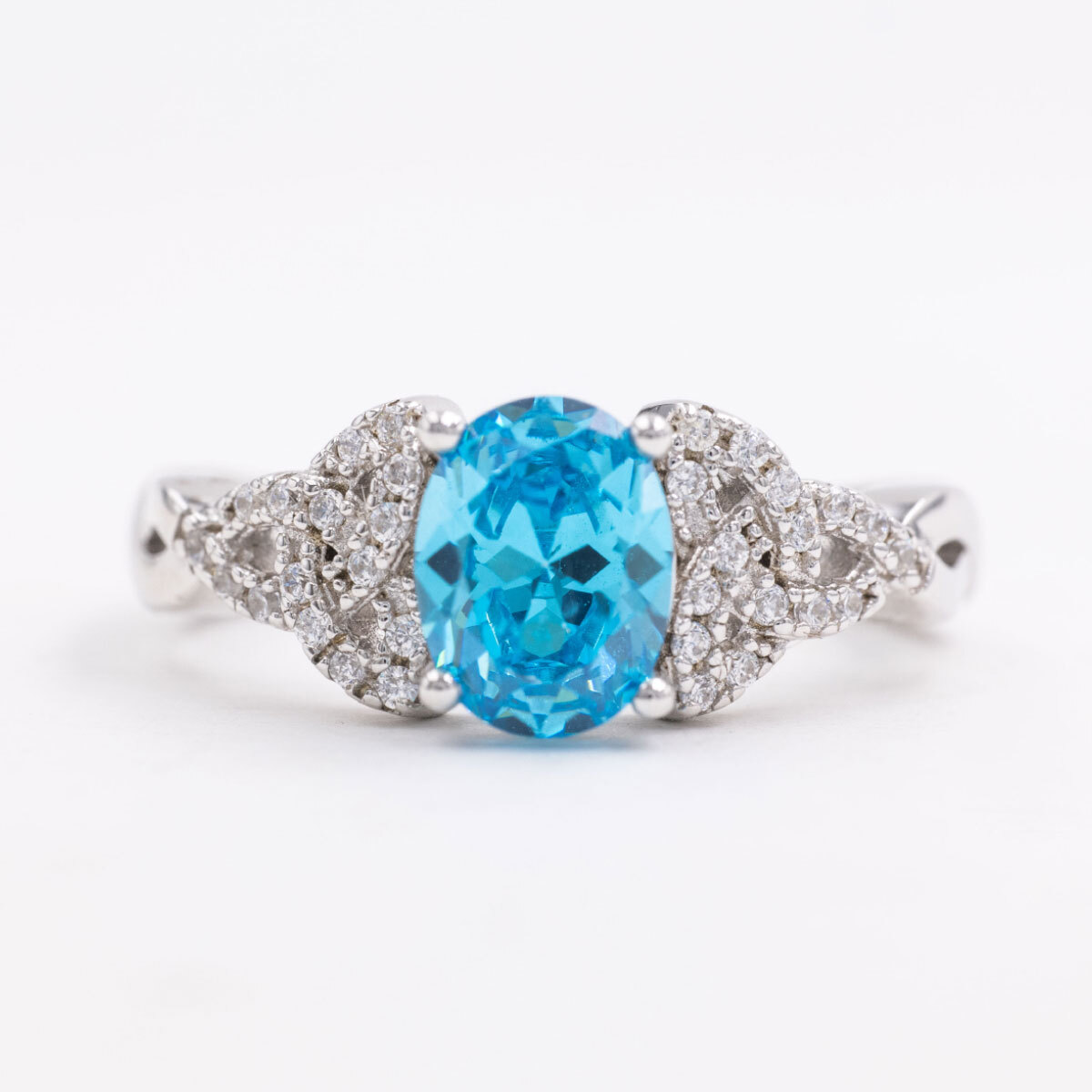
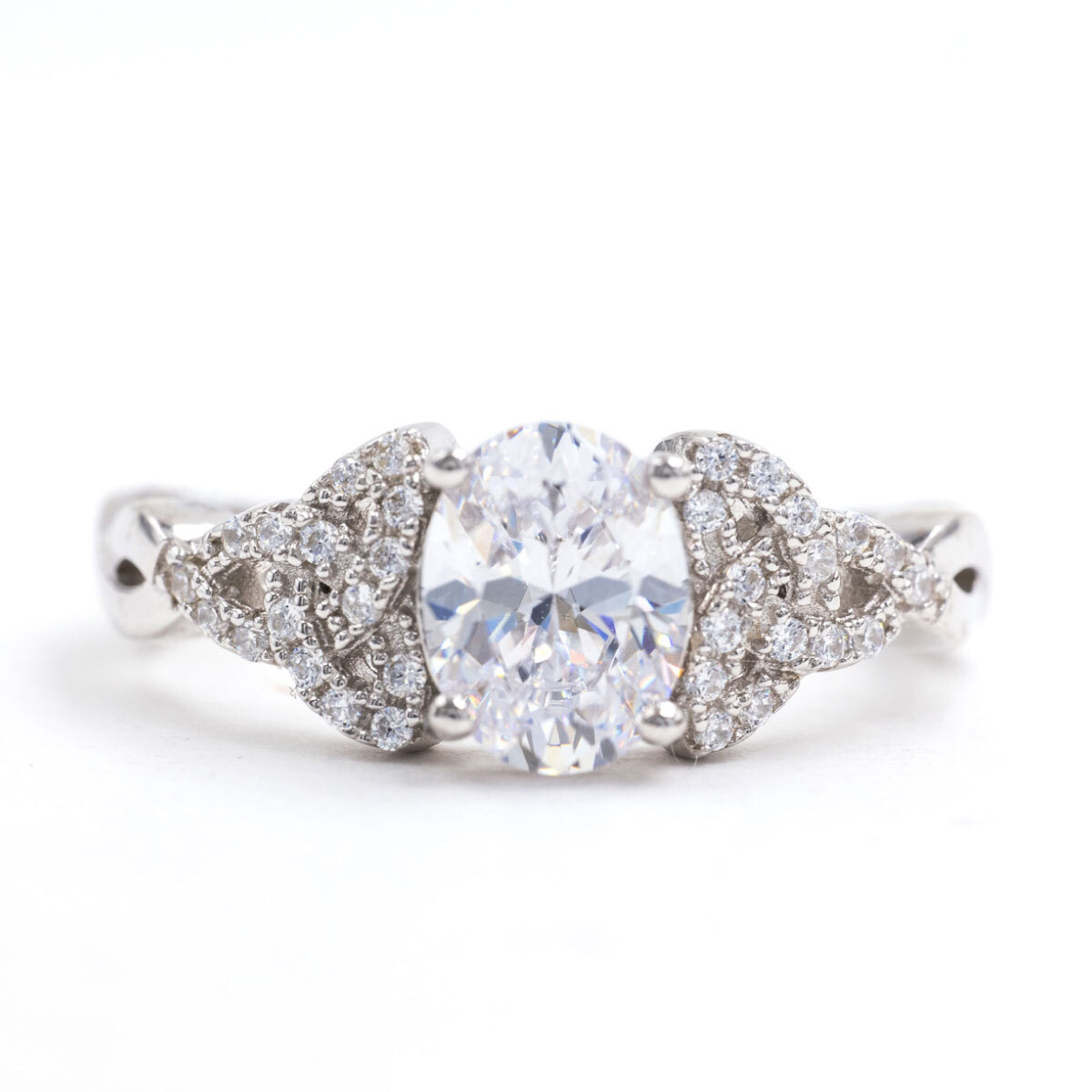
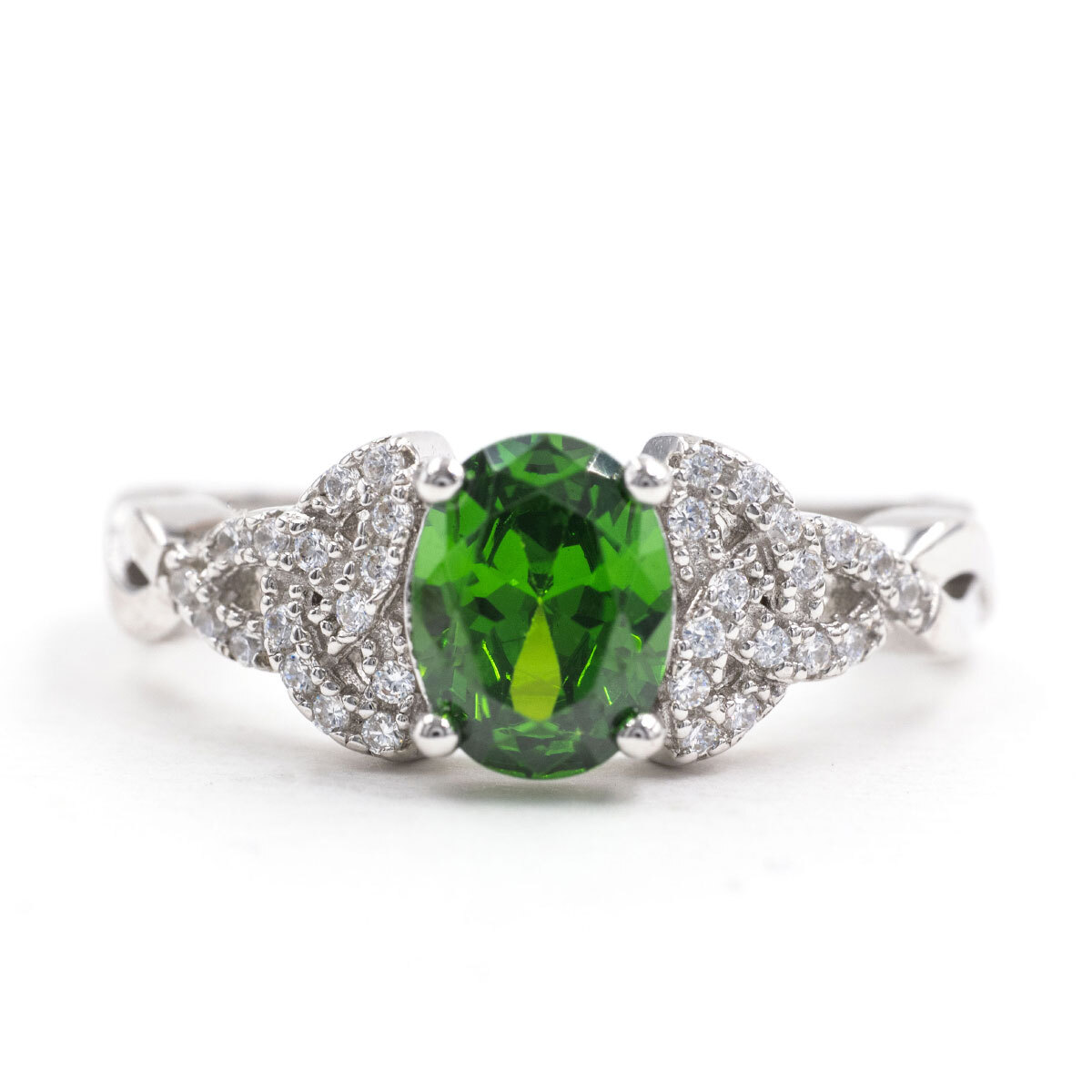
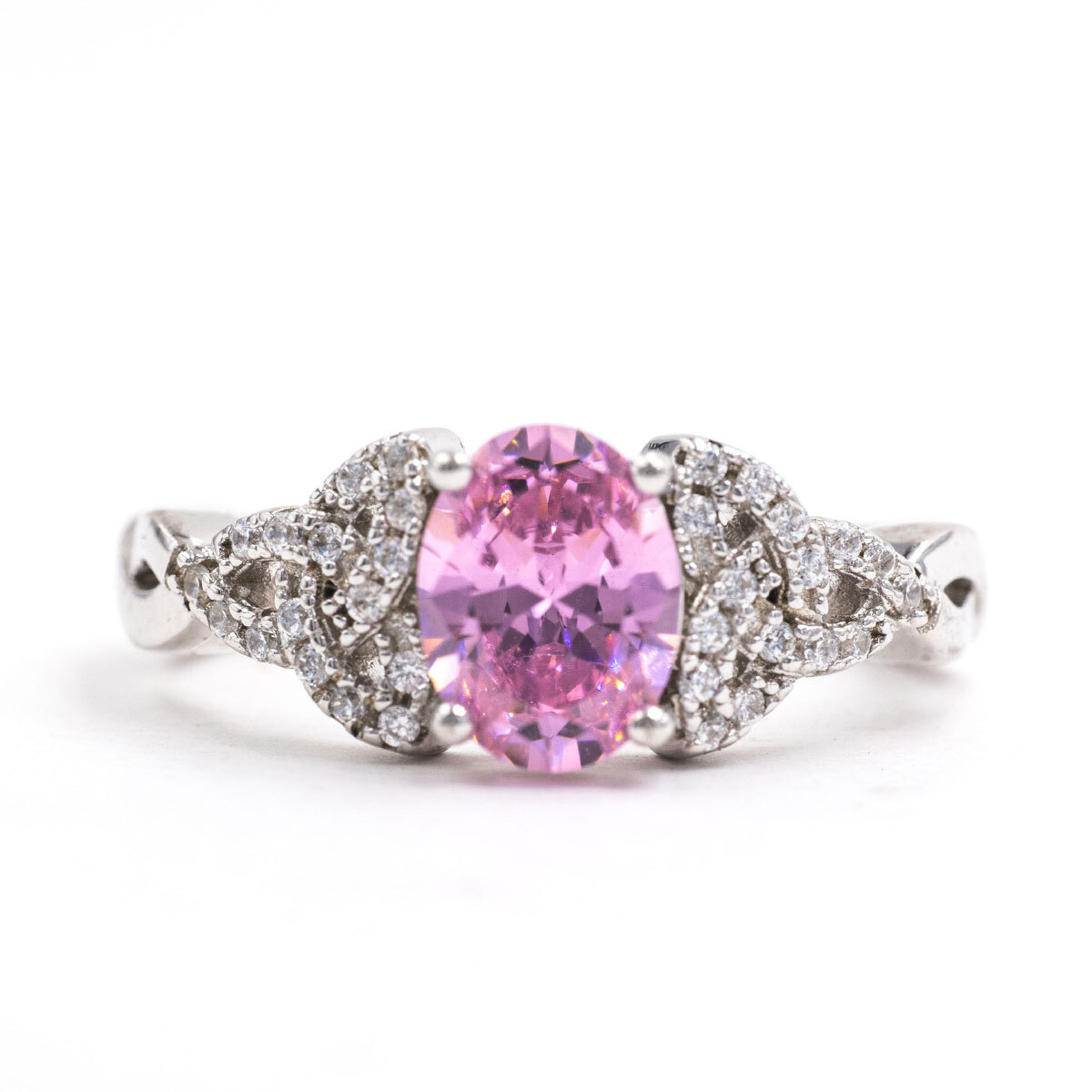
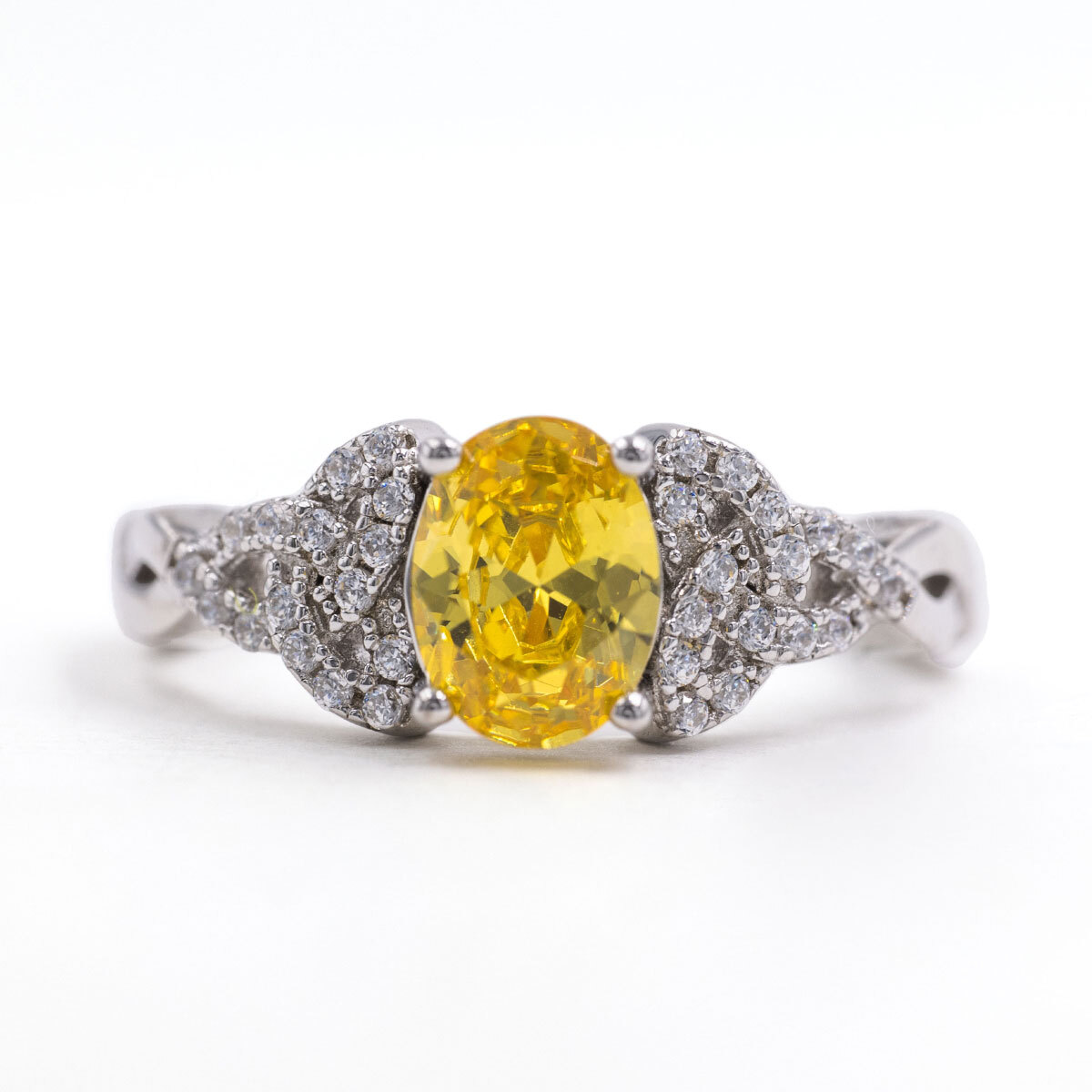
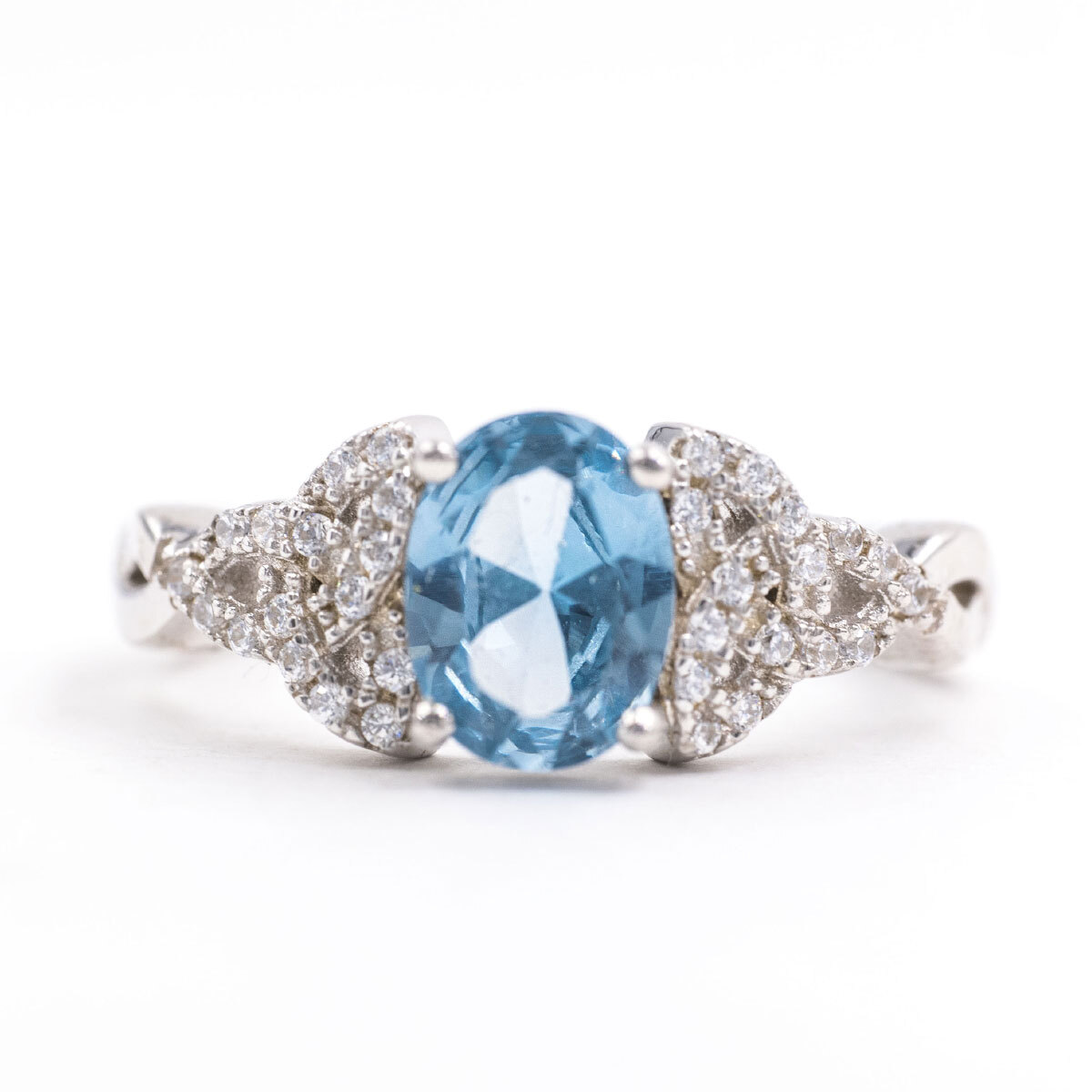
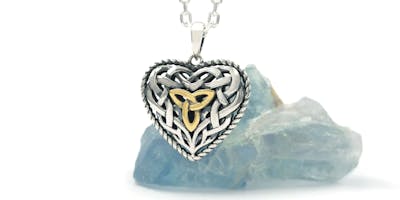
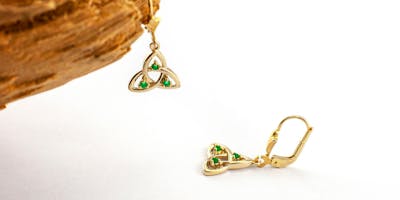
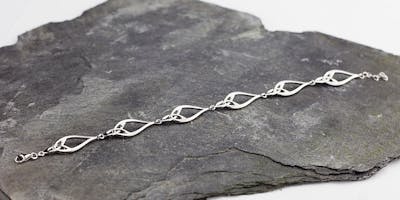
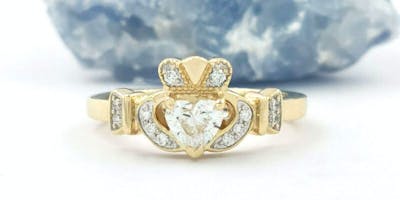
There are many choices for those who would like a piece of jewellery inspired by Ireland's history of spectacular Celtic art and our patrons, Patrick, Brigid, or yes, Columcille too! Stunning replica high stone crosses or Book of Kells pieces for Columcille, the lovely Brigid's cross, or a simple St. Patrick's Cross.
Jewellery inspired by Celtic art and the work of Ireland's Saints
Get In Touch
Have a question or something you're not entirely sure about when browsing our pieces? Please reach out. You can send us a note or give us a call—the Dublin workshop is here to make sure that you have a perfect experience from start to finish with My Irish Jeweler.
Follow us on Facebook and Instagram, to see what's new and upcoming. Join our Email list for early offers and special features.

Ciaran
My Irish Jeweler
Born in Co. Antrim and reared in Dublin, I was fascinated with Gaelic culture from an early age. I suppose it's not surprising given my mother inherited a grá for the Irish language from my grandfather, an Irish school headmaster. And that grá continues! My brother and sister are now Gaelic teachers here in Ireland, my niece is an award winning Irish dancer, and I proudly work to share Irish culture through our Irish and Celtic Jewelry at My Irish Jeweler!
I love researching and reading about the history of Irish design. It's at the core of what we do here at My Irish Jeweler. I find much of it so interesting that I have to share what I find. I hope you enjoy it!
Comments




 Ask Gemma