We’re counting down the days to March 17th with an offer and some fun facts for you every day until St. Patrick's Day. Check back in with us each day to see what’s up next!
What connects St. Patrick and the Shamrock?
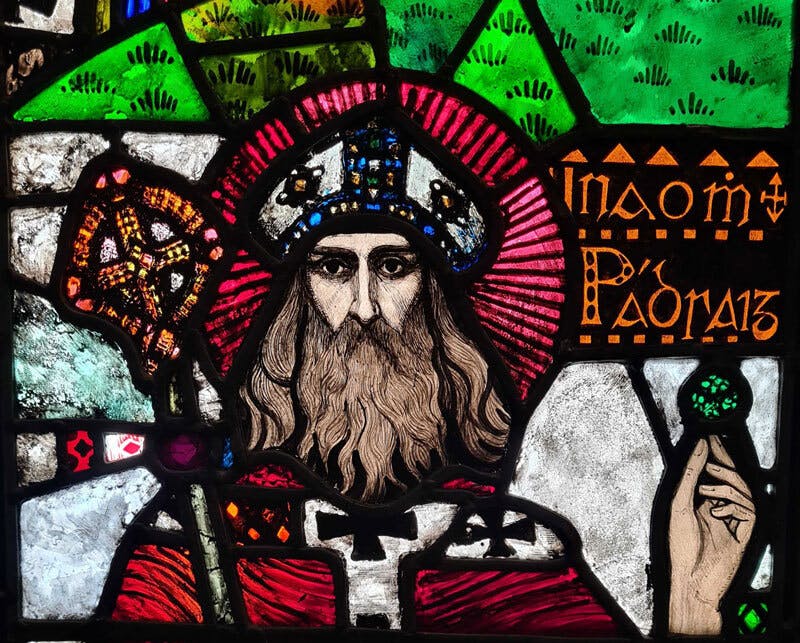
We are starting off with two of the symbols of the season: St. Patrick and his shamrock. St. Patrick is one of Ireland's three beloved patron saints and arguably the most famous ahead of Brigid and Colmcille. His feast day is a national holiday here in Ireland each March 17th and has grown to become a global celebration. But what does shamrock have to do with the saint?
Given that the time of St. Patrick was over 1500 years ago, most of what we have to go on here are old stories and associations!
The story every child in Ireland knows is that St Patrick, in looking to convert the ancient Irish to Christianity, noticed that the locals held a special reverence for nature and the number three. Shamrock, or “seamróg” which means “young clover” in Irish, is a perennial plant with three leaves which is native to Ireland and grows wild pretty much everywhere you look.
Spot the shamrock!
And so it's said that canny Patrick used this near omnipresent plant, the shamrock with its three leaves in one, to teach his would-be converts about the Holy Trinity. Merging Celtic symbolism with Christian meaning, the shamrock's three leaves represented the Father, the Son, and the Holy Spirit.
Just a story?
Now why Patrick would have needed to work hard to explain the Holy Trinity to his converts when tripartite goddesses like the Morrigan existed in Celtic Mythology does set the mind to wondering! Patrick himself never mentions his ingenious teaching tool in his own writings leading many to believe it is just a story, perhaps one dreamed up to incorporate pre-Christian traditions. But that is the origin story of St. Patrick and his shamrock, and it seems to have stuck!
A story of success
Perhaps it took firm root given St. Patrick was wildly successful in his goal, with Ireland eventually becoming a predominantly Christian country. There are historical records of the saint, his feast day, and the use of shamrock, that date back as far back as the 1500s.
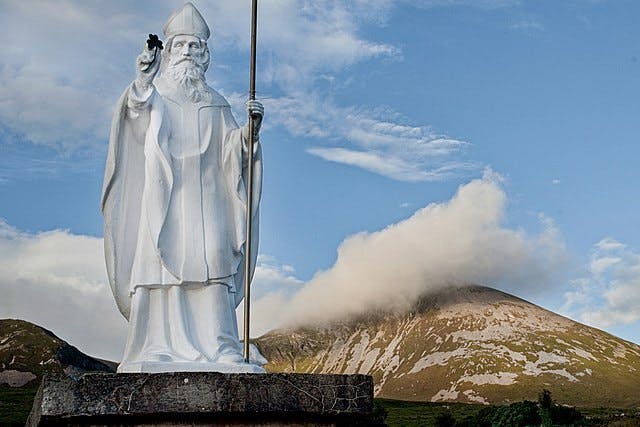
St. Patrick at the foot of Cruachán Aigle, the holy mountain near Westport in Co. Mayo now known as Croagh Patrick.
Photo Credit: Tom Szustek (CC BY-SA 4.0)
The shamrock appeared on Irish coins in 1675, with St Patrick's Coppers or half pennies. But it was 1681, when we get the first historical record of people wearing shamrock to celebrate Saint Patrick's Day, and it is not a very flattering one! At the time, the opinion was that only the vulgar wore the shamrock on St. Patrick’s Day!
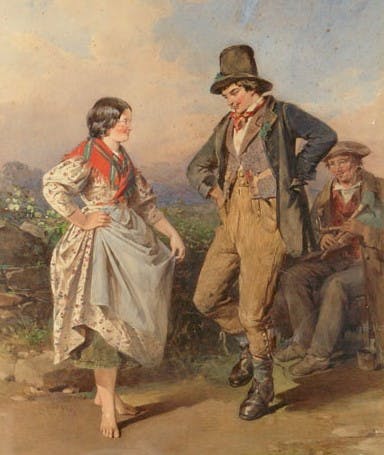
Some of the "vulgar" celebrants on March 17th - St Patrick's Day in the Evening by Henry Parsons Riviere.
Perhaps playing up to this view, shamrock was adopted as the emblem of the Irish Volunteers in the 1700s, building an association with not just the saint, but with rebellion too! This lead to Irish regiments in the British army being banned from wearing shamrock by the 1800s. However, Queen Victoria reinstated the “wearing of the green” by sporting a sprig herself on a visit to Dublin in 1900 to thank brave Irish soldiers who fought gallantly in the Boer war.
Photo Credit: Public Domain "Queen Victoria's Highland Home and Vicinity. Illustrations, etc". - The British Library, United Kingdom
The Shamrock is a global symbol of Ireland
Today, many Irish people, including Ireland’s Taoiseach and President, wear shamrock on St. Patrick’s Day, and the symbol has grown to eclipse the saint and his celebration. The shamrock is the logo for Irish tourism, flies on the tail fin of Ireland’s national airline, is included for luck in the bouquets and boutonnieres of Irish brides and grooms, and is emblazoned on the badge of Irish sports teams.
Indeed, today it is worn worldwide by millions of people that proudly cherish Irish culture and heritage.
According to Charles Nelson, one of Ireland’s leading botanists, “Shamrock exists only on St. Patrick’s Day. Every other day...it’s known as young clover.”
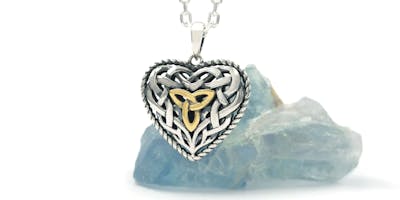
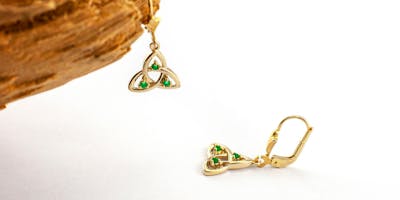
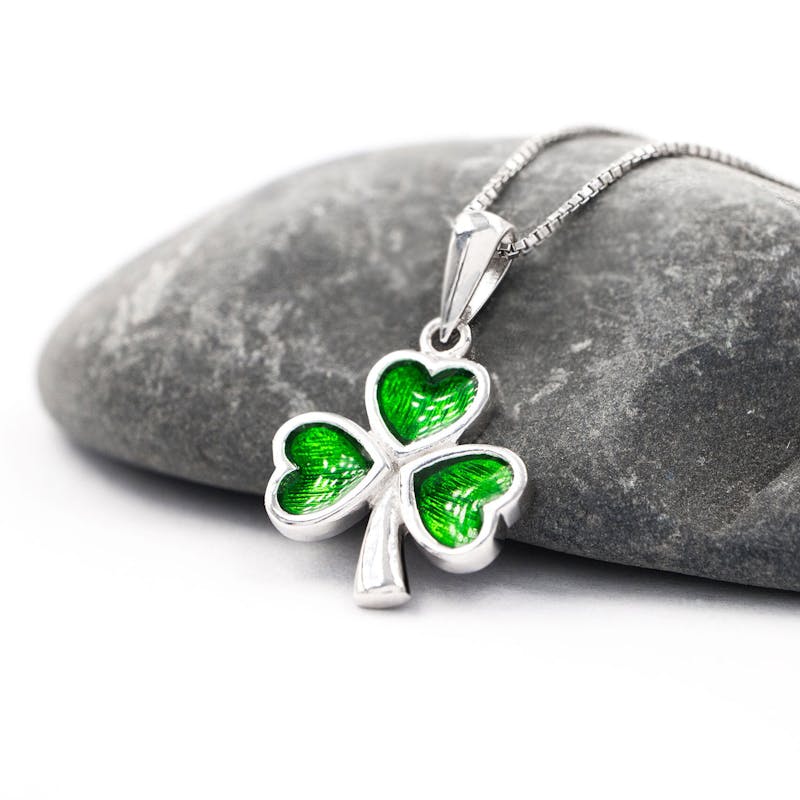
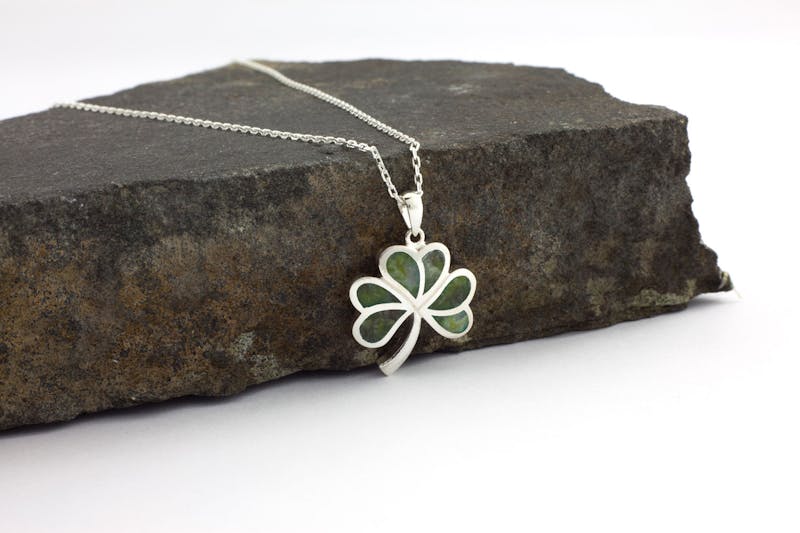
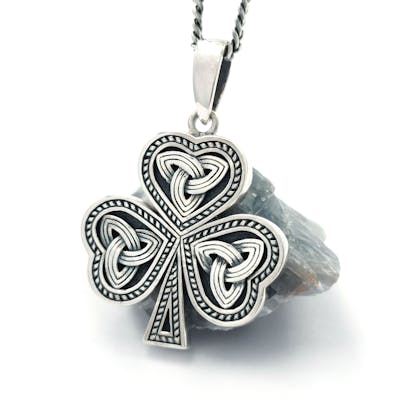
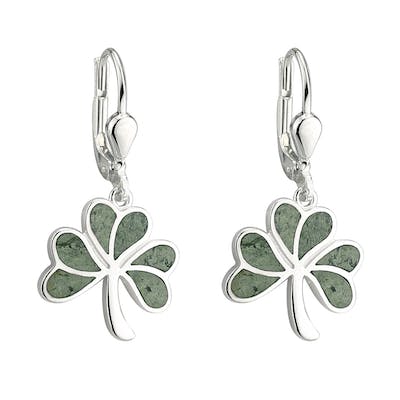
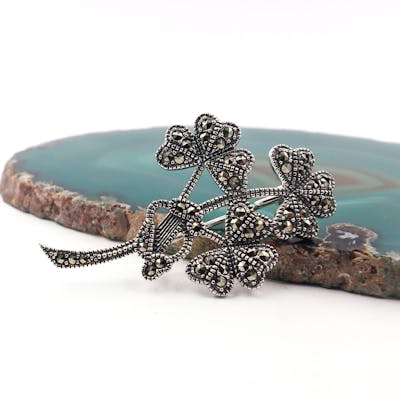
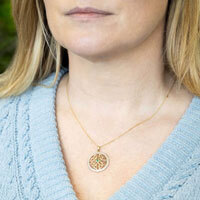
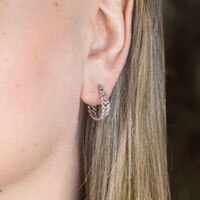
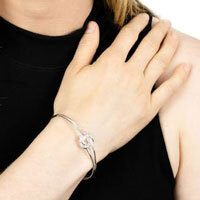
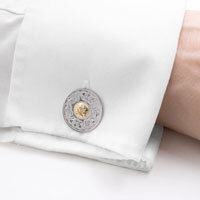
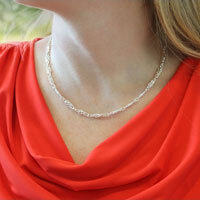
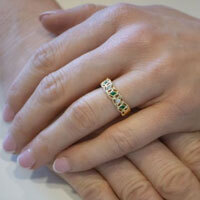
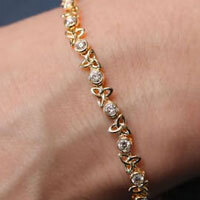
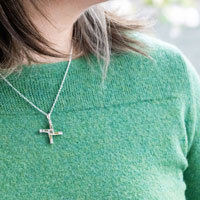
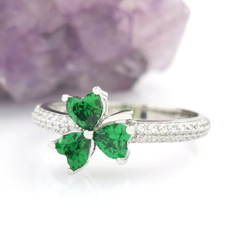
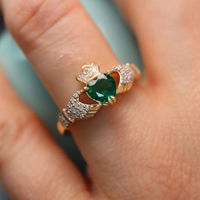
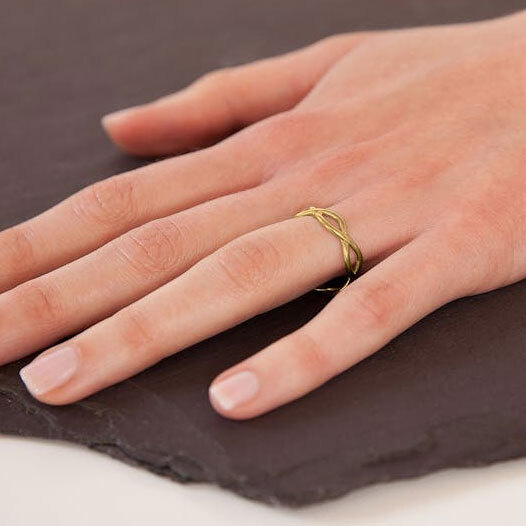
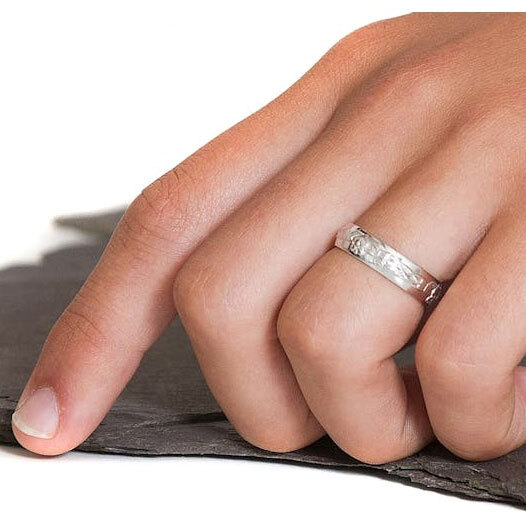
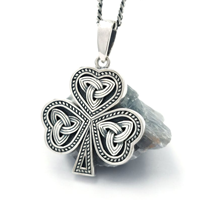
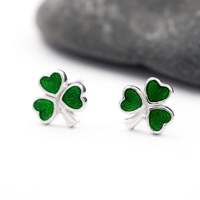
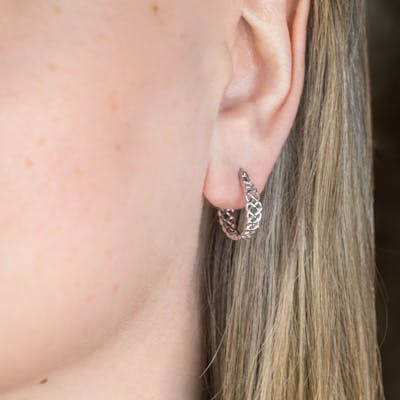
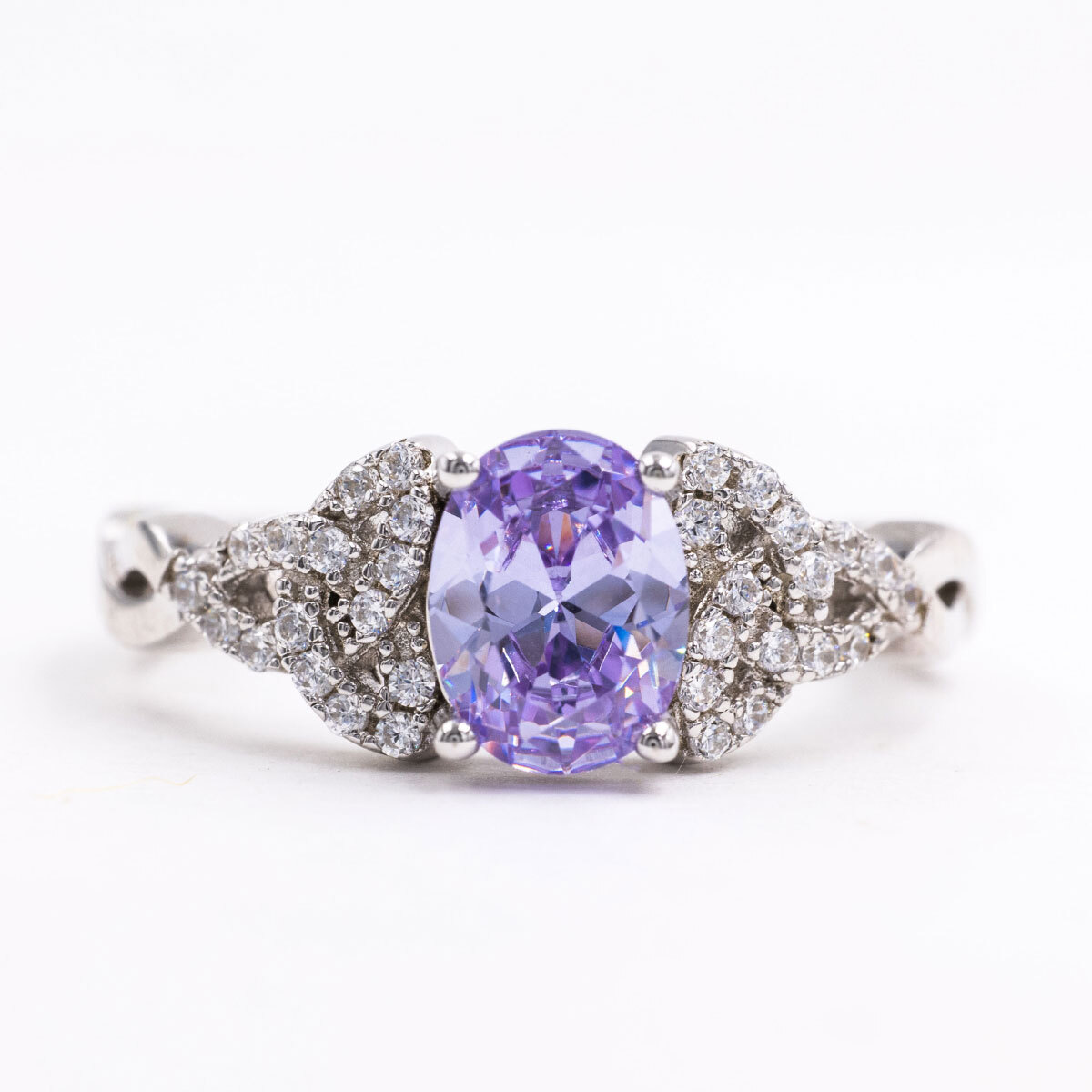
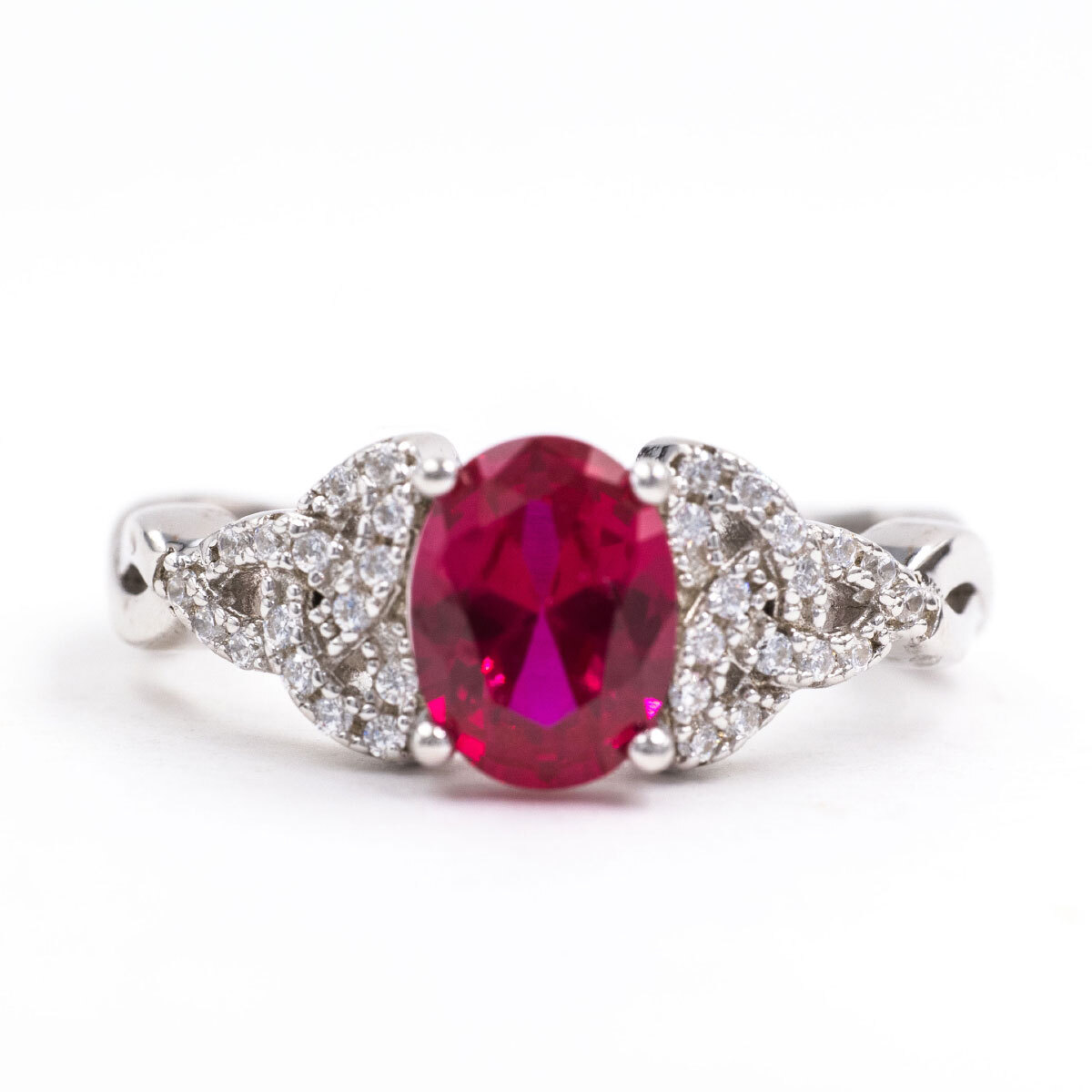
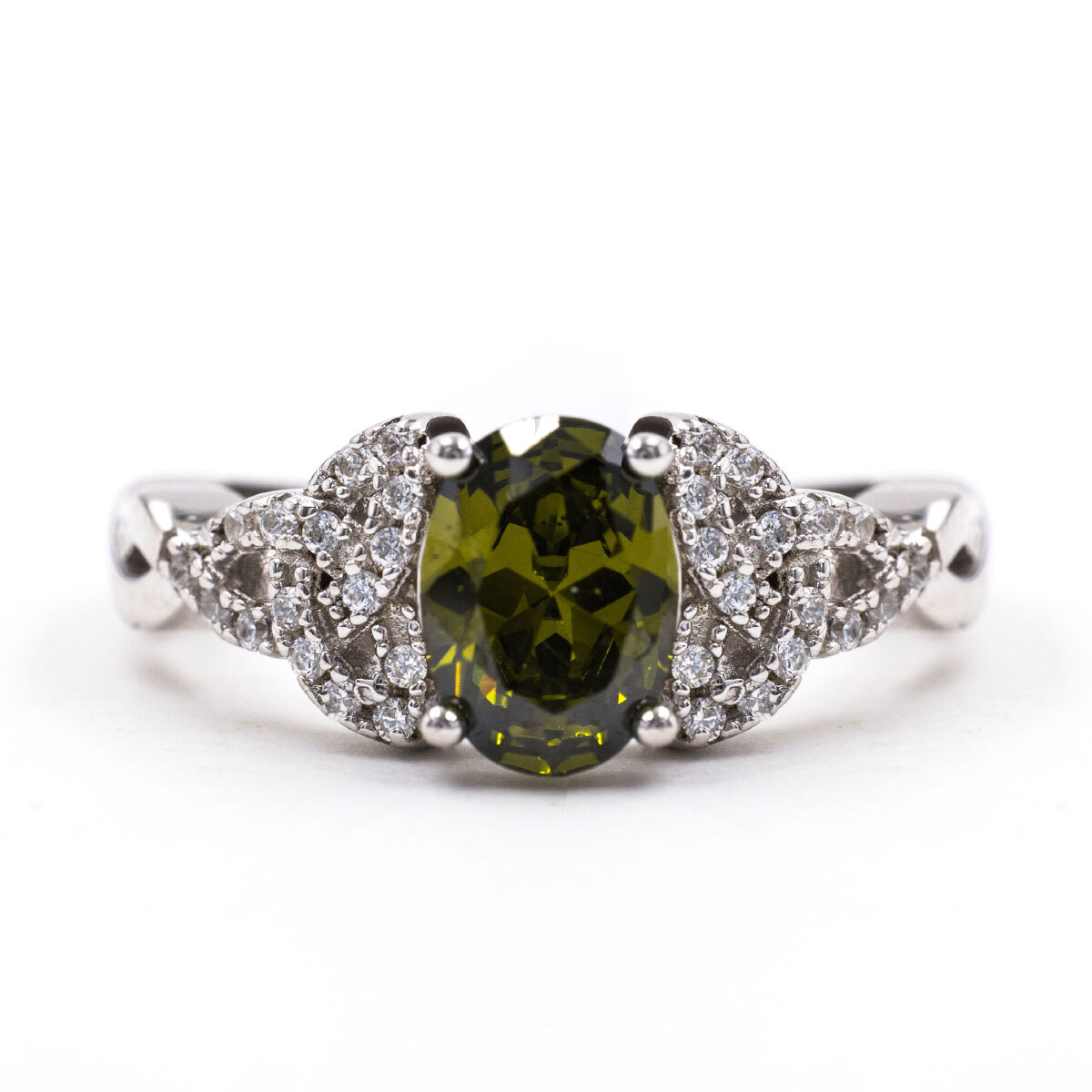
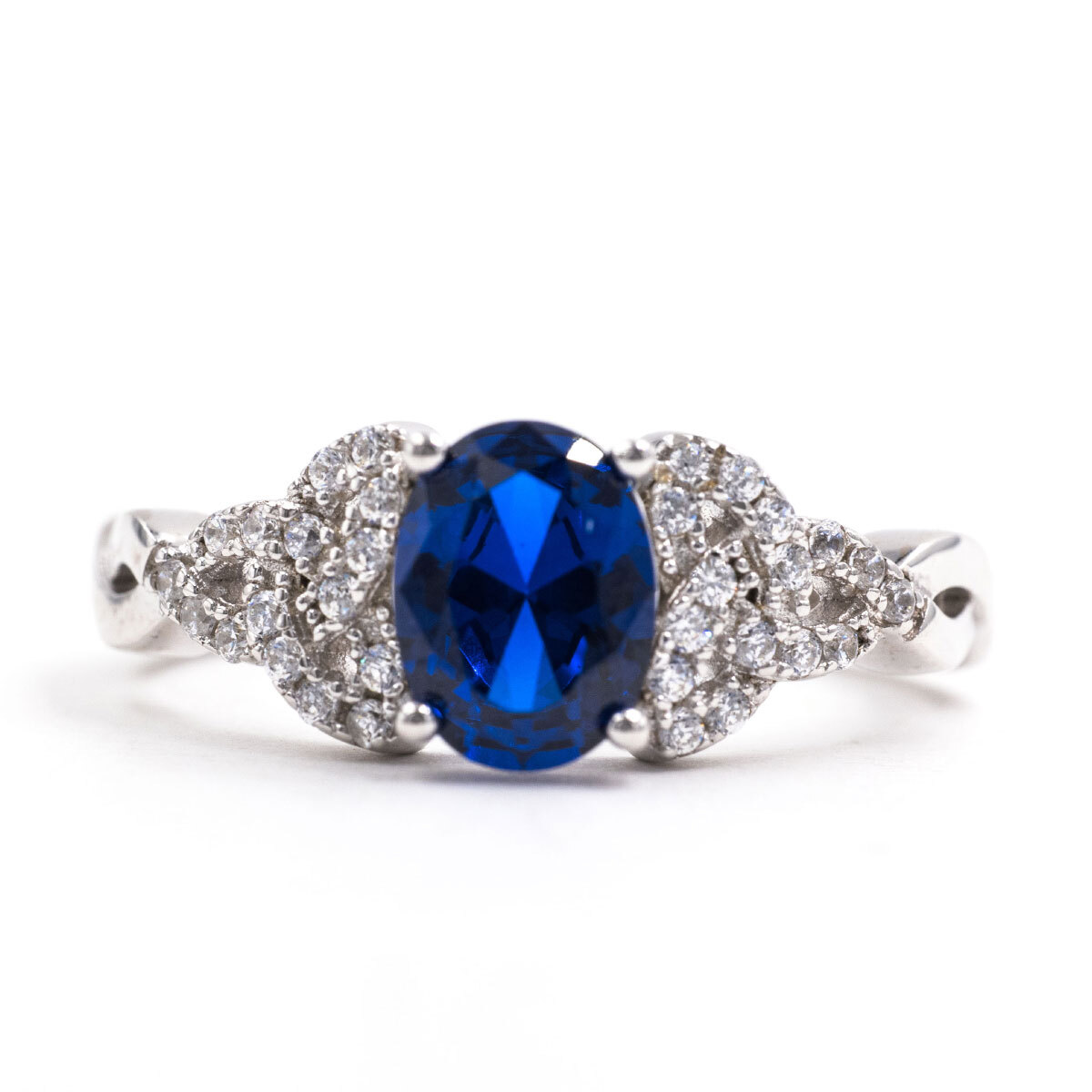
Our lovely Shamrock jewellery designs defy Mr. Nelson and preserve the delicate beauty of this three-leafed symbol of Ireland in silver and gold, with carefully crafted pieces to be cherished year round. Whether you prefer to wear your shamrock as a pendant, bracelet, earrings, or ring, we have a piece to suit.
Join a growing community of people worldwide who enjoy Irish culture, design and craft.
Get In Touch
Have a question or something you're not entirely sure about when browsing our pieces? Please reach out. You can send us a note or give us a call—the Dublin workshop is here to make sure that you have a perfect experience from start to finish with My Irish Jeweler.
Born in Co. Antrim and reared in Dublin, I was fascinated with Gaelic culture from an early age. I suppose it's not surprising given my mother inherited a grá for the Irish language from my grandfather, an Irish school headmaster. And that grá continues! My brother and sister are now Gaelic teachers here in Ireland, my niece is an award winning Irish dancer, and I proudly work to share Irish culture through our Irish and Celtic Jewelry at My Irish Jeweler!
I love researching and reading about the history of Irish design. It's at the core of what we do here at My Irish Jeweler. I find much of it so interesting that I have to share what I find. I hope you enjoy it!
Comments
Suzanne Nakashian
My gold Irish 4 leaf clover charm I wore on my necklace, broke. Do you sell them at your store? I prefer getting it directly from Ireland. Thank you!
Hi Suzanne, sorry to hear about your necklace breaking. That is very upsetting. We unfortunately don't sell any 4 leaf clover designs here at My Irish Jeweler. But we do have plenty of gold shamrocks to choose from if that is any use to you? Please drop us an email or give us a call if you would like any help with finding what you need. All the best from Dublin!










 Ask Gemma












My gold Irish 4 leaf clover charm I wore on my necklace, broke. Do you sell them at your store? I prefer getting it directly from Ireland. Thank you!