



The Equinox in Ireland: An ancient celebration of the light
Written by Ciaran on Mar 18, 2026 | 0 Comments
“There's a grand stretch” is a phrase you hear quite a bit around Ireland at this time of year. With daylight hours increasing from the lowest level at the winter solstice, everyone is ready for spring to really set in, and ideally, to see sunlight again!

Newgrange in Co Meath, built over 5000 years ago in alignment with the rising sun on the winter solstice.
March Equinox
It's the March equinox that marks the real shift in the light in Ireland and across the Northern Hemisphere, with more hours of daylight than darkness once it has passed. Read on to find out how the March equinox has been marked here in Ireland for many thousands of years.
An Ancient Obsession
The Irish obsession with daylight is certainly not new. The equinox, or Cónocht an Earraigh in Irish, where có means equal and nocht means night, has held a special place in Ireland for thousands of years. Cairn T at Loughcrew in Co. Meath is an amazing structure that was built over 5000 years ago, many believe before the more famous Newgrange, in precise alignment with the rising sun on the equinox.
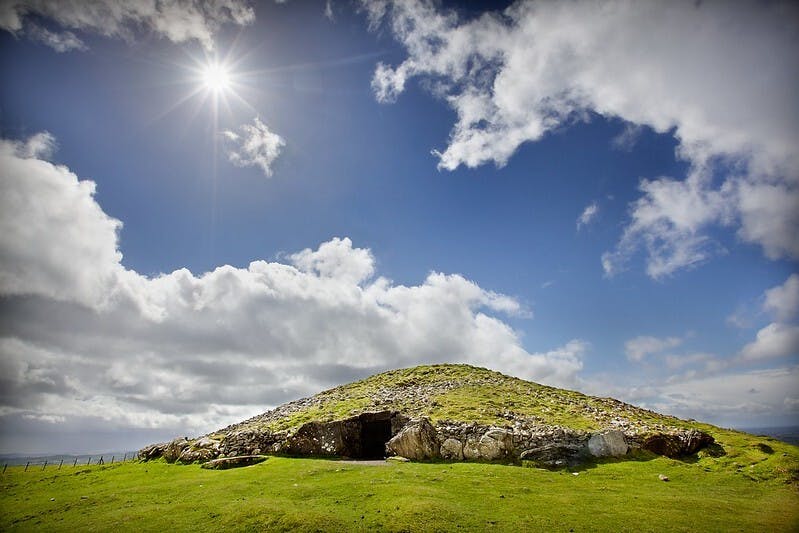
Cairn T at Loughcrew is roughly 35 m in diameter and stands impressively on top of a large hill in Co, Meath.
Photo Credit: Michael Foley (CC BY-NC-ND 2.0)
Goodbye to the Winter Witch
A "cairn" is a mound of rough stones, typically found on hilltops, thought to be built as monuments or tombs. At Loughcrew, there are over 20 of these structures of varying sizes with the most impressive, Cairn T, also known as the Hag's Cairn.
This structure got it's rather unusual kickname from a local legend. The story goes that the "winter witch" or "cailleach" was trying to complete a magical challenge, hopping from hill to hill with an apron full of stones. On the last of her ambitous leaps, the witch slipped, dropping her stones and forming Cairn T. The unfortunate winter witch died in the accident, falling to her final resting place on a nearby hill.
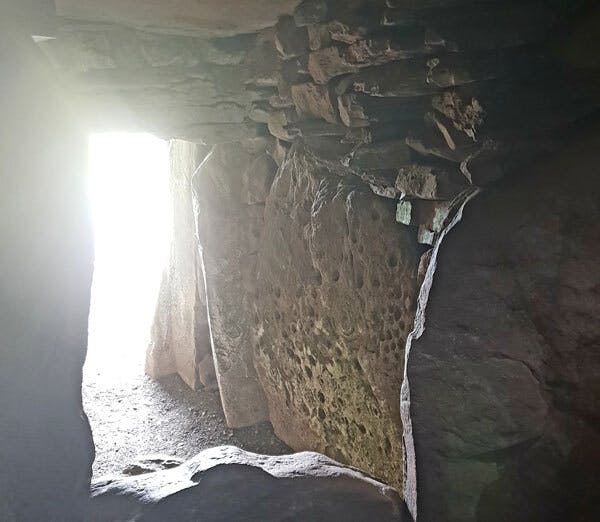
Inside the chamber at Cairn T.
Photo Credit: J. Chadwick
This funny bit of folklore was a colorful way of explaining the unusual landscape with hilltops dotted with stones for our ancestors, and ties it neatly to the winter "dying" at the equinox, the turning point where the hours of darkness and light are equally balanced before the longer days take over.
We now know that this Cairn complex is over 5000 years old, and people have gathered here over the millennia to mark the equinox, when the rising sun illuminates the intricately carved stones inside the back chamber of Cairn T for close to an hour.
So like Newgrange, this enigmatic monument works a bit like an ancient astronomic clock, marking the point when there is a shift in the balance between light and dark each year.
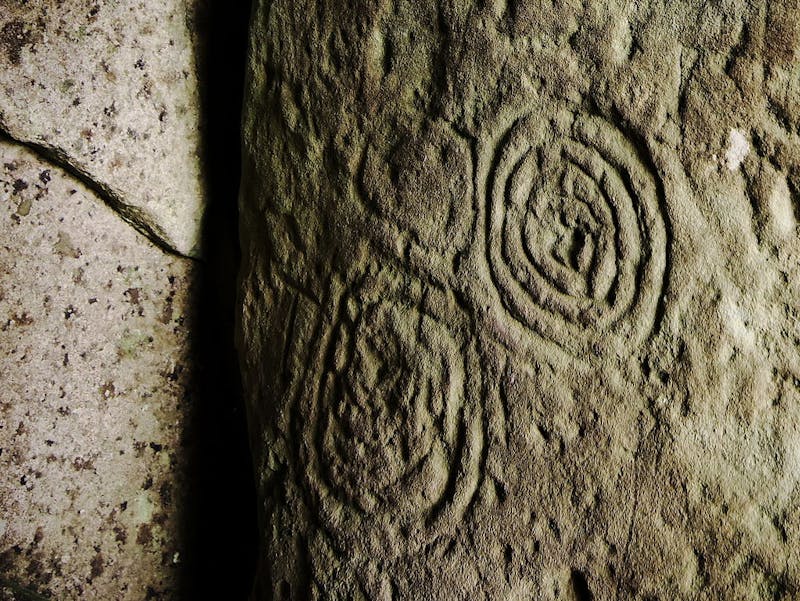
Photo Credit: Rob Hurson (CC BY-SA 4.0)
It is easy to imagine ancient people being reassured to see this return of the light each spring and all that it entails. Even today it lifts the spirits to see lighter mornings and evenings too!
Equinox today
Ireland springs into life in late March each year with celebrations aplenty with the St. Patrick's Day. festival the biggest of the lot these days! Like many ancient rites in Ireland, traditions seem to have a way of evolving to fit changing times.
Combining traditional music, arts, and sports, Ireland's spring festivals span interests as varied from surfing to storytelling and offer a unique blend of past traditions and modern treats, all brimming the springtime energy of renewal.

Many of the floats and costumes in St. Patrick's Day parade understandably reference the sun.
Photo Credit: Miguel Mendez (CC BY 2.0)
Welcome Back the Light
Irish folklore marks the start of spring at Imbolc, making the Equinox mid-spring, and a time for cleansing, creativity, and celebration. Many instinctively welcome back the light with a good spring-clean, a spot of gardening, or spending more time outdoors.

Photo Credit: Bart Busschots (CC BY-NC-ND 2.0)
Those the prefer to avoid the crowds at the parades might head to Irish woodlands or parks if there's a sunny day to take in the blooming flowers and birdsong - a fitting way to connect with nature and the spirit of the equinox.
Inspiring design
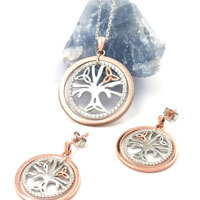
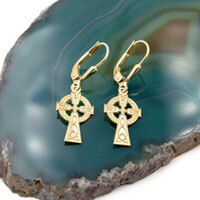
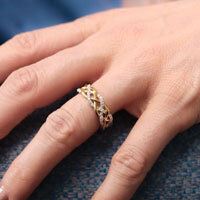
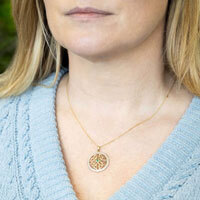
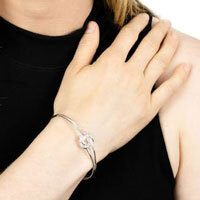
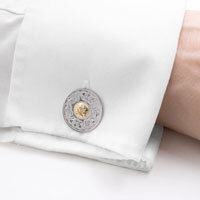
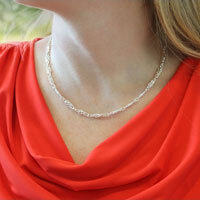
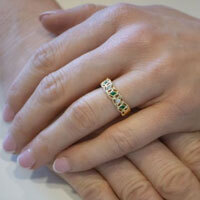
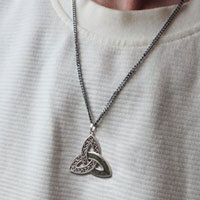
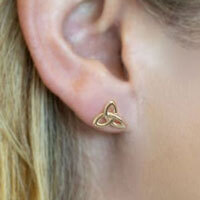
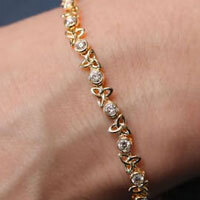
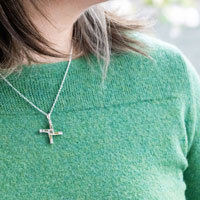
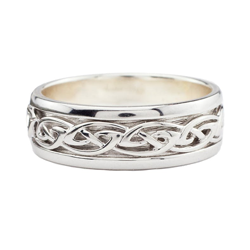
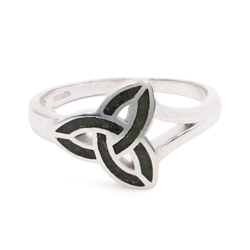
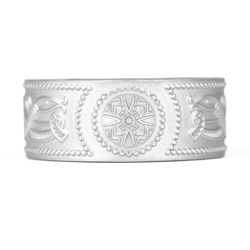
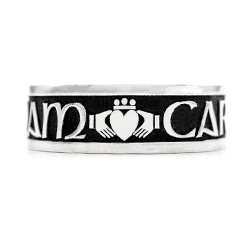
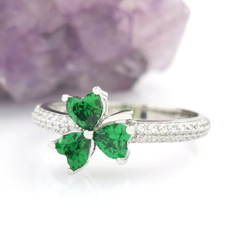
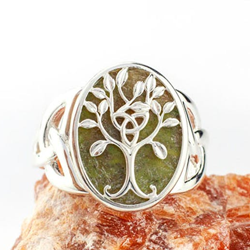
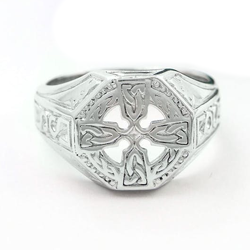
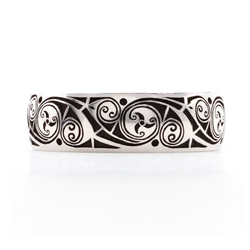
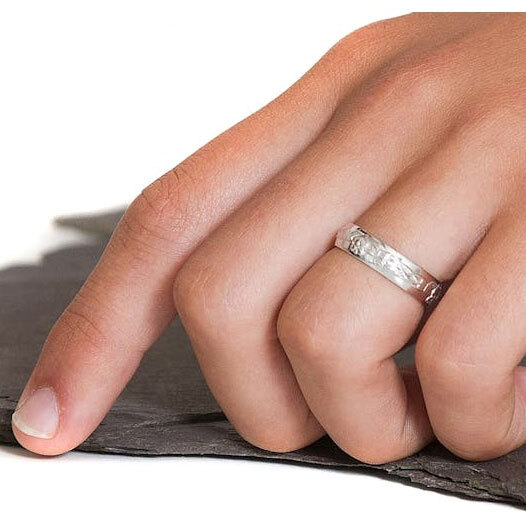
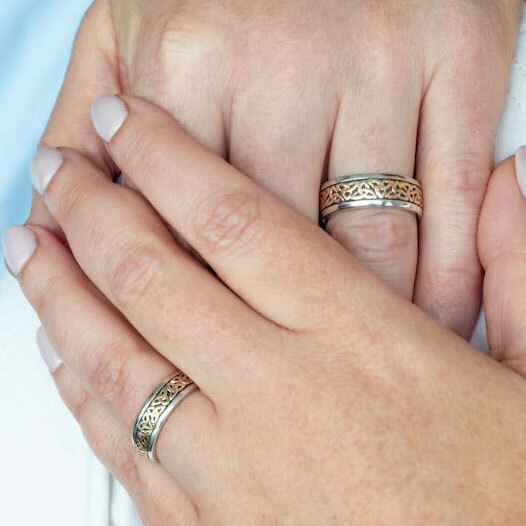
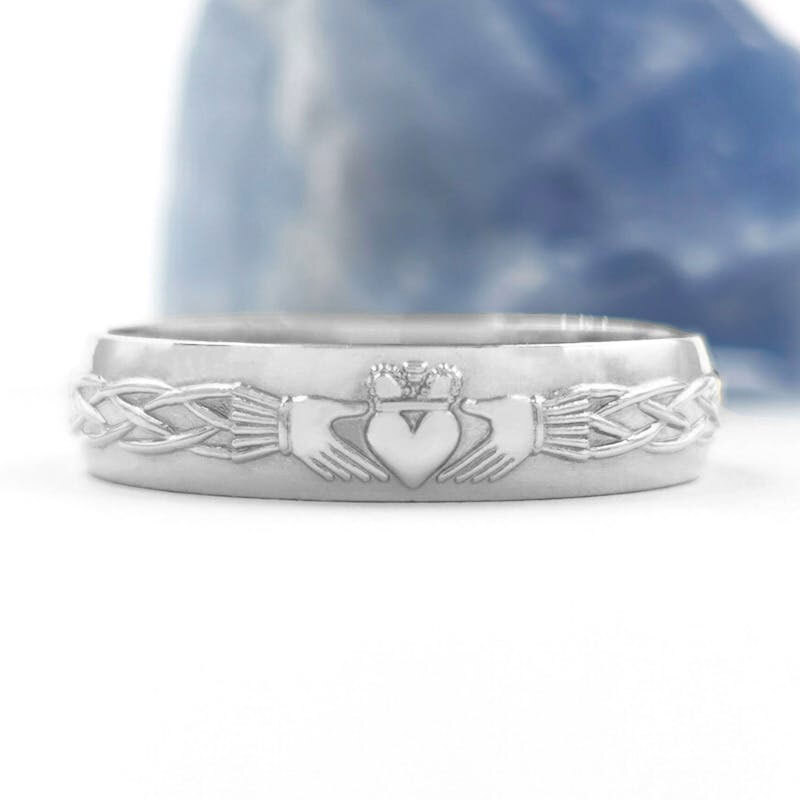
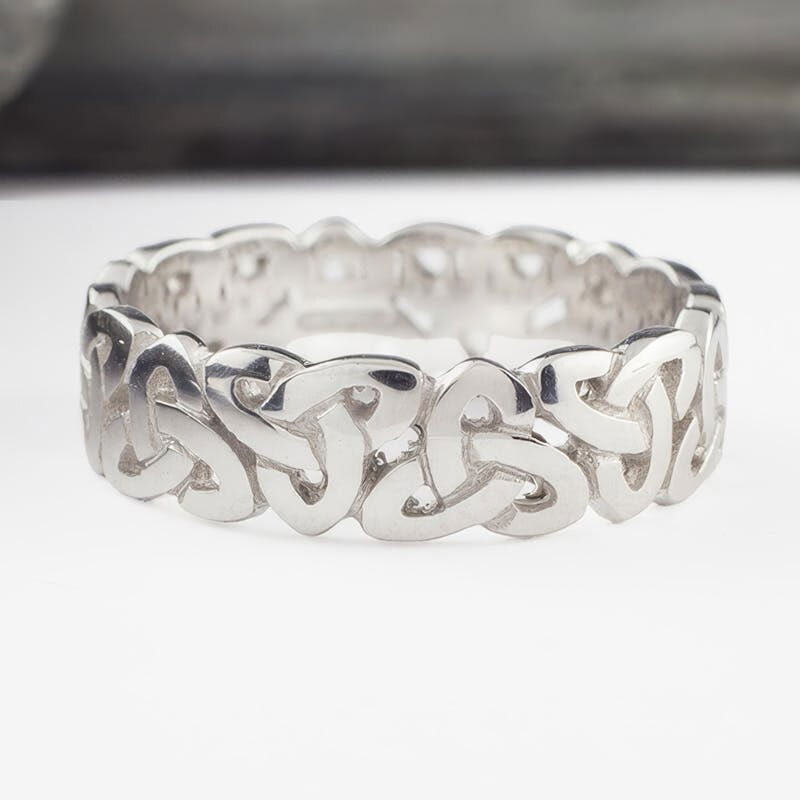
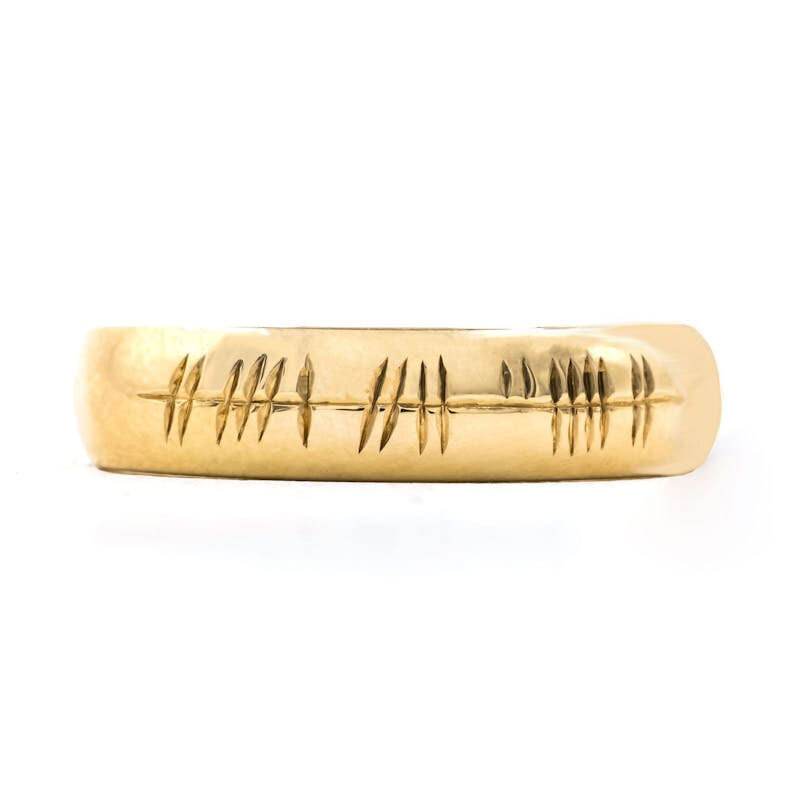
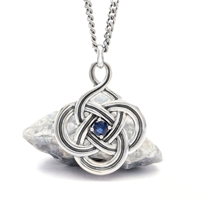
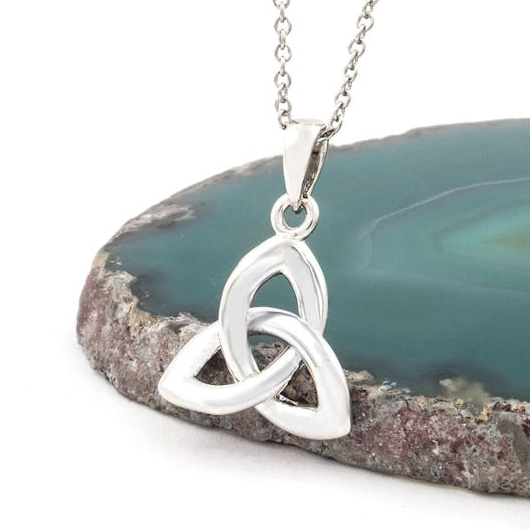
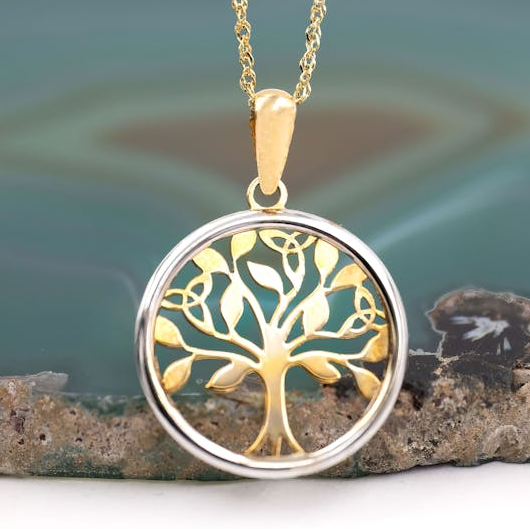
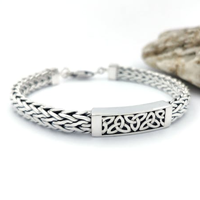
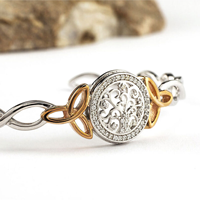
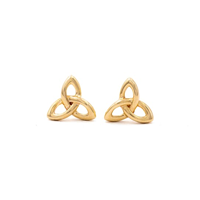
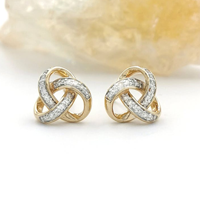
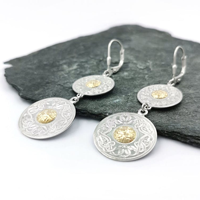
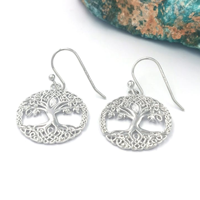
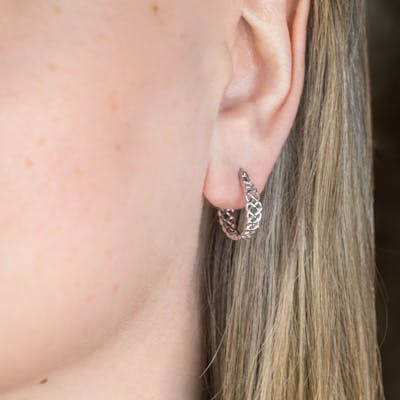
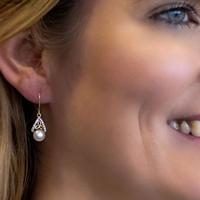
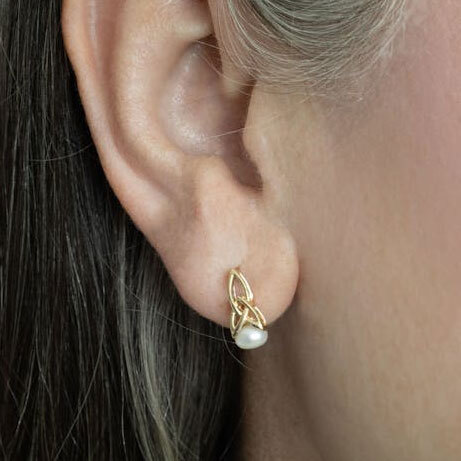
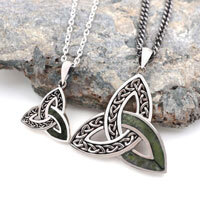
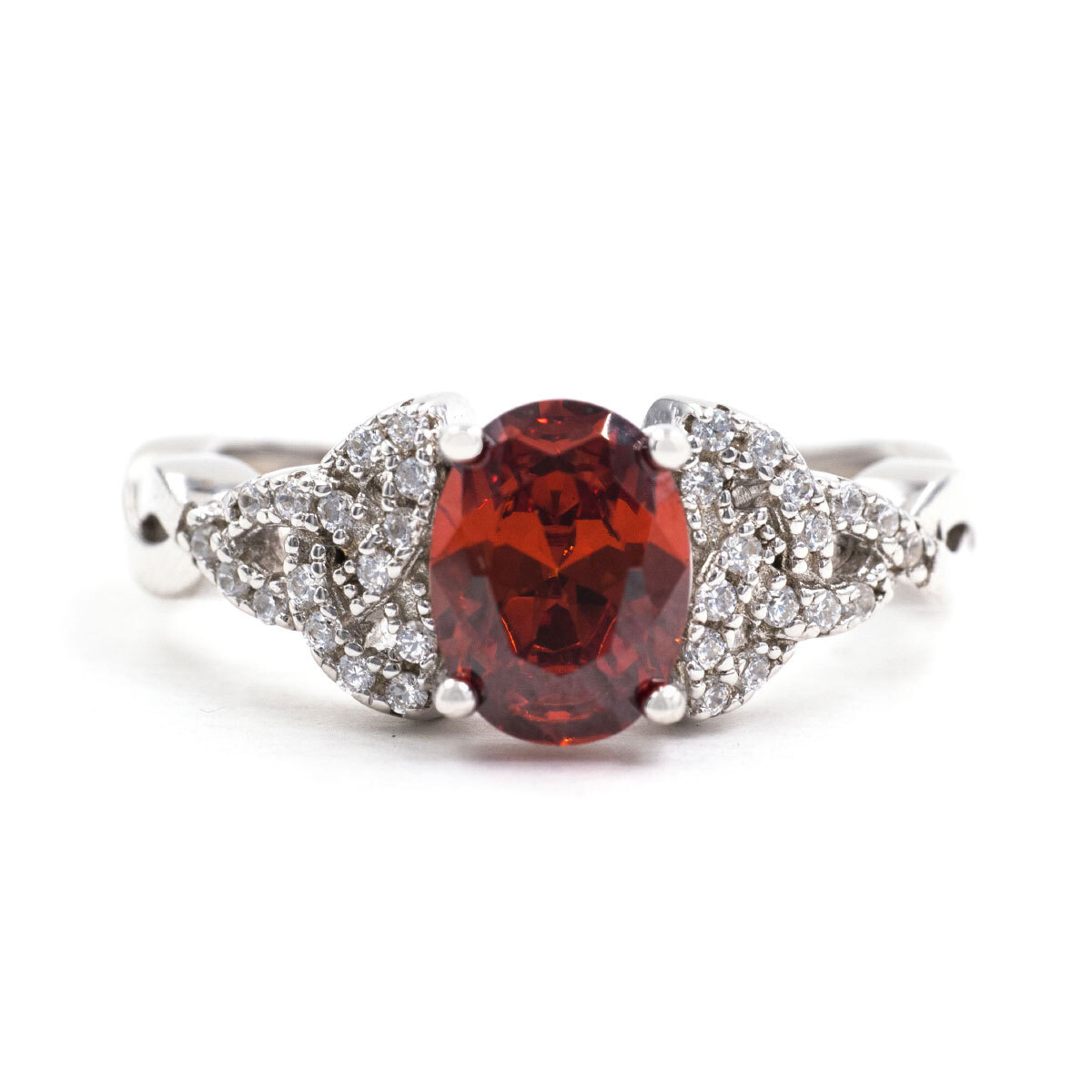
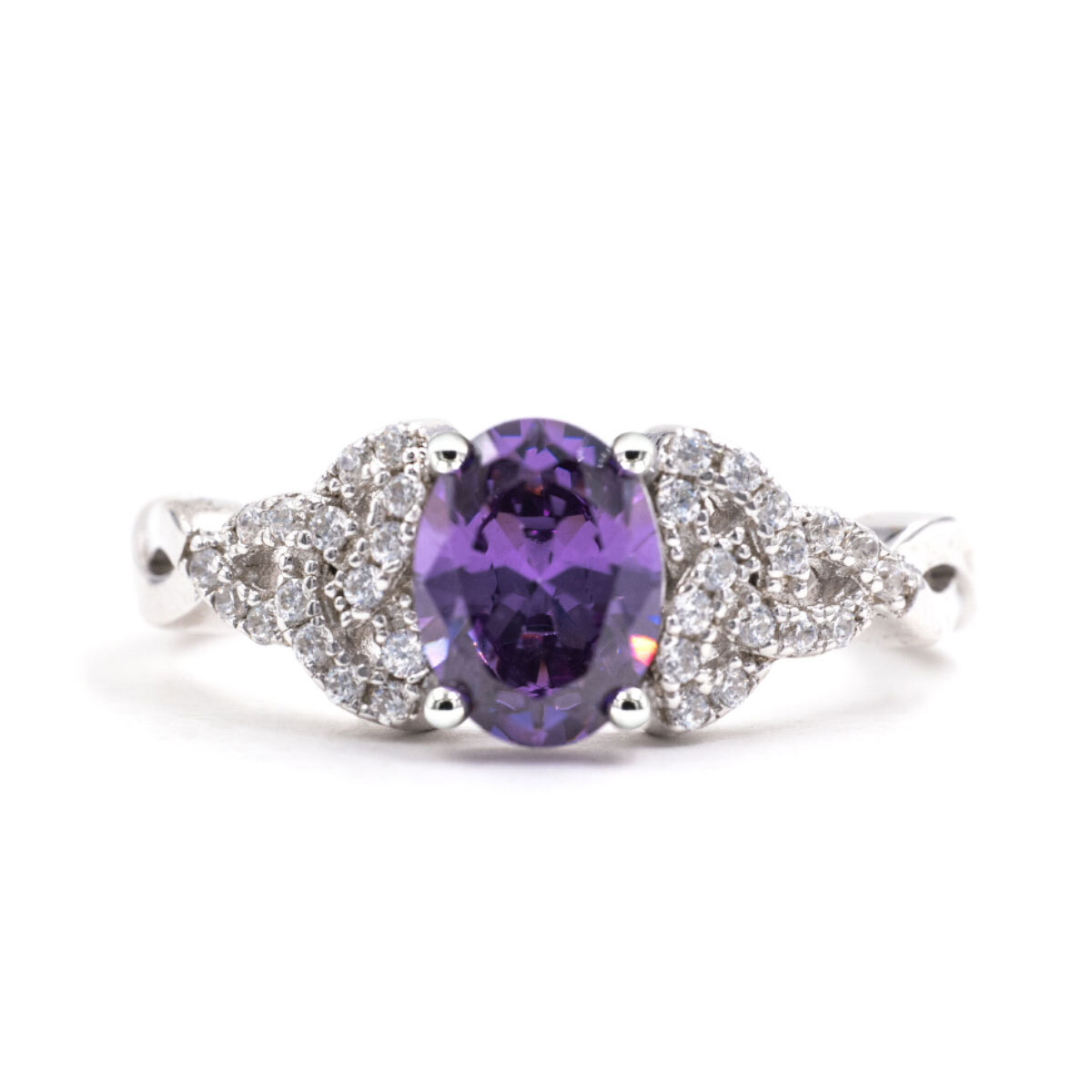
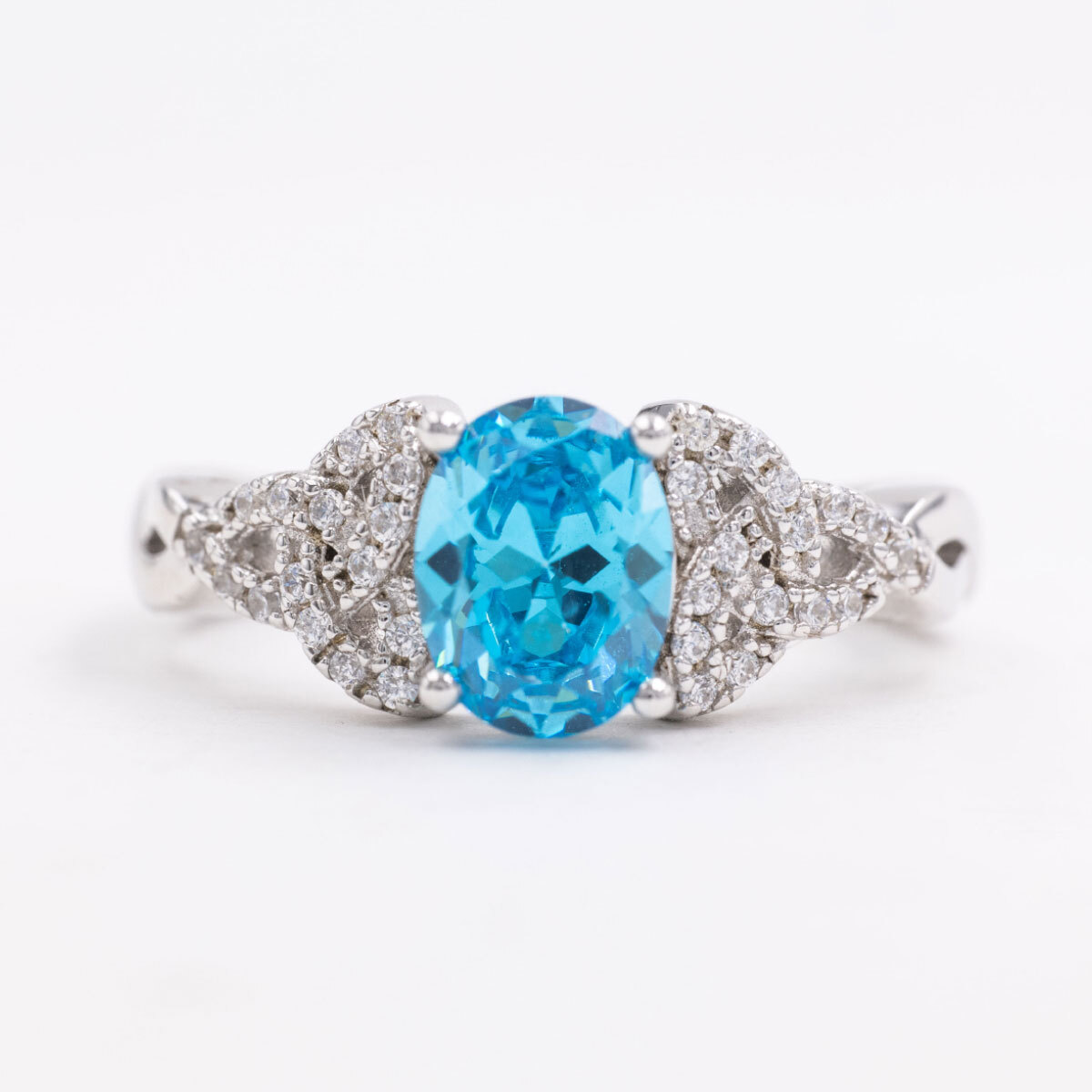
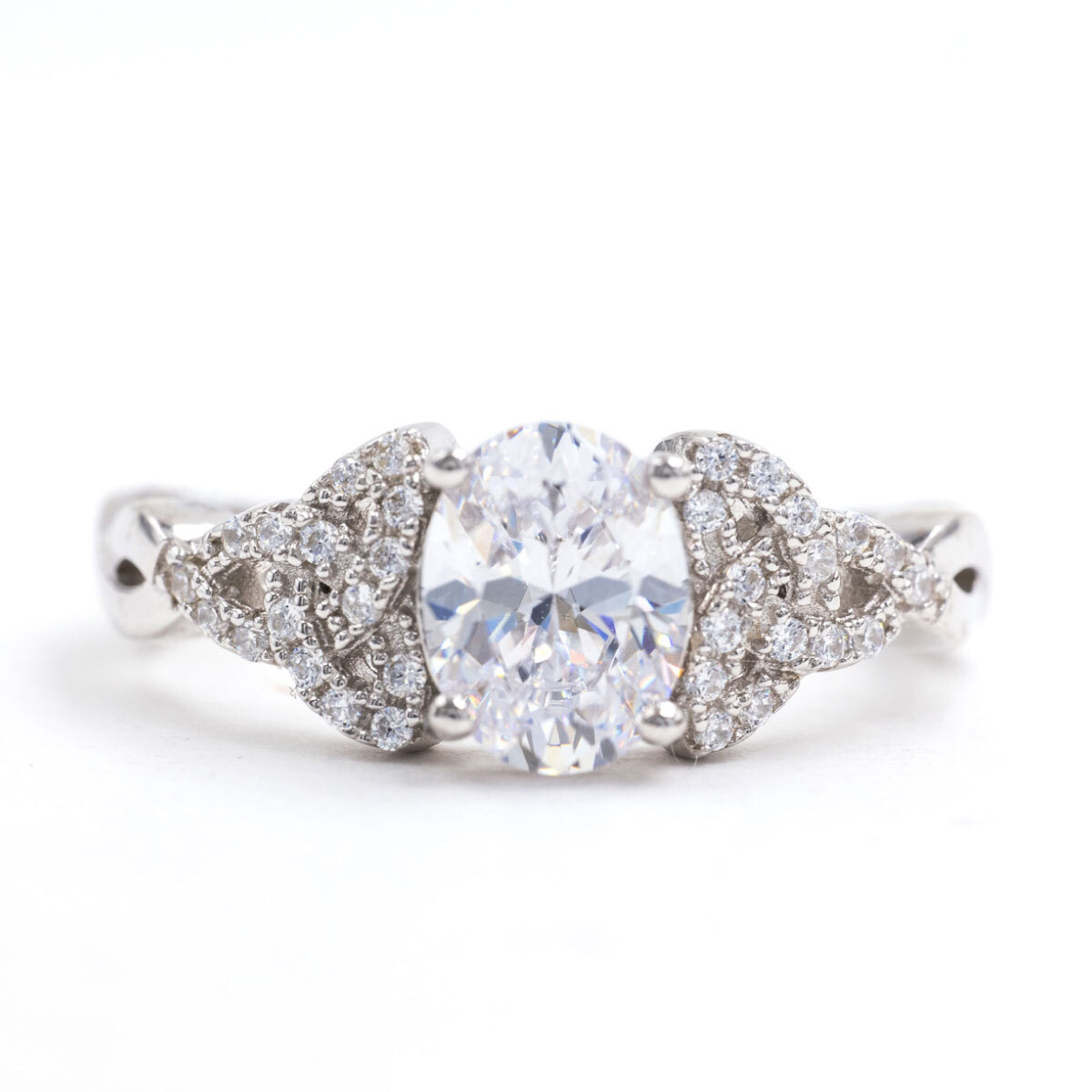
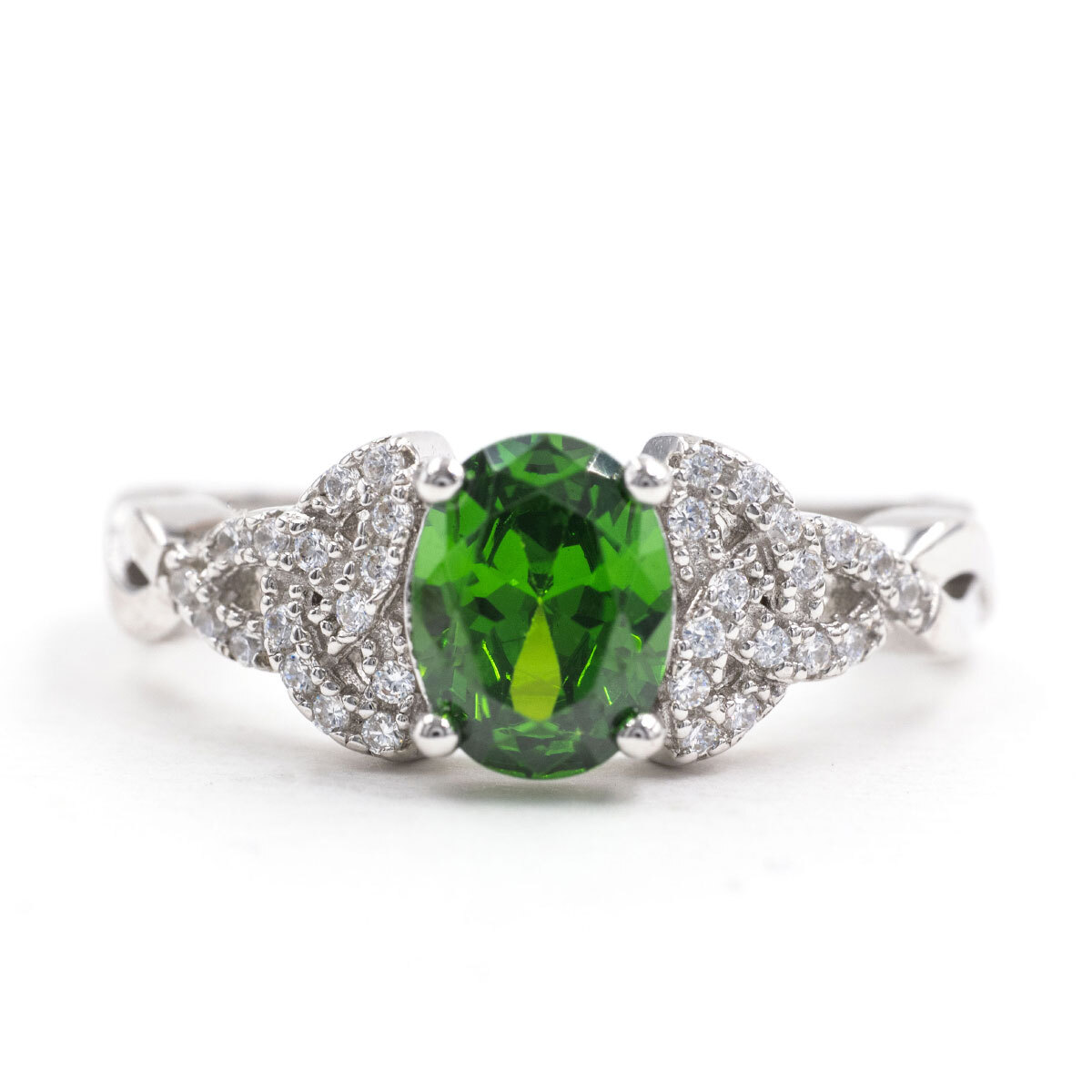
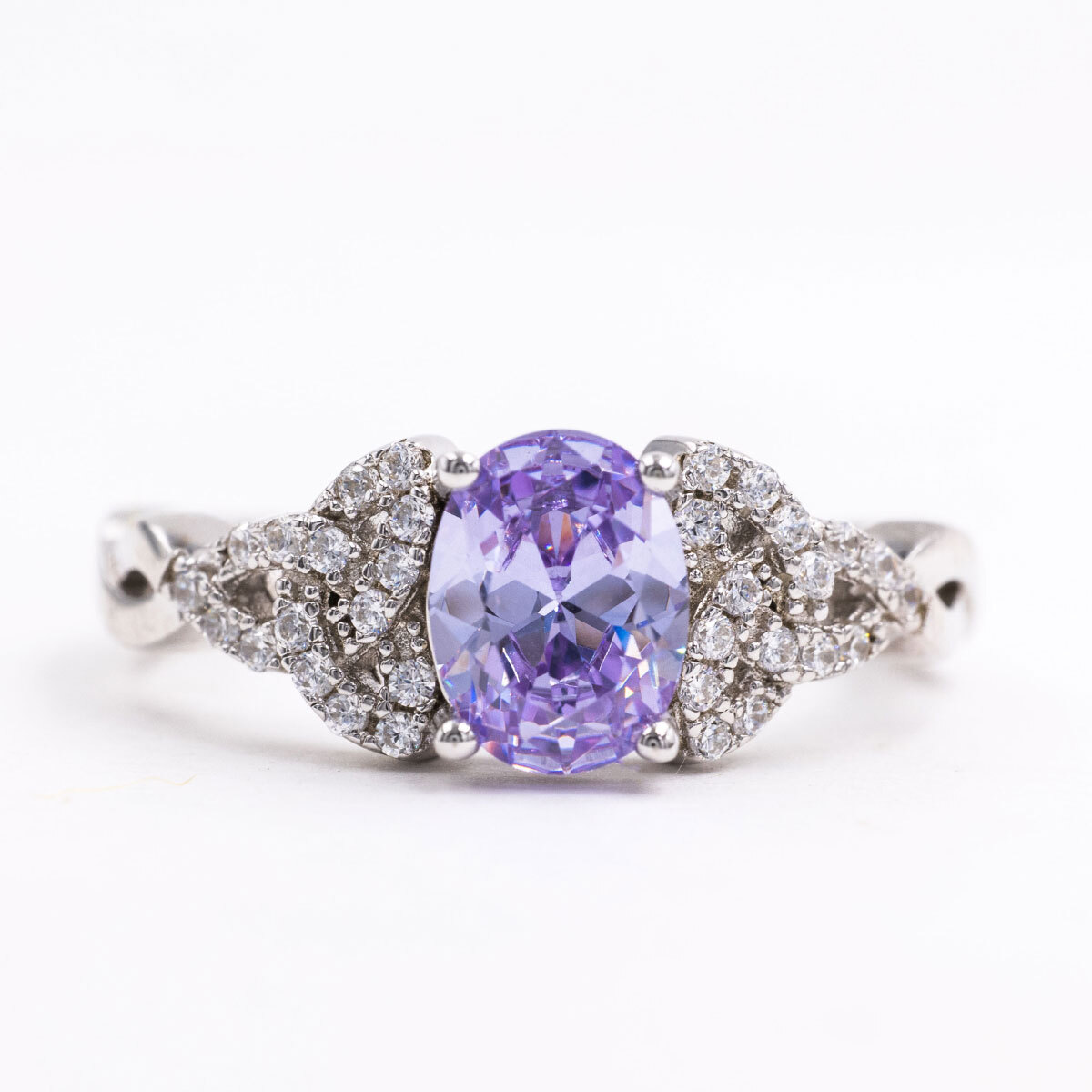
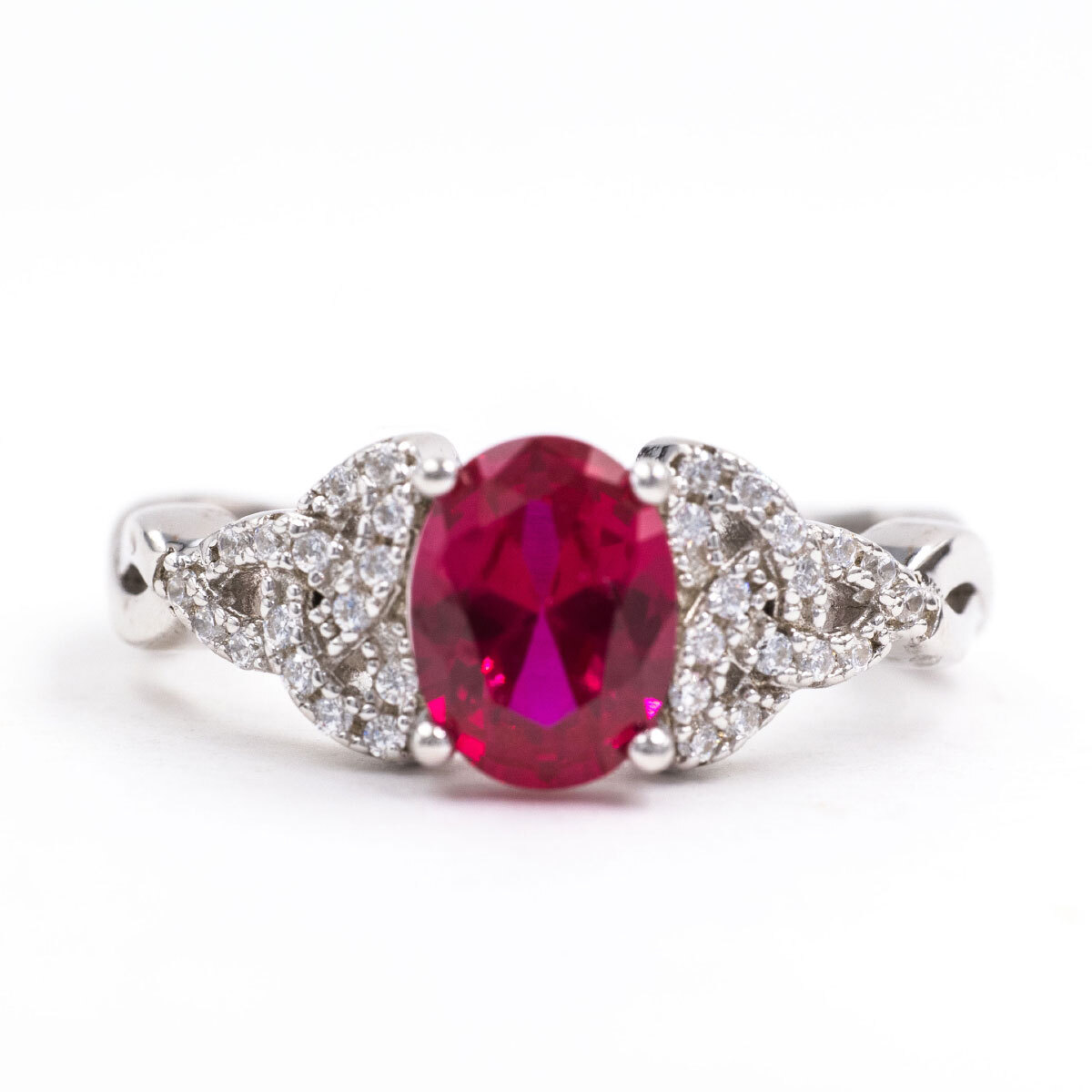
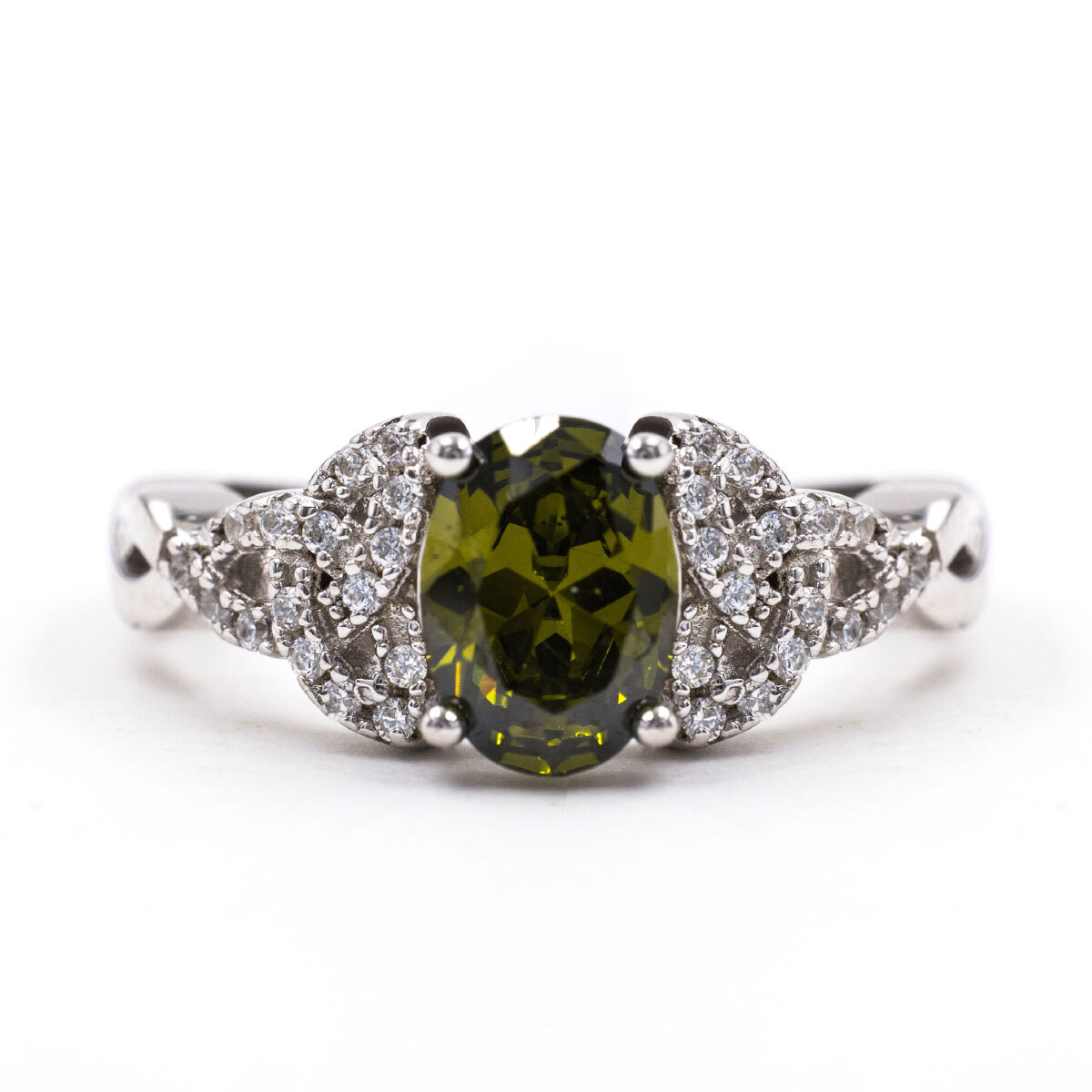
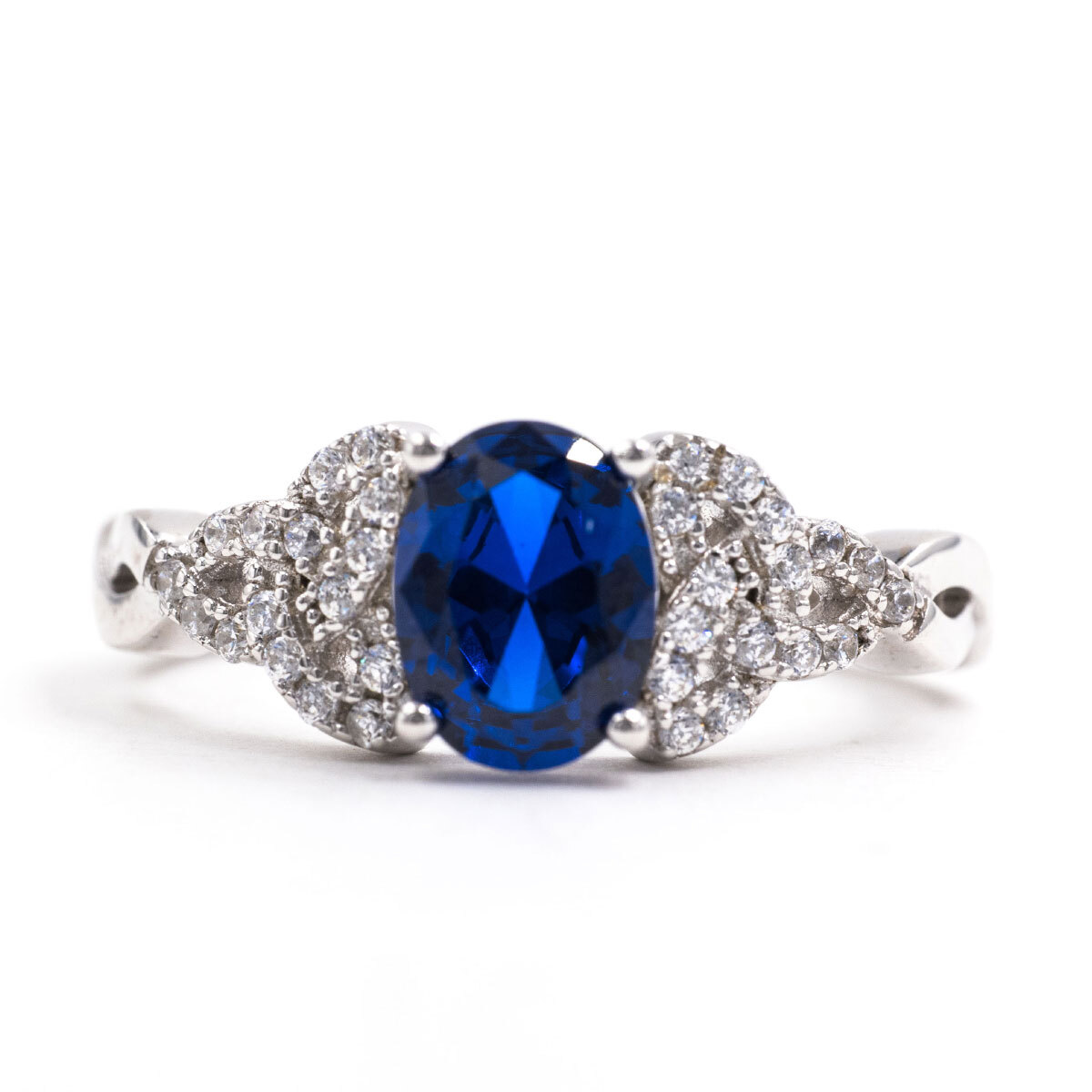
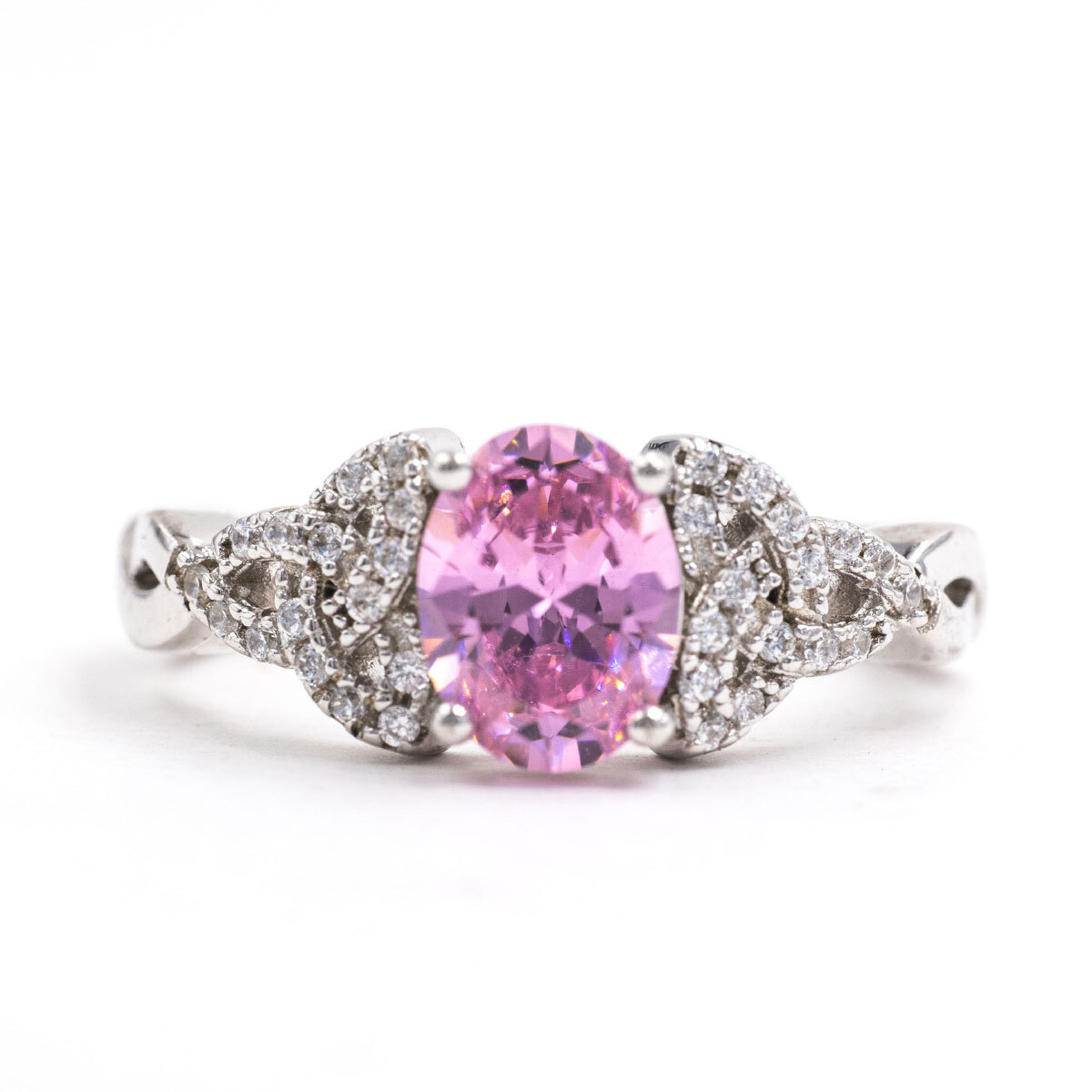
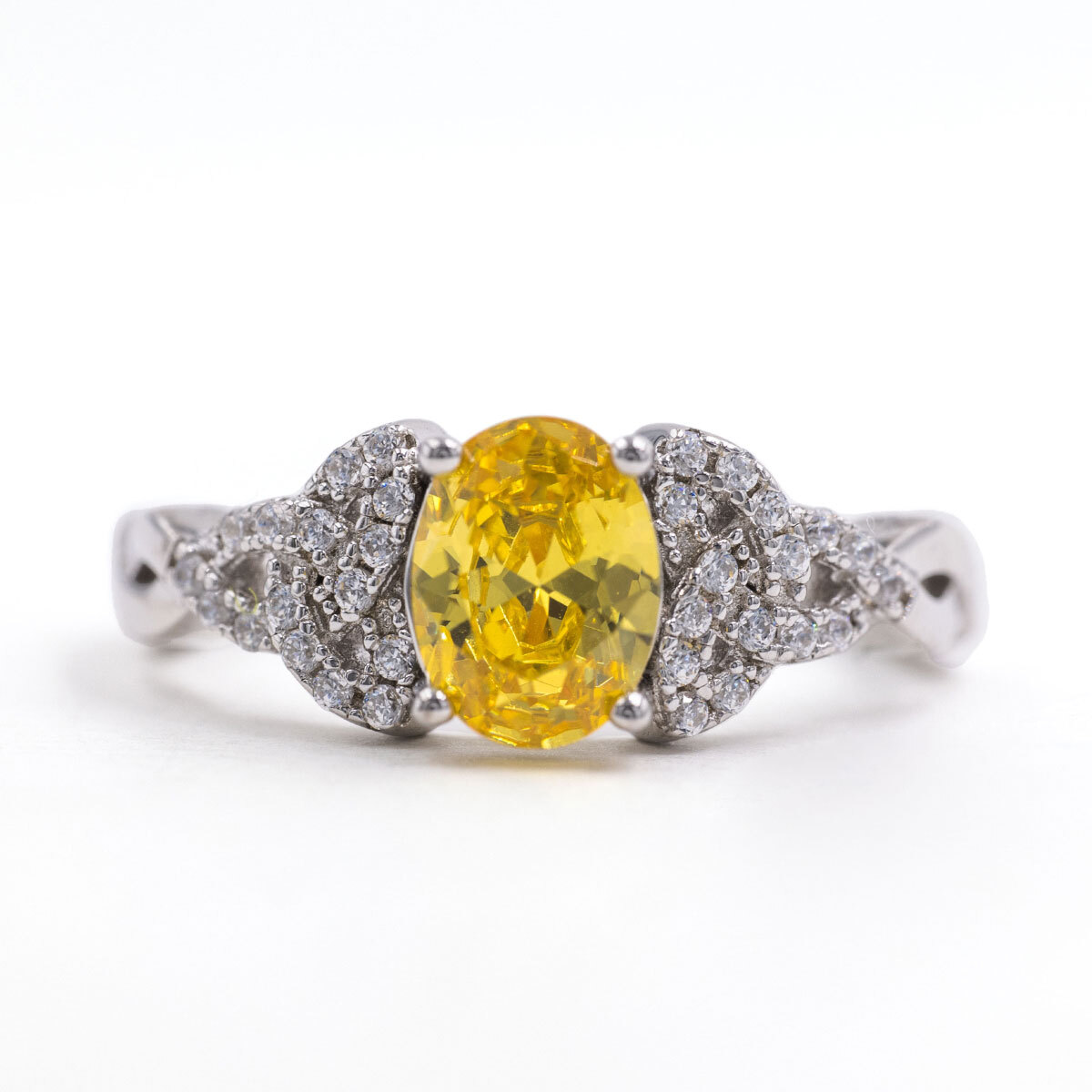
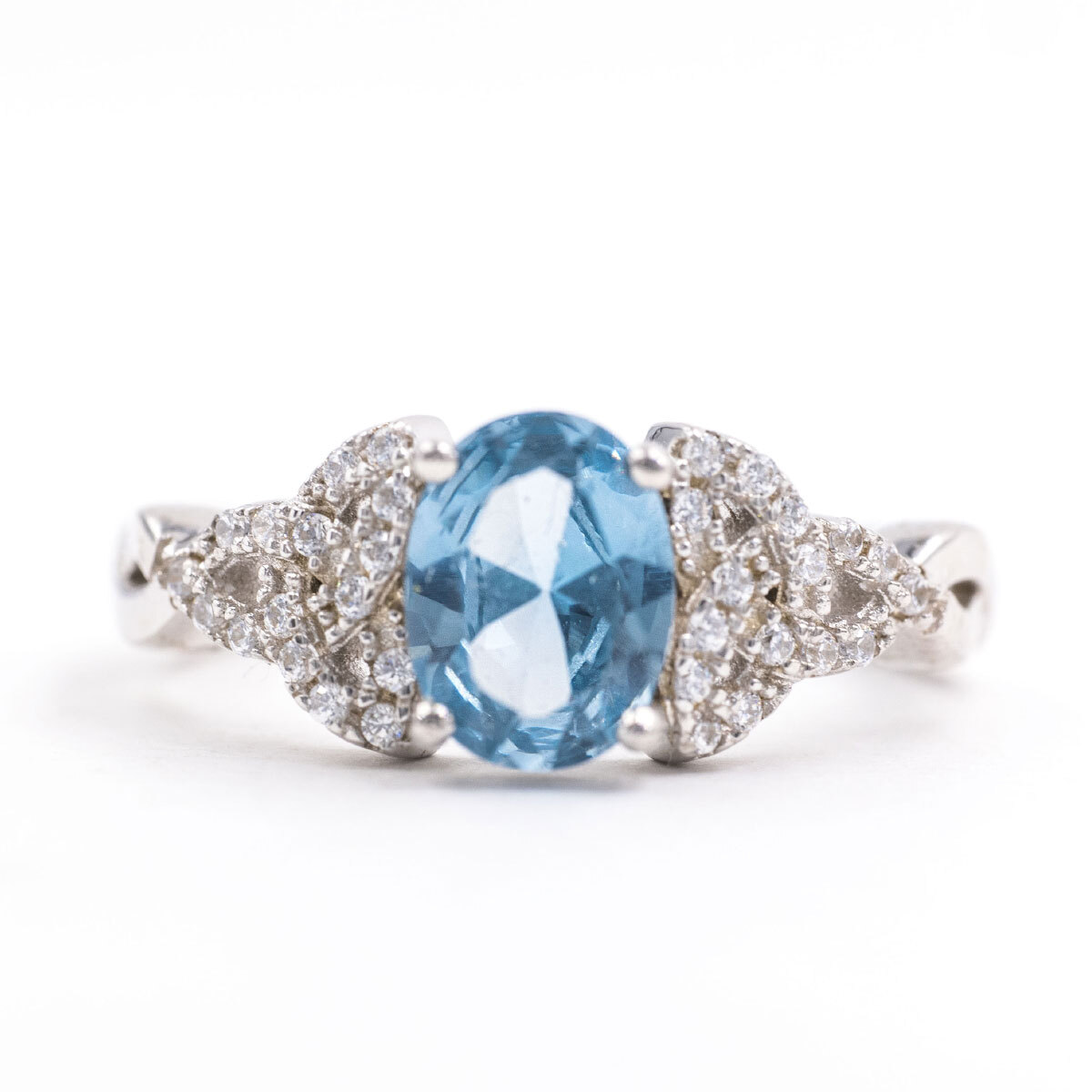
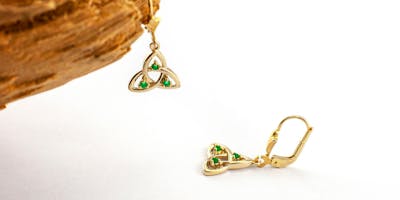
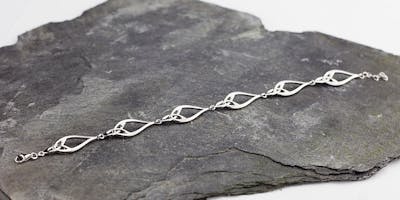
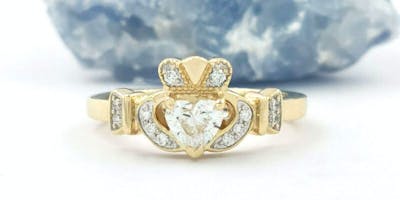
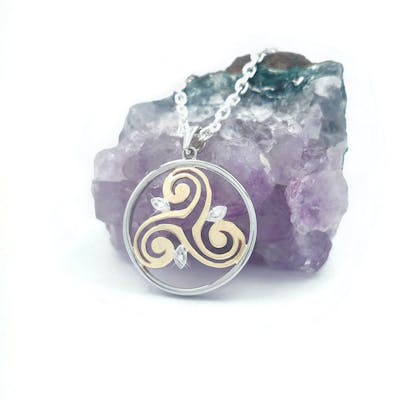
The intricate stone carvings at Irish neolithic treasures like Loughcrew and Newgrange inspires many of the designs in our fine jewelry. Merging ancient abstract symbols such as the triskele or tri-spiral, with modern contemporary designs, this jewelry provides a wonderful connection to ancient Ireland and it's reverence of the light.
Get In Touch
Have a question or something you're not entirely sure about when browsing our pieces? Please reach out. You can send us a note or give us a call—the Dublin workshop is here to make sure that you have a perfect experience from start to finish with My Irish Jeweler.
Follow us on Facebook and Instagram, to see what's new and upcoming. Join our Email list for early offers and special features.

Ciaran
My Irish Jeweler
Born in Co. Antrim and reared in Dublin, I was fascinated with Gaelic culture from an early age. I suppose it's not surprising given my mother inherited a grá for the Irish language from my grandfather, an Irish school headmaster. And that grá continues! My brother and sister are now Gaelic teachers here in Ireland, my niece is an award winning Irish dancer, and I proudly work to share Irish culture through our Irish and Celtic Jewelry at My Irish Jeweler!
I love researching and reading about the history of Irish design. It's at the core of what we do here at My Irish Jeweler. I find much of it so interesting that I have to share what I find. I hope you enjoy it!
Comments




 Ask Gemma