



Samhain and the start of the Celtic New Year
Written by Ciaran on Oct. 28, 2024 | 0 Comments
We may be a few months away from dusting off our renditions of Auld Lang Syne, but by the Celtic calendar and in the Ireland of old, it was the evening of October 31st, Oíche Shamhna, and the festival of Samhain that marked the turning of the year.
Read on to find out more about Samhain, one of the most important ancient Celtic "fire" festivals, and the traditions that continue to this day in Ireland and beyond.
The Celtic Year
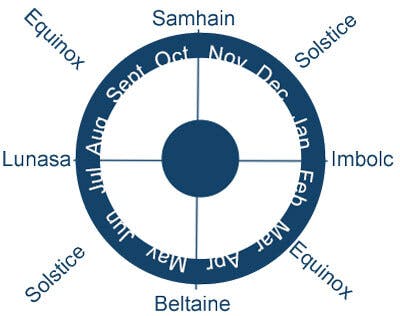
Close to mid-way between the autumn equinox and the winter solstice, Samhain is an ancient celebration, and one of the four major "fire" festivals in the Celtic calendar in Ireland. Along with Imbolc (Spring), Lá Bealtaine (Summer), and Lúnasa (Autumn) these festivals split the year into quarters. Known today as "cross quarter days," together with the winter and summer solstice and the autumn and spring equinox they were the most important days in the Celtic calendar for an ancient people directly reliant on the land for their survival.
Samhain - The turning of the year
For our ancestors, the new day began at sundown. So Samhain began at twilight, Oíche Shamhna, on October 31st. With the sun's setting, the old year was seen to die, and the long dark of winter that started the new year was heralded in.
Livestock were brought down to winter grazing to keep them safe in the cold months. People retreated indoors, too, believing that the boundary between our world and the Otherworld, the world of the spirits, was at its thinnest point of the year. The dead were believed to cross into the world of the living, and spirits like the banshee, púca, and the Aes Sídh roamed the land at this liminal time.
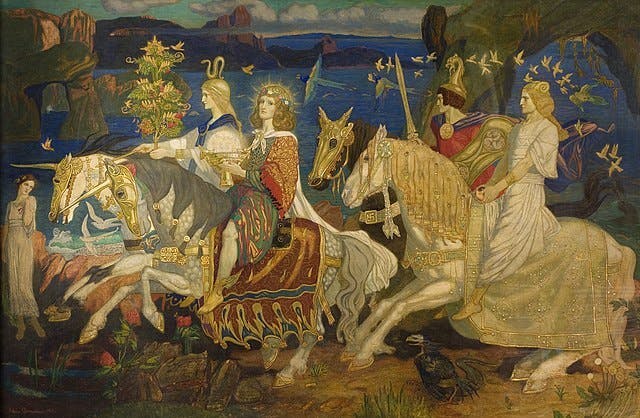
A painting of The Riders of the Sidhe (1911) - Aes Sídh or Aos sí aka Irish Fairy folk. Not the dainty winged creatures of Disney's imagination. Roughly translated they are “the people of the mound." Supernatural beings that you best avoid, especially on Samhain.
Photo Credit: John Duncan (Public Domain)
Old Samhain Traditions
And it seems that all manner of traditions grew out of the belief that Samhain was a time for the spirits. Many left food out for dead relatives who might return and to show due hospitality to any spirits who might be passing.
Fire Festival
But the central focus for Samhain was fire. The Foras Feasa ar Éirinn (Foundation of Knowledge on Ireland) from 1634 reports that on the eve of Samhain, Halloween night, fires around the country were doused, plunging Ireland into darkness. These fires were then re-lit from a great ceremonial bonfire at Tlaghtgha in Co. Meath. The High King's fire at Tara was lit first and then out across the country until every hearth had a new fire for the new year.

Bonfires are a Samhain tradition that are still part of celebrations on Halloween here in Ireland to this day.
These bonfires and new fires were lit for protection - scaring off the spirits that resided in darkness. They also might have provided some reassurance in a time before electricity, symbolizing the light and warmth of the sun that would return after winter.
Feasting
The fruits of the harvest were enjoyed at feasts around these fires, too. Livestock specially selected for the event were roasted, with some burnt on the fire as offerings to the spirits. And unlike the one-night-only event of Halloween today, Samhain of long ago would have gone on for days and, according to some sources, up to a week! Quite the party!
Fortune Telling
At the beginning of a long dark period, it is not at all surprising that people were keen to enjoy and protect themselves. They were also keen to prepare for what the year had in store! Long ago, apples and hazelnuts were used for divination, among other things. And divination still has a strong link with Samhain here in Ireland. Many, myself included, still make and eat barmbrack, a sort of fortune-telling fruit cake!

Other divination games involving reading peeled apple skins or toasted hazelnuts show their ancient roots. Apples were a fruit of the Otherworld and immortality, and hazelnuts a source of divine wisdom in Celtic Mythology.

A great salmon was said to hold all the world's wisdom after eating enchanted hazelnuts in the well of knowledge.
Photo Credit: Justin McCarthy, 1904 (Public Domain)
Guises and protection
In a throwback to the fiery origins of Samhain, people making their way to and from festivities carried lanterns with gruesome faces for light and protection. Hollowed out turnips were used here in Ireland - a truly terrifying precursor to pumpkins! And stories in Irish folklore abound of the lost soul, Jack-the-lantern, who gave his name to the modern day echos of this tradition.
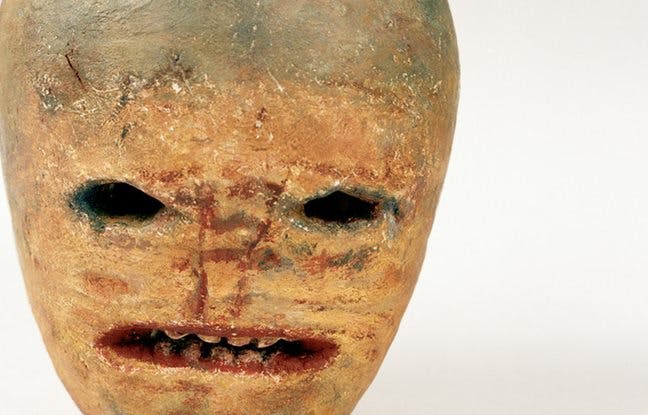
Much harder to carve than the modern day jack-o-lantern, but a turnip is makes the more traditional and more terrifying than a pumpkin IMO. This example can be found at the National Museum of Ireland.
Some even went as far as to wear disguises to pass as spirits themselves and so evade a terrible fate should they meet an otherworldly traveler while out after dark. Some of the especially well-disguised would feel a little emboldened.
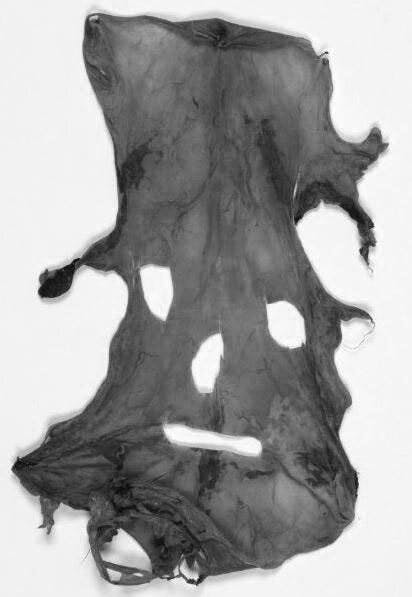
An animal skin mask would make a frightening sight on a dark Irish country lane.
Young people often took their chance to play pranks and tricks on friends and neighbours or to ask for funds or food to help celebrate the season. This mischievousness has continued through to this day. But rather than a chorus of trick-or-treat that you might hear today, in Ireland, it was "Help the Halloween party" when I was a child.
Continuing Celtic Traditions
The old traditions of fires, divination, guising, and lanterns are still going strong here in Ireland, even if they have changed in the intervening hundreds and even thousands of years. We're hopeful they will continue long into the future too, with people rediscovering the Celtic roots of Halloween and Samhain.
Celtic Jewelry
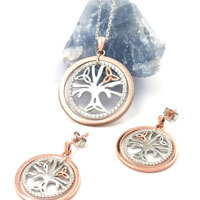
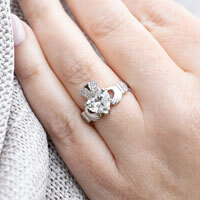
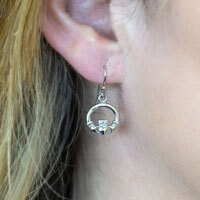
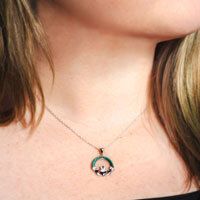
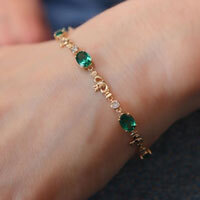
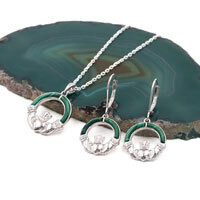
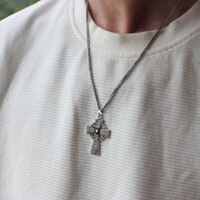
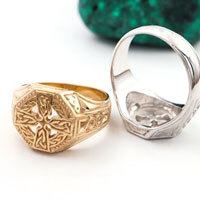
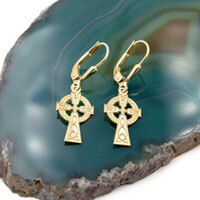
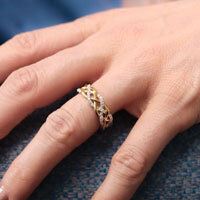
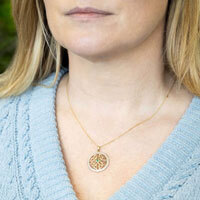
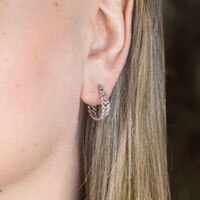
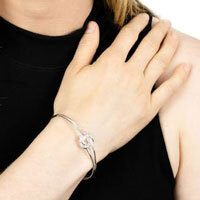
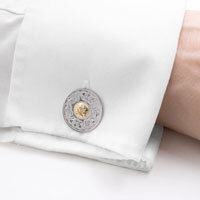
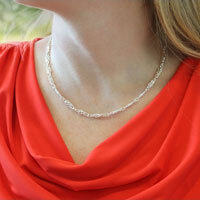
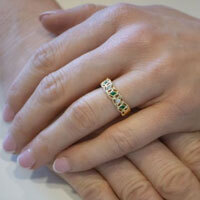
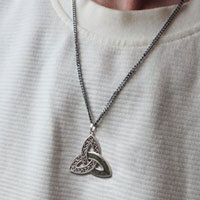
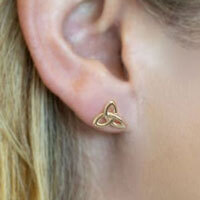
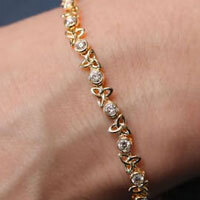
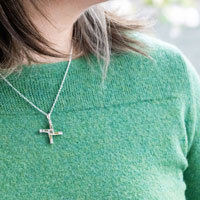
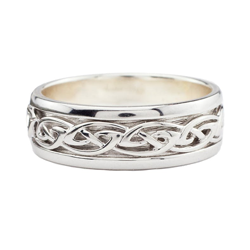
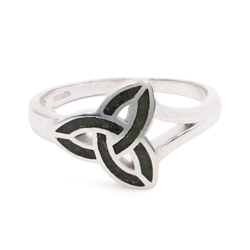
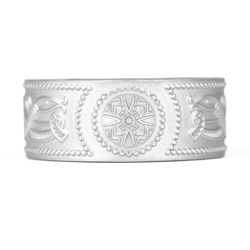
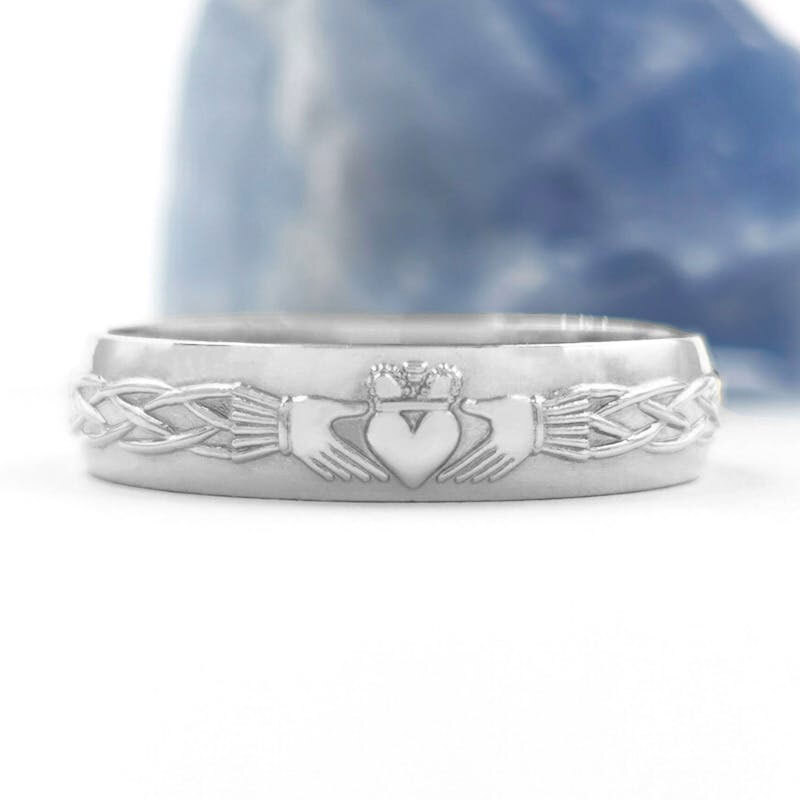
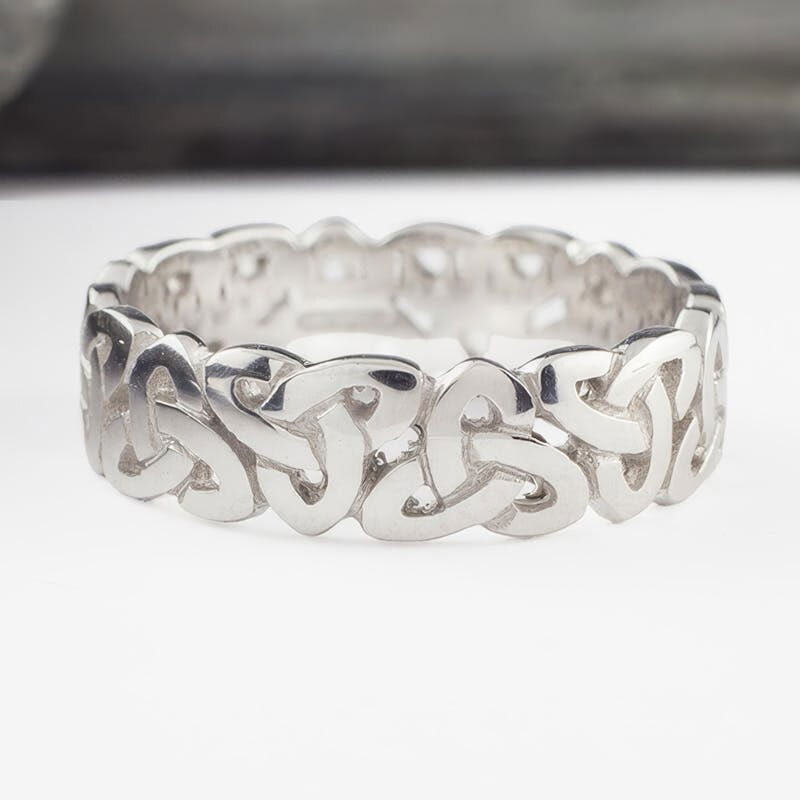
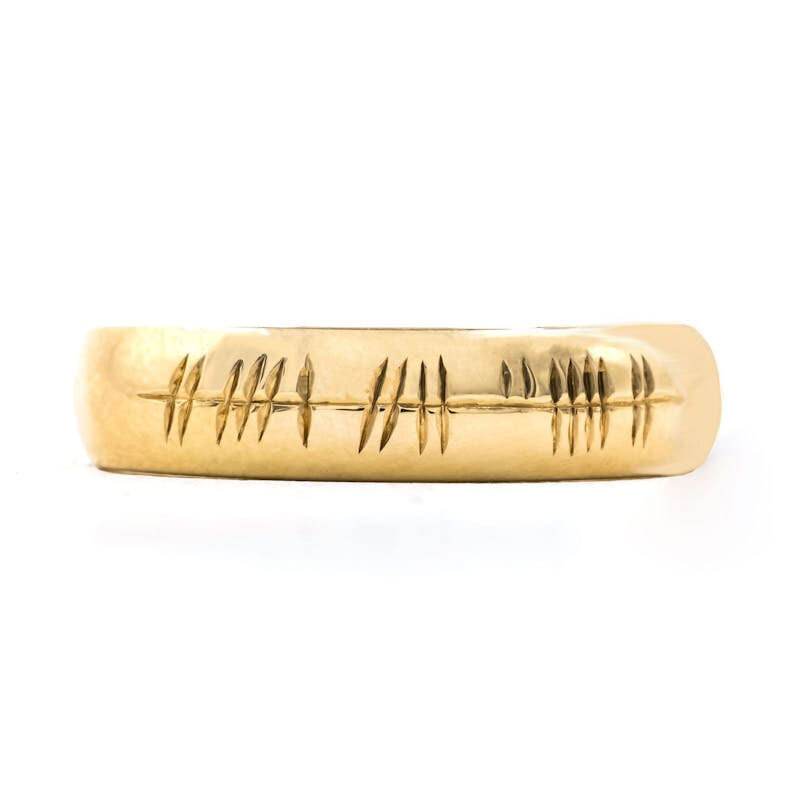
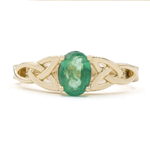
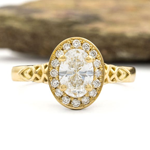
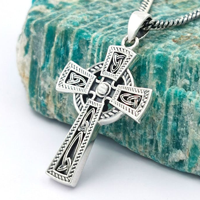
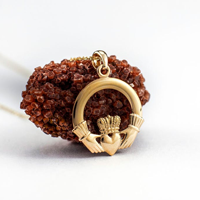
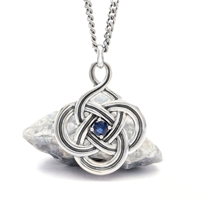
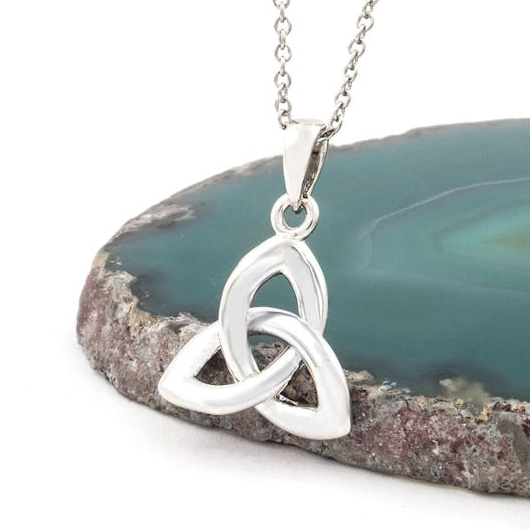
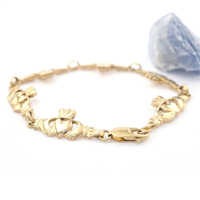
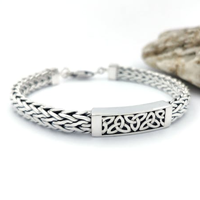
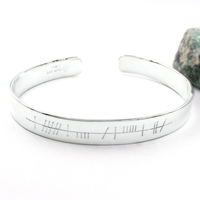
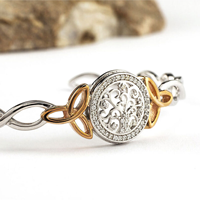
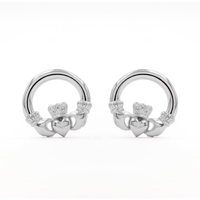
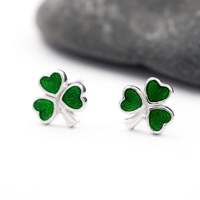
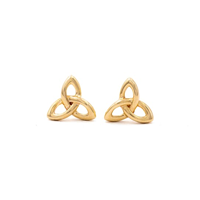
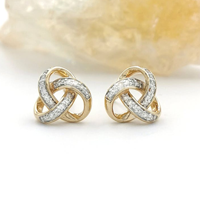
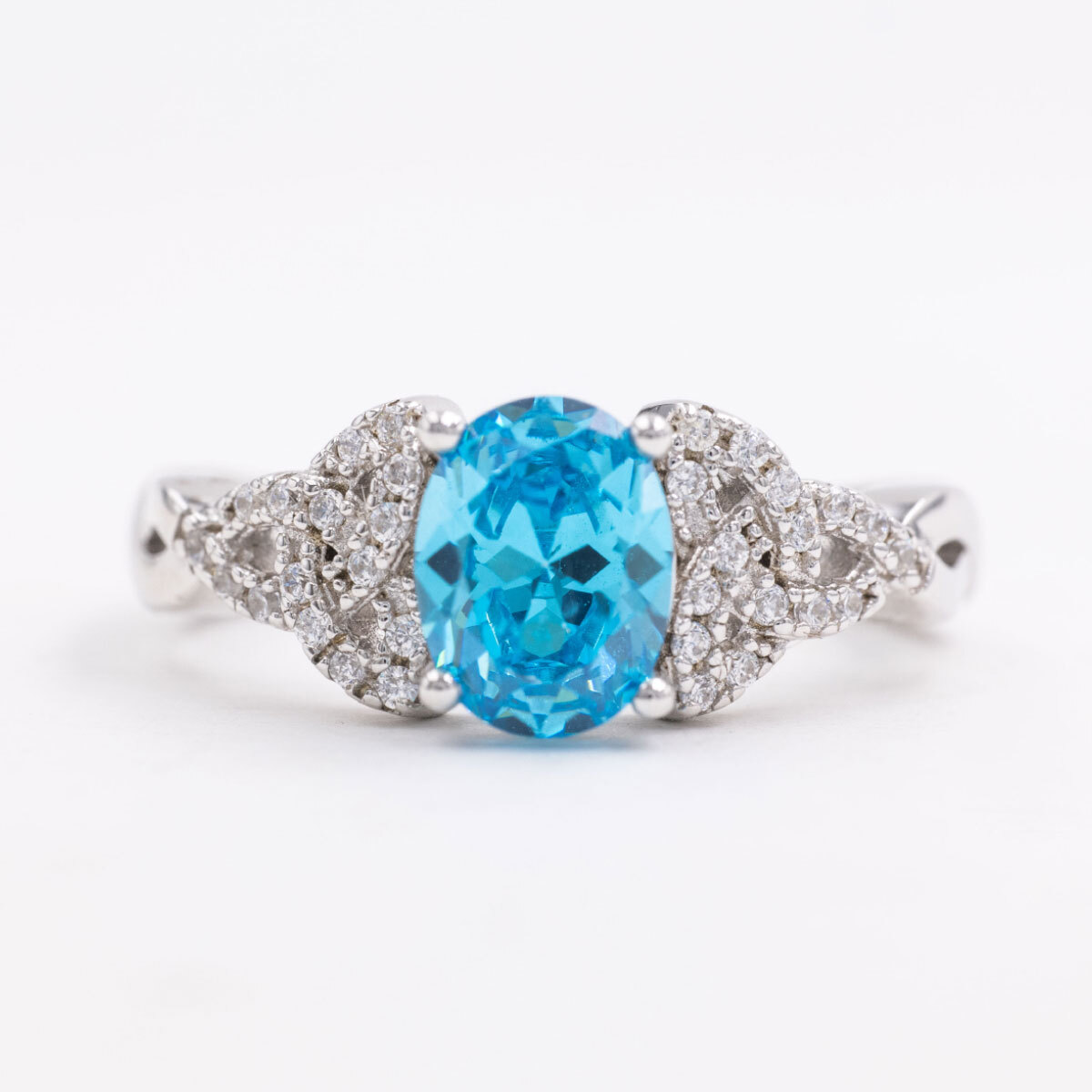
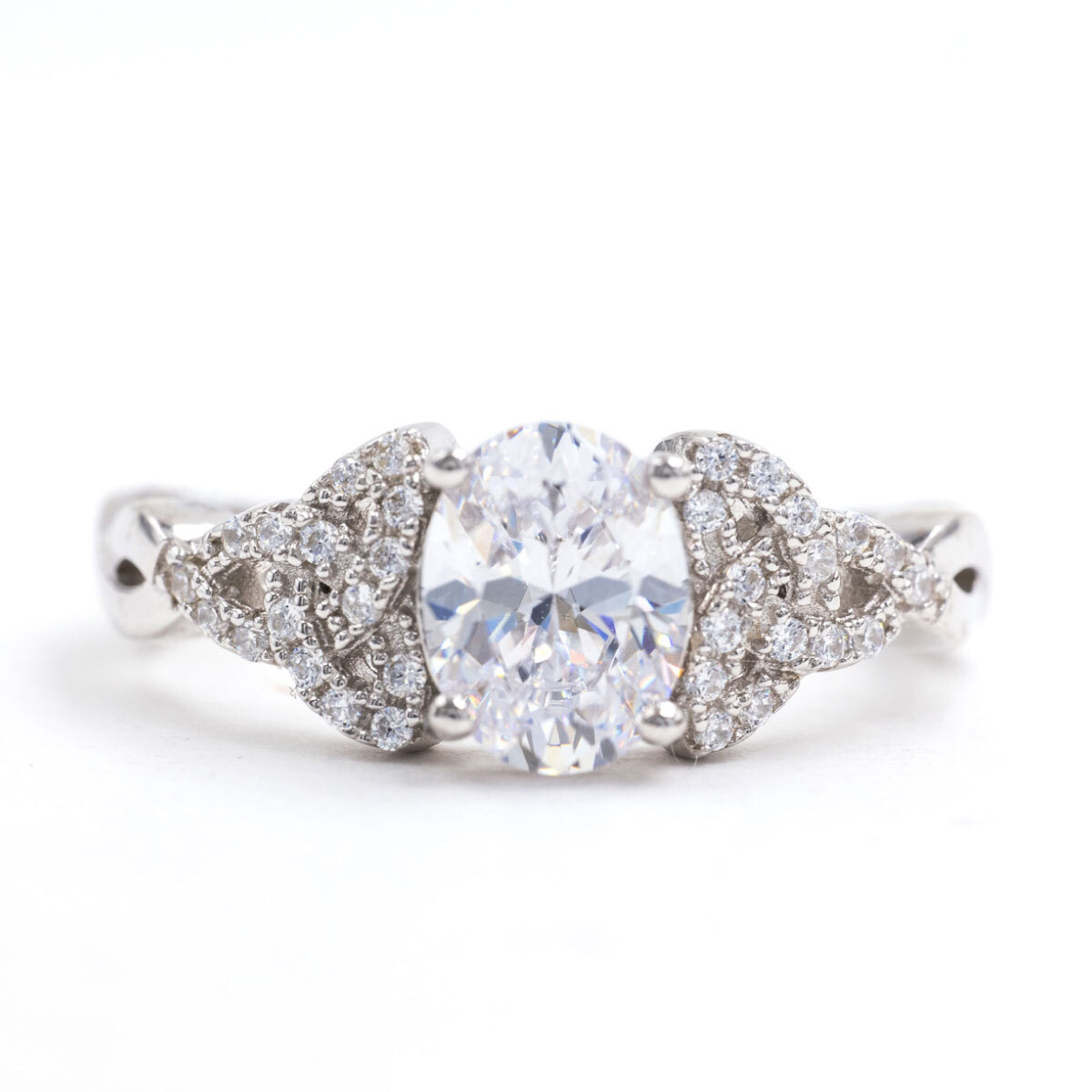
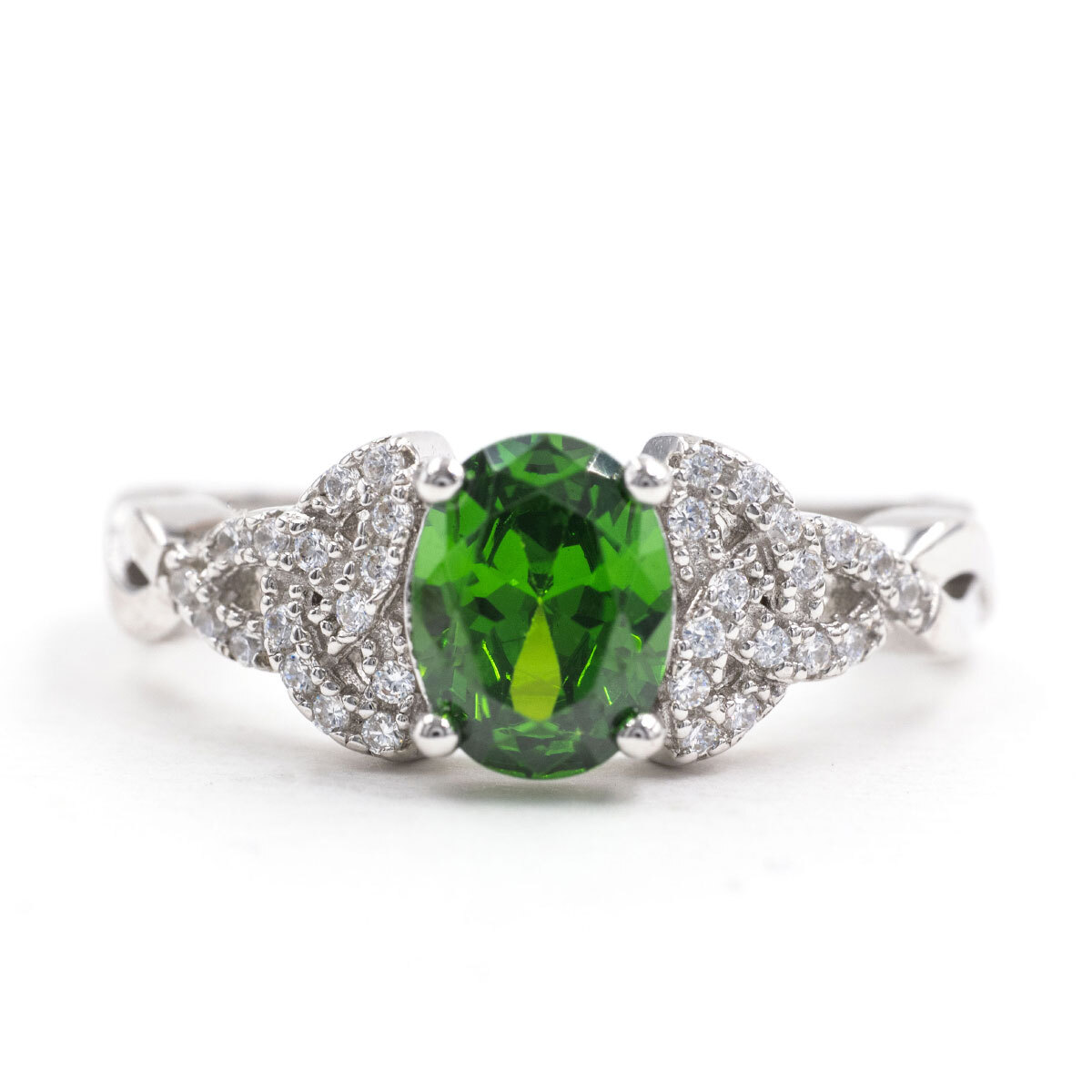
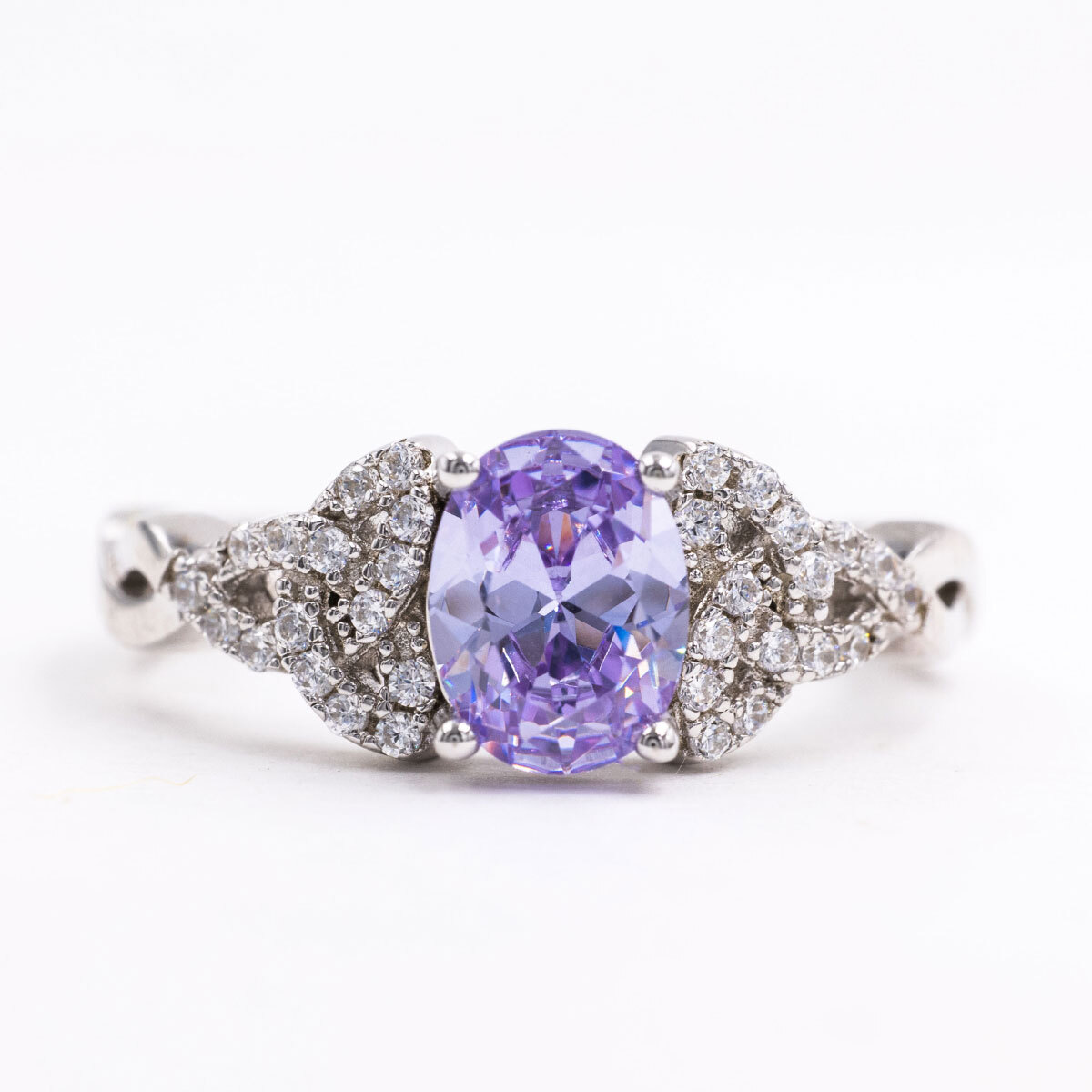
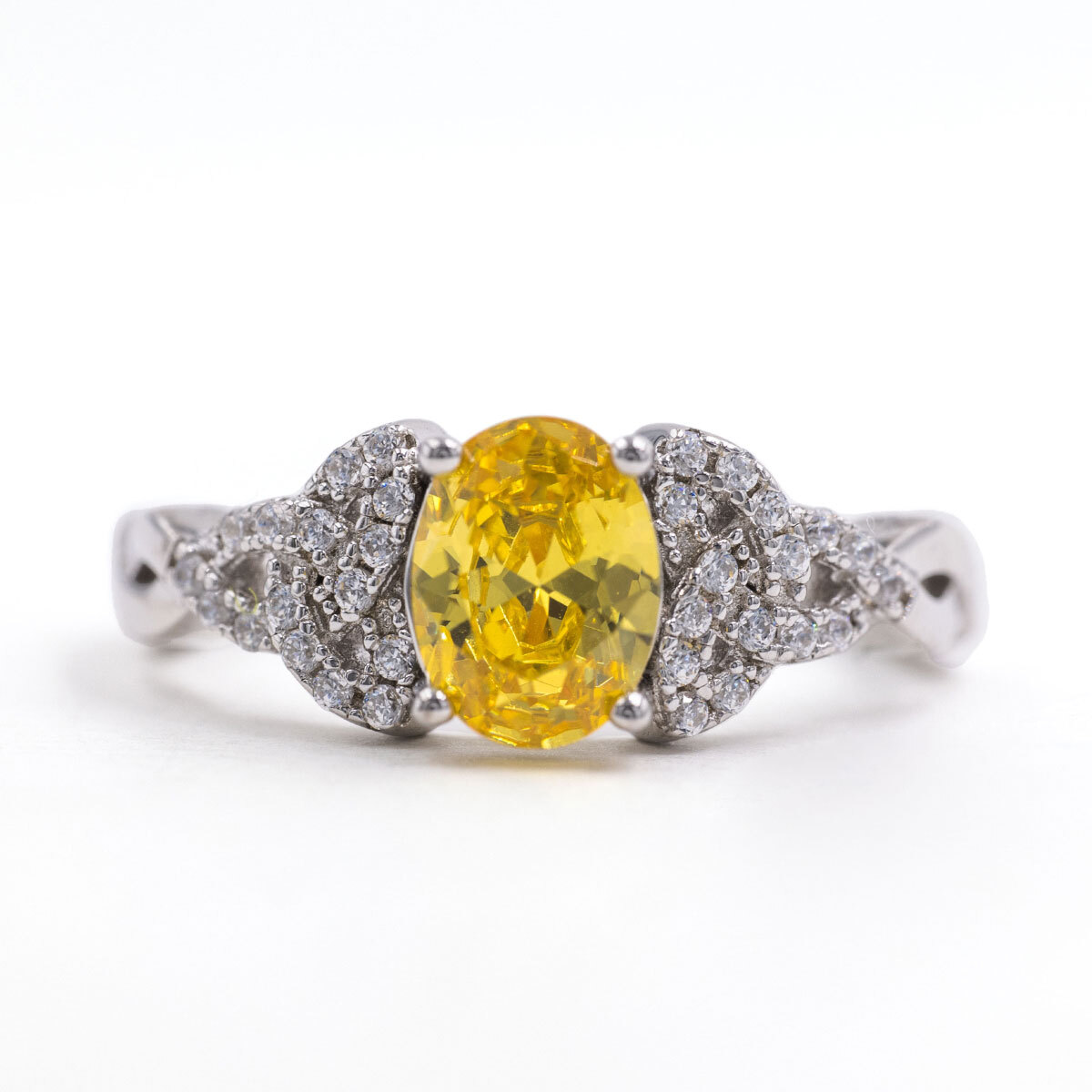
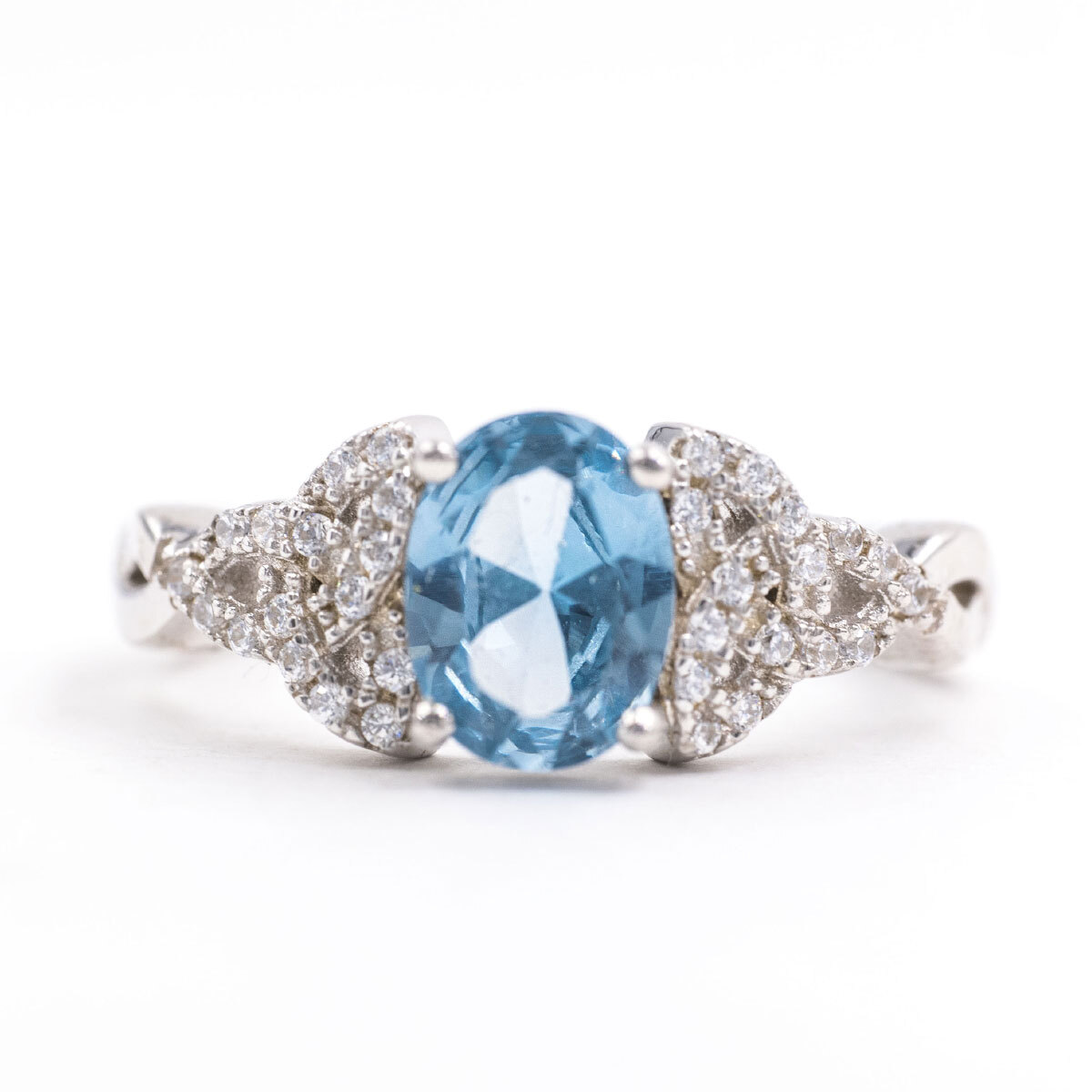
And we continue Celtic Traditions in our own way through stunning Celtic Jewelry design and craft. Check out our extensive range of Celtic and Irish Jewelry.
Get In Touch
Have a question or something you're not entirely sure about when browsing our pieces? Please reach out. You can send us a note or give us a call—the Dublin workshop is here to make sure that you have a perfect experience from start to finish with My Irish Jeweler.
Follow us on Facebook and Instagram, to see what's new and upcoming. Join our Email list for early offers and special features.

Ciaran
My Irish Jeweler
Born in Co. Antrim and reared in Dublin, I was fascinated with Gaelic culture from an early age. I suppose it's not surprising given my mother inherited a grá for the Irish language from my grandfather, an Irish school headmaster. And that grá continues! My brother and sister are now Gaelic teachers here in Ireland, my niece is an award winning Irish dancer, and I proudly work to share Irish culture through our Irish and Celtic Jewelry at My Irish Jeweler!
I love researching and reading about the history of Irish design. It's at the core of what we do here at My Irish Jeweler. I find much of it so interesting that I have to share what I find. I hope you enjoy it!
Comments



 Ask Gemma