


The horse in Ireland
Written by Ciaran on Aug. 10, 2026 | 0 Comments
Although they don’t typically make many top 10 lists, and the Irish hare holds the official title of the national animal of Ireland, the horse remains an iconic symbol of Ireland worth mentioning to many.

Connemara Ponies near roundstone in Co. Galway
Photo Credit: Trish Steel (CC BY-SA 2.0)
From the iconic Connemara ponies that roam the wild west of the island, and the thoroughbred champions that dominate racing in Europe today, to the otherworldly Enbarr of Irish mythology and the mischievous púca of folklore, horses and horsemanship are everywhere you care to look here in Ireland. As good as omnipresent in Irish culture, they pop up in folklore, mythology, and history as well as in Irish slang… They were even on our coinage for much of the 20th century!

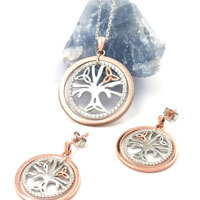
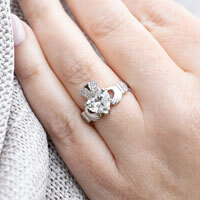
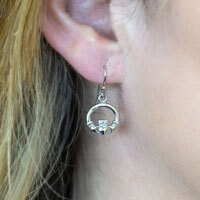
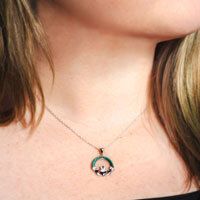
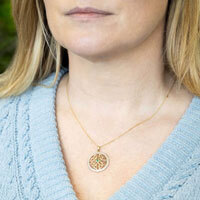
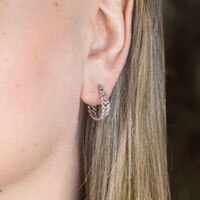
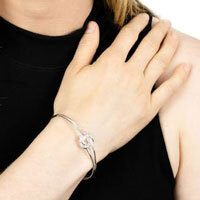
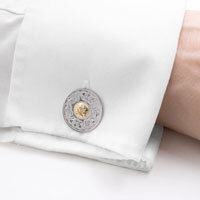
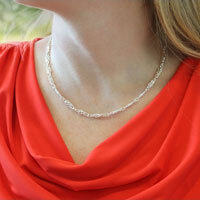
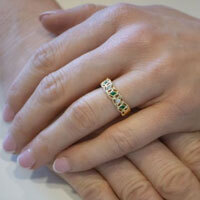
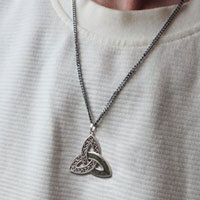
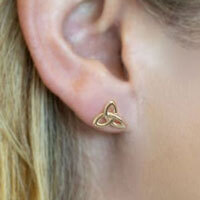
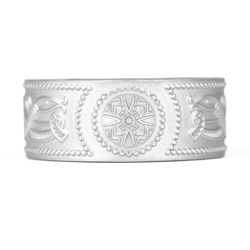
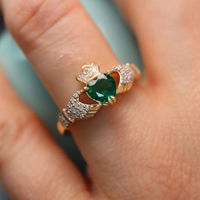
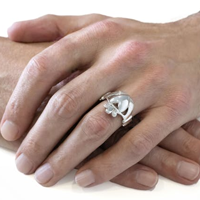
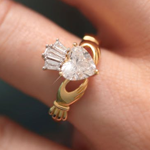
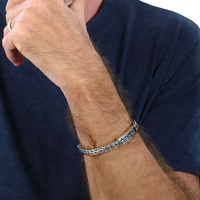
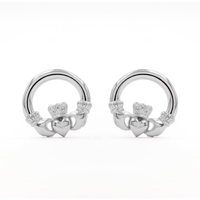
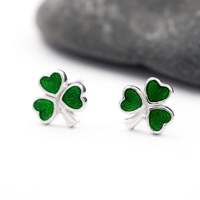
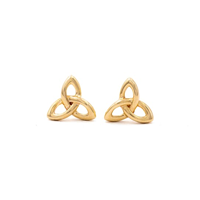
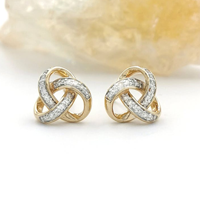
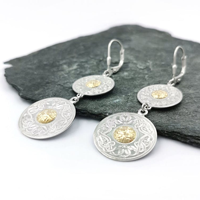
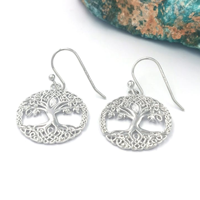
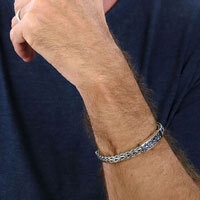
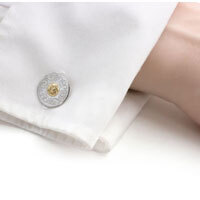
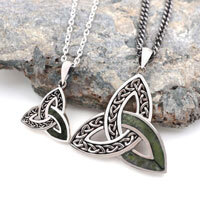
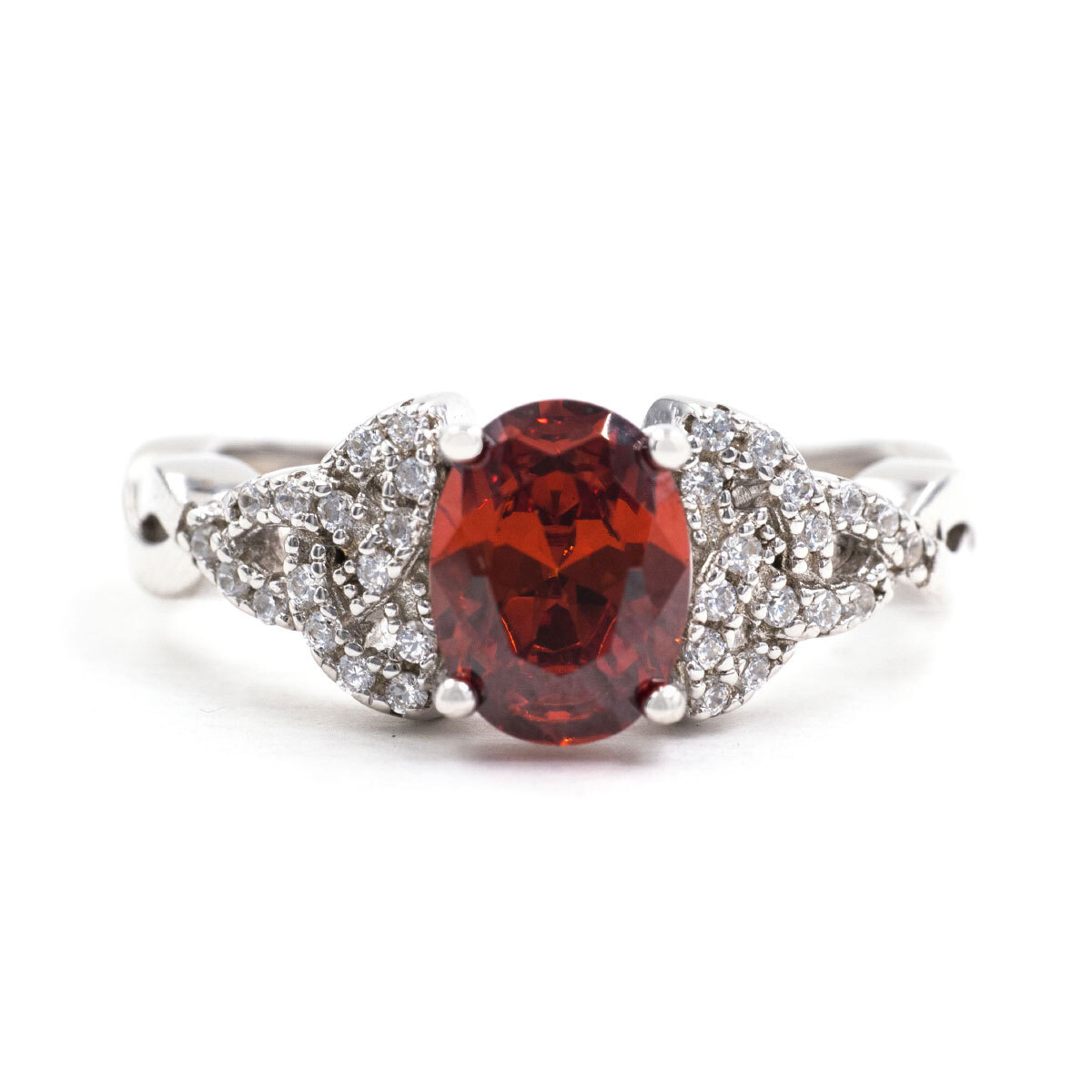
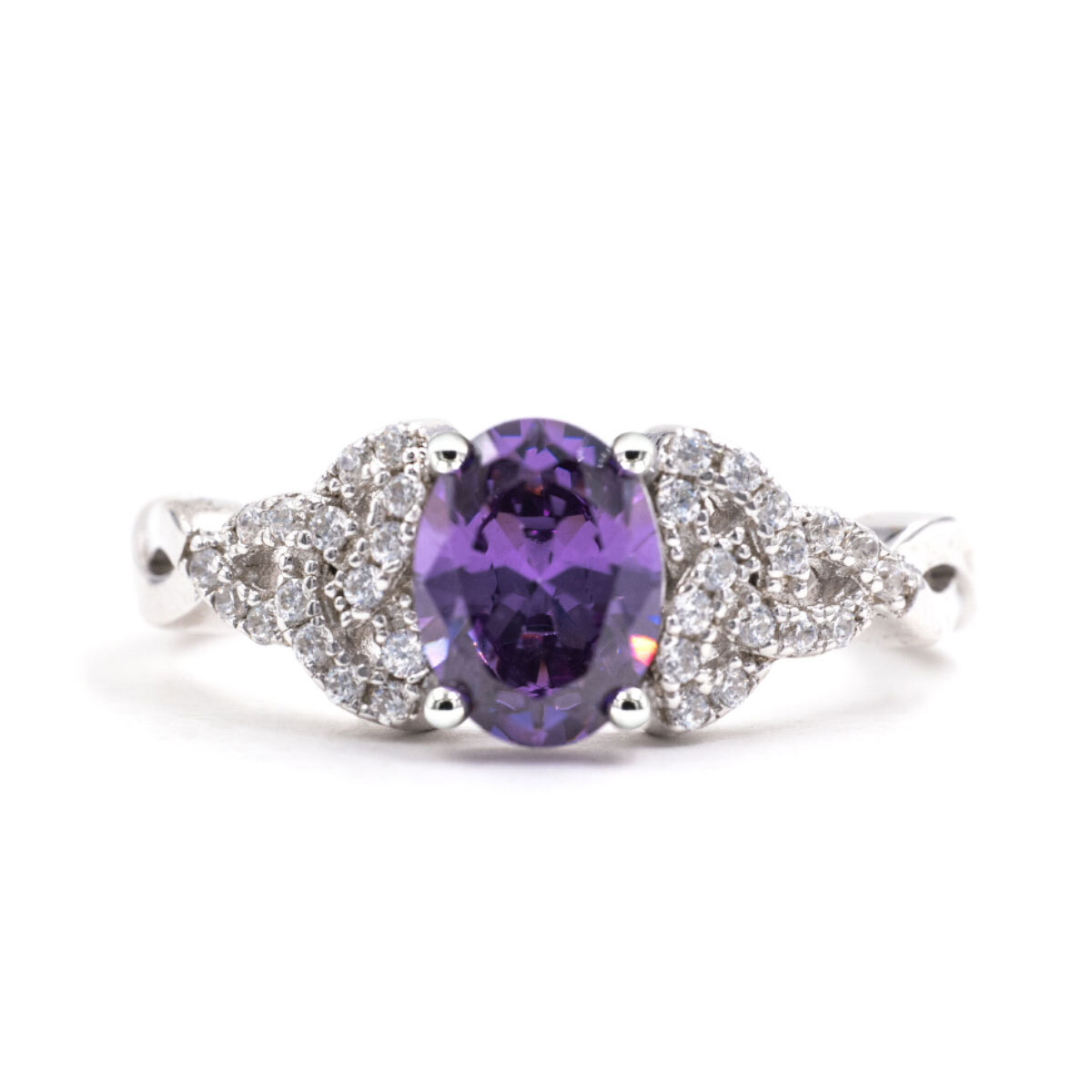
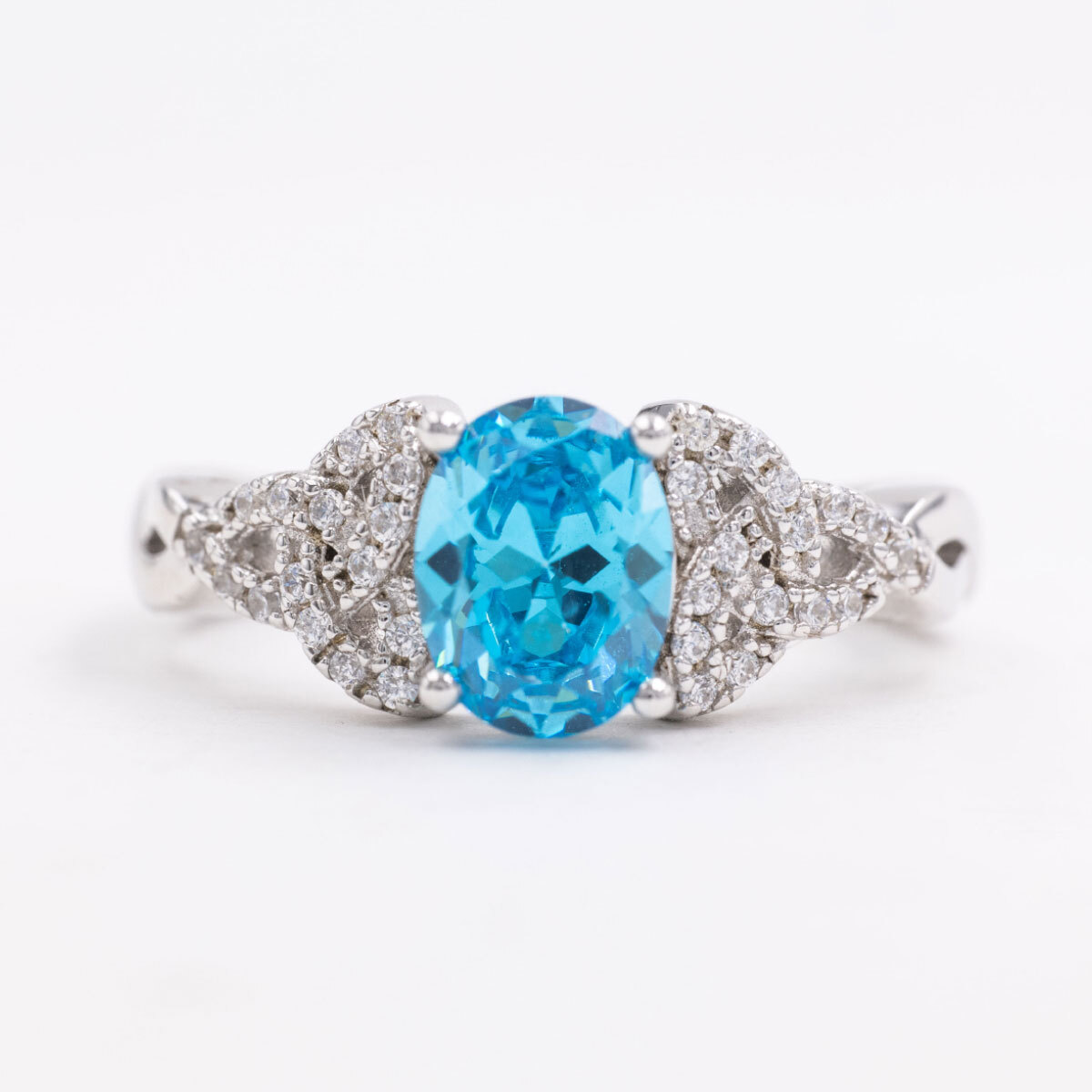
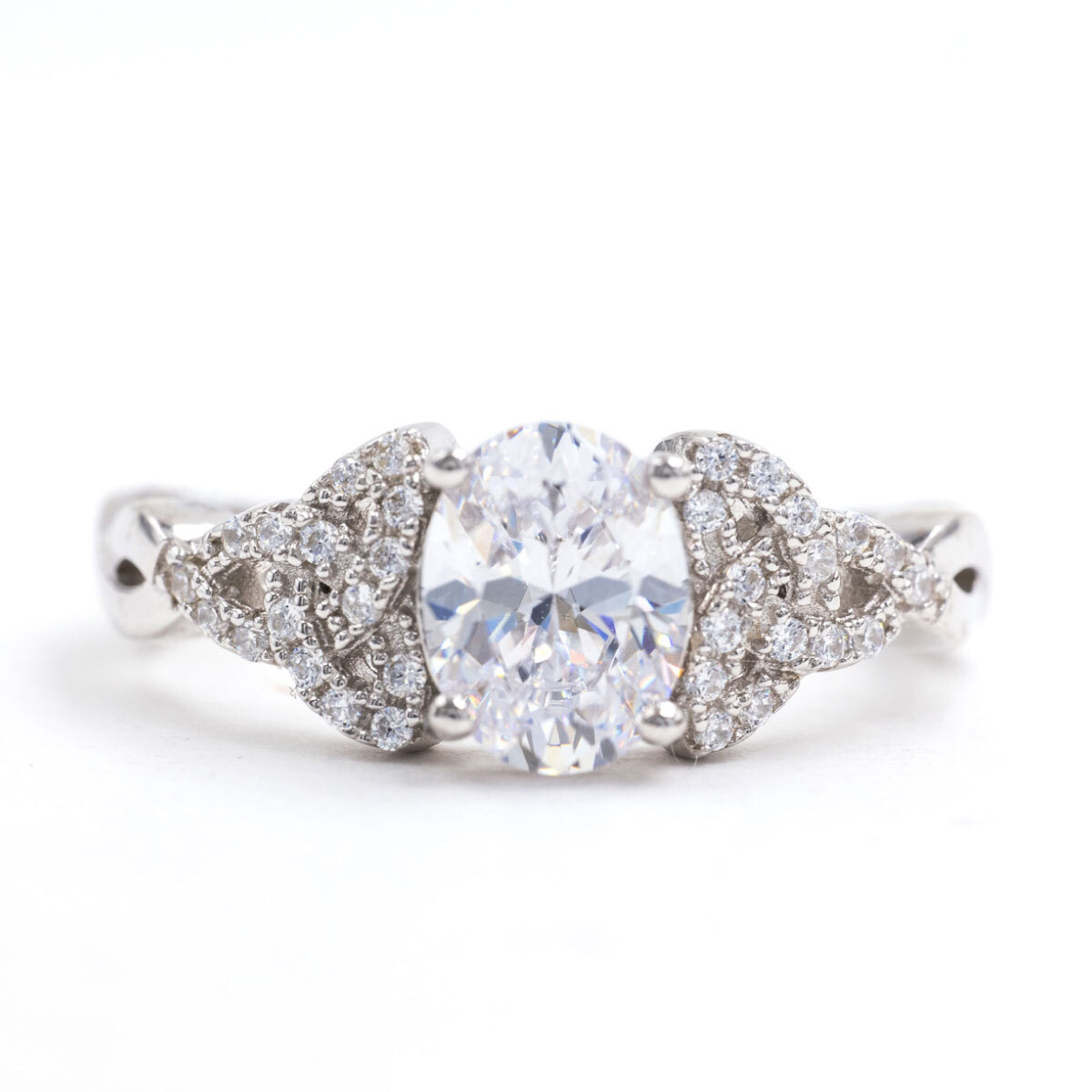
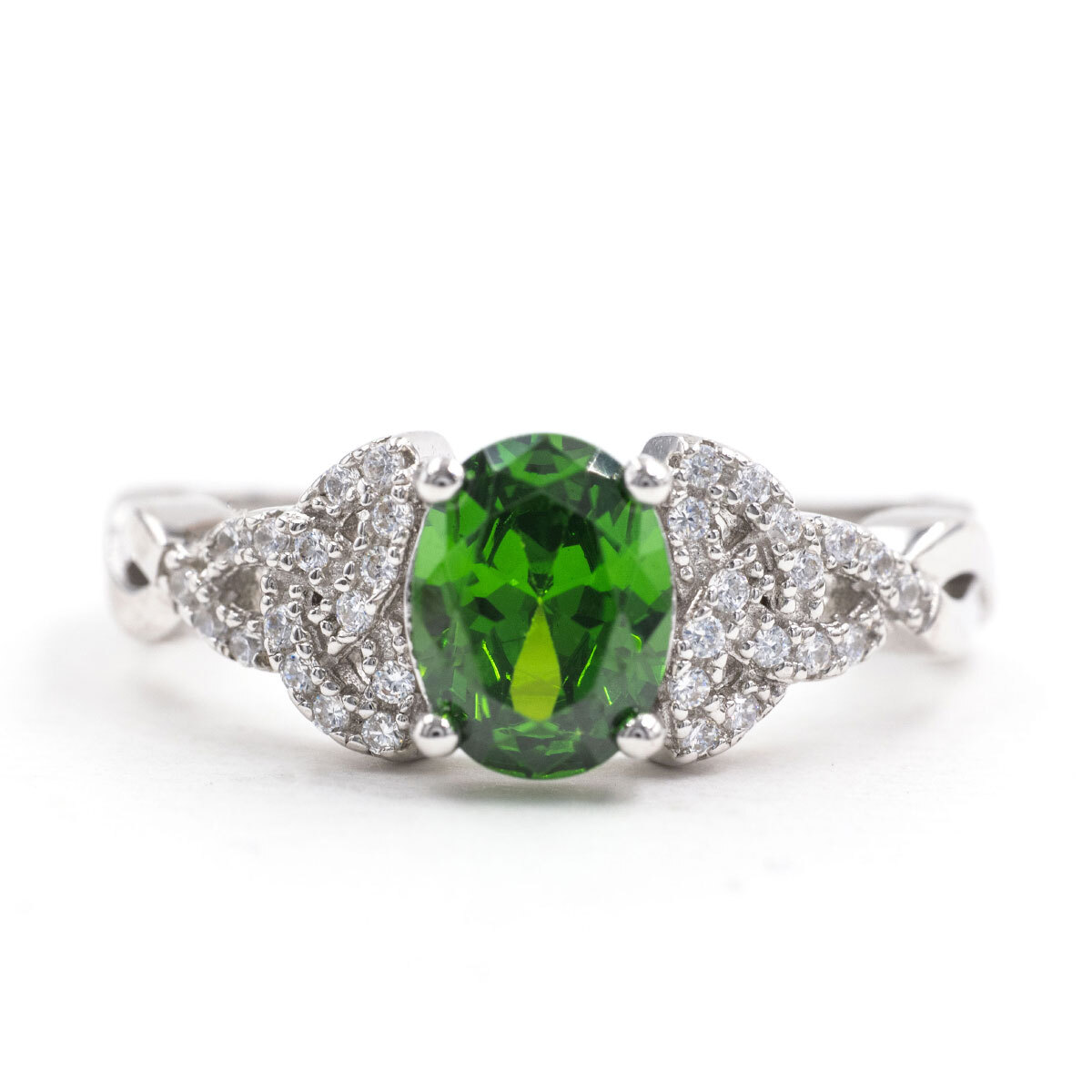
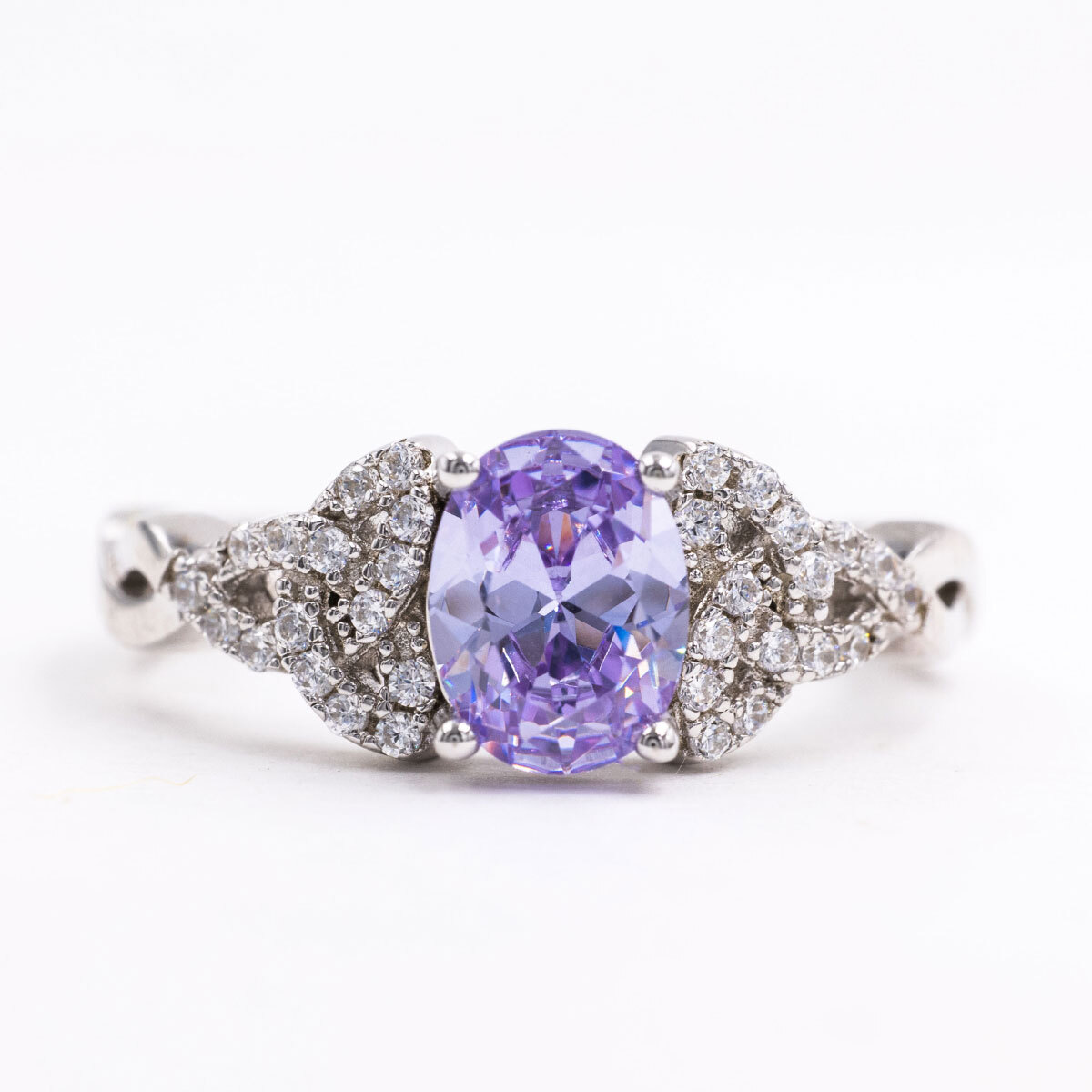
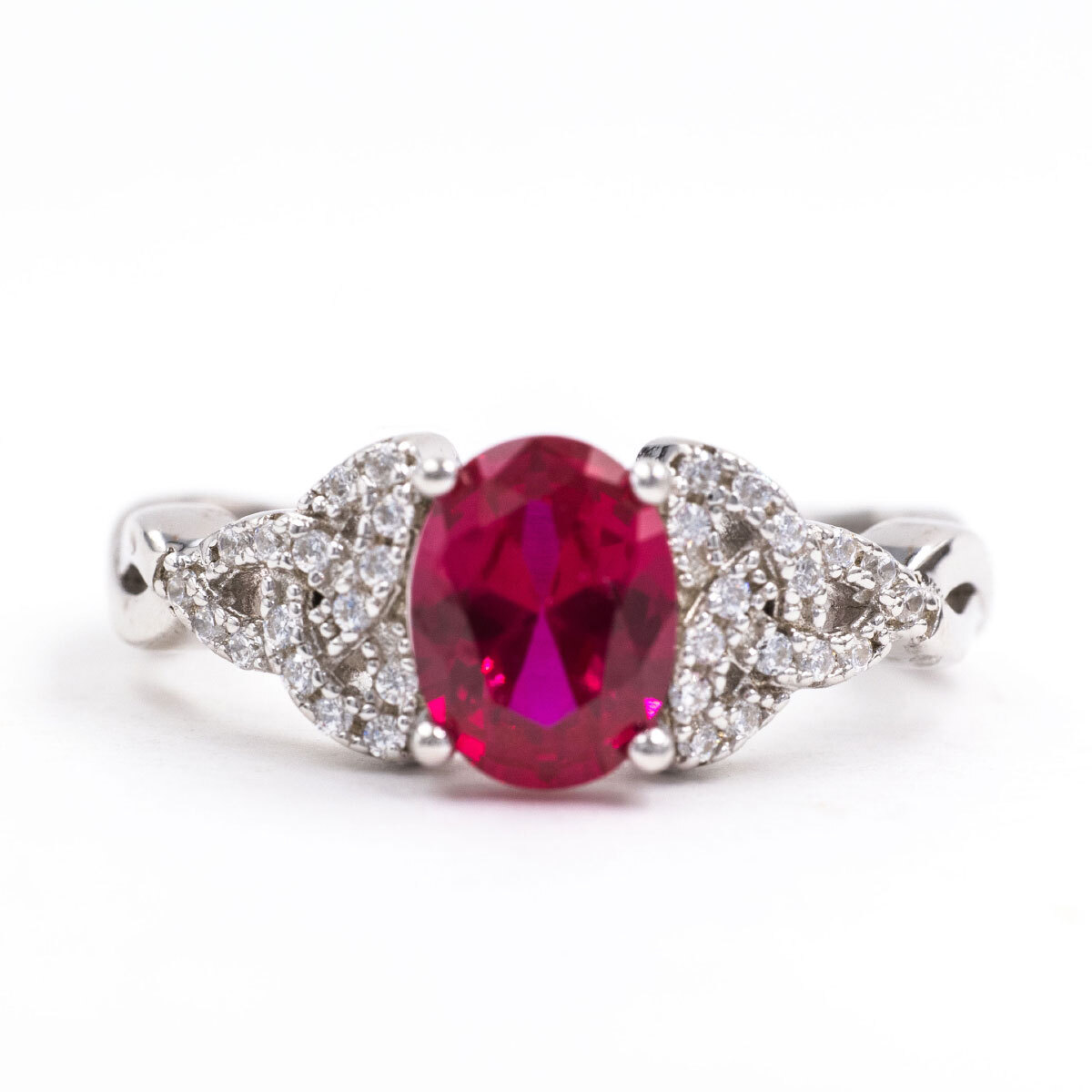
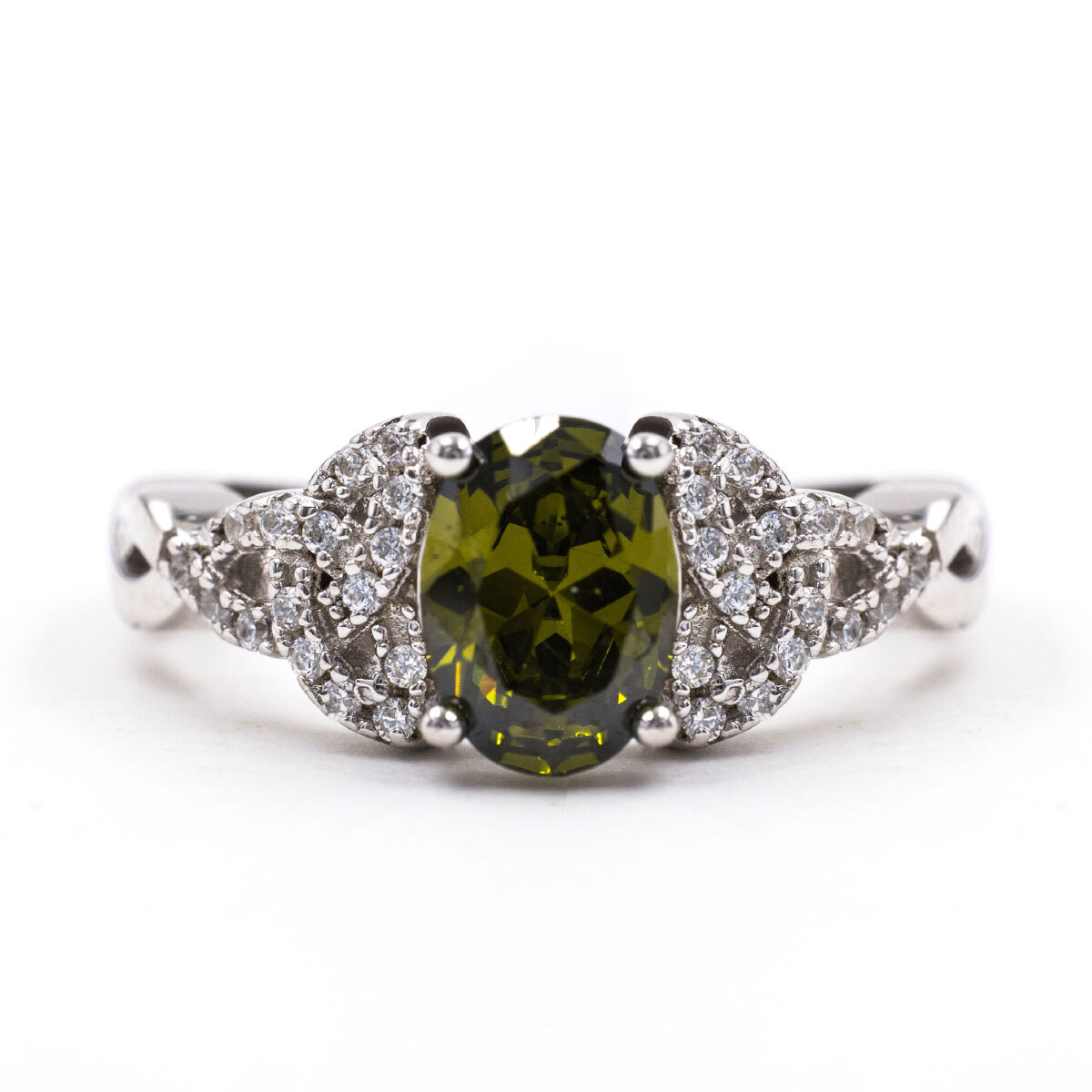
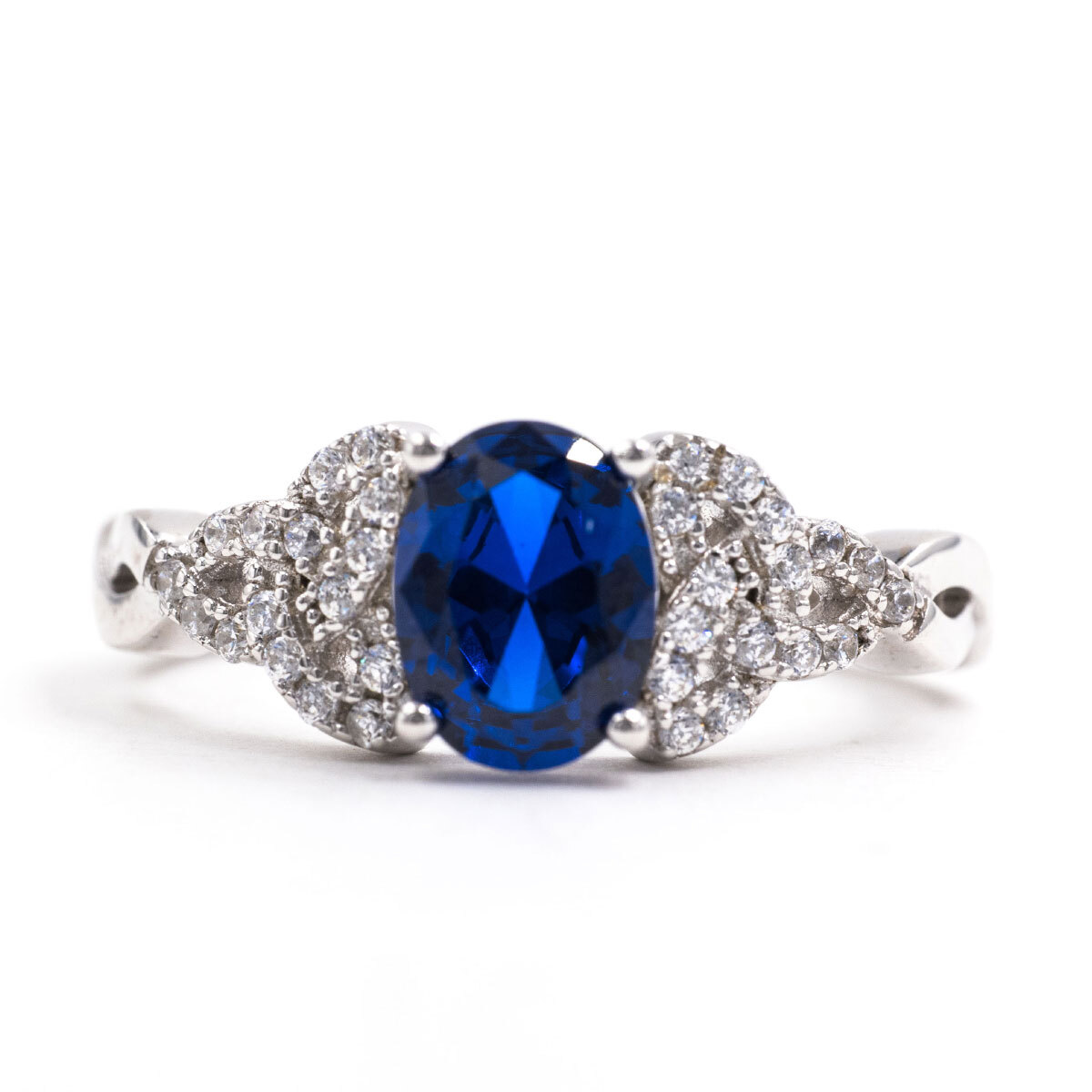
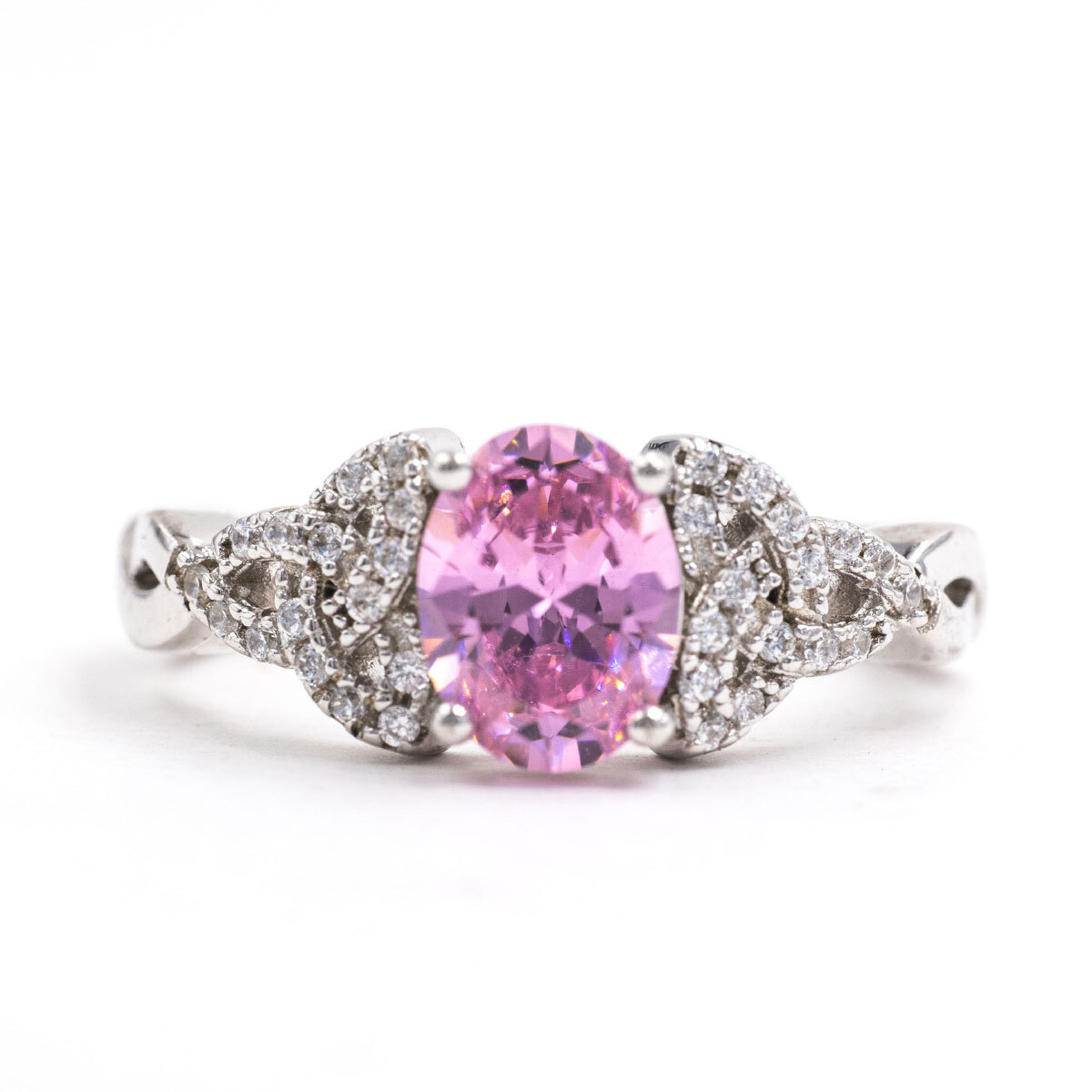
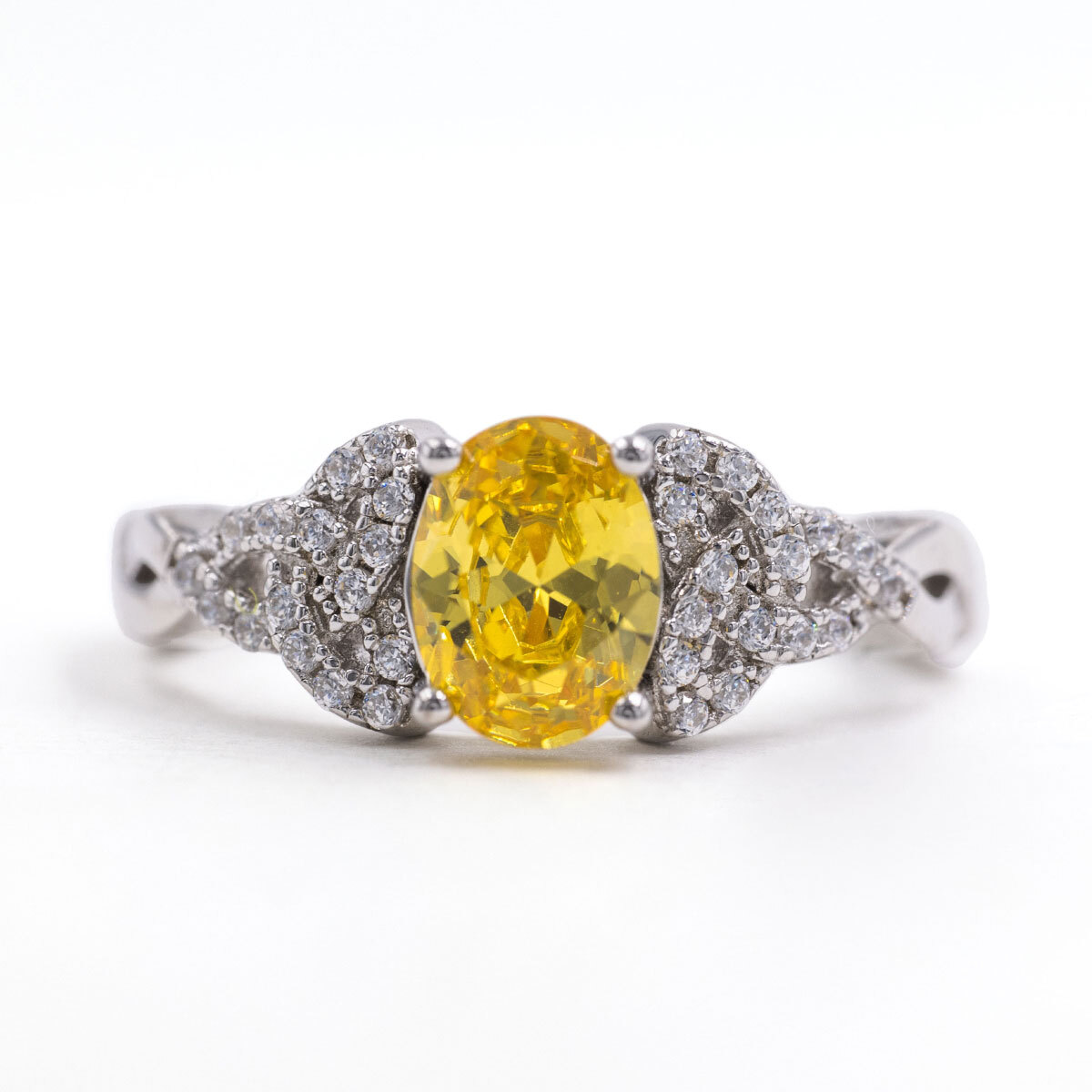
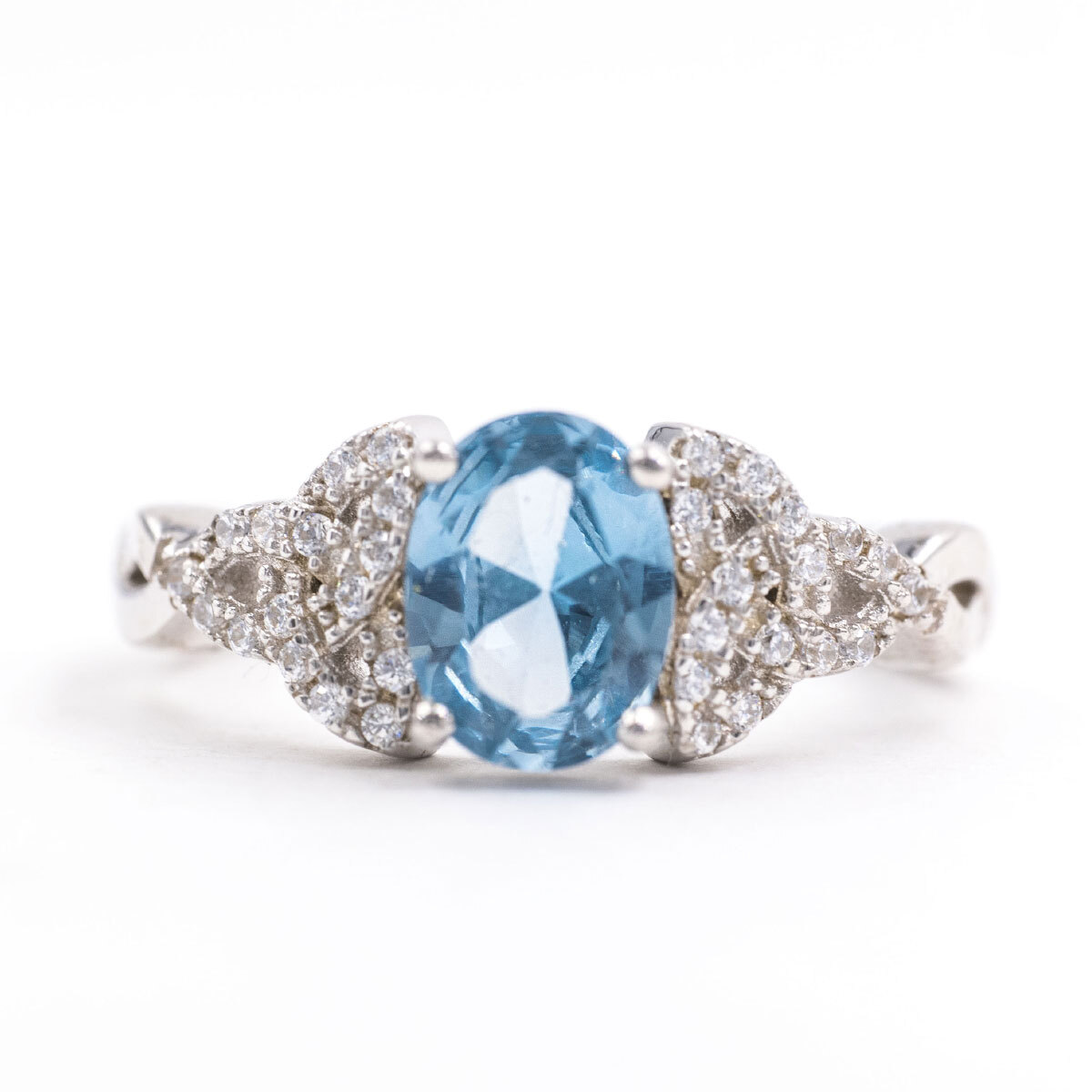
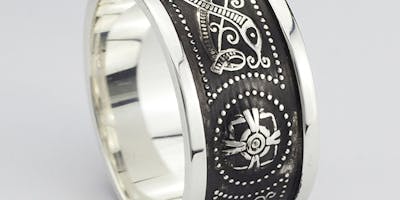
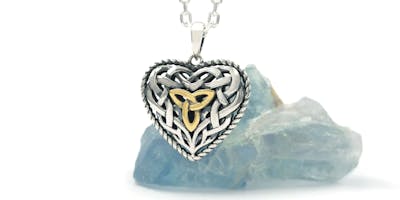
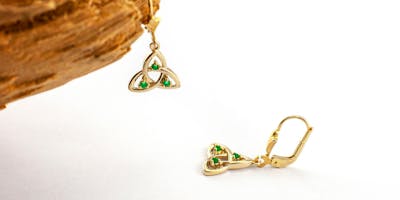
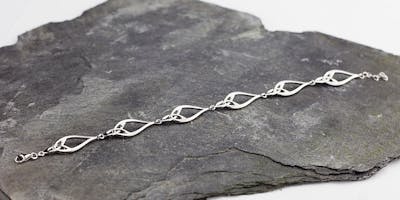
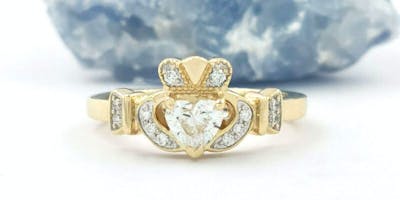
Given all that, it is hardly surprising that the horse inspired a few of our Celtic jewelry designs too!
The horse in myth and folklore
In traditional stories, horses can take on many forms. Shape-shifting tricksters, in the case of the púca, or magical connections to the otherworld in the romantic story of Niamh and Oisin and Tír na nÓg. They are also creatures to be respected and feared, with multiple tales of water horses dragging unwary riders beneath the waves amongst the 25,000+ entries mentioning equines in the National Folklore collection.
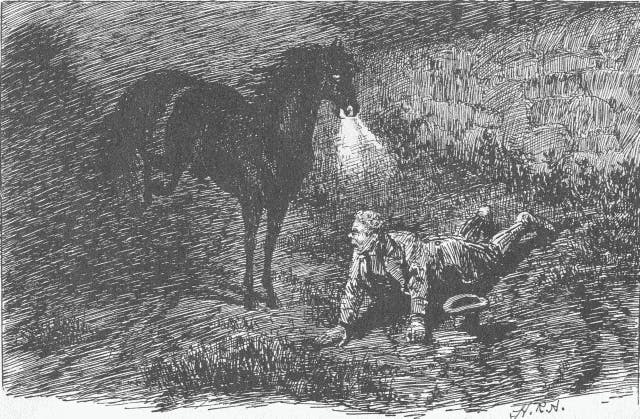
An unfortunate man meeting a púca while out on a lonely rural road.
Photo Credit: Public Domain
History of the horse in Ireland
Stories are one thing, but what about the history of the horse in Ireland? We know that wild horses lived in Ireland long ago from remains found in Shandon Cave, Co. Waterford, alongside the bones of mammoth, bears, and reindeer that are 28,000 years old!
There is then a long gap in the record which coincides with a period when much of Ireland was under a fair bit of ice! More than 20,000 years pass before the earliest evidence for domesticated horses is found at the impressive Stone Age structures at Newgrange, Co. Meath, dating to about 2,400 B.C, more than 4,400 years ago!
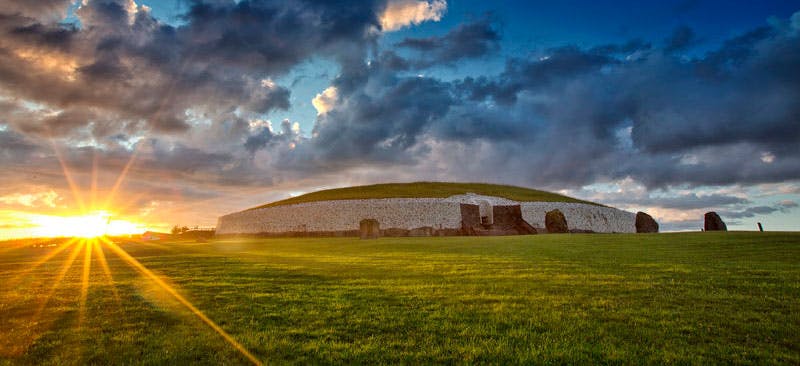
Photo Credit: Brian Morrison © Failte Ireland
The bones found at Newgrange were from older animals, with one notably suffering from arthritis, leading archaeologists to suggest that they were used for work or transport rather than primarily for food. With the scarcity of remains, it seems horses were also rare creatures in Early Bronze Age Ireland. Their scarcity, no doubt, heightened their value and prestige.
This is supported by the discovery of significant numbers of horse remains dating to around 2000 years ago at Dún Ailinne, the seat of the King of Leinster, and also at Tara, the seat of the Irish High Kings. At these two ancient royal sites, just as at Newgrange, the animals found here were mature, with wear on their teeth suggesting they died after a long life of service (and then eaten… I suppose waste not, want not was the order of the day).

The Hill of Tara: a site of great importance in Ireland since the late Stone Age.
Photo Credit: Paulzygmunt
There is plenty of evidence that horses were eaten in ancient Ireland, but the archaeological record seems to support that this was more common at times of food shortage, rather than them being bred specifically for their meat.
We know that eating horse meat was something that was frowned upon in the early medieval period in Ireland, with the Irish Canons stating that “the penance for eating horseflesh (is) four years on bread and water.” A stern consequence for someone hungry enough to eat a horse! The pope got on board with banning the practice in 732 AD, stating that the eating of horse was “a filthy and abominable practice”
So it seems horses were primarily prized for their utility, and early Irish sources make a clear distinction between horses used for riding and those used for working. A work horse in the early records even had its own name and was often referred to as a gerrán, while an ech was a larger riding horse for nobility or warfare, and a capall was a horse of smaller stature.

Ponies for visiting the Gap of Dunloe, Killarney. Co. Kerry c. 1965.
Photo Credit: Image and data © National Folklore Collection, UCD.
Despite early Irish society being one where wealth was built on cows, the law tracts of the time record that horses were of much greater value than their bovine counterparts - with one horse going for anything from two up to fifteen milk cows, depending on the animal. As a result, horses were status symbols, with the great and the good expected to own a number of animals befitting their position. In Celtic society, a nobleman was someone who possessed a horse and arms, while a lord was expected to own at least one riding horse and four others to work. High-status women rarely rode horses, being transported in more comfort by a horse-drawn chariot instead, with roads maintained to ensure their safe passage.
Irish Horses Today
Connemara Ponies
Though not as famous as the ”gemstone of Ireland” with which it shares its name, the Connemara Pony is just as cherished and one of the most famous native breeds on the island. Prized for centuries, they are typically strong, brave, intelligent and very hard-working. Such traits fit the wild and rugged landscape of Connemara, but they also make them great pets, willing cart horses, and brave show jumpers.

Photo Credit: Theohurel (CC BY-SA 3.0)
Like many things in Ireland, the origin of these ponies is a tangle of stories! It’s said that Viking invaders brought their sturdy Scandinavian ponies to Ireland with them. These tough ponies were then thought to mix with beautiful Andalusian horses, escapees from Spanish Armada ships that wrecked on Galway's coast in the 1500s. With time, this pairing led to the unusual combination of refined beauty and elegance coupled with a hardy disposition and athleticism that you find in Connemara ponies. These animals are prized, and the Irish government provides grants for every registered new Connemara foal.
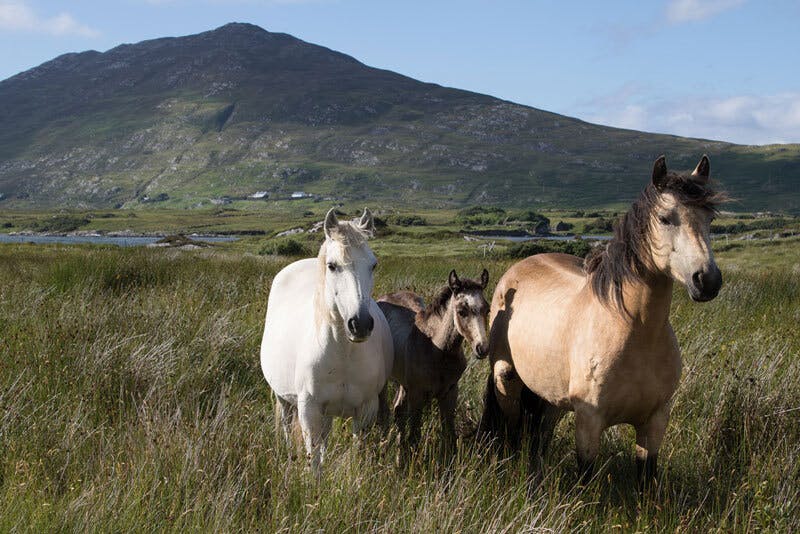
Photo Credit: Tanya Hart (CC BY-SA 2.0)
Horses for Courses
Connemaras are prized, but those looking for horses to compete at the highest level of racing also often look to Ireland, too. Despite our island’s relatively diminutive size and a population smaller than many big cities worldwide, Ireland is the largest producer of thoroughbreds in Europe, trailing only the United States and Australia globally.
It seems Ireland has built on the centuries of experience of animal husbandry and horsemanship and ensured that the ideal climate and calcium-rich soil are put to good use, producing elite racing and sport horses. We had the privilege to visit Ardeo Sporthorses some years ago while tree planting, and saw this excellence in action.

Photo Credit: My Irish Jeweler
The horse in Irish slang and sayings
“Story, horse?” and “ Any craic, horse?” are common enough greetings you might overhear in many parts of Ireland, especially Dublin. Why referring to someone as a horse is not only an accepted greeting, but seen as a friendly term of endearment in Ireland is a bit of a mystery to me. But perhaps the jump from farm animal to friendly greeting shouldn’t be all that surprising given how important horses were throughout Irish history.

A horse and cart, heavily laden with sacks of meal drawn from Warrenpoint with owner Richie Henetty and son Christy of Aughavilla.
Photo Credit: Image and data © National Folklore Collection, UCD.
The importance of horses in Irish life is also illustrated very clearly by how many traditional proverbs, or seanfhocail, refer to them, including a few of our favorites:
- Love is the horse of life - Capall na beatha an grá. Love makes the world go round. This proverb might sound a little strange to us today, but in a time when horses were transport and livelihood all rolled into one, they were as integral to life as love.
- The heaviest load is put on the gentlest horse - An t-ualach is mó ar an gcapall is míne. This wisdom reflects that good workers often end up doing more than their fair share!
- The world would not make a racehorse out of a donkey - Ní dhéanfadh an saol capall rása d'asal. Meaning even with all the resources one could want, the fundamental nature of something can’t be changed.
- It is often that a ragged colt made a powerful horse - Is minic a rinne bromach gioblach capall cumasach. This might seem to contradict the proverb above, but it is simply a reminder not to be too hasty in judgement of someone or something. You might be surprised!
The horse in Irish coins
A horse was among the symbols used in the first coinage of the Irish Free State, designed in 1926 by Percy Metcalf. This same design carried through to the twenty pence coin that I remember from my youth, which was used all the way through to the adoption of the Euro.

A ½ Crown coin from Ireland from 1940 featuring an Irish Hunter horse. This design was carried over to the 20 pence coin that I remember from my younger years!
Photo Credit: Public Domain
Are you convinced?
So even though they are not an official symbol, we think horses deserve to be right up there as Irish cultural touchstones given their importance across Irish society, history, folklore and mythology. Let us know in the comments below what you think, or please feel free to share any horsey anecdotes you have from Ireland, or Irish-bred horses!
Get In Touch
Have a question or something you're not entirely sure about when browsing our pieces? Please reach out. You can send us a note or give us a call—the Dublin workshop is here to make sure that you have a perfect experience from start to finish with My Irish Jeweler.
Follow us on Facebook and Instagram, to see what's new and upcoming. Join our Email list for early offers and special features.

Ciaran
My Irish Jeweler
Born in Co. Antrim and reared in Dublin, I was fascinated with Irish culture from an early age. I suppose it's not surprising given my mother inherited a grá for the Irish language from my grandfather, an Irish school headmaster. And that grá continues! My brother and sister are now Irish teachers, my niece is an award winning Irish dancer, and I proudly work to share Irish culture through our Irish and Celtic Jewelry at My Irish Jeweler!
I love researching and reading about the history of Irish design. It's at the core of what we do here at My Irish Jeweler. I find much of it so interesting that I have to share what I find. I hope you enjoy it!
Comments


 Ask Gemma