



Traditional Irish ways to celebrate Spring and St. Brigid's Day
Written by Ciaran on Jan 21, 2026 | 0 Comments
Ireland’s female patron saint, St. Brigid has had her own national holiday here in Ireland since 2023, marking her feast day on February 1st. St. Brigid’s Day or Lá Fhéile Bríde in Irish, is a celebration of the start of spring, fertility, and protection that can trace its roots back to the 5th century saint and beyond, to the Celtic quarter day celebration of Imbolc.
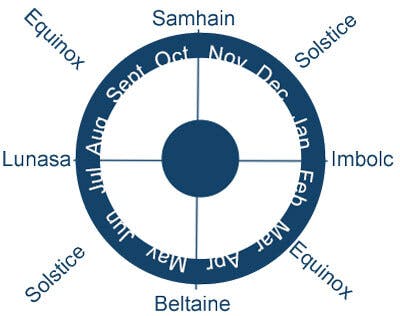
The (Celtic) start to spring
Lá Fhéile Bríde was once one of the most important days in the calendar in Ireland. Today many of the old traditions have fallen by the wayside, but with the new national holiday, Lá Fhéile Bríde has received some much deserved recognition and revival of late.
To this day many people mark St. Brigid's Day as the first day of spring here in Ireland. This may sound fanciful to those living in colder climes, but believe it or not, here in Ireland the signs of spring are everywhere you look! Snowdrops blooming, daffodils emerging, new buds on trees, and a subtle shift in the light all tell us that spring is coming, even if it's still rather chilly! Our ancestors would have known that Lá Fhéile Bríde, and the festival of Imbolc before it, meant lambing season was upon them and the long winter was finally breaking.
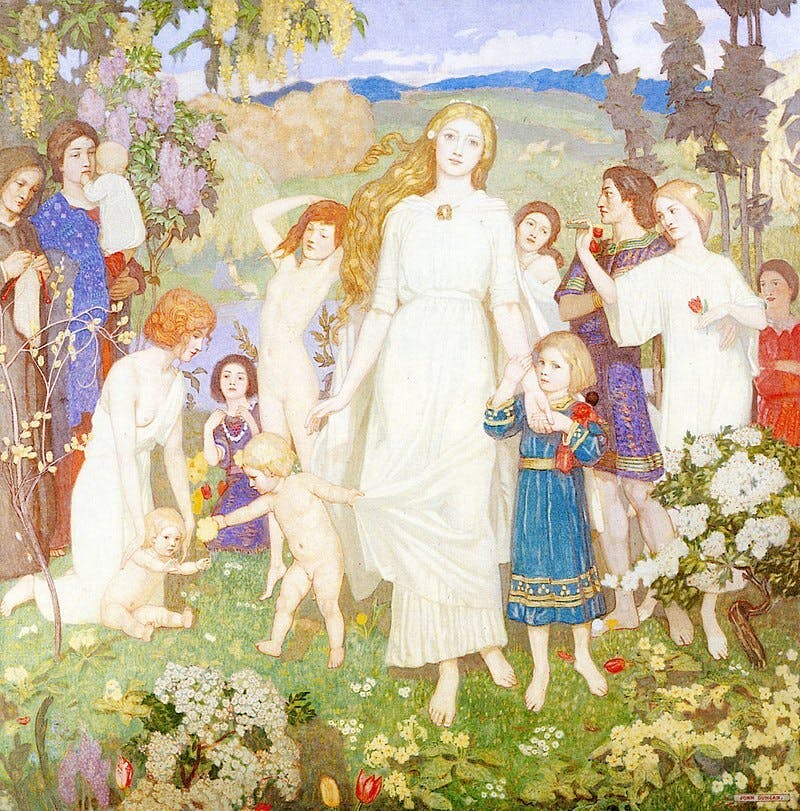
The Coming of Bride (1917) by John Duncan
Photo Credit: John Duncan (1917) Public Domain
So if you would like to mark St. Brigid's Day, Imbolc, or Lá Fhéile Bríde, or the Celtic start of spring this year, read on to find out about some long held Irish traditions and how you might adapt them wherever you are in the world:
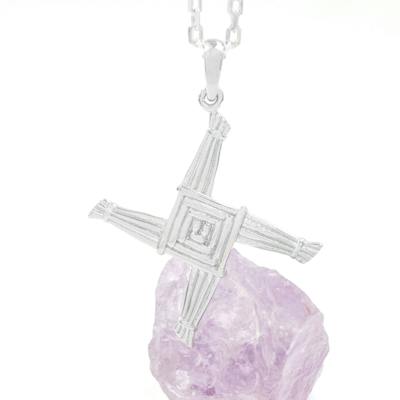
1) Welcome Brigid, and Spring by making a St. Brigid’s Cross
In many homes around Ireland on the eve of St. Brigid’s day, January 31st, one of the women in the family would call to the front door. Representing Brigid and spring, she would knock, holding fresh green reeds in her arm. The family waiting in the darkened house inside, would open the door and welcome "Brigid" and the coming spring into the home, representing the changing of the season.
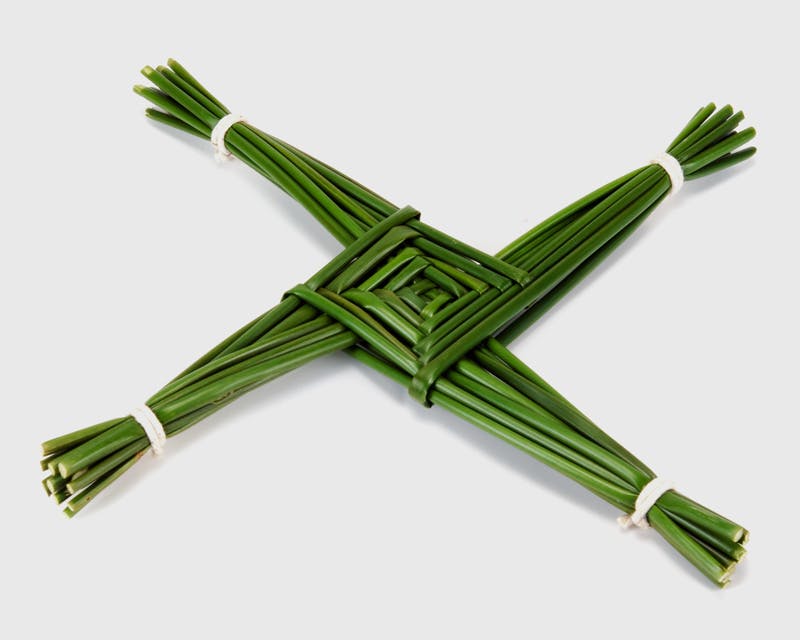
If you would like to have a go at this tradition, learn how to make your own crosses here. And if you don’t have fresh rushes to hand, don’t fret. You can use hay, thin rolled up tubes of paper, paper straws, or even pipe cleaners to make one! When you're finished, hang your cross in your home near the door, fireplace or wherever you would like special protection. Brigid’s crosses were thought to bring the blessings of the saint to the family, home, crops and any domestic animals for the year ahead.
2) Give a gift to newlyweds
If you get good at making these crosses, you may want to start giving them to friends or family. The protective powers of a Brigid’s cross were believed to be so strong, that it was common in Ireland to give one as a gift to friends and especially to newlyweds.
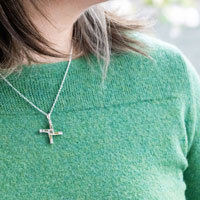
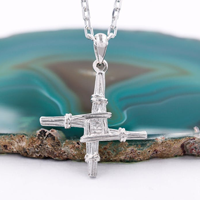
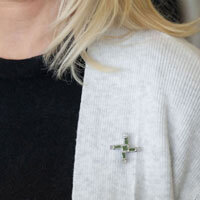
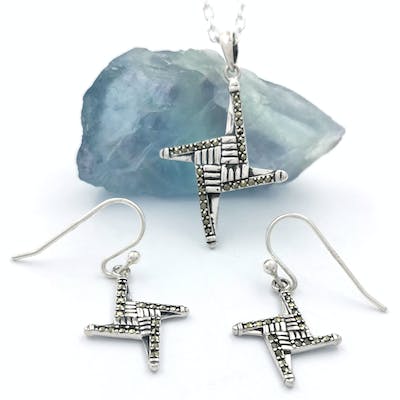
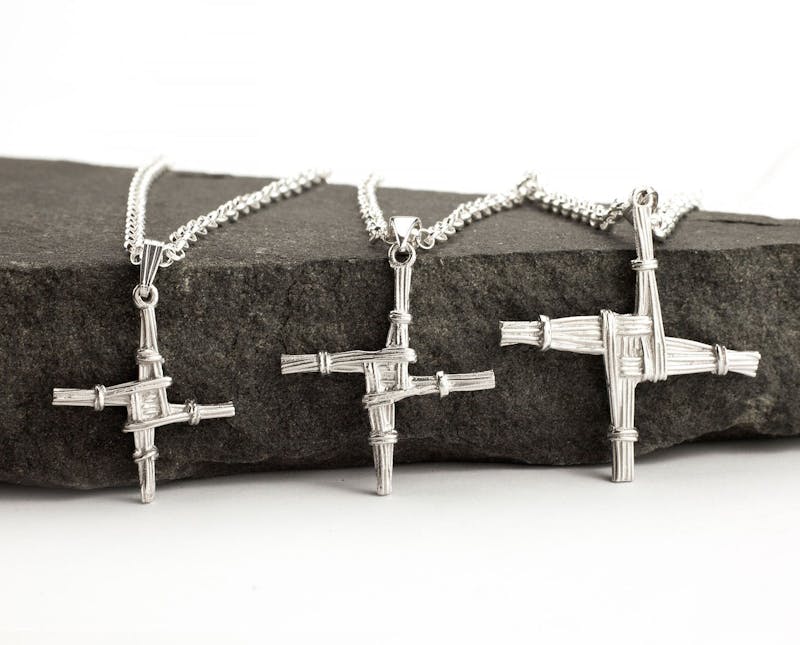
The cross was seen to offer protection and to bring the blessings of Brigid to the home, setting them well on their way to establishing their family. So if you have a friend or a family member just establishing themselves in life, a Brigid’s cross is a housewarming gift that is sure to surprise and delight. Not crafty? You could always use one of our lovely Brigid’s crosses made from silver or gold.
3) Visit a well, a river, or walk in nature
In towns around Ireland you will find many things dedicated to St. Brigid, giving an indication of how esteemed she has been by Irish people of all faiths and none for centuries. There are more schools, hospitals and landmarks that bear her name in Ireland than any other saint, including the famous Patrick! Holy wells are commonly dedicated to St. Brigid, with some believing the well’s water holds special healing power. This power was thought to be at it's most powerful on the eve of her feast day.
There may also be a connection to the older Celtic goddess, Brigid, in this tradition. Brigid the goddess held mastery over water including wells and rivers. To this day, people make pilgrimages to wells and rivers, leaving offerings for the saint or goddess to receive her blessing with some taking small flasks of water home with them for use throughout the year. If you don’t have a well near you, a walk in nature to a local stream or river will bring a welcome moment of calm or relaxation to your day.

4) Gather with Friends and Family
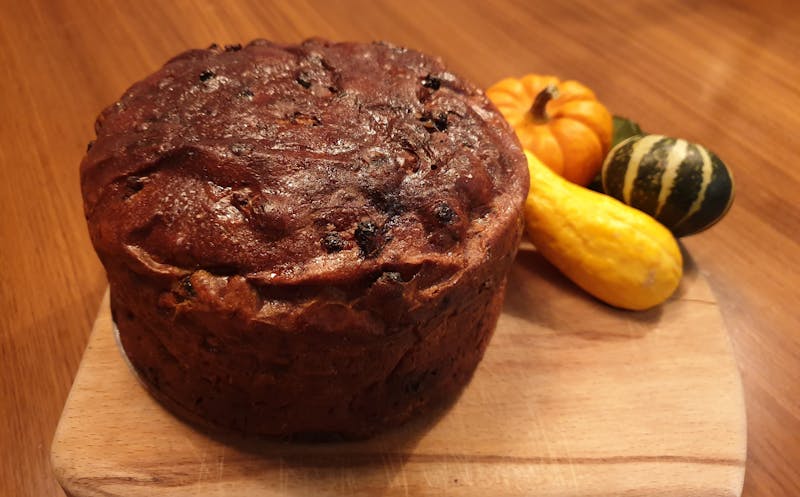
All the cross making on the 31st is hungry work. Traditionally, a hearty supper of potatoes and fresh churned butter would be served up to keep the cross weavers happy, boxty being a typical choice in the north midlands especially. Colcannon is also traditional, made by adding chopped cabbage to mash. And for dessert, warm sugary tea served with a slice of barm brack or apple cake.
If you would like to make barmbrack to fuel your own cross making, here is a recipe - just leave out the strange ingredients unless you would like to do some fortunetelling too! Or pehaps you would like to try boxty? If you are not a baker or a cook, a warm and comforting meal with friends or family would be a fine way to celebrate Lá Fhéile Bríde.
5) Light Candles
Outside many rural homes in Ireland, a candle would be lit on St. Brigid's Day to commemorate the saint, to bring luck, and perhaps even to light her way. It was believed that the saint herself traveled the land on St. Brigid’s eve, conferring blessings to homes that lit a candle or bore her cross. This may also stem from the much older fertility celebrations of the Celtic goddess Brigid who was also master of the smyth and fire.
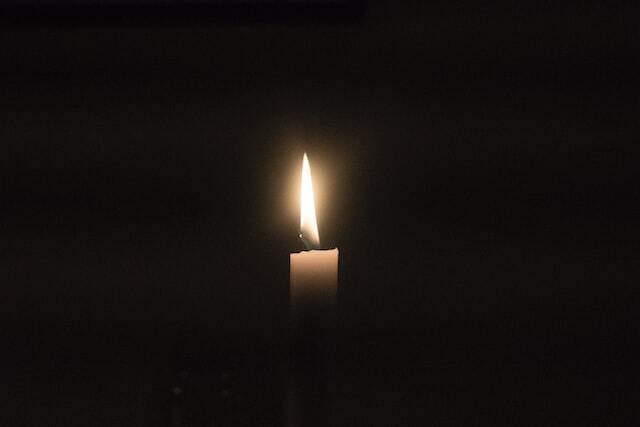
Photo Credit: Jarl Schmidt on Unsplash
So lighting a few candles around the home is an excellent way to mark Lá Fhéile Bríde. Candlelight certainly adds a cosy feeling on a cold dark evening, especially if you have paired it with good food and company!
6) Blow off some steam like the Biddy Boys
Coming out of the dark days of winter, you may feel the need to blow off a little steam and a cosy dinner by candlelight at home just may not cut it. In several parts of Ireland, there is a curious celebration that sees groups of people disguised in straw costumes, going door to door. These merry bands carry a straw ‘Biddy’, an effigy of St Brigid, and collect for a party in her honor, singing and reciting rhymes. A full blown 'hooley' then ensues with dancing, singing and storytelling long into the night.
You needn’t dress in straw, carry a Biddy, or go collecting, but a good get together with friends is sure to be a welcome treat to banish January and great the coming of spring with energy and laughter.
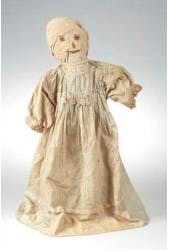
A doll effigy of St. Brigid made in her honour for St. Brigid's Day, 1 February (NMI Collection - F:1980.443)
Photo Credit: NMI
Want to know more about Brigid?
Intrigued by these traditions and want to know more about the woman herself, or the older Celtic goddess that shares her name? Read our take on the Secrets of St. Brigid's Day or learn how to make your own Brigid’s cross.
Your own Brigid’s Cross to treasure
And if you would like your own Brigid’s cross you can treasure forever, browse our selection crafted in sterling silver and gold. Not sure what style is right for you? Get in touch. We would be delighted to use our years of experience to help you find the perfect cross for you.
Get In Touch
Have a question or something you're not entirely sure about when browsing our pieces? Please reach out. You can send us a note or give us a call—the Dublin workshop is here to make sure that you have a perfect experience from start to finish with My Irish Jeweler.
Follow us on Facebook and Instagram, to see what's new and upcoming. Join our Email list for early offers and special features.

Ciaran
My Irish Jeweler
Born in Co. Antrim and reared in Dublin, I was fascinated with Gaelic culture from an early age. I suppose it's not surprising given my mother inherited a grá for the Irish language from my grandfather, an Irish school headmaster. And that grá continues! My brother and sister are now Gaelic teachers here in Ireland, my niece is an award winning Irish dancer, and I proudly work to share Irish culture through our Irish and Celtic Jewelry at My Irish Jeweler!
I love researching and reading about the history of Irish design. It's at the core of what we do here at My Irish Jeweler. I find much of it so interesting that I have to share what I find. I hope you enjoy it!
Comments




 Ask Gemma