


St. Patrick's Day Countdown: Ireland's Gemstone
Written by Jane on Mar 11, 2025 | 0 Comments
Just one week to go to St. Patrick's Day! We’re counting down the days to March 17th with an offer and some fun facts for you. Check back in with us each day to see what’s up next, and if you've just joined us there are 9 days to catch up on!
Connemara Marble
Rare and beautiful, Connemara marble is found exclusively along Ireland’s rugged wild Atlantic coast. This Irish marble is as unique as the spectacular landscape it forms. Known to many as Ireland's gemstone, each piece is unique with greens of almost every hue in arresting layers and patterns.
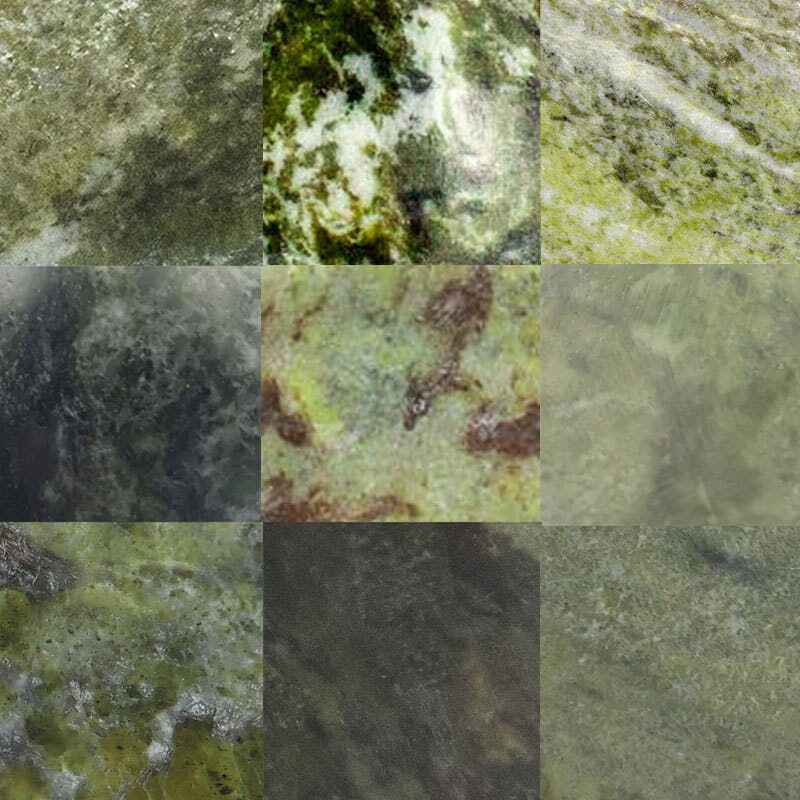
Not quite 40 shades of green! But a closer look at the Connemara marble we use in our jewellery certainly covers almost every tone from dark and moody, nearly black, through to almost white with just a whisper of green. The fantastic variety of patterns and colours are part of what makes this stone so unique and treasured.
Photo Credit: J. Chadwick
But how was Connemara marble formed? Why is it green? Is Connemara marble actually marble? How did Connemara marble get its name? And what makes Connemara marble so prized and unique? Read on for all these answers and more:

How was Connemara Marble formed?
Connemara marble has a primal past, formed from muddy marine sediments deposited in a shallow sea around 600 million years ago. These sediments were transformed by formidable forces generated in the formation of the spectacular landscape of the wild northwestern Atlantic coast of Ireland and northern Scotland over 390 million years ago. Ancient treasures indeed!
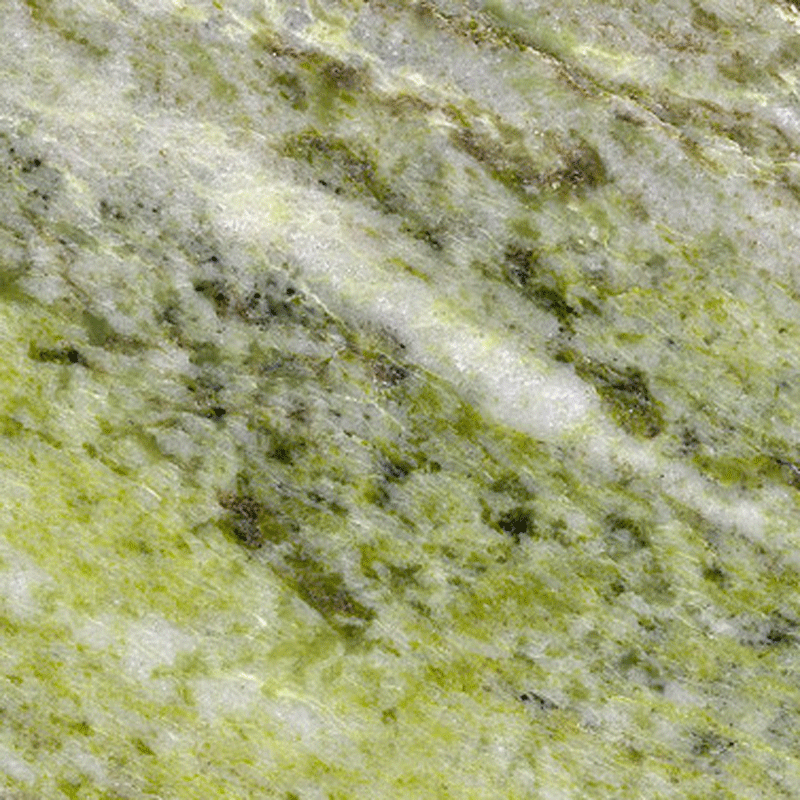
Beautiful layering visible in a polished slab of Connemara Marble.
Photo Credit: J. Chadwick
Why is Connemara Marble green?
The beautiful bands of rich colour within the marble are formed by tiny crystals of green minerals like serpentine, diopside, and chlorite. These minerals formed at high pressure and temperatures over 550°C, transforming muddy marine sediments into limestone and then marble. The creamy white bands in Connemara marble are formed of calcite and dolomite, two much more typical minerals found in marble worldwide.
Is Connemara Marble actually marble?
This might seem like a strange question. Surely the hint is in the name? But many of the famous green "marbles" of the world are not actually marbles at all! It all stems from differences between naming of different rock types between geologists, people who study rocks, and stonemasons and quarry owners, people who sell or work with rocks. Commercially any stone that can be polished is called marble - so many green "marbles" are actually other stone entirely like green onyx, or the famous Verd antique, a breccia used by the ancient Romans.
Unlike these other stones, Connemara marble is a true marble as recognised by geologists. It is a hard crystalline rock formed from ancient limestone transformed through heat and pressure. Marble of any colour has long been prized as an ornamental stone - used in famous buildings like the Taj Mahal or spectacular sculptures like Michelangelo's David.
Where is Connemara Marble found?
This lovely stone gets its name from the only region in the world in which it is found, the wild and rocky landscape of Connemara in Co. Galway.
Where does it get its name?
The name of the entire region, the marble, and even the wild ponies that roam the landscape, are thought to derive from an ancient tribe that ruled the lands, the Conmhaícne. This tribe lived along the maritime coastline of Co. Galway many centuries ago and were known as the Conmhaícne Mara, or in English, the Conmaicne of the sea.

Derryclare lough and mountain, Connemara, Ireland.
Photo Credit: Bernd Thaller (CC BY 2.0)
Why is Connemara Marble so prized?
This stone has been prized for thousands of years primarily for its striking colour. As we've seen above, true marbles with green hues are exceedingly rare! This rare marble has been shipped around the world for centuries. You will find it in the lovely Galway Cathedral in Ireland, the Museum Building in Trinity College Dublin, Westminster Cathedral in London, as well as farther afield, in the Senate Chamber of the Capital Building in Pennsylvania. And, thanks to a tip from one of our blog readers, we have it on good authority that Connemara marble has even made it to a different west coast, in St. Patrick's Catholic Church, San Francisco, USA.
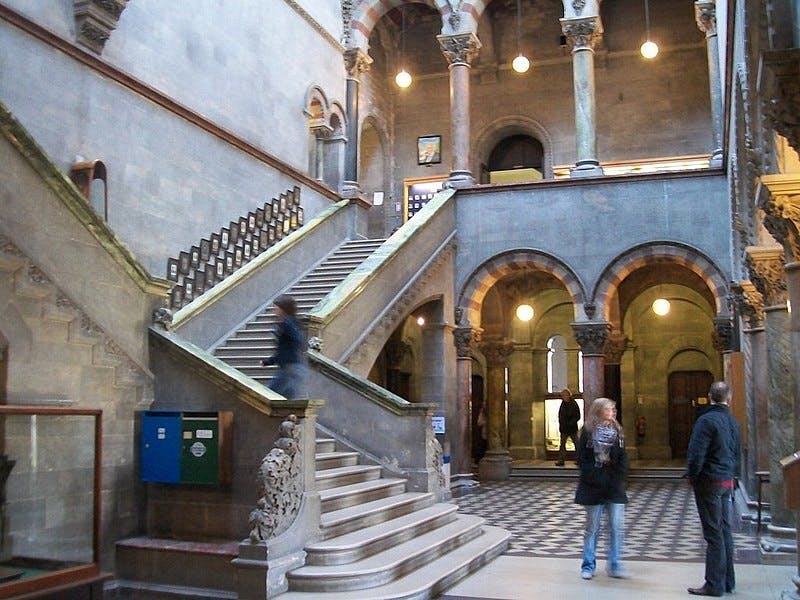
The ground floor of the Museum Building, in Trinity College Dublin has the first documented use of Connemara marble in building, with many columns, handrails, pilasters and roundels crafted in this lovely stone.
Photo Credit: Eric Jones CC BY-SA 2.0
In 2022, Connemara Marble was given international recognition of its cultural importance and symbolism in Ireland, when it was officially designated a Heritage Stone. Connemara marble joined world famous stones like Portland Stone and Welsh Slate from the UK, and Italian Carrara Marble on a growing, but still relatively short list of 32 stones recognised globally.
There are axes made of Connemara marble in the National Museum of Ireland that date to over 4,000 years old! Quarrying Connemara marble was one of Ireland's first domestic industries. And it is still quarried to this day in Galway on Ireland’s wild Atlantic coast.
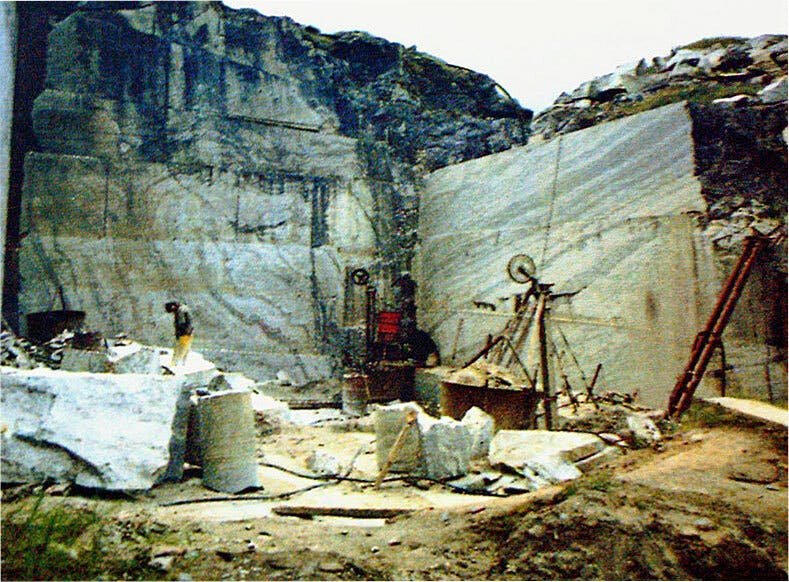
A photo of the quarry at Moycullen in Co. Galway at the Connemara Marble Factory.
Photo Credit: Joseph Mischyshyn (CC BY-SA 2.0)
Connemara Marble is strong and beautiful
But Connemara marble is also prized because the green minerals that result in its unique colour also make it a very durable and more hard-wearing stone compared to many other marble varieties. This makes it a stunning and practical choice of ornamental stone.
Connemara Marble: The Irish gemstone
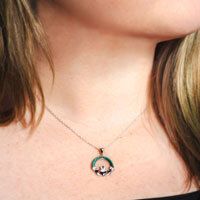
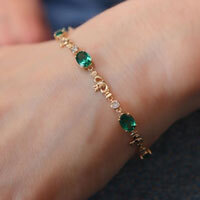
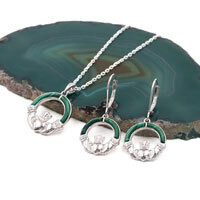
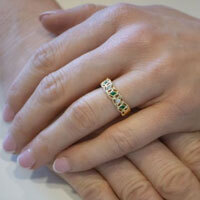
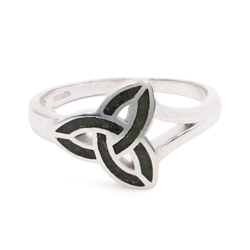
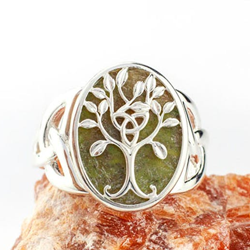
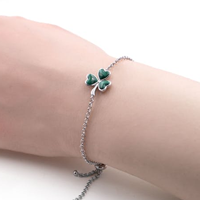
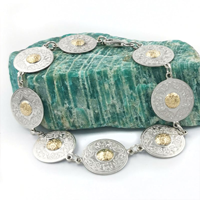
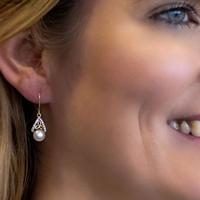
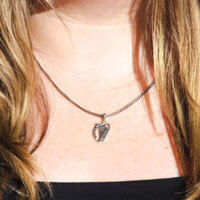
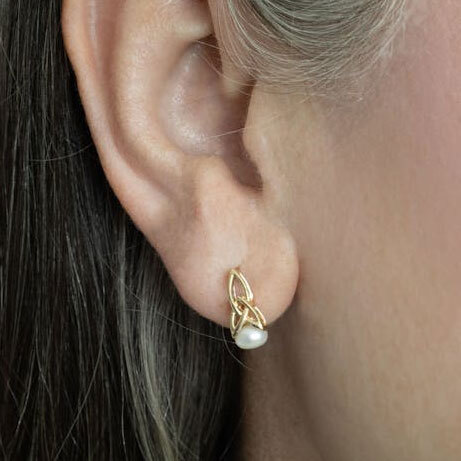
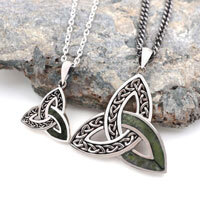
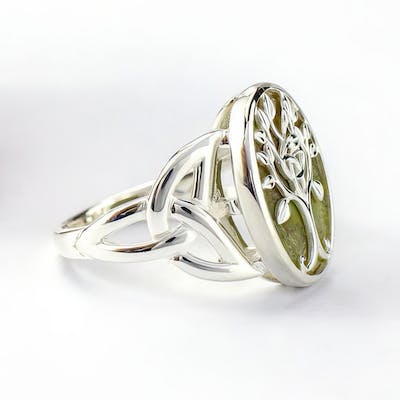
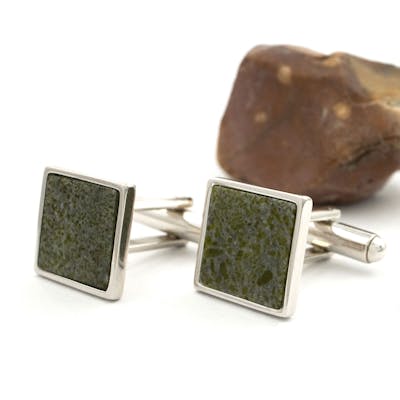
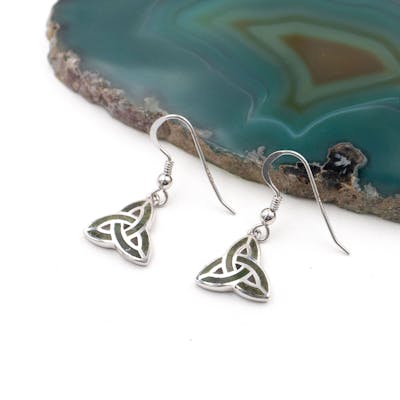
Known as the “Irish Gemstone”, the beautiful and unique patterns and colours, combined with its workability and durability, also make it a fabulous material for use in jewellery. With a fine grained structure, it can be carved and polished into all manner of shapes and finishes to make beads, cabochons, inlay, and more. We present this stunning stone in our Connemara Marble jewellery.
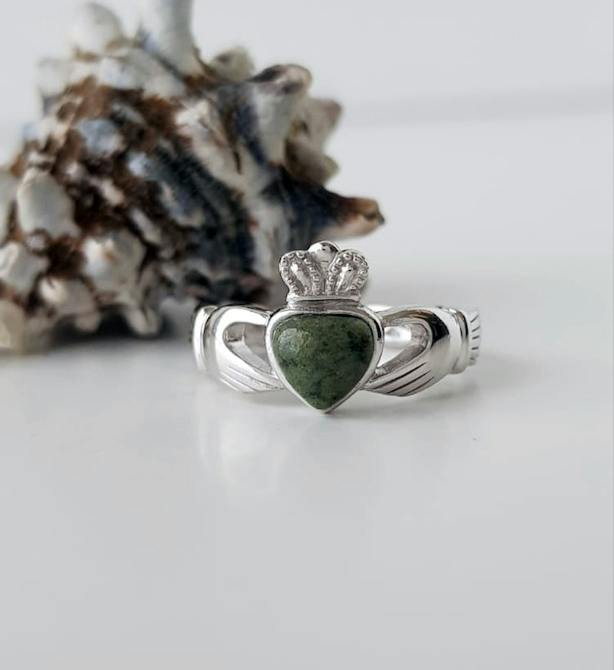
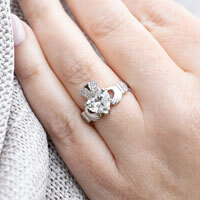
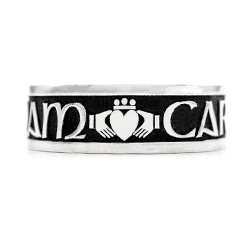
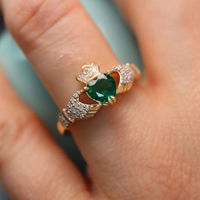
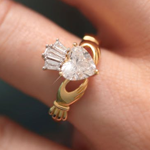
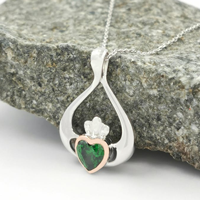
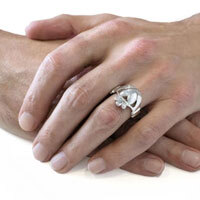
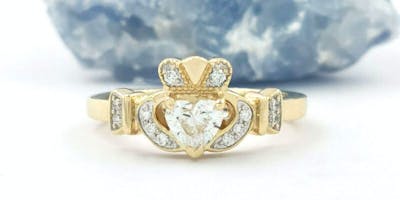
The iconic Claddagh ring with a polished Connemara Marble heart.
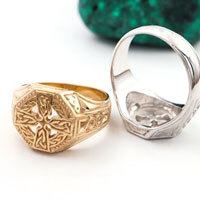
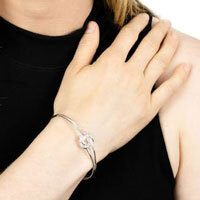
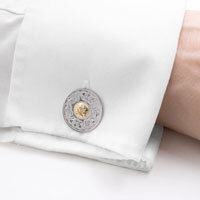
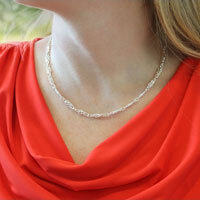
Each piece contains a small piece of our beautiful island in carefully crafted earrings, necklaces, bracelets, and rings.
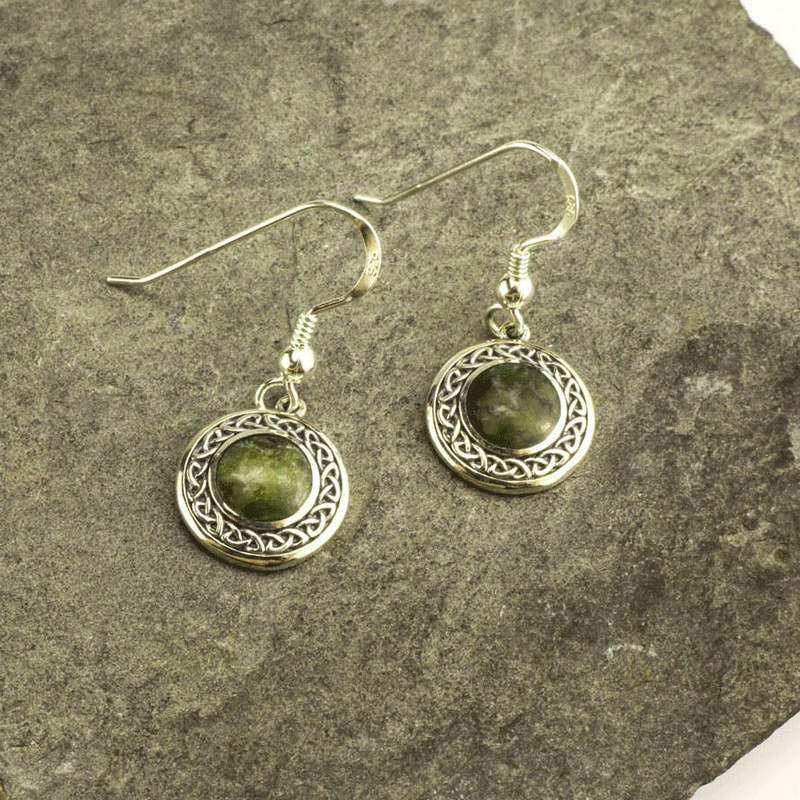
Connemara Marble: An Irish legacy
A treasure traded for centuries in Ireland, Connemara Marble continues to be of great value today. According to Oscar Wilde, “Connemara is a Savage Beauty” and we tend to agree. We take great pride in sharing this beautiful and unique material with our customers worldwide.

What's next?
Check back in with us tomorrow for Day 12 of our St. Patrick's Day countdown, or open Door Number 11 of our 17 Days of celebratory offers!
One-of-a-Kind Connemara Marble
Every piece of Connemara marble is different, making for unique gifts—ideal for anyone proud of their Irish roots.
Get In Touch
Have a question or something you're not entirely sure about when browsing our pieces? Please reach out. You can send us a note or give us a call—the Dublin workshop is here to make sure that you have a perfect experience from start to finish with My Irish Jeweler.
Follow us on Facebook and Instagram, to see what's new and upcoming. Join our Email list for early offers and special features.

Jane
My Irish Jeweler
Born in Dublin but reared in Canada, as a child I had an interest in Ireland that will be familiar to many young emigrants. I was completely fascinated, wanting to know all about the land of my parents and grandparents. Rare month-long family trips back "Home" cemented my love for Ireland. And I wore my Irish heritage with pride, sporting my tiny silver Claddagh gifted to me by my Irish grandparents until my finger grew too large for it!
As a young adult I moved back to Dublin, studying Geology and Mineralogy in university at historic Trinity College Dublin. After living in Denmark and the Netherlands working as a scientist and university mineralogy lecturer, I finally settled back home in Dublin. I joined the growing family at My Irish Jeweler in 2016, bringing my useful knowledge of metals and minerals as well as my perspective as an Irish emigrant with a love for HOME.
Comments




 Ask Gemma