


So pleased you enjoyed the read Linda. You are very kind to take the time to get in touch. We love sharing Irish culture and history with our friends around the globe and is great to know our efforts are appreciated. Beannachtaí na Cásca oraibh!
Written by Ciaran on Apr. 01, 2026 | 10 Comments
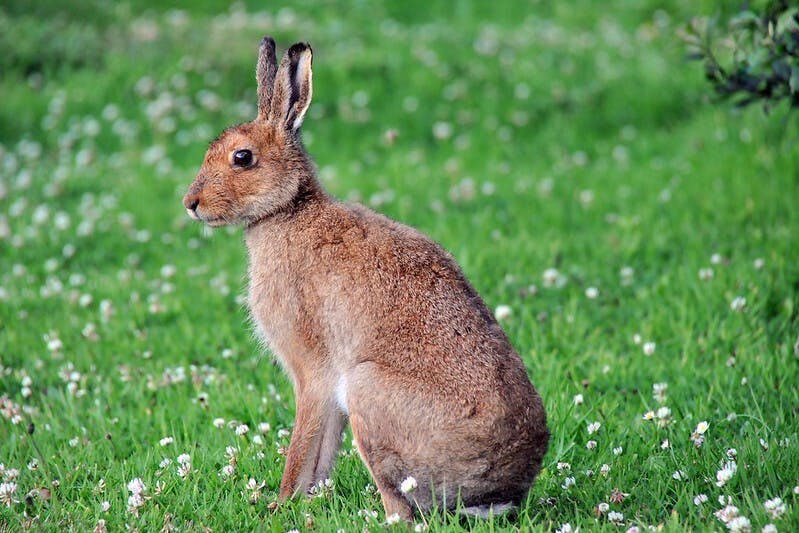
Nowadays, Easter in Ireland is marked much like in many parts of the world, with a visit from a long-eared friend for the kids and too much chocolate for everyone! (Is there even such a thing? Asking for a friend...)
But there are also a few Irish flourishes that add a distinctive local flavour to proceedings. There are events to remember “The Rising,” dry celebrations and sneaky pints, gugging, clúdóg feasts, dancing with the Easter Sunday sun, cake dances, and even a funeral for a fish.
Read on to discover some odd old Irish Easter Traditions and folklore, and a guide on how to say Happy Easter in Irish.
Despite all the tasty treats, this time of year in Ireland can be bittersweet with the remembrance of the 1916 "Easter Rising." This military campaign saw Irish rebels take on rule in the country, igniting years of intense and divisive fighting and, eventually, Irish independence.
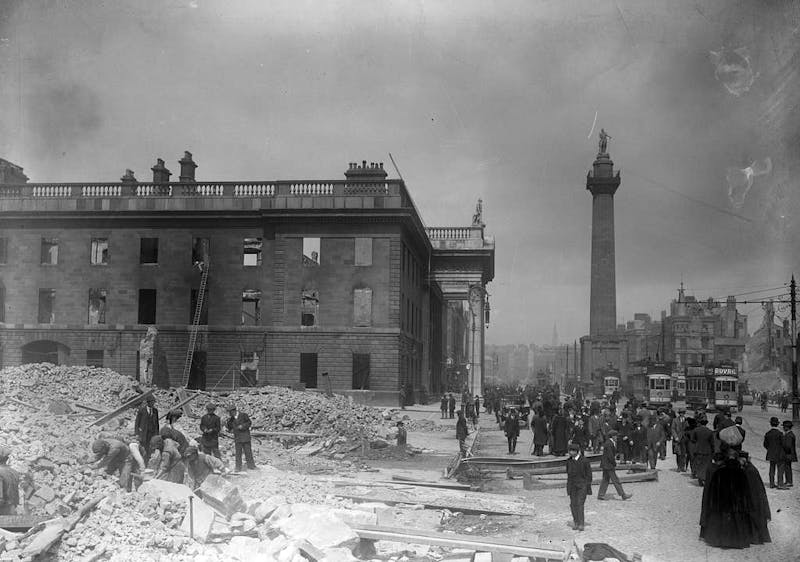
Military ceremonies, parades, and commemorations are held throughout the country each year to mark this pivotal event in Irish history.
Such struggles of the past are a distant memory for many. These days, for most families, Easter is associated with holidays. It is still one of the most important holidays here in Ireland, along with Christmas and St. Patrick’s Day. Children across the country are delighted to have an impressive two weeks off school!
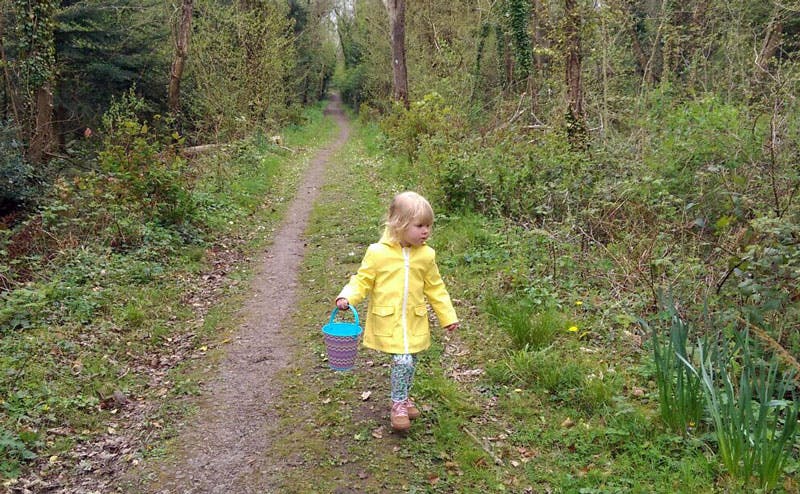
Irish children typically spend their Easter holidays like many of their counterparts in other parts of the world - egg hunting and eating too much chocolate!
Each child, on average, receives 4 to 6 large eggs over the Easter break, with some getting a good deal more! Together, they gobble their way through around 5 million of them over the Easter weekend, possibly "helped" by their parents. Terrifying or impressive, when you consider there are just over 1.2 million kids in Ireland!

Irish children of times gone by would have had much healthier feasts. They would spend the first days of their school holidays in Holy Week building an "Easter house" made of sticks and sod and whatever else they could get their hands on and collecting fresh eggs, which, because of Lent, were not allowed to be eaten until Easter Sunday.
In some parts of the county, children would call door to door, much as they would at Hallowe'en, but this time wearing aprons and carrying baskets looking for eggs for their feast rather than sugary treats.
Called "Gugging," whatever the kids managed to collect on their tour would be pooled together at their little house on Easter weekend for their Clúdóg, a picnic feast! Often cooked over an open fire, sometimes decorated with wax, natural dyes, or string, you can just imagine the fun of an alfresco egg Easter feast! We have done this with my own kids, and they were big fans; they didn't even look for chocolate!
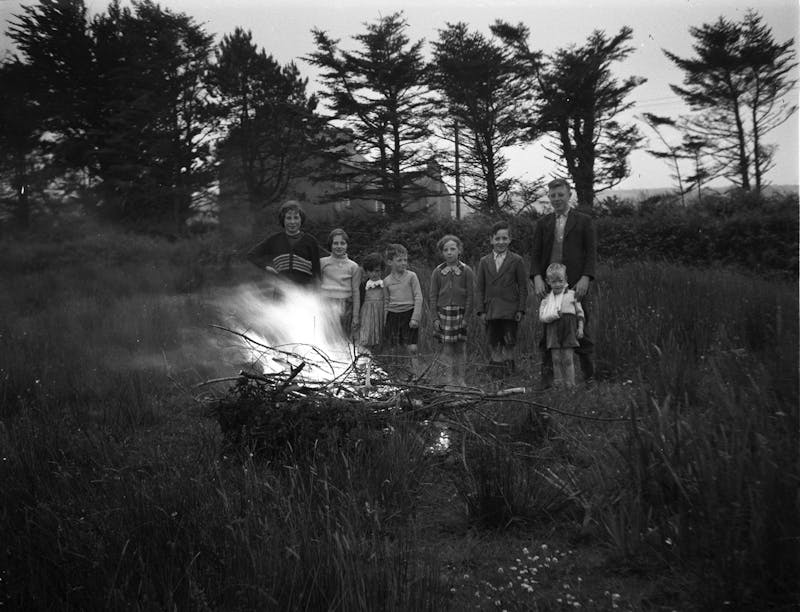
The kids would keep the eggshells from their feast, too, to decorate their May bush later in the season, marking the ancient festival of Bealtaine.
It's not just the children in high spirits. There are jolly adults too, at least since 2018. From 1927, the Intoxicating Liquor Act prohibited pubs from serving alcohol on Good Friday, leading to plenty of "dry" celebrations and gatherings and lots of VERY confused tourists wandering around Irish cities looking for an open pub. That was until 2018, when the law was repealed, breaking a tradition of over 90 years. Now, visitors to Ireland and locals alike can have a "sneaky pint" in most pubs on Good Friday!
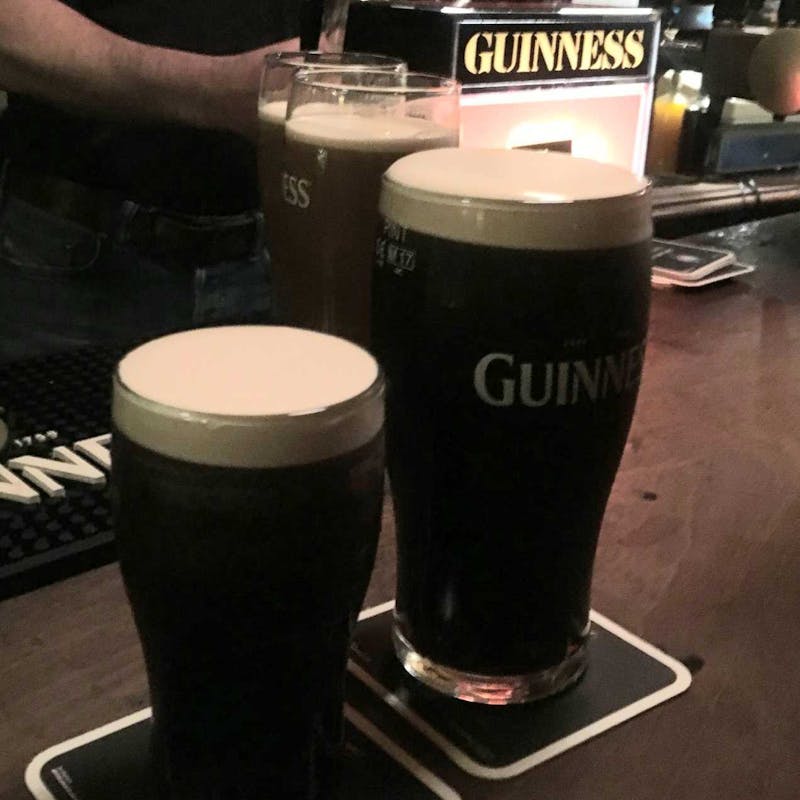
In some parts, things may not have changed all that much. Publicans in Newmarket, Co Cork, agreed to remain closed on Good Friday to uphold the "dry" tradition despite the State lifting the ban. And even publicans in Dublin report a quieter day than on a typical Friday.
But an alcohol-free Good Friday isn't the only Easter tradition changing in modern Ireland. Good Fridays of yesteryear were traditionally a quiet day for fasting, attending church and the stations of the cross. Most workplaces were closed, and not too long ago, even TV and radio were off the air.
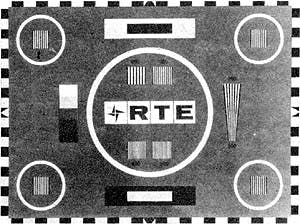
Many workplaces still honor the holiday, so Good Friday is the beginning of an extra long weekend for most, with lots of family visits and rich food after Lenten Fasts.
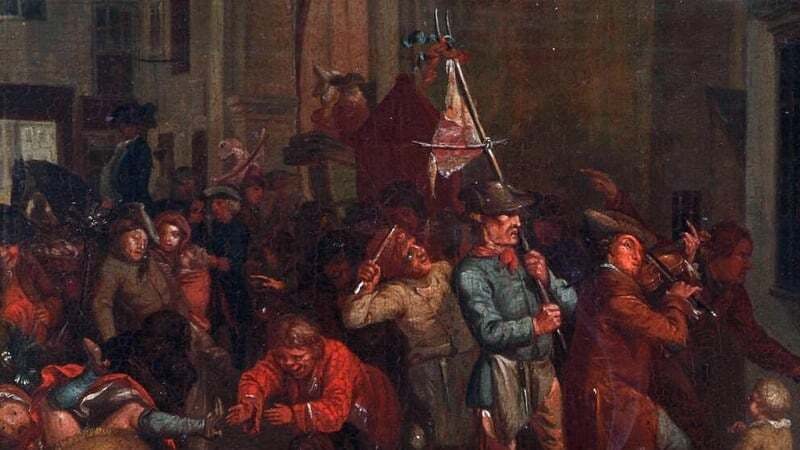
After a long Lenten fast where meat was strictly off the menu, many local butchers, especially in the south of Ireland, would hold a mock funeral for a herring! The butcher would march the fish tied to a pole out of town, where it would be whipped by locals. It seems all were quite tired of fish suppers throughout Lent and looking forward to breaking their fast on Sunday!
An amazing archive of Irish folklore, collected from Irish schoolchildren in the 1930s, records that a traditional Irish Easter Sunday would start very early, with a throwback to pre-Christian traditions: waking up to see the Easter sun dance on the horizon!
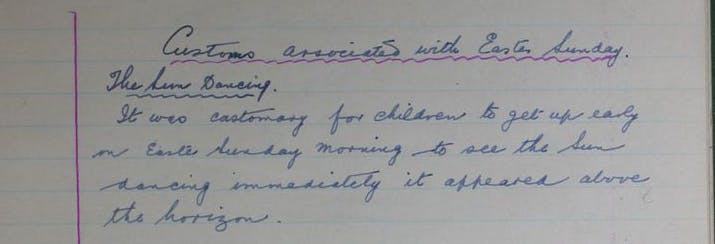
We loved this excerpt from an account written by a student at St Peter's, Phibsboro, in Dublin, in the late 1930s, about the dancing Easter sun. After that diversion, breakfast is all about eggs, and lots of them, as they were traditionally forgone during the week leading up to Easter Sunday. These were served with soda bread marked with a cross.
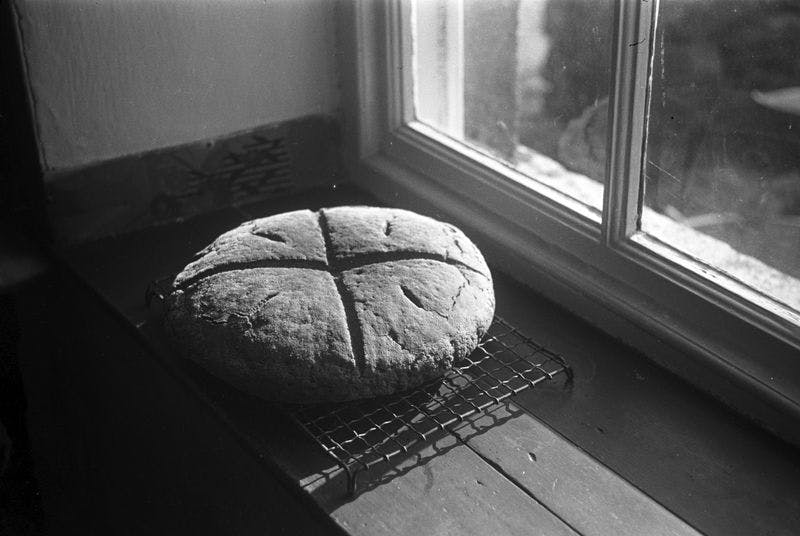
Traditional Irish Soda Bread, like this loaf in a Co. Kerry cottage with a typical crossed top, would be left to cool on a windowsill before eating. This could be a quieter breakfast than typical, as children, as we learned above, might be feasting outside in an "Easter House", after Mass, of course, eating boiled “Easter Eggs” with homemade wooden spoons called prankins.
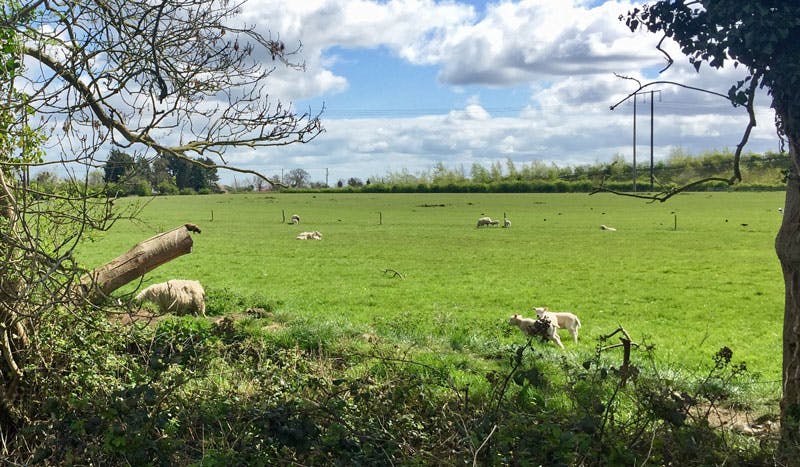
Easter dinner in Ireland is spring on a plate: leek soup, roast lamb and vegetables, or roast ham, followed by cake or buns and, of course, the modern-day addition of many, many, chocolate eggs!
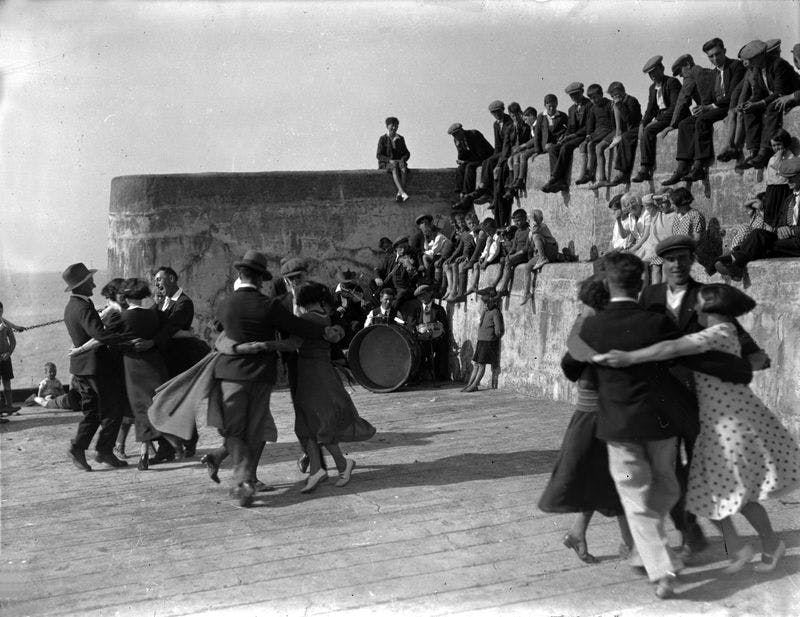
Traditionally, all of that food could be worked off at an Easter Dance contest, where people would aim to win simply by outlasting all of the other participants or by being a particularly fine dancer. The prize? More food in the form of a beautifully decorated Easter cake, specially baked for the occasion.
There may not be as much dancing these days, but mercifully, everyone can recover from the fun, food, and excitement of Easter here in Ireland, as we have a bank holiday on Easter Monday, too!
And, of course, we send "Beannachtaí na Cásca oraibh" - The blessings of Easter to you! Listen to our pronunciation guide below to share Easter blessings with your friends and family this Spring.
There were several more funny bits of folklore associated with Easter in Ireland that we felt we should share:
Spring brings with it many special occasions as well as Easter... weddings, baptisms, communions, confirmations, Mother's Day and birthdays -- just to name a few! Mark the moment with a piece of genuine Irish jewelry.
Have a question or something you're not entirely sure about when browsing our pieces? Please reach out. You can send us a note or give us a call—the Dublin workshop is here to make sure that you have a perfect experience from start to finish with My Irish Jeweler.
Follow us on Facebook and Instagram, to see what's new and upcoming. Join our Email list for early offers and special features.

Ciaran
My Irish Jeweler
Born in Co. Antrim and reared in Dublin, I was fascinated with Gaelic culture from an early age. I suppose it's not surprising given my mother inherited a grá for the Irish language from my grandfather, an Irish school headmaster. And that grá continues! My brother and sister are now Gaelic teachers here in Ireland, my niece is an award winning Irish dancer, and I proudly work to share Irish culture through our Irish and Celtic Jewelry at My Irish Jeweler!
I love researching and reading about the history of Irish design. It's at the core of what we do here at My Irish Jeweler. I find much of it so interesting that I have to share what I find. I hope you enjoy it!
So pleased you enjoyed the read Linda. You are very kind to take the time to get in touch. We love sharing Irish culture and history with our friends around the globe and is great to know our efforts are appreciated. Beannachtaí na Cásca oraibh!
Thank you for this delightful history of Easter traditions in Ireland.
You are most welcome Kathy! I hope you enjoyed a few traditions of your own over the past weekend and will pass on your well wishes to Ciarán!
Thank you for the informative article. It was a pleasure to read. I must point out however, no one attends mass on Good Friday. It is the only day of the year that mass is not offered.
Thanks for the edit Josephine - you are of course correct. Many use the term "mass" here interchangeably with "church" but it could certainly cause confusion.
You put the PERSON in personality - thank you for the efforts of Irish Background as you create jewelry with meaning.
You are most welcome Tom. Thanks for your kind words.
Don’t Stop what you do! I thank you for opening that door to OUR culture. I’m trying to learn the Irish language , but she’s a bugger eh?? I so enjoy the history and important happenings you write about. We’re an earthy and resilient lot indeed !! As my father would say, “there are two kinds of people in the world, the Irish and those who wish they were!” Thank you again. Can’t wait for a return trip to your magical country!! Happy Easter! 🐣

Happy (belated) Easter, Kate! Thanks for taking the time to read our post and share your passion for Ireland. It's wonderful to connect with our friends around the world. Hope you'll be able to get back to our green shores someday soon. All the best from our team in Dublin!

 Irish Gold
Mined in Co. Tyrone
Irish Gold
Mined in Co. Tyrone
 Claddagh Rings
 Claddagh Earrings
 Claddagh Necklaces
 Claddagh Bracelets & Bangles
 Claddagh Jewelry Gift Sets
Buy them together. Save 20%
Claddagh Jewelry Gift Sets
Buy them together. Save 20%
 Mens Claddagh Jewelry
 Womens Claddagh Jewelry
 Celtic Cross Necklaces
 Celtic Cross Rings
 Celtic Cross Earrings
 St Brigid's Cross Necklaces
 Anniversary
 Women
Women
 Men
Men
 Couples
Save 10% when you buy together
Couples
Save 10% when you buy together
 Celtic Knot
No beginning. No end.
Celtic Knot
No beginning. No end.
 Personalized Ogham
Ireland's Ancient Alphabet
Personalized Ogham
Ireland's Ancient Alphabet
 Trinity Knot
Eternity
Trinity Knot
Eternity
 Celtic Warrior
Inspired by the Ardagh Chalice
Celtic Warrior
Inspired by the Ardagh Chalice
 Mo Anam Cara
My Soul Mate
Mo Anam Cara
My Soul Mate
 Shamrock
Ireland's best-loved symbol
Shamrock
Ireland's best-loved symbol
 Tree of Life
Cherish your Irish roots
Tree of Life
Cherish your Irish roots
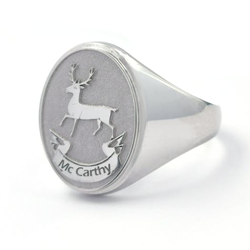 Family Crest
With your Coat of Arms
Family Crest
With your Coat of Arms
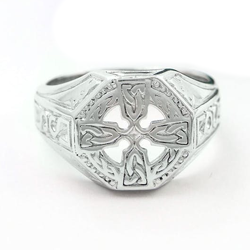 Celtic Cross
Christian & Pagan symbolism
Celtic Cross
Christian & Pagan symbolism
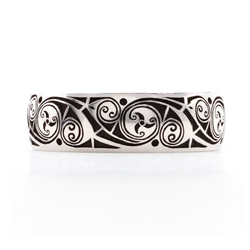 Triskele
Mystical pre-Christian symbol
Triskele
Mystical pre-Christian symbol
 50% off Clearance Rings
 Get a Free Ring Sizer
 Womens
 Mens
Mens
 Womens
 Mens
Mens
 His & Hers
Save 10% with Matching Bands
His & Hers
Save 10% with Matching Bands
 Claddagh
Love, Loyalty & Friendship
Claddagh
Love, Loyalty & Friendship
 Celtic Knot
No Beginning, No End
Celtic Knot
No Beginning, No End
 Trinity Knot
Faith and Eternity
Trinity Knot
Faith and Eternity
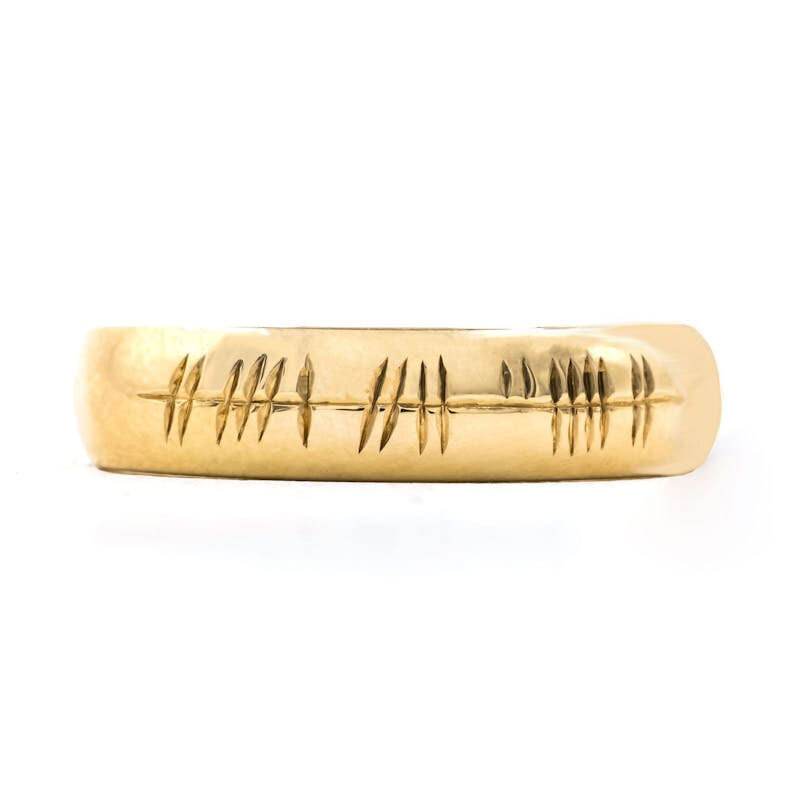 Ogham
Personalized with Ireland's ancient alphabet
Order a Free Ring Sizer
Get it right first time
Ogham
Personalized with Ireland's ancient alphabet
Order a Free Ring Sizer
Get it right first time
 Book an Appointment
See your ring in-person or by video call
Book an Appointment
See your ring in-person or by video call
 Claddagh
Love, loyalty & friendship
Claddagh
Love, loyalty & friendship
 Celtic Knot
No beginning. No end.
Celtic Knot
No beginning. No end.
 Trinity Knot
Eternal love
Trinity Knot
Eternal love
 Solitaire
 Oval
Oval
 Halo
Halo
 3 Stone
Make an appointment
See your ring in-person or by video call
Order a Free Ring Sizer
Get it right first time
3 Stone
Make an appointment
See your ring in-person or by video call
Order a Free Ring Sizer
Get it right first time
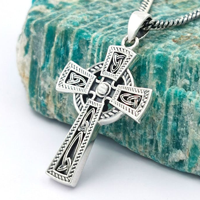 Celtic Cross
Inspired by the Irish High Cross
Celtic Cross
Inspired by the Irish High Cross
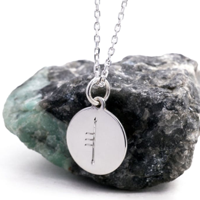 Personalized Ogham
Ireland's ancient alphabet
Personalized Ogham
Ireland's ancient alphabet
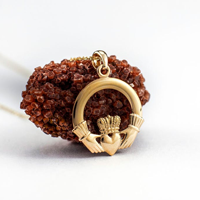 Claddagh
Love, loyalty & friendship
Claddagh
Love, loyalty & friendship
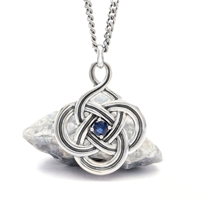 Celtic Knot
No beginning. No end.
Celtic Knot
No beginning. No end.
 Trinity Knot
Eternity
Trinity Knot
Eternity
 Shamrock
Ireland's best-loved symbol
Shamrock
Ireland's best-loved symbol
 St Brigid's Cross
Ireland's female patron saint
St Brigid's Cross
Ireland's female patron saint
 Tree of Life
Cherish your Irish roots
Tree of Life
Cherish your Irish roots
 Rare Irish Gold
Mined in Co. Tyrone
Rare Irish Gold
Mined in Co. Tyrone
 Coat of Arms
Featuring your family crest
Coat of Arms
Featuring your family crest
 Womens
 Mens
Mens
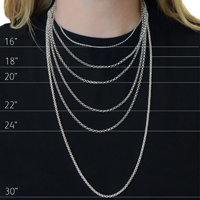 Chains
Silver & Gold
Chains
Silver & Gold
 Celtic Knot
No beginning. And no end.
Celtic Knot
No beginning. And no end.
 Claddagh
Love, loyalty and friendship
Claddagh
Love, loyalty and friendship
 Trinity Knot
Faith and Eternity
Trinity Knot
Faith and Eternity
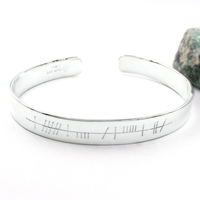 Ogham
Personalized with Ireland's ancient alphabet
Ogham
Personalized with Ireland's ancient alphabet
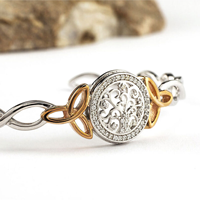 Tree Of Life
Cherish your Irish roots
Tree Of Life
Cherish your Irish roots
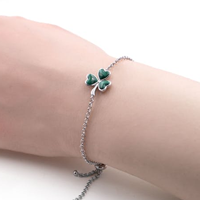 Shamrock
Ireland's best-loved symbol
Shamrock
Ireland's best-loved symbol
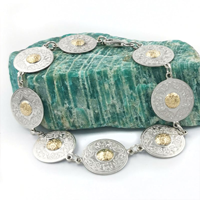 Celtic Warrior
Inspired by the Ardagh Chalice
Celtic Warrior
Inspired by the Ardagh Chalice
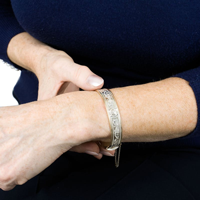 Womens
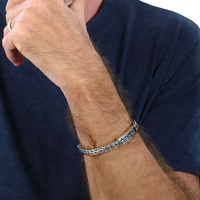 Mens
Mens
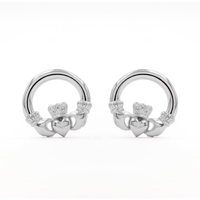 Claddagh Earrings
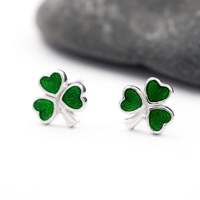 Shamrock Earrings
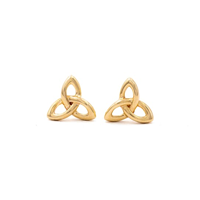 Trinity Knot Earrings
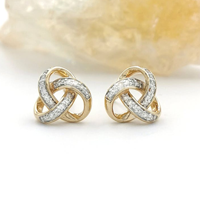 Celtic Knot Earrings
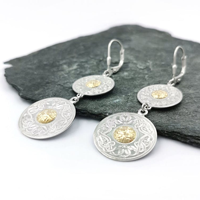 Celtic Warrior Earrings
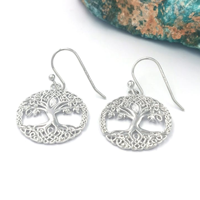 Tree of Life Earrings
 Studs
Studs
 Hoops
Hoops
 Drops
Drops




 Ask Gemma


I really enjoyed reading this article. I love learning about Irish culture especially since recently visiting Ireland and having ancestors there.