



Irish Tree Lore
Written by Ciaran on Apr 13, 2026 | 0 Comments
Despite the mad weather that's typical of this time of year, spring has truly sprung here in Ireland. Forests and hedgerows around the country are flourishing, bringing even more colour into the landscape!
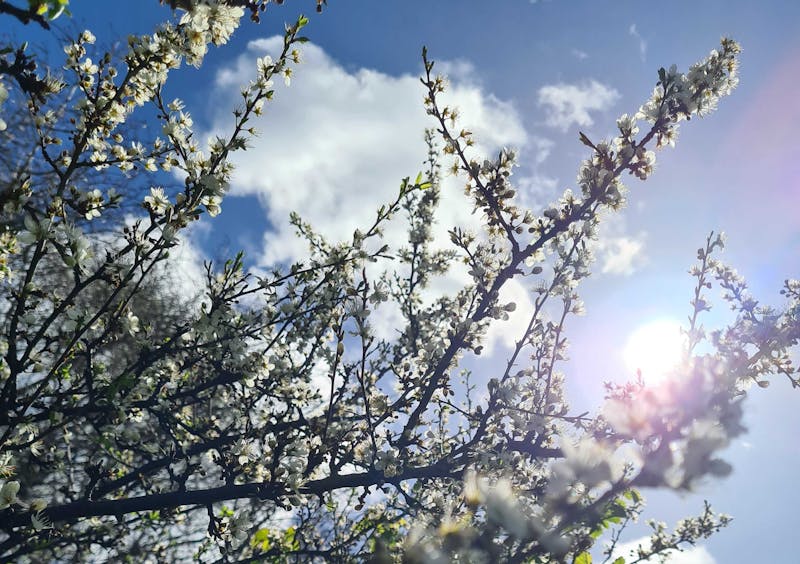
Photo Credit: J. Chadwick
The beautiful white blooms of the blackthorn and hawthorn trees are the first to catch my eye each spring. On a recent walk near my home, I was stopped in my tracks by one such tree, alive with the sound of bees out collecting some much needed nectar after a long winter.
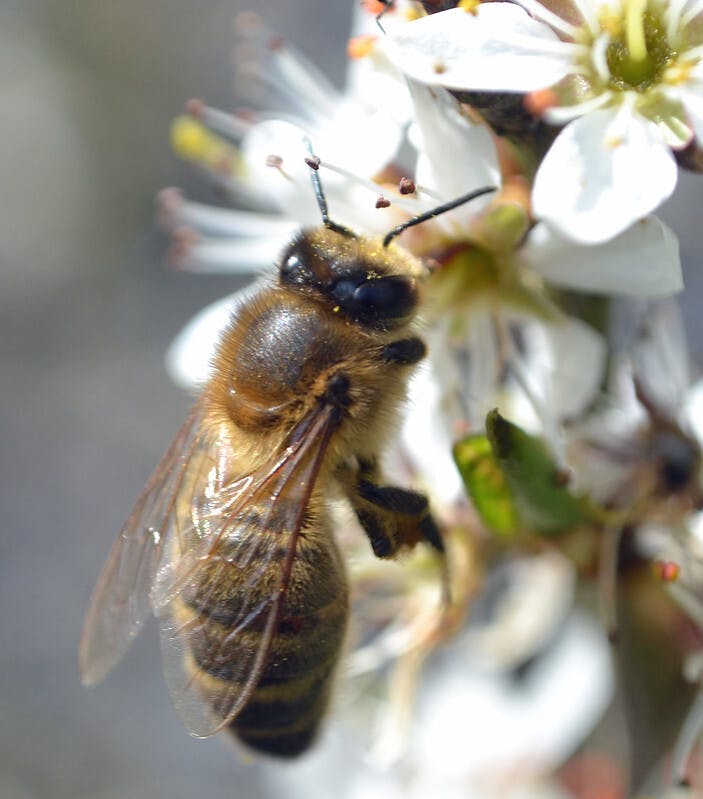
Photo Credit: Conall (CC BY 2.0)
With all that activity, I was reminded of how a diminutive hawthorn tree famously caused an entire motorway in Co. Clare to be rerouted back in 1999! More on that story a little later, but first, let's look at how trees came to hold such a revered position in Ireland.
Reverence for trees
Despite being one of the least forested countries in Europe, a certain reverence for trees has survived from our ancient ancestors through to today, here in Ireland. Read on to find out more about Irish tree lore, what supernatural creatures are associated with them, how a unique Irish alphabet is inspired by them, how they were protected in ancient times, and why, relatively recently, a motorway was rerouted just for one tree!
It's all in the names
Before we get to all that, though, you only need to read a few placenames on a map of Ireland to get an idea of the importance of trees across the island:
- Adare gets its name from Ath-dara, which translates as "the ford of the oak tree."
- In Co. Mayo, the impressively titled Ballaghaderreen translates as the "road of the derreen", or the "road of the little oak wood."
- Clonskeagh here in Dublin is Cluain sceach, the meadow of the whitethorns (also known as hawthorn).
- Derry/Londonderry in the north of the island was originally called Doire Calgaich, which roughly translates as "the oak grove of Calgach." Calgach is thought to be an ancient warrior who claimed this area as his own.
- Derrynane, the spectacular spot in Co. Kerry, gets its name from Doire Fhíonáin, meaning 'oak-wood of Fíonán. Fíonán was a saint who founded a monastery in the area in the 6th century.

Derrynane Bay is stunning, but just a few impressive trees remain on the hillsides!
Photo Credit: Sjunnesson (CC-SA-4.0)
- Durrow, home of the spectacular high stone cross of the same name, gets its moniker from the anglicization of Dearmhagh, which translates as "the field of the oaks."
- Edenderry, in Co. Offaly, comes from Éadan Doire, meaning "hill-brow of the oak wood."
- Glencullen, just a few minutes down the road from us here at My Irish Jeweler comes from the Irish, Gleann Cuilinn, which means "valley of the holly" - very festive!
- Kildare, home of St. Brigid, is the anglicization Cill Dara, meaning "church of oak." St. Brigid herself is strongly associated with the oak tree.

Brigid in an artwork surrounded by a frame of oak leaves and acorns!
- Kylemore, a must-see spot for many visiting Ireland, gets its name from the Irish Coill mhor, the great wood.
- Newry is an anglicization of the Irish An Iúrach, which means the grove of yew trees.
- Terenure, here in Dublin, comes from the Irish Tír an Iúir, which means "land of the yew tree"
- Youghal comes from the Irish Eochaill, meaning "yew woods", with pollen confirming that an impressive forest stood there from over 4000 years ago through to the 9th century. Though you would be hard pressed to find many yew trees in this lovely seaside town these days!

An old postcard from the start of the 20th century depicting the stand of yew trees at Myrtle Grove in Youghal Co. Cork. The trees are still there today, though the grounds are private property. This spot is also famous for a different type of growth. Myrtle Grove is reputed to be where potatoes were first cultivated in Ireland, courtesy of Sir Walter Raleigh - the favourite of Elizabeth I.
This is just a small sample of Irish placenames that draw their inspiration from trees. There are over 180 towns in Ireland named for yew trees alone! An impressive 1,200 townlands are named for the oak, Ireland's national tree.
Most impressively, of the approximately 60,000 townlands in Ireland, around 20% are named after trees, groves, or tree uses. So yes, trees in Ireland are important! But why? And why are there so few of them around today?
Why were trees important in Ireland?
In a time before any maps or roads to speak of, or even many manmade features, natural markers like trees were important for wayfinding, hence all those arboreal placenames! Though the patchwork green of Ireland we see today has only 11% tree cover, Ireland was long ago heavily forested, with temperate rainforests along the coast.
Food, medicine, and materials
So trees were everywhere long ago, which made them important for finding your way around! But they were also supremely important for ancient Irish society, too. They provided food and medicine, of course, but also raw materials for tools and weapons. Yew was the preferred wood for long bows, for example, while blackthorn was the go-to for the infamous shillelagh.
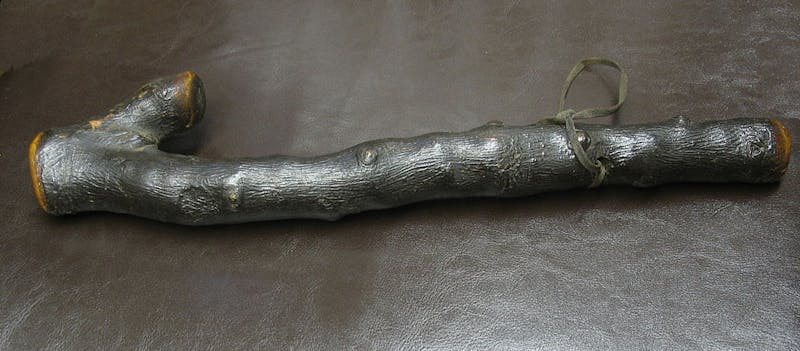
Photo Credit: Schurdl (CC BY-SA 4.0)
This was an Irish weapon of choice for hundreds and possibly thousands of years with mention of Blackthorn sticks in the ancient legends of the Fianna Cycle and "bataireacht" the Irish martial art that used these sticks.
The Fianna, fierce warriors led by the great Fionn MacCumhaill, armed themselves with Blackthorn sticks among other things. And it seems a smart move to carry a Blackthorn stick. It not only protected you from human attackers, but warded off otherworldly assailants like fairies and wolf-walkers too if a story recorded by Lady Jane Wilde is anything to go on.
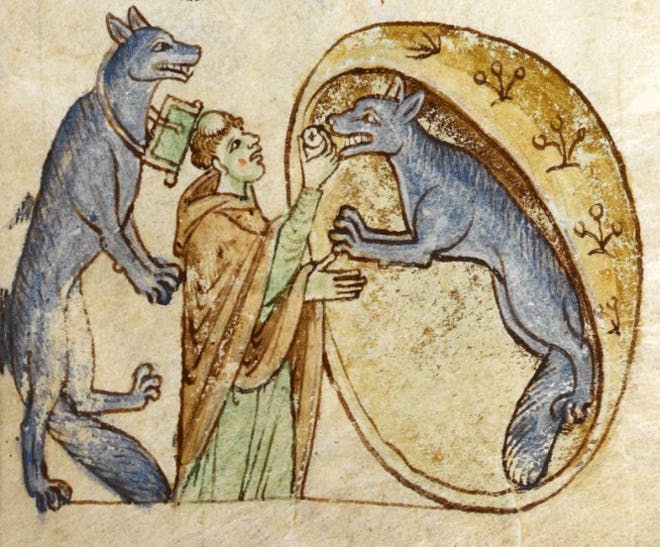
An illustration from Topographia Hiberniae depicting the story of a traveller who meets a pair of humans transformed into wolves from the ancient Irish Kingdom of Ossory.
Photo Credit: Public Domain
Sacred trees
Wolfwalkers were not the only supernatural creatures associated with trees. Trees, especially those blackthorn and hawthorn we mentioned, were considered to be special to Aes Sídhe, the "other people" or the Tuatha Dé Danann, the "people of the mounds. They were seen as portals, with roots reaching down into these otherworldly realms. They were sacred, and you damaged one at your peril. There are several stories in the National Folklore Collection documenting the misfortune visited on anyone who interfered with a Bile rátha, a Sacred tree of the fort.
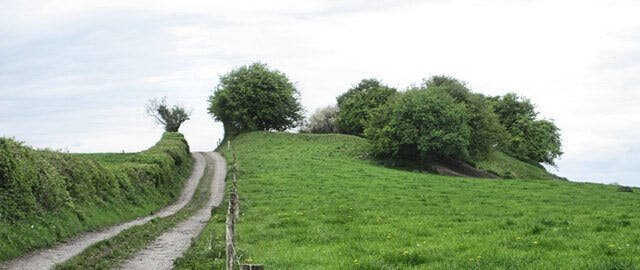
Fairy forts, or ring forts, are common features on hill tops around Ireland and are often surrounded by trees. Believed by many to be sacred spaces for the fairy folk, few will disturb them or the trees that surround them.
Photo Credit: Kevin Higgins (CC BY-SA 2.0)
A story from Co. Louth tells of a man whose “horses were killed because he cut the blackthorn bushes and ploughed the mound,” while an entry from Co. Sligo confirms “It is considered unlucky to cut a hazel tree or a blackthorn.”
So trees had a sacred status, and individual 'sacred' trees, called bile, were often linked with Irish royal inauguration sites, and holy or curative places. You will still see trees adorned with ribbons and cloth around the island where people make offerings.

The "Tree Alphabet"
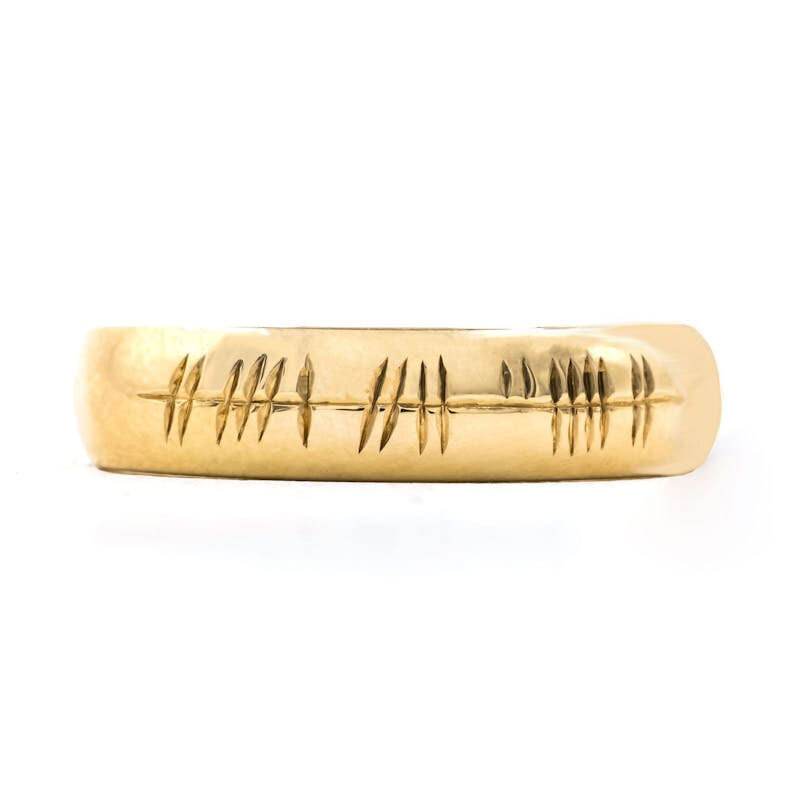
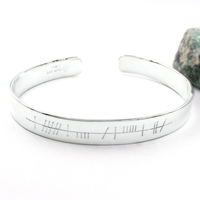
Ogham is known to some as “the Irish alphabet," a system of writing used continuously here in Ireland for at least 1500 years. But it is also often referred to as the "tree alphabet." Each letter in this alphabet has a name, many of which are the names of trees. For example, O, B, and D are called onn, beith, and dair, the Irish words for ash, birch, and oak.

The letter D in ogham shares it's name with the mighty Irish oak, the national tree of Ireland. Known in Irish as dair, this beautiful oak in the grounds at Malahide castle is believed to be over 300 years old.
Given the naming of such letters and the vertical nature of the script, it's not hard to see why Ogham is known as “the Irish tree alphabet.”

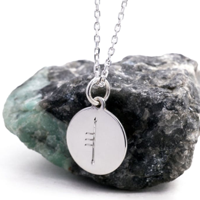
We are big fans of ogham here at My Irish Jeweler. This unique Irish script features in some of our favourite designs as well as our logo!
Tree laws
Perhaps not surprisingly, given how important trees were, they were protected under the law of the land, too! According to the Brehon Laws, an ancient legal system dating to at least the first century CE, trees were protected, and any damage to them carried a fine commensurate with their status and importance.
The 'nobles of the wood', including oak, ash and yew, carried the heaviest fines. Damage or chop one down, and you had better be wealthy, as you would be expected to pay up two and a half milk cows. Don't ask me how you get half a milk cow!?
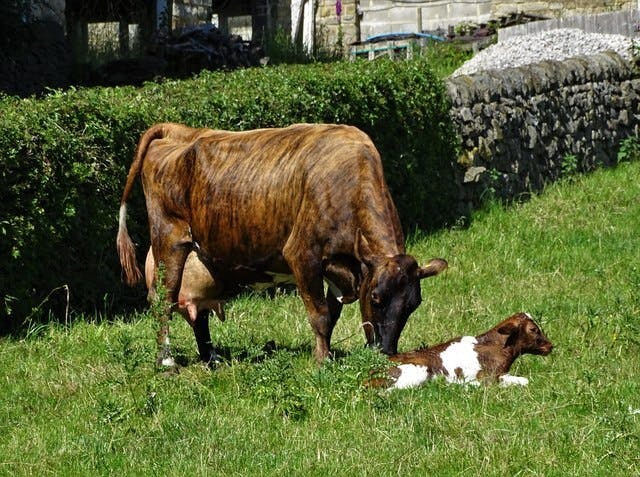
Photo Credit: Neil Theasby CC BY SA2
Next were the 'commoners of the wood', including alder, birch and rowan. These were followed by the 'lower division of the woods', including elder and blackthorn, with the 'bushes of the wood', including gorse, heather and wild rose, carrying the lowest penalties.
Where are all the trees today?
You might expect that, given their importance and their protection under law, Ireland today should be crammed with trees! But Brehon law only extended to the 17th century, when it was eventually supplanted by the rule of the British Empire. Irish hardwood, and oak in particular, was highly valued as a commodity, used to build impressive ships or for large building projects. Ireland was rapidly deforested and remains so to this day, although many wonderful charities and projects are working to restore some of those trees to the land.

We've been honored to play a small part too with your support, working with Trees on the land to plant trees around the island.
A tree re-routing a motorway?
You thought I had forgotten, right? Back to that tree re-routing a motorway.
Back in 1999, plans for a new motorway (a highway to our North American friends) near Ennis in Co. Clare were published. A seanchaí of some renown, Eddie Lenihan, explained that the proposed route would disturb a tree of great significance to the fairies of Munster and Connacht. Destroying this tree, even for an important road, would be, at best, sacrilegious, and at worst, an invitation for severe supernatural retribution.
Rather than take the chance, the road plans were altered to preserve the tree, and as far as we know, all is well! So it seems the old ways are not completely gone, and there is still some protection for trees here in Ireland from the old lore!
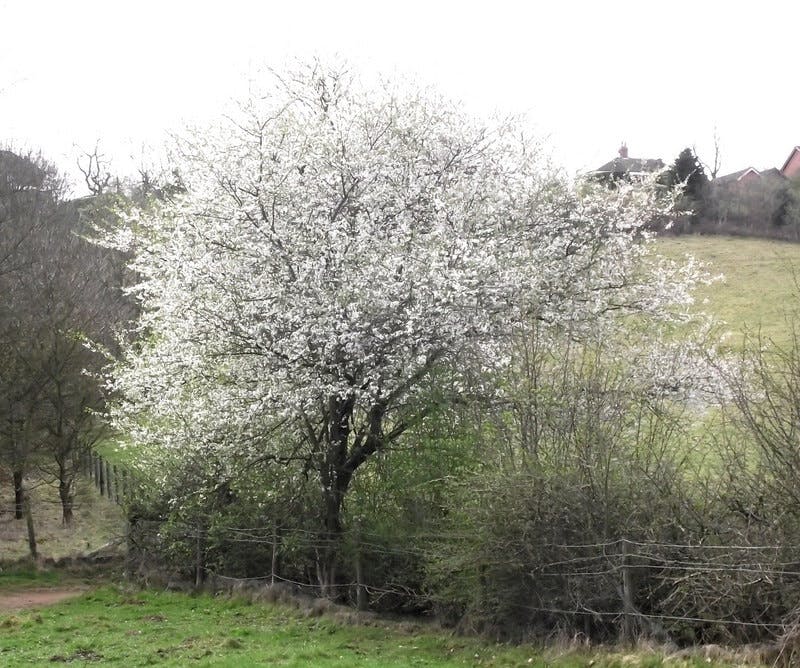
Photo Credit: Jonathan Kington CC BY-SA 2.0 DEED
Irish Trees
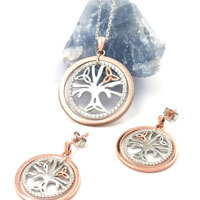
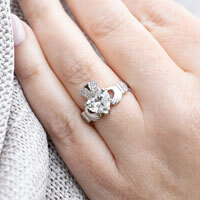
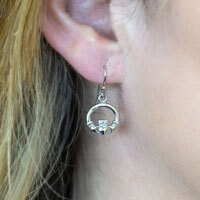
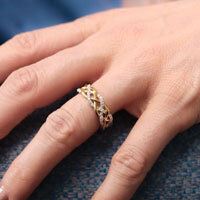
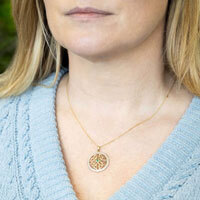
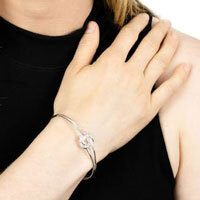
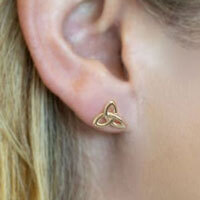
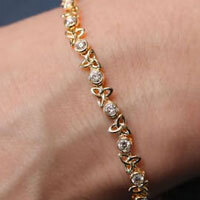
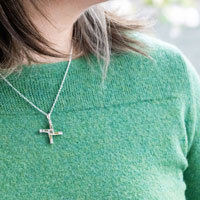
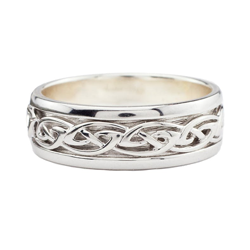
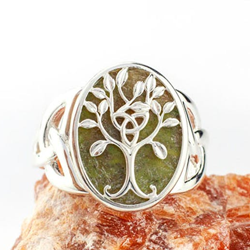
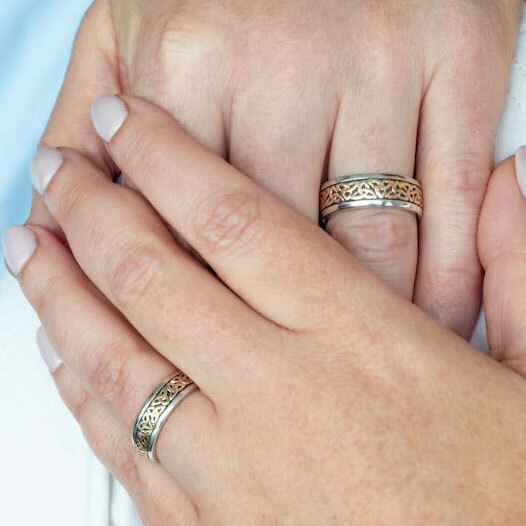
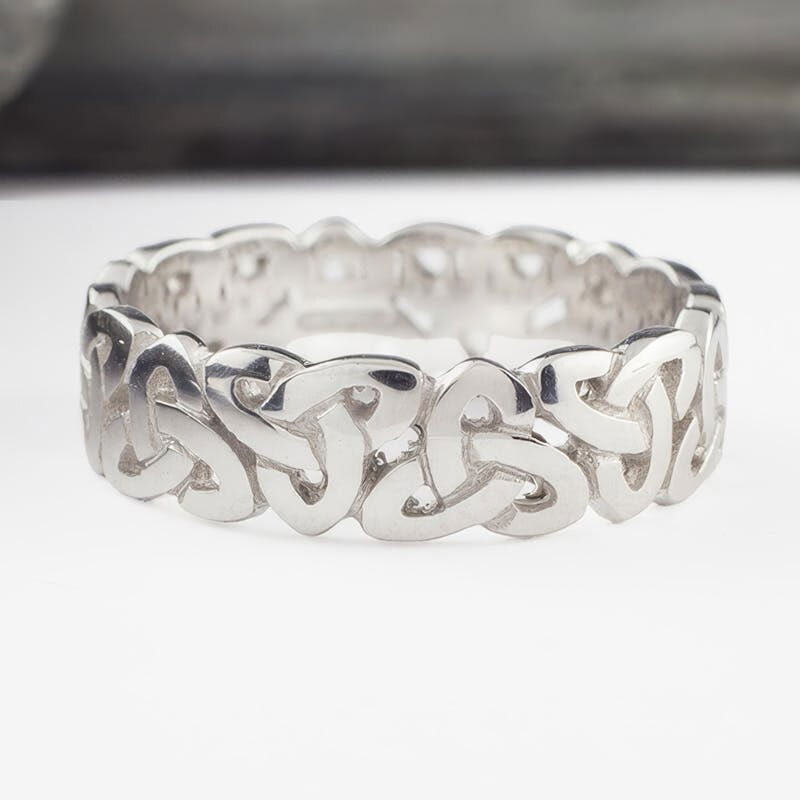
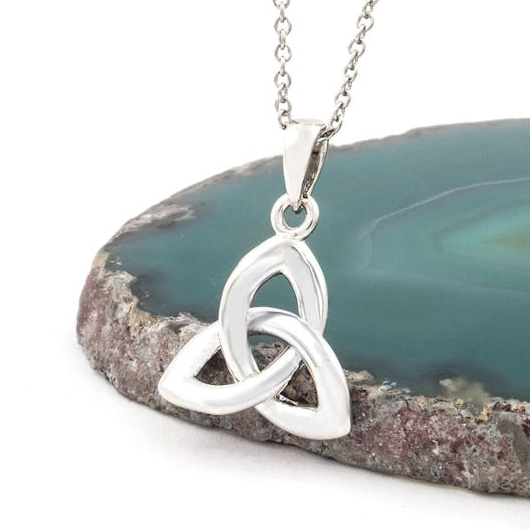
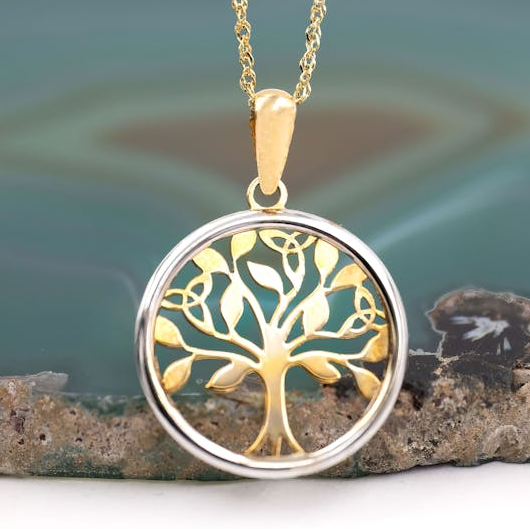
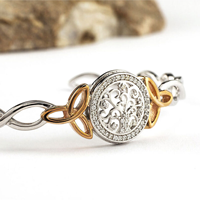
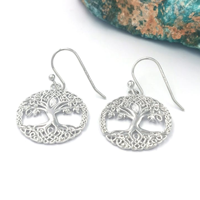
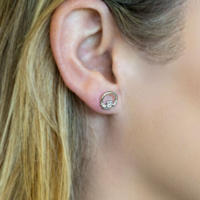
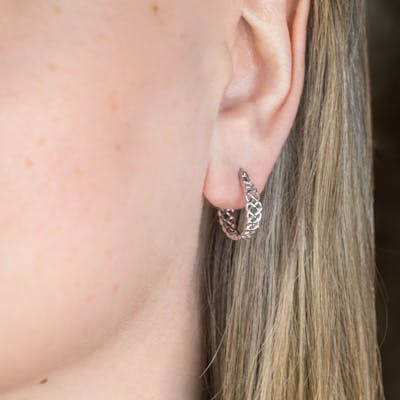
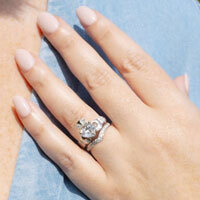
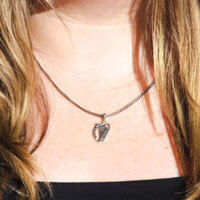
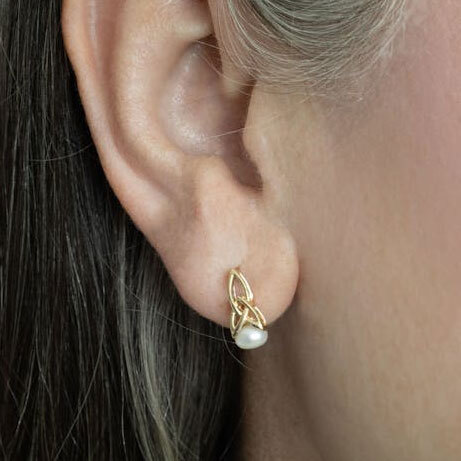
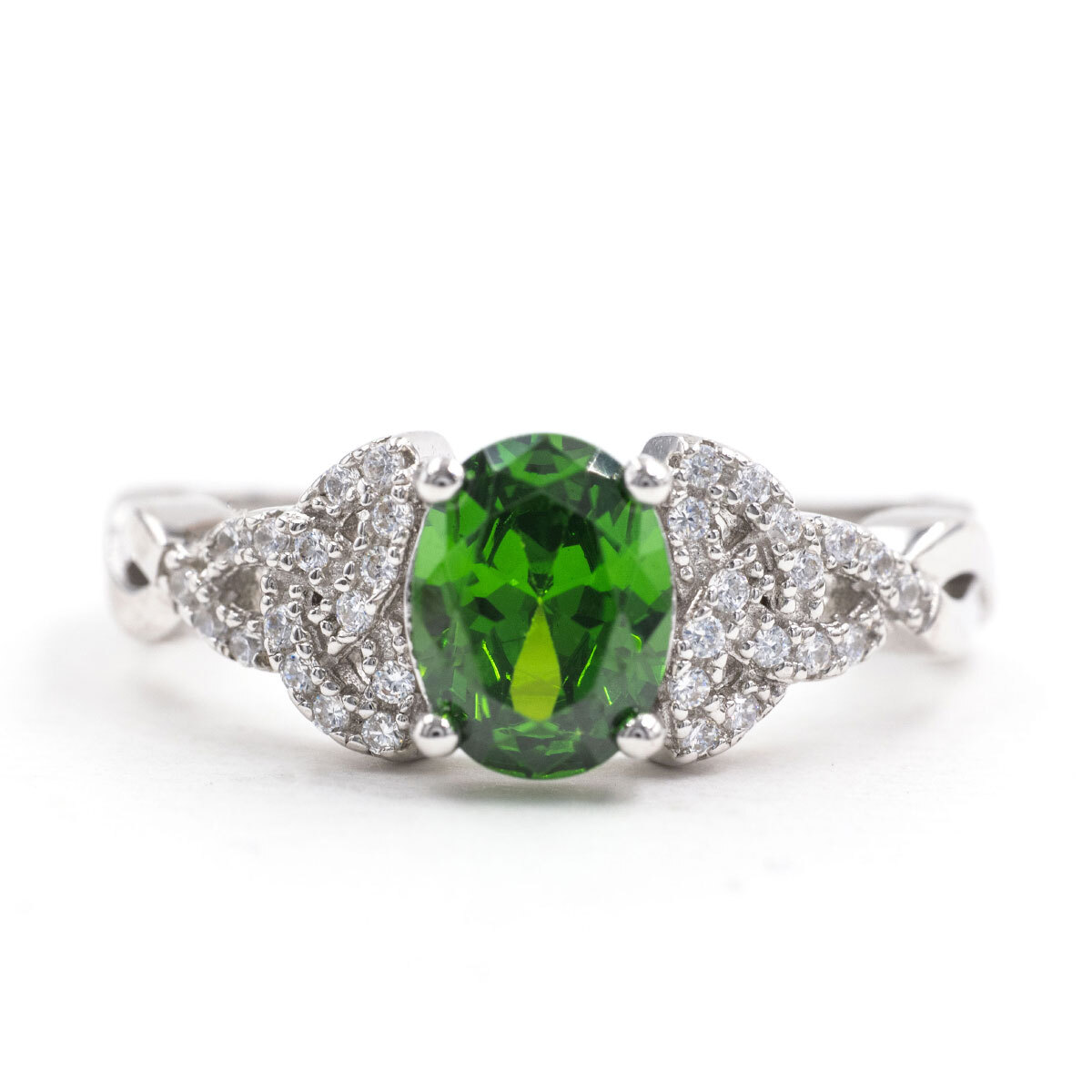
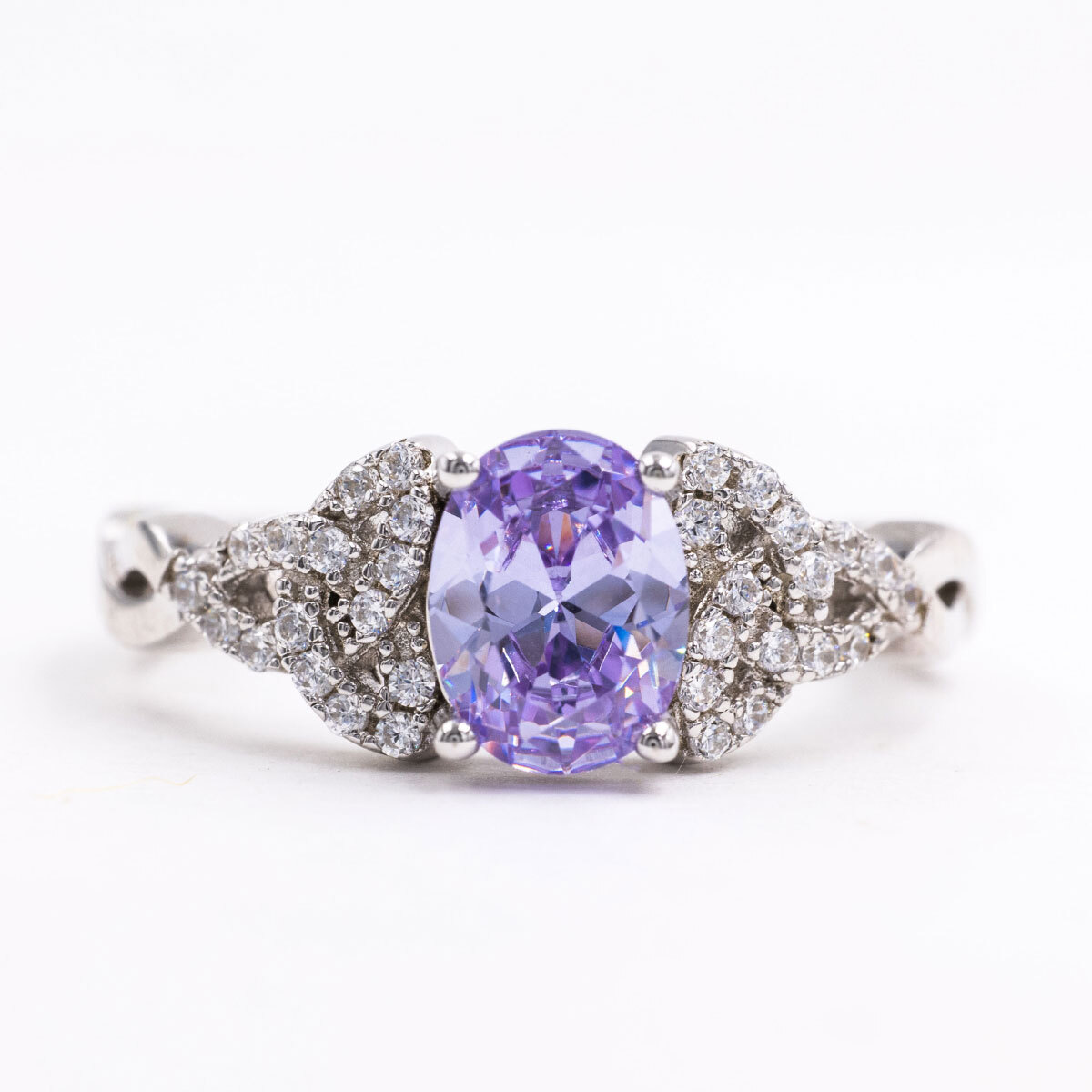
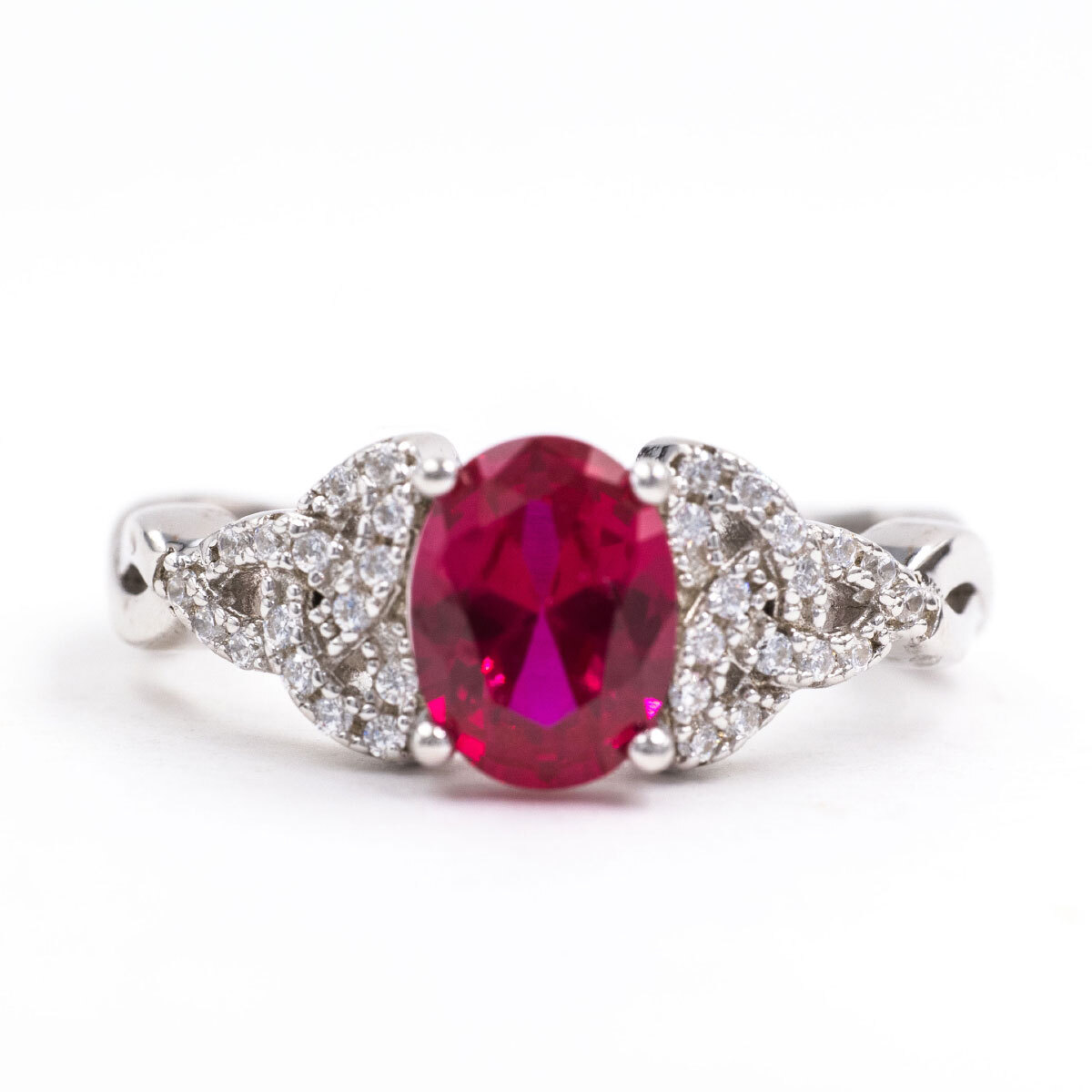
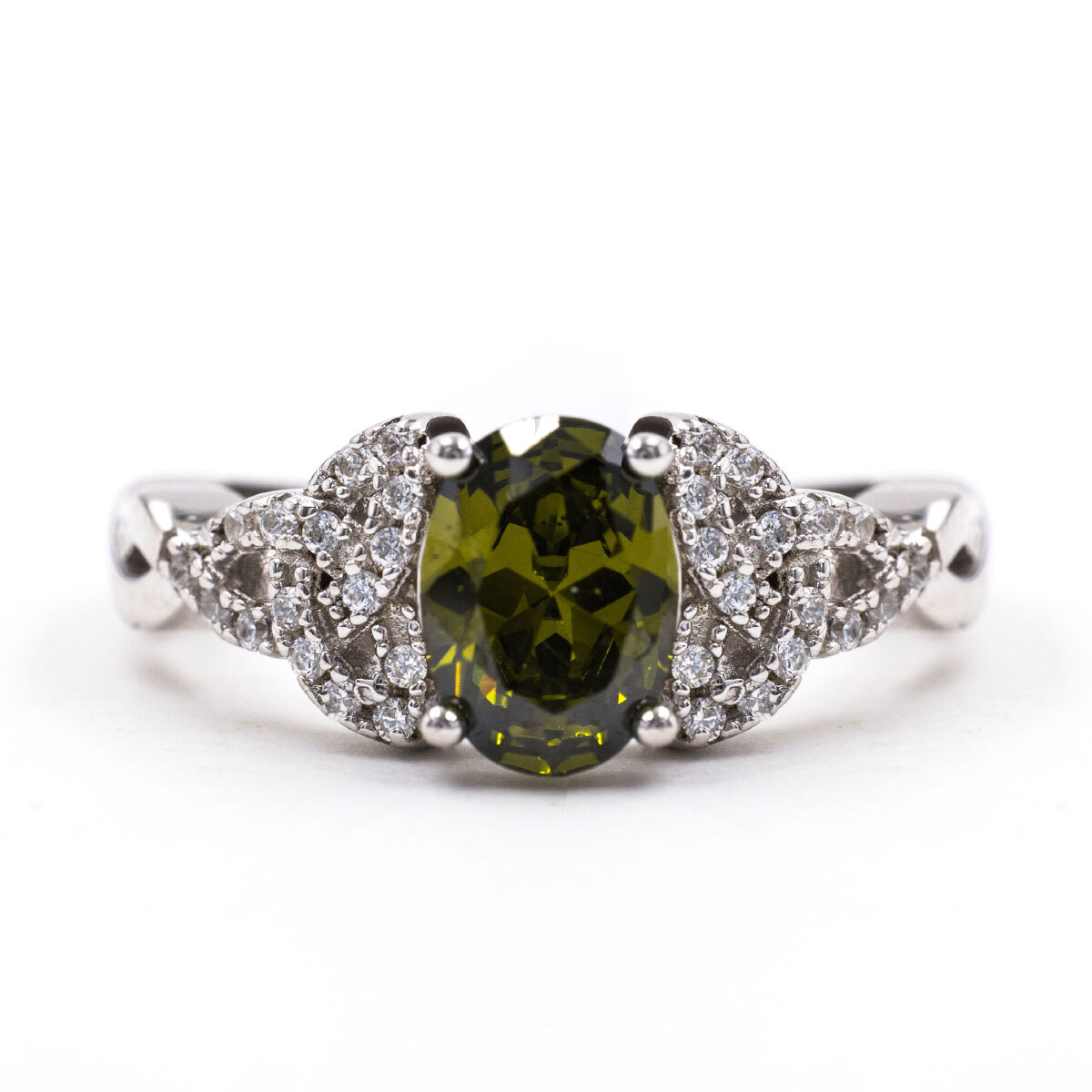
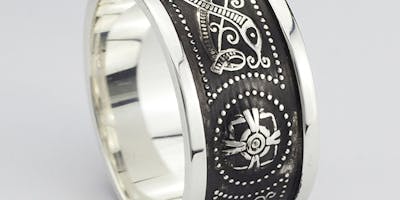
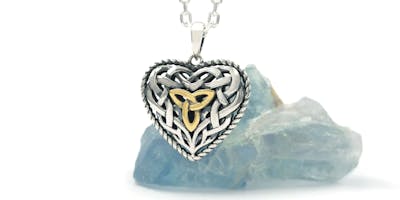
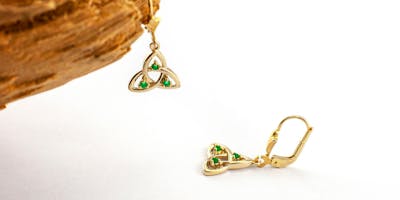
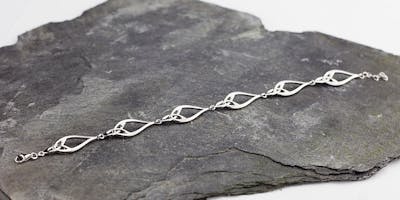
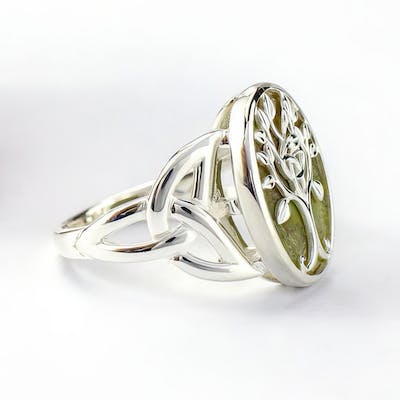
Fancy your own Irish tree? Our Tree of Life Jewellery is perfect for any season, but especially so in spring, the perfect gift for Mother's Day, or for those that stand strong at the centre of their family. Check out our full range with rings, pendants, earrings, bracelets artfully crafted in silver and gold.
Get In Touch
Have a question or something you're not entirely sure about when browsing our pieces? Please reach out. You can send us a note or give us a call—the Dublin workshop is here to make sure that you have a perfect experience from start to finish with My Irish Jeweler.
Follow us on Facebook and Instagram, to see what's new and upcoming. Join our Email list for early offers and special features.

Ciaran
My Irish Jeweler
Born in Co. Antrim and reared in Dublin, I was fascinated with Gaelic culture from an early age. I suppose it's not surprising given my mother inherited a grá for the Irish language from my grandfather, an Irish school headmaster. And that grá continues! My brother and sister are now Gaelic teachers here in Ireland, my niece is an award winning Irish dancer, and I proudly work to share Irish culture through our Irish and Celtic Jewelry at My Irish Jeweler!
I love researching and reading about the history of Irish design. It's at the core of what we do here at My Irish Jeweler. I find much of it so interesting that I have to share what I find. I hope you enjoy it!
Comments


 Ask Gemma