



St. Patrick's Day Countdown: St. Patrick and the Celtic Cross
Written by Ciaran on Mar 14, 2025 | 0 Comments
There are just a few days left in our countdown to St. Patrick's Day, with an offer and some fun facts for you each day until March 17th, with 17% off sitewide all weekend in honor of our national holiday.
Who made the first Celtic Cross?
There are many stories that surround St. Patrick and his deeds in Ireland, though as we’ve seen with shamrocks and snakes, some don’t always hold water! But what about the idea that the iconic Celtic Cross—an international symbol of Ireland—was created by Saint Patrick?
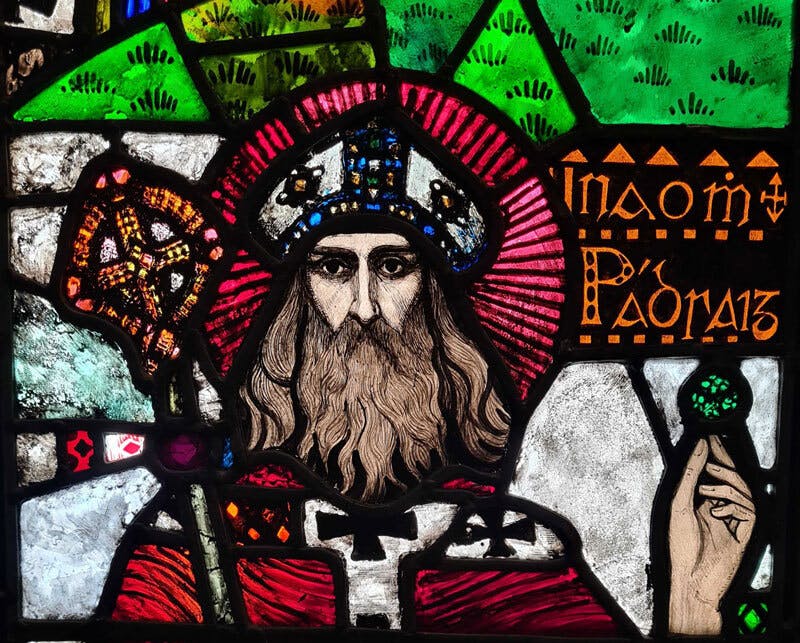
Patrick holding a ringed cross and a sprig of shamrock - if stories are to be believed, two symbols he deftly used on his mission to convert the people of Ireland.
The story goes that Patrick combined the symbol of Christianity, the cross, with a symbol that his would-be converts held in high regard to give an idea of the power of this new religion. The distinctive ring or disc shape on the Celtic cross represents the sun, revered in pre-Christian Ireland, while others say it's a Celtic shield.

The rivet shapes on this intricately carved high stone cross at Columba’s monastery on Iona call to mind the bosses on Celtic battle armour. Details like this have led some to speculate that these distinctive details symbolise the ring as a Celtic shield.
Photo Credit: Nick Gibson (CC BY-SA 4.0)
In other tellings, Patrick placed the cross over the circle to show that Christianity was more powerful than older symbols like the sun or the shield. Whatever the truth of it all, it’s easy to see how this story took root - Patrick reportedly had form for merging Christian and Celtic imagery to make his “new” religion more palatable to his would-be converts.
There are historical records that go back as far as the 1600s of Irish people “of all distinctions” wearing crosses to commemorate St. Patrick on St. Patrick’s Day. So the saint and the symbol certainly have a long and strong association.
As for the saint creating the cross, that may just be a story, as the origins of this tale are not clear. As with the shamrock, Patrick himself makes no mention of his inspired conversion techniques in his Confessio, and the oldest stone crosses known in Ireland are dated to a few hundred years after the time of Patrick.
The Oldest Cross in Ireland
Perhaps the oldest freestanding stone cross known in Ireland is at Carndonagh, Donegal - also known as St. Patrick’s Cross. Local tradition suggests that a church or monastery was founded here in the fifth century by Saint Patrick himself with the aid of Irish missionaries.
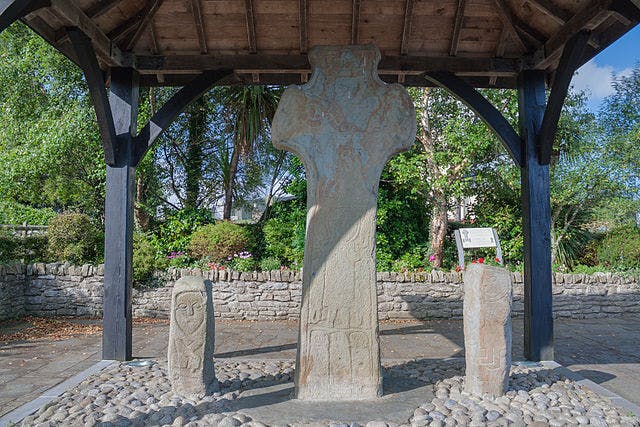
"St. Patrick's Cross" in Carndonagh, Co. Donegal.
Photo Credit: Andreas F. Borchert (CC BY-SA 3.0 DE)
St. Patrick’s Cross is beautifully and uniquely decorated, with both Christian depictions and Celtic artwork, indicating its early creation. This decoration includes interlacing knotwork patterns, similar to those found in The Book of Durrow that symbolise the Tree of Life. Christian imagery depicts Jesus in a victorious stance close to the bottom of the cross rather than on the cross, which is thought to portray his victory over death. Perhaps this ancient standing cross helped the story of St. Patrick and the Celtic Cross take hold. However, this cross—lacking the classic ring shape—is not a typical Celtic Cross.
Features of a typical Celtic Cross
Located in almost every county in Ireland, Celtic high stone crosses are synonymous with our green island and Irishness itself. The oldest “high” stone crosses still standing in Ireland date from the 8th century to the 12th century. The crosses themselves are often intricately carved, with the earliest crosses depicting knotwork and later crosses including imagery of bible stories, inscriptions, and in one instance the pet cats of an abbot!
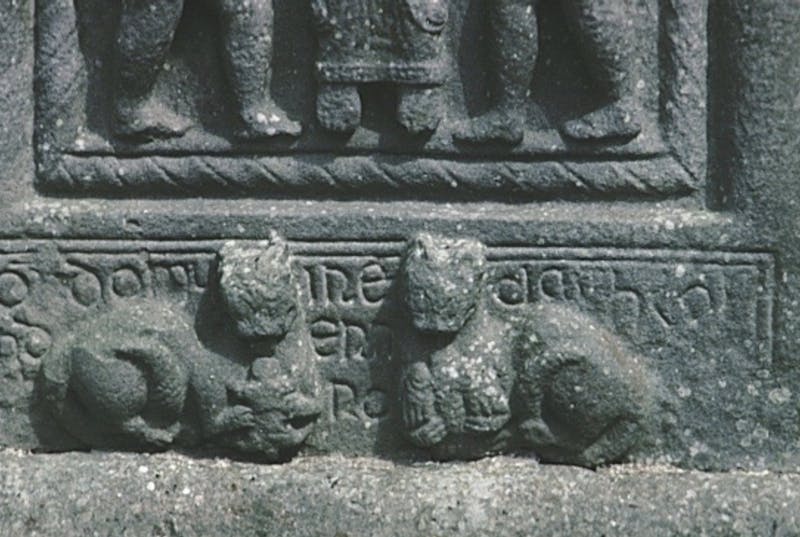
Muiredach, the abbot of Monasterboice monastery, may have been a cat lover as two of his feline friends appear with his dedication at the base of the cross.
Photo Credit: Steven Zucker, Smarthistory (CC BY-NC-SA 2.0)
These impressive and imposing features of the Irish landscape range in height, with early crosses standing around eight feet tall, while some later ones are even taller. The very tallest, the Muiredach Cross, towers an imposing 23 feet high!
Yet, despite variations in height and decoration, ancient Celtic Crosses share several distinctive features, including:
- The Base: This is not truly a part of the cross but when present, it’s usually a pyramid shape and is sometimes carved, giving height to the cross.
- The Shaft: Usually divided into panels on all sides, featuring intricate designs or artistic depictions of figures.
- The Cap: Located at the top of the upper arm, it is often missing from older crosses due to damage over time.
- The Head: Subdivided into the centre and the arms. Most Celtic high stone crosses have a distinctive ring shape around the centre of the head.
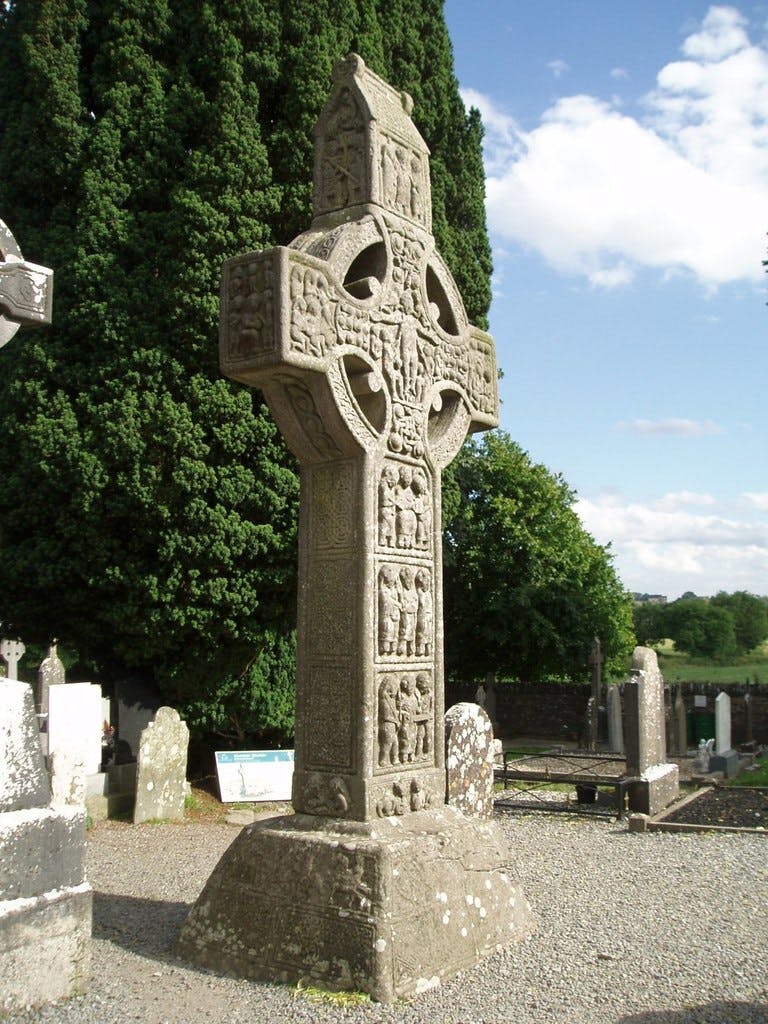
The impressive Muiredach Cross, complete with all the distinctive features of a Celtic high stone cross.
Photo Credit: Chris Andrews (CC-BY-SA2.0)
Crosses through the ages
Starting in the 8th century, the intricate carvings were thought to be tools of Christian education while the crosses themselves were powerful symbols of strength and faith. They again rose in popularity in the 18th century during the “Celtic Revival”. Intricately carved crosses with geometric symbols were commonly used to mark graves and memorials. Since then, the Celtic Cross has extended beyond monastic sites and graveyards. An international icon of Ireland, they can be found in modern logos, decorating T-shirts, and make very popular tattoos.
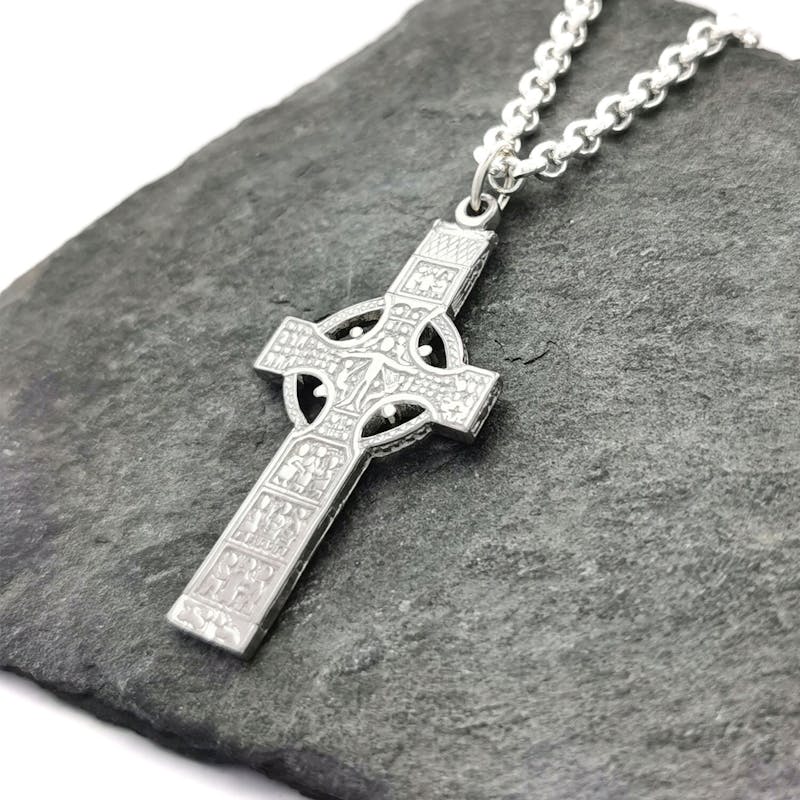
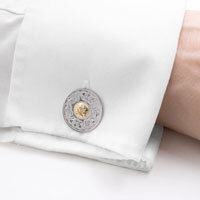
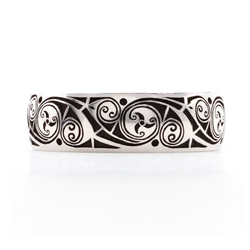
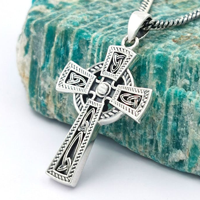
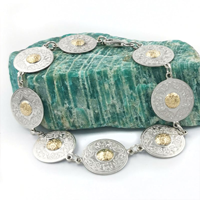
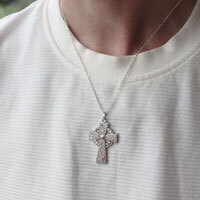
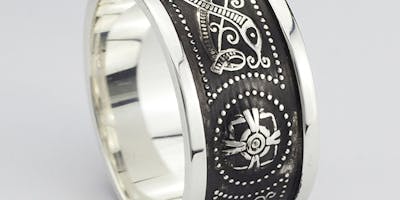
The intricate details of the Muiredach Cross, recreated in sterling silver.
Continuing tradition
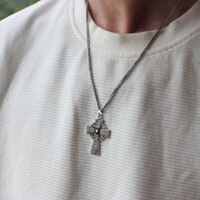
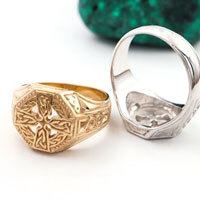
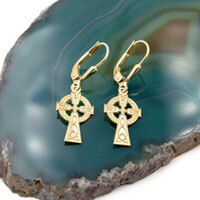
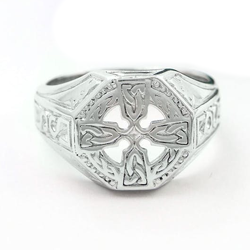
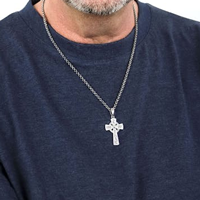
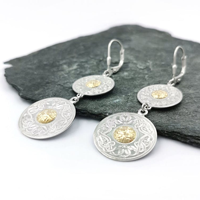
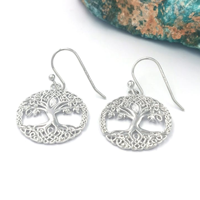
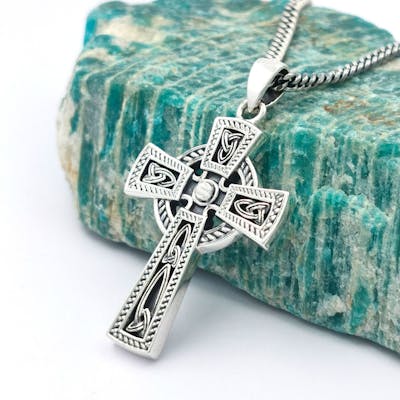
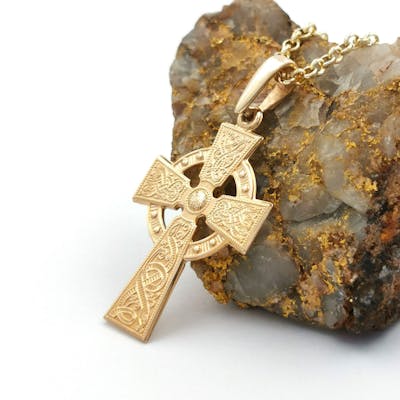
Our Celtic cross jewellery is inspired by this fantastic history and beautiful symbolism, reproducing the intricate engravings from ancient stone crosses in precious gold and silver. We are proud that our crosses are worn by people worldwide who share an appreciation of Celtic culture.
What's Next?
Check back tomorrow for Day 15 of our St. Patrick’s Day countdown, or open Door Number 14 of our 17 Days of celebratory offers!
Your own Celtic Cross
Whether your searching for a recreations of a High stone cross still standing in Ireland today, or a beautifully detailed Celtic Cross that features intricate knotwork or other Irish symbols, we have over 100 designs to choose from to suit every taste.
Get In Touch
Have a question or something you're not entirely sure about when browsing our pieces? Please reach out. You can send us a note or give us a call—the Dublin workshop is here to make sure that you have a perfect experience from start to finish with My Irish Jeweler.
Follow us on Facebook and Instagram, to see what's new and upcoming. Join our Email list for early offers and special features.

Ciaran
My Irish Jeweler
Born in Co. Antrim and reared in Dublin, I was fascinated with Gaelic culture from an early age. I suppose it's not surprising given my mother inherited a grá for the Irish language from my grandfather, an Irish school headmaster. And that grá continues! My brother and sister are now Gaelic teachers here in Ireland, my niece is an award winning Irish dancer, and I proudly work to share Irish culture through our Irish and Celtic Jewelry at My Irish Jeweler!
I love researching and reading about the history of Irish design. It's at the core of what we do here at My Irish Jeweler. I find much of it so interesting that I have to share what I find. I hope you enjoy it!
Comments





 Ask Gemma