All of our jewellery is inspired by Ireland's rich history and culture. Every piece tells a story and connects us to our past. Inspired by the newest sparkling editions to our Celtic Warrior range, we want to share the story behind this wonderful design.
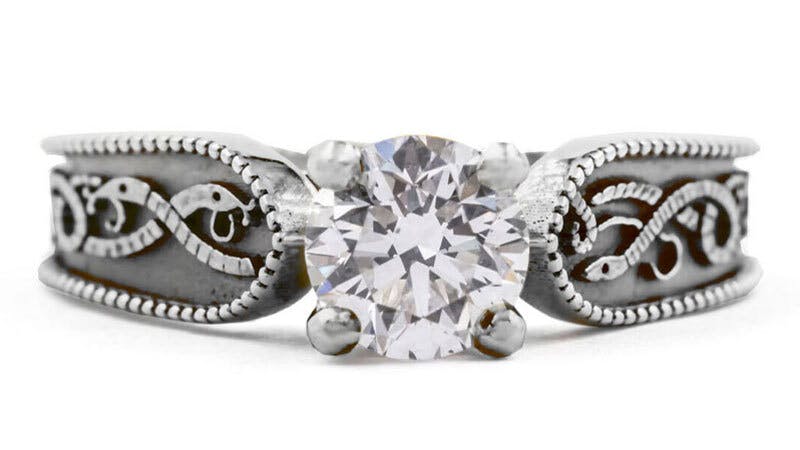
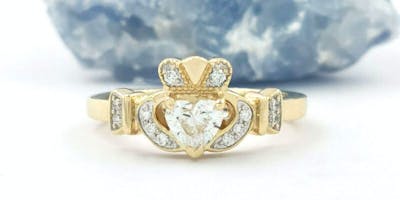
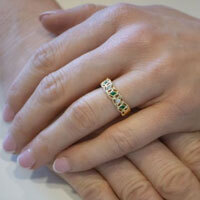
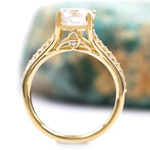
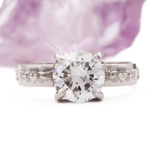
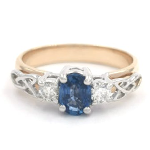
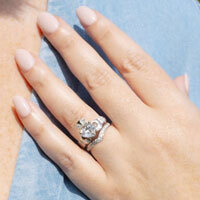
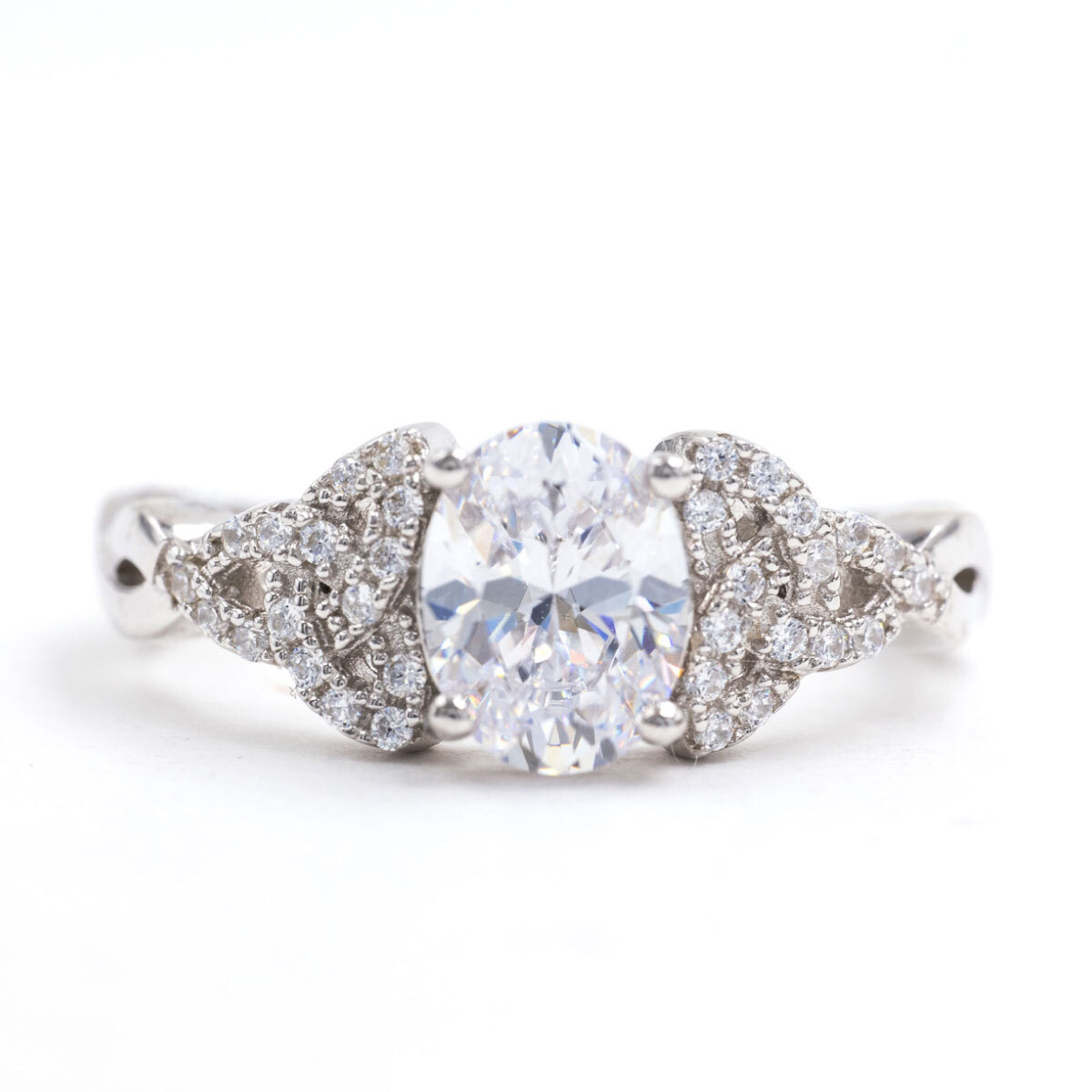
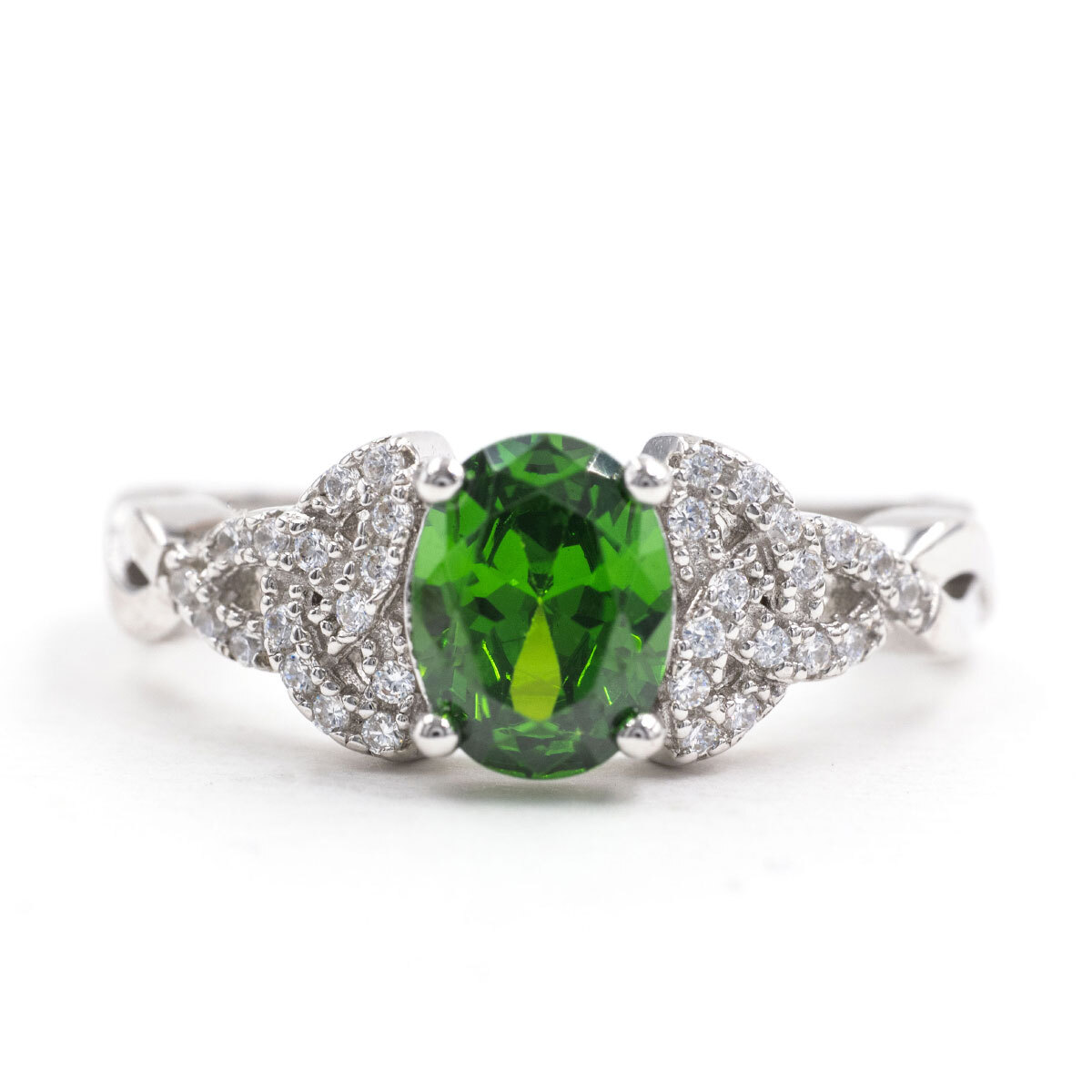
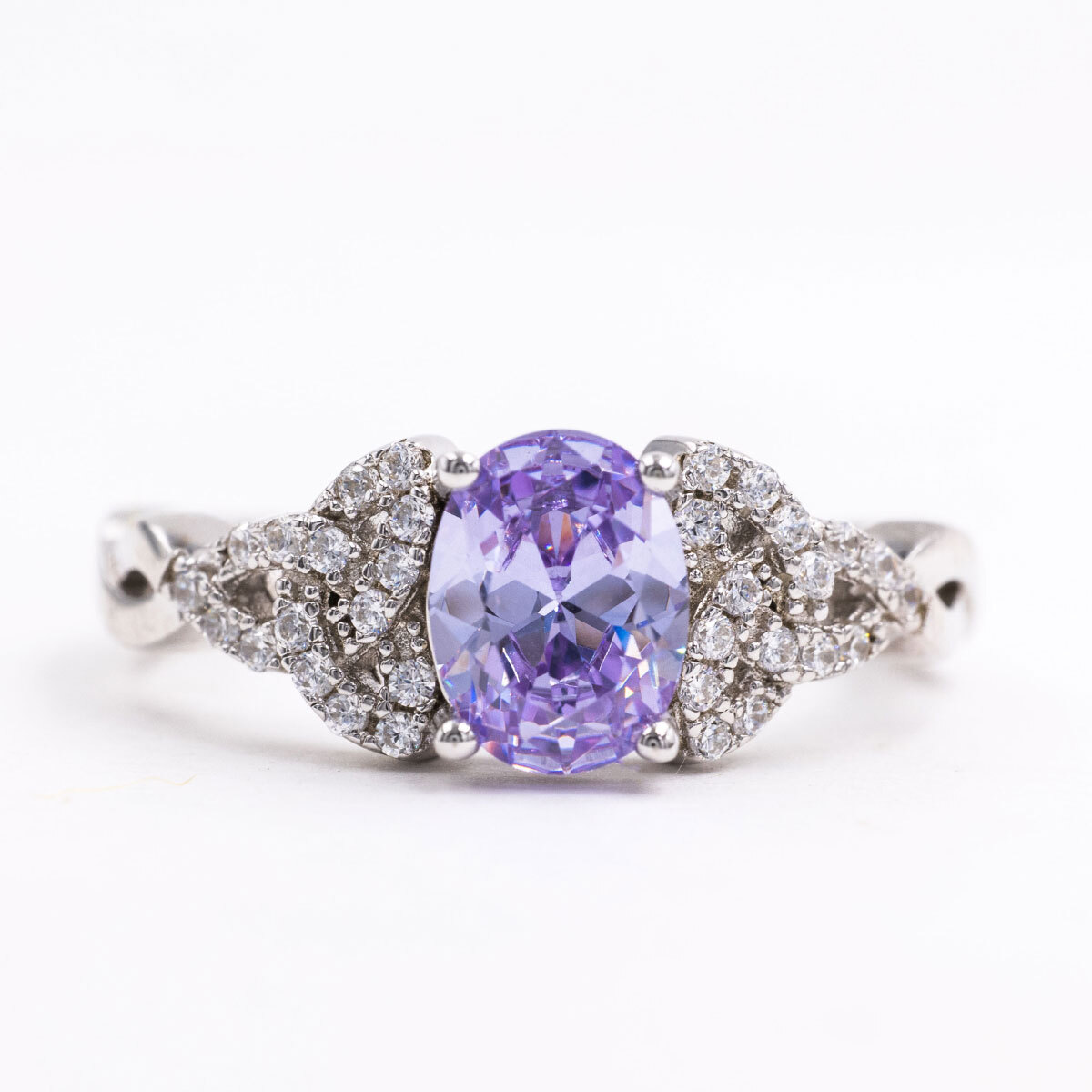
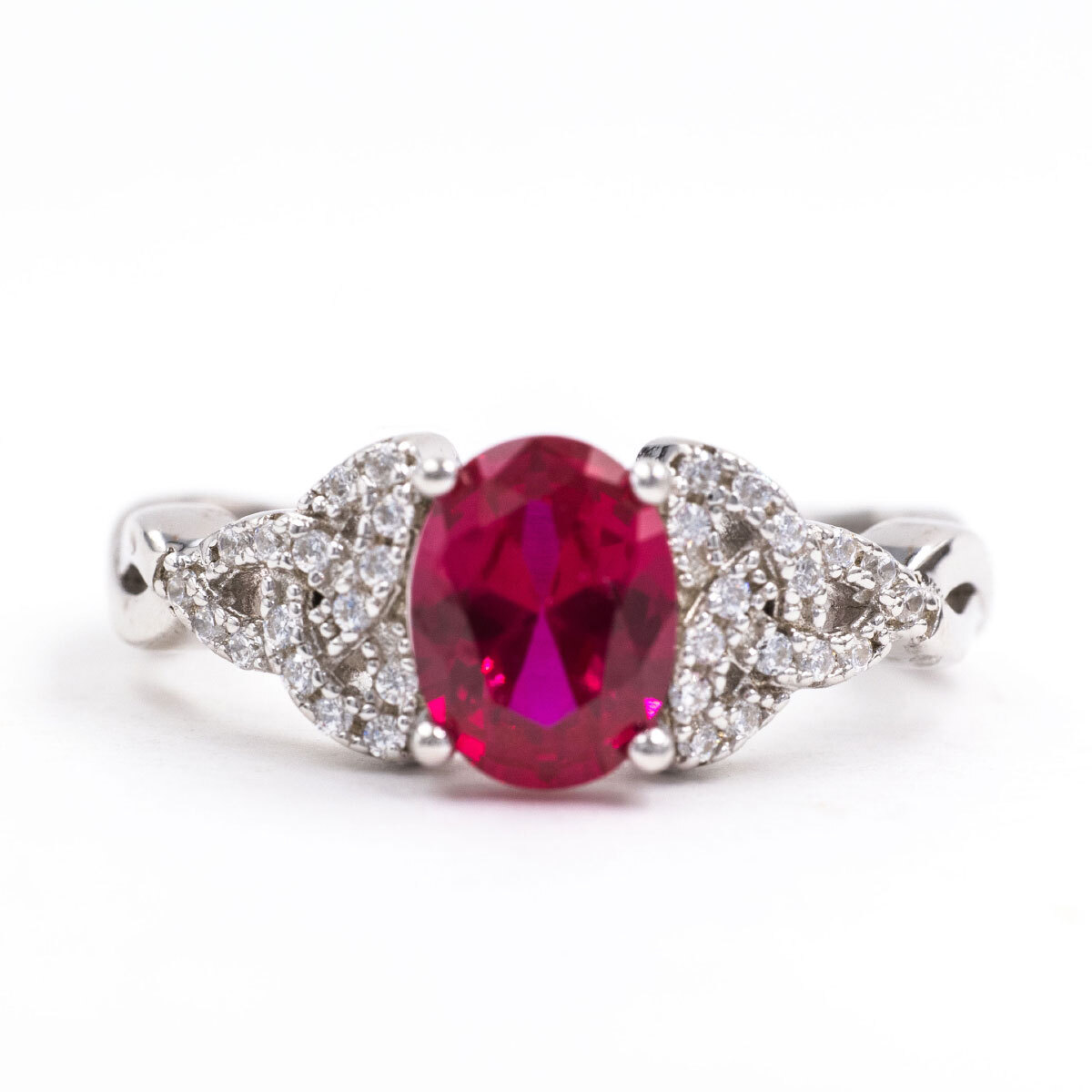
The new Celtic Warrior engagement ring, handcrafted in Dublin in 14K yellow or white gold and set with a sparkling diamond.
It's a tale of warriors, ancient treasure and potatoes!? There may even be a fairy curse. Let's start with the potatoes shall we?
Digging for Potates
Two young Limerick lads, Paddy Flanagan and Jimmy Quin, were out digging for potatoes for the Quin family dinner in a field in the middle of an ancient, bronze age, ring fort near the town of Ardagh one day, in 1868.
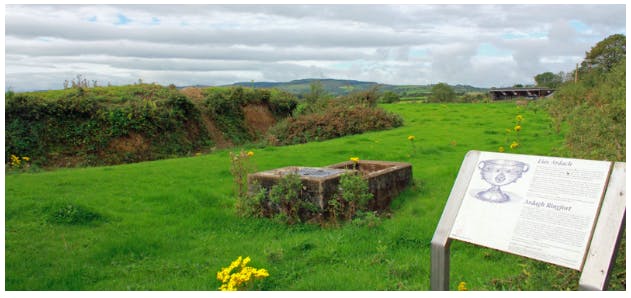
The Ardagh Ring Fort - an odd spot to dig potatoes
This behaviour was a little unusual. Many in Ireland would avoid disturbing any part of a ring fort, even to this day, for fear of the wrath of the Aos Sí, "the people of the mound." Ring forts were believed to be entrances to their world, they belonged to the Irish version of fairies.
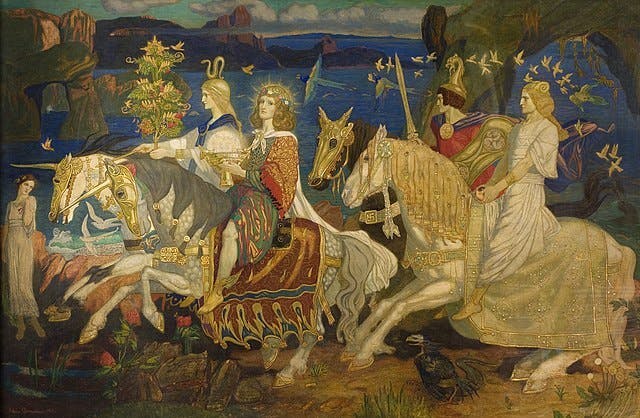
Irish fairies are a very different proposition to the ones in most tales!
Photo Credit: Riders of the Sidhe by John Duncan (1911) Public Domain
Ancient Treasure
Given all that, we could rightly expect that the lads may have been a little jumpy in their work! So imagine their astonishment when, after hearing their shovel hit something metallic, they dug up treasure. And not just treasure, but a horde of treasure, including four silver-gilt brooches.
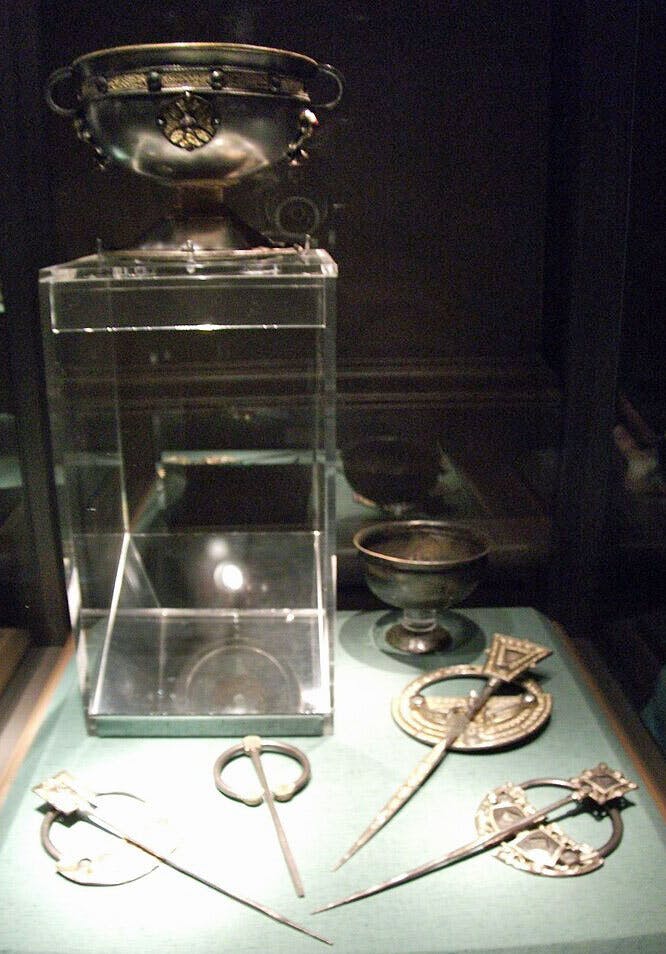
The Ardagh Hoard, four brooches and two chalices.
This must have been a giddy find indeed. The brooches may have turned their heads initially. But after turning over a slab of stone they found the real treasure. There was a spectacularly detailed chalice, made of precious metal, sitting quietly beneath, much as it had done for the preceding 1000 years! To this day, nothing is known about the making of this treasure and how it came to be buried in the Rath. The mystery may be part of the appeal!
A Famous Form
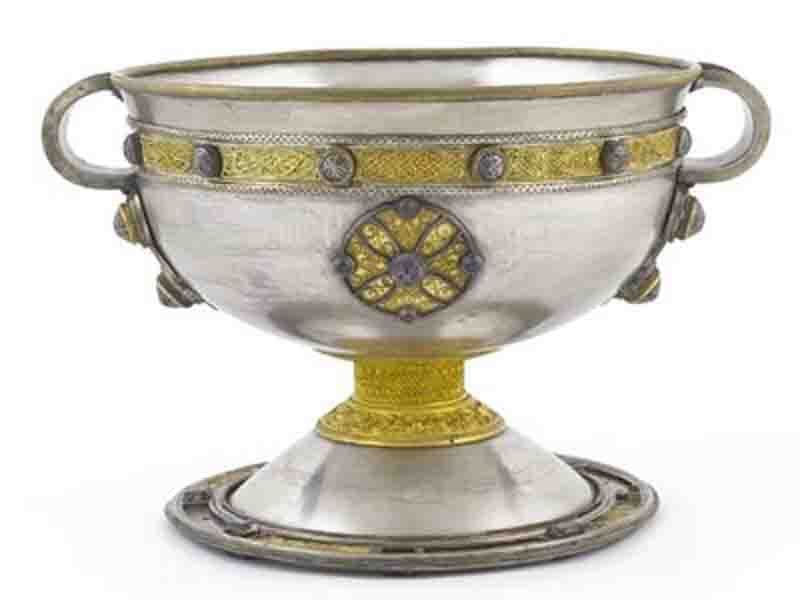
Dated to the 8th century, this chalice would later become known as the Ardagh Chalice after the town where it was found. It is celebrated today as an extraordinary example of early Irish metalwork. Most every person in Ireland can tell you what it looks like. The most famous trophy in Ireland is modeled on its beautiful form and decoration.

The beautifully detailed Sam Maguire Cup being lifted by the victorious captain of Co. Tyrone, Brian Dooher.
The Beauty is in the Detail
The Ardagh Chalice really is spectacularly detailed. Standing only 7 inches tall, it's made from over 350 individual pieces. The chalice is made of silver, held together with copper and embellished with gold filigree detail and glass and enamel studs. A privileged congregation indeed to sip wine from this exquisite cup! It is rightly regarded as one of the finest ornaments of the early Christian period anywhere in Europe. A true treasure.
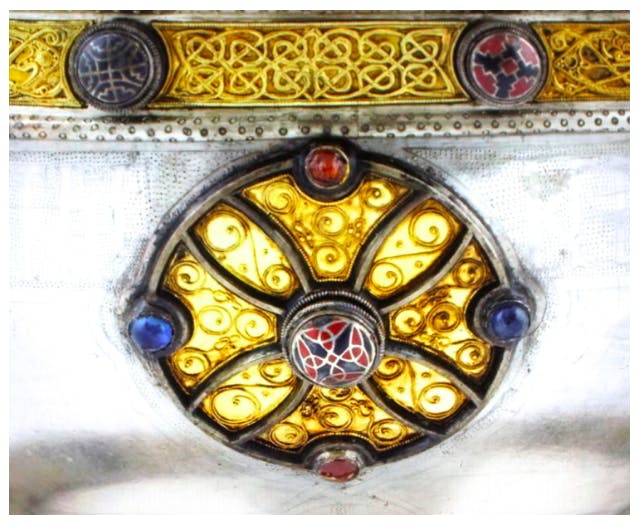
Fascinating Decoration
But what about those warriors I hear you ask? I haven't forgotten! The band that loops around the vessel between the chalice handles is the part that amazes us most. Wonderfully detailed gold filigree work features intricate Celtic style interlace, and abstract animal figures and even human heads. This spectacular Celtic design is punctuated by glass and enamel "bosses." These circular studs and the larger raised circular bosses on the chalice call to mind the shield bosses of the ancient armour of Celtic warriors.
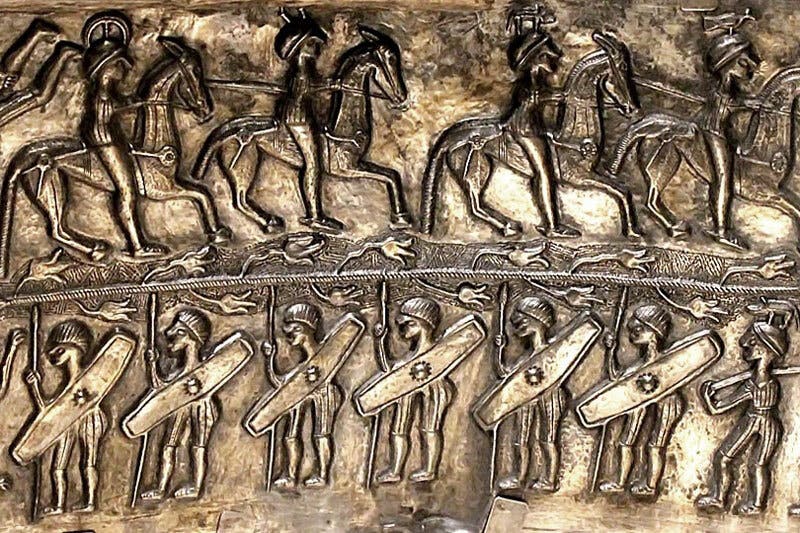
A line of Celtic Warriors holding shields with central bosses visible on a different ancient treasure, the spectacular Gundestrup Cauldron.
Warrior Shields
Richly ornamented ancient shields and shield bosses have been unearthed across Europe and are depicted in other ancient treasures like the Gundestrup Cauldron. These shields were thought to have significant ceremonial importance. And along with adornments like torcs, they were the privilege of the warrior class.
And in the case of bosses, they also served a practical purpose for protection. It's thought that raised bosses would help deflect blows on the more functional, thicker, wooden shields that would have been used in battle, like the Clonoura Shield, found in Co. Tipperary. And the decoration on these bosses may have held important spiritual meaning, perhaps giving the warrior an additional feeling of protection.
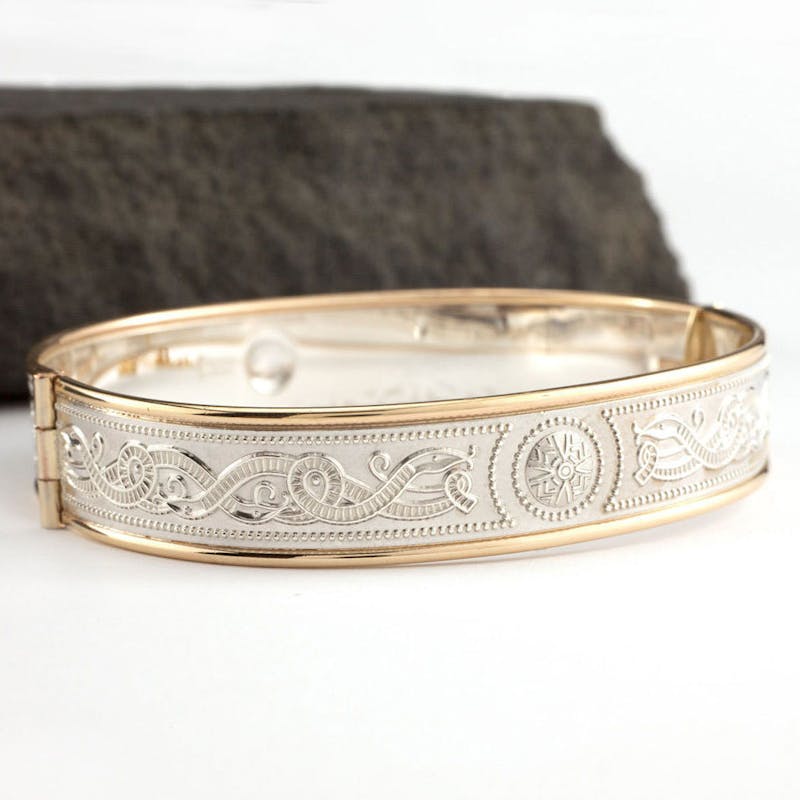
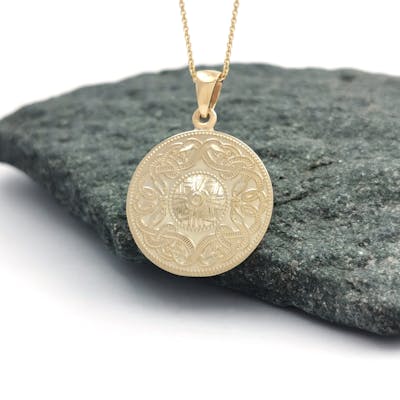
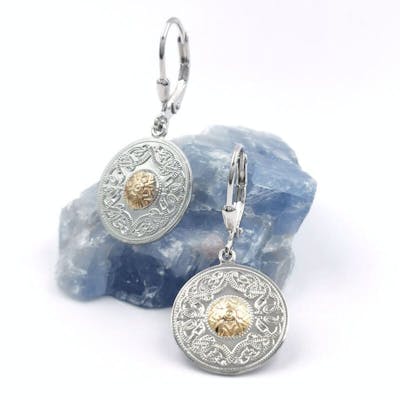
The timeless and beautifully detailed design of the Ardagh Chalice, and the Celtic artefacts it brings to mind delights to this day. The legacy of this craft lives on with the rings, necklaces, bracelets, earrings and more made with this design and those who share this spectacular story with their own treasure that can be passed down generations.
For Your Inner Warrior
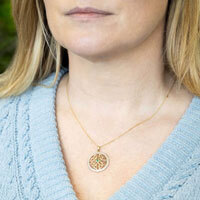
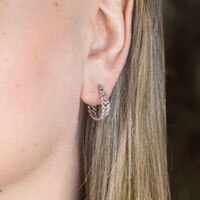
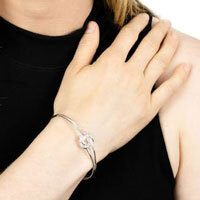
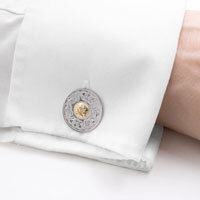
Bring home your own Celtic treasure, inspired by the culture and artefacts of ancient Ireland.
...But what about the two lads?
Fair play to you if you have made it this far! And those that have may be wondering, whatever happened to the two lads who dug up the treasure?
It seems the fairies may have got their revenge for the disturbance of their fort. The two never saw much money out of their spectacular discovery. There was some bad blood and chalice and other treasures were sold by the then Archbishop of Limerick for a disputed amount. But that's a whole other story!
Poor Paddy died a pauper and is buried in nearby Newcastle West. And Jimmy was one of the many who had to emigrate from Ireland, moving to Australia to make a life for himself.










 Ask Gemma



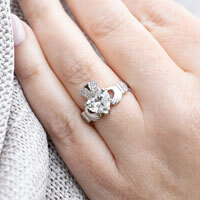


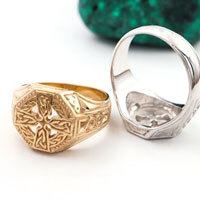
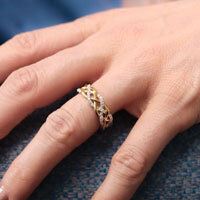




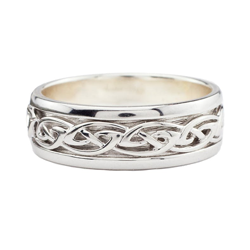

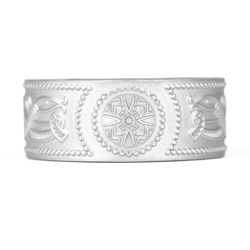
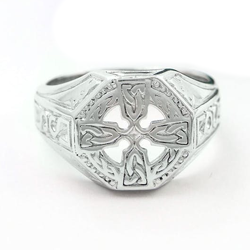

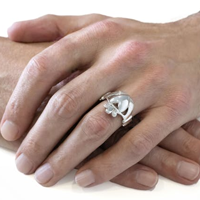
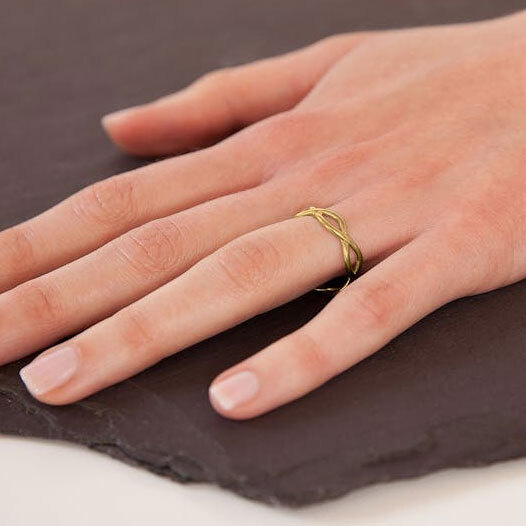
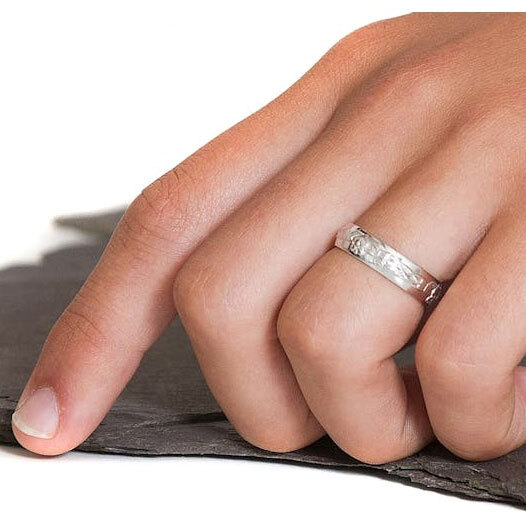

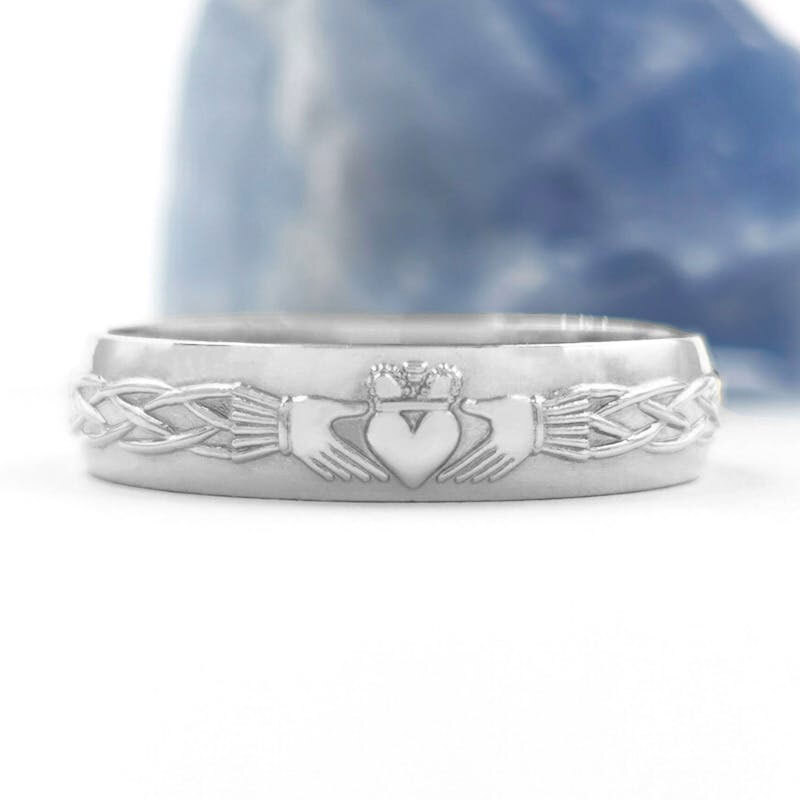





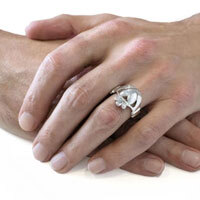
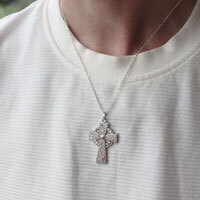
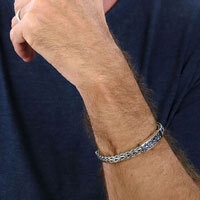
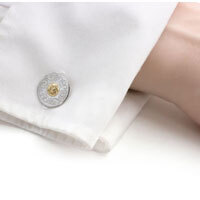

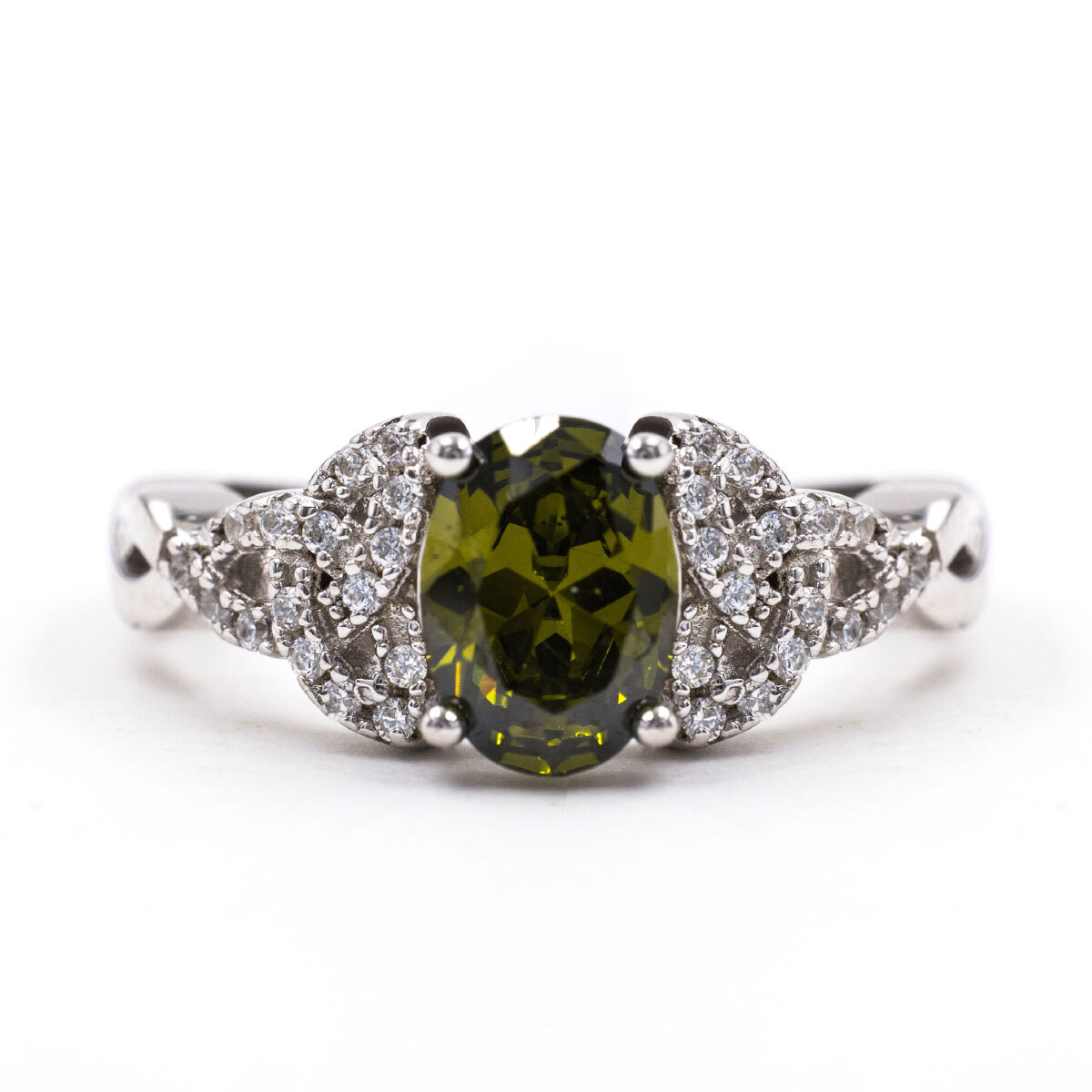
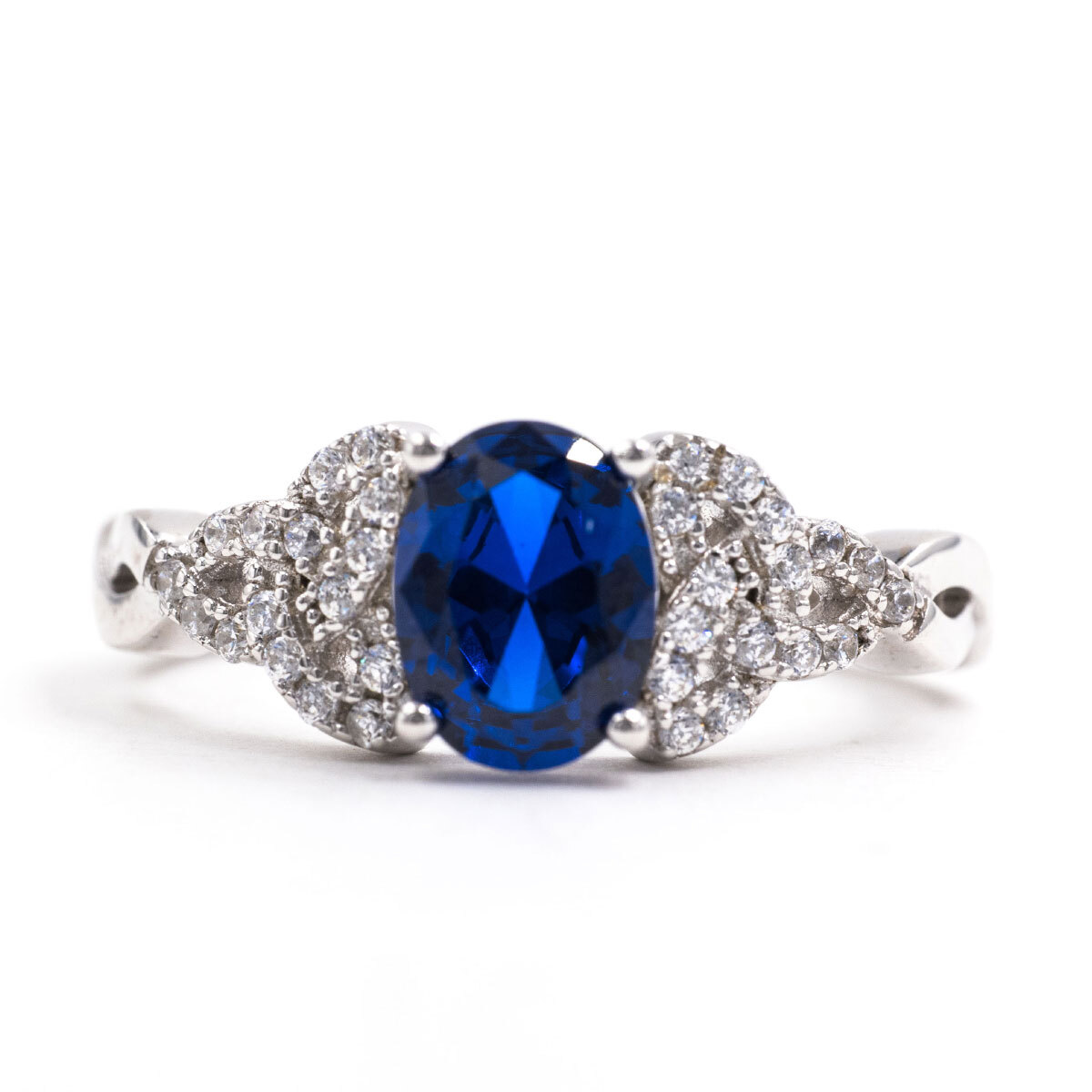
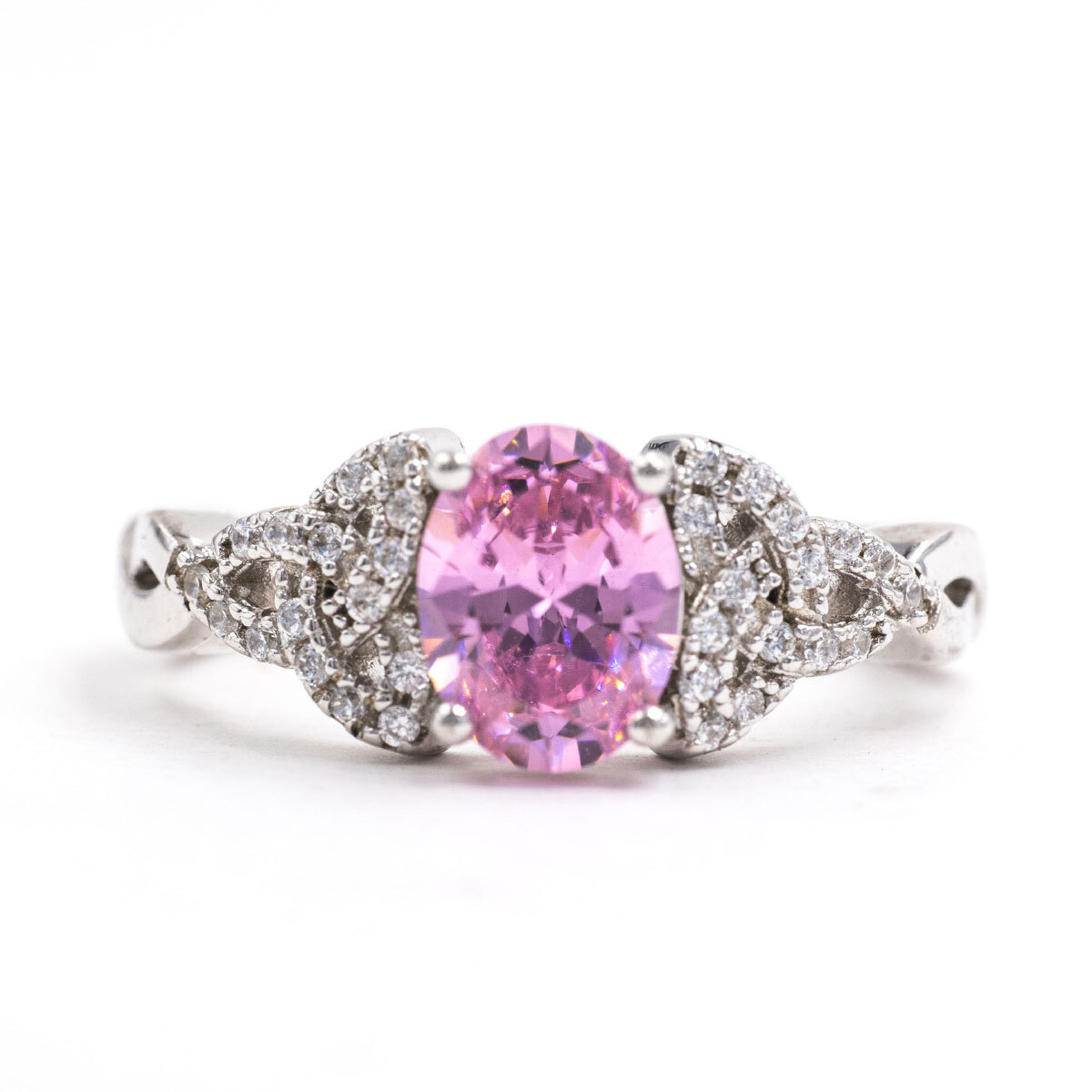
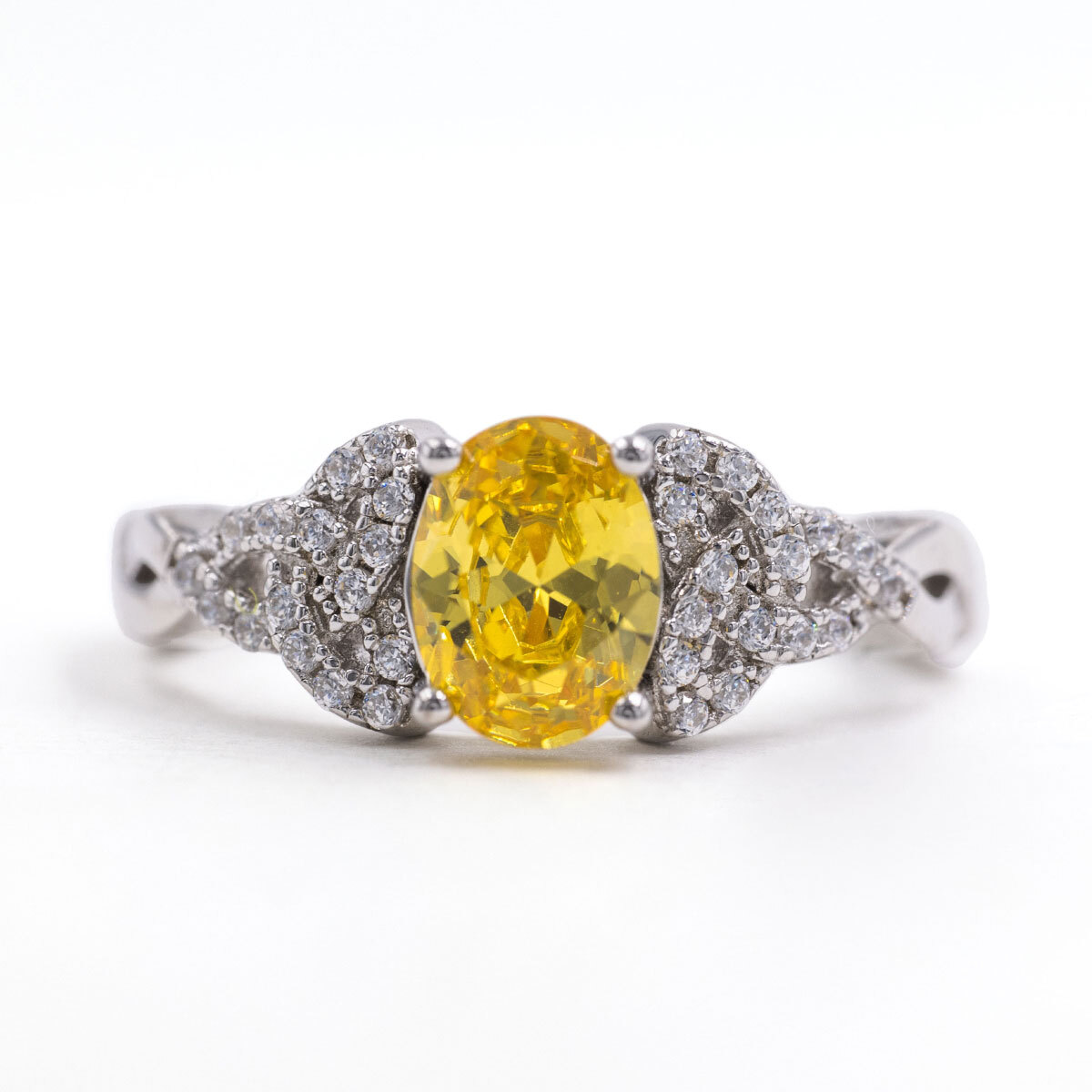
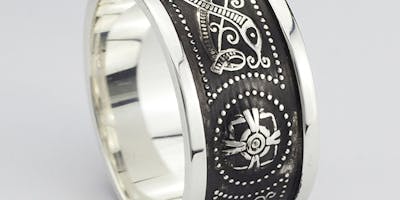
I had ordered the Armagh Chalice rings in Jan 2021 for our 50th wedding anniversary. We love them & they are beautiful! What I ‘d like to know is, what I just now noticed is what does the snake - like design that wraps around the ring represent & what does the shield represent? Thank you, Deb Keaghey