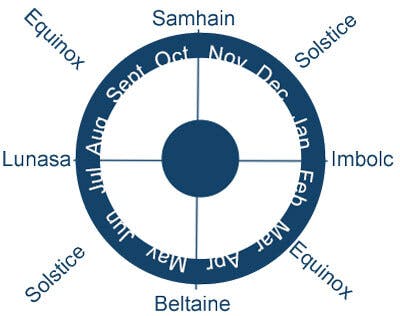
Lúnasa is one of the four big Celtic festivals here in Ireland. Pronounced "Loon-ah-sa," it's also the Irish word used for August, and you may see several different variations on the name, including Lughnasa and Lughnasadh. A clue perhaps to just how ancient this festival is!
Along with Samhain, Imbolc, and Beltane, Lúnasa was one of the biggest celebrations in the old Celtic calendar. Artefacts found at ancient celebration sites tell us that the roots of the festival stretch back at least 2000 years!
Along with the winter and summer solstice and the autumn and spring equinox, these days marked important shifts in the year for an ancient people reliant on the land for their survival.
What is Lúnasa?
Named for Lugh, one of Irelands most famous Gods, Lúnasa marked the start of August and the harvest season. At this time of year, Lugh was said to bless the first fruits of the harvest and host a great feast, a celebration of plenty, complete with games, dancing, arts, and matchmaking!
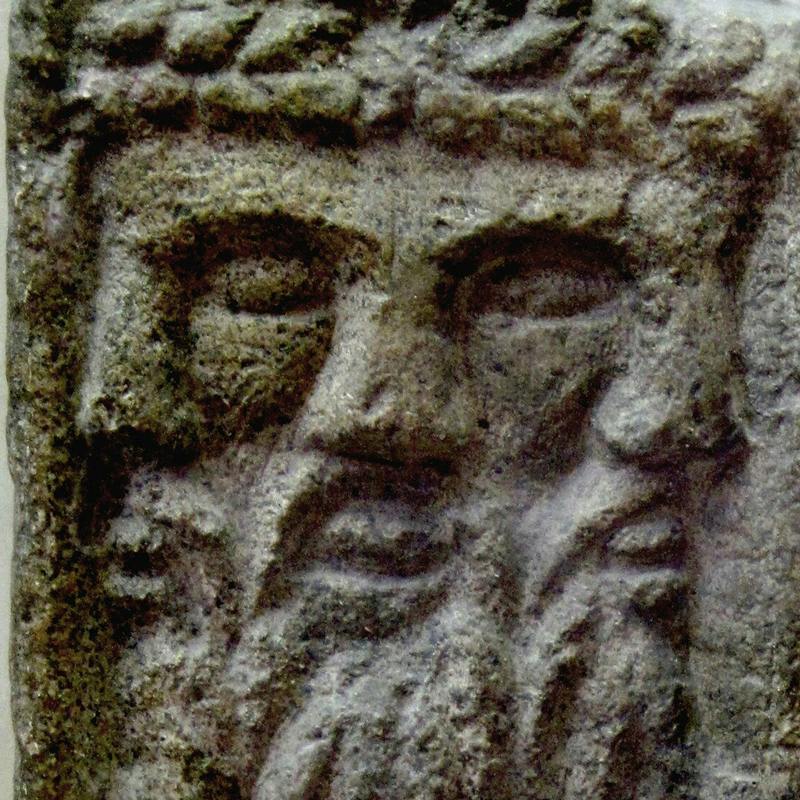
A three-faced god believed to be a depiction of Lugus, the Gaulish equivalent of Lugh
It may still feel like summer where you are, but our ancient ancestors viewed Lúnasa and the start of August as the beginning of autumn and a hugely important time for the community. The story goes that Lugh ensured that our ancient ancestors learned about planting and harvesting, forever tying the god to the ideas of plenty, celebration, and the land.
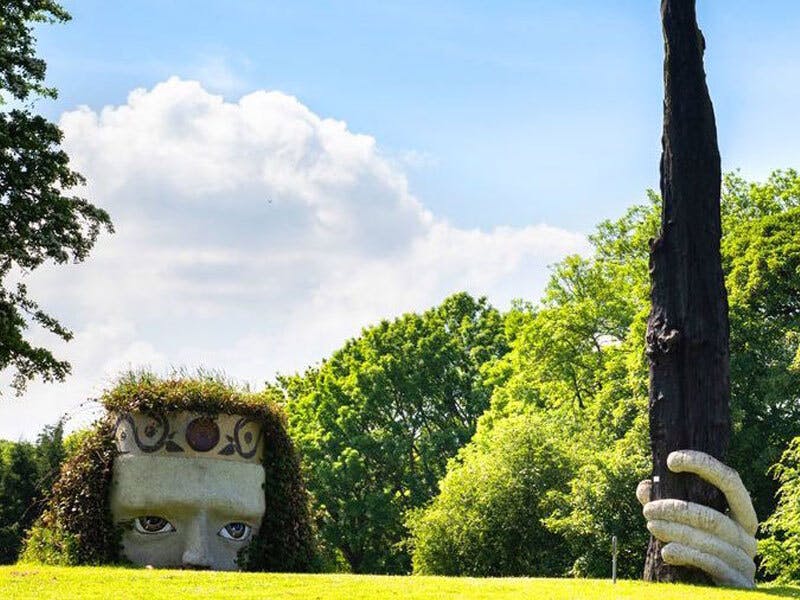
An impressive sculpture of Lugh and his spear in County Westmeath
Lúnasa through the centuries
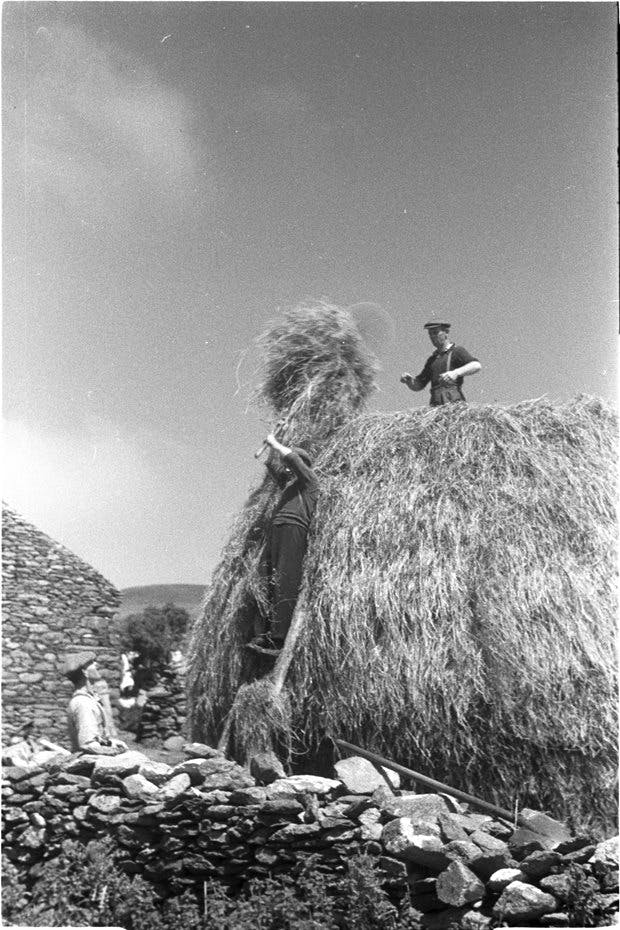
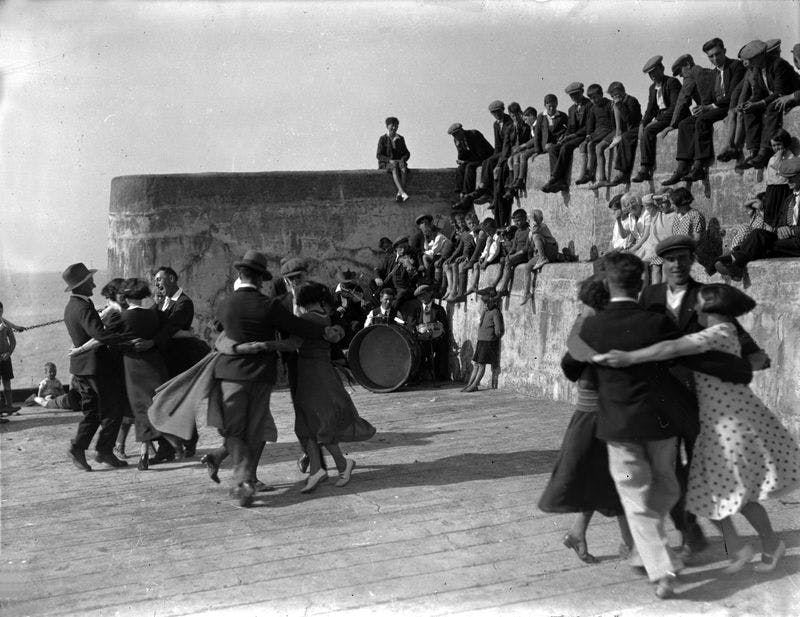
These ancient celebrations continued down through the centuries with this time of marked by family gatherings, harvest fairs, dancing and singing, with families and communities working together to bring in the harvest. It marked the beginning of a time of plenty, and people would look forward to plenty of food on the table.
The cutting of the last sheaf was typically commemorated with a special ceremony with the sheaf itself decorated and hung above the table at a celebratory harvest meal.
As well as grains, berries were harvested, with this time of year known as Bilberry Sunday in some parts. Wild blueberries and blackberries were enthusiastically harvested, especially by children, and the haul would also gave a good reflection of how the grain harvest would go - if the berries were bountiful, the crops would be too!
The Lúnasa Harvest - also known as "Garland Sunday" in many areas, with flowers and greenery left at Holy Wells, "sharing" the bounty with the patron saint of the parish.
You may have seen this festival written as Lughnasa, as in the award winning Brian Friel play, Dancing at Lughnasa. However you spell or say it, Lúnasa remains widely observed around Ireland to this day and yes there is dancing! The last days of July and the first of August see plenty of family get togethers, festivals, sporting events, and even matchmaking!
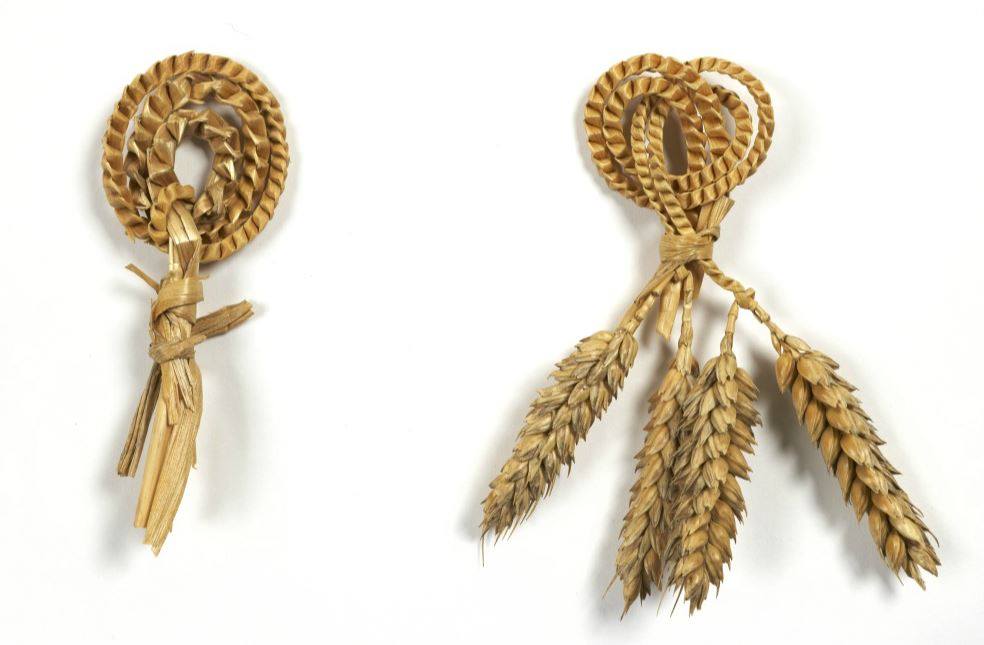
Lúnasa was also always an important time for romance! With all those celebrations, there was plenty of mixing and mingling. Romantic couples would decorate some of that harvested straw, weaving pieces together to make harvest "love" knots. These knots were exchanged with their sweetheart or given as a mark of romantic intentions during the harvest festival.
A pair of harvest “love” knots given to love interests or lovers at Lúnasa festivals. Image from National Museum of Ireland.
Continuing traditions
Many of the Lúnasa traditions like harvest knots may have fallen by the wayside in Ireland today, but echos of the tradition live on through of hand fasting. The bank holiday at the start of August also remains a hugely popular time for weddings and family get togethers in Ireland. Find out more about Irish wedding traditions, including love knots, here.
Handfasting is an ancient tradition that is common in many Irish wedding ceremonies through to this day.
Love Knots & Celtic Inspiration
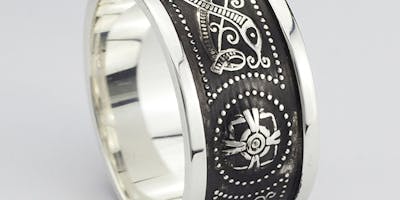
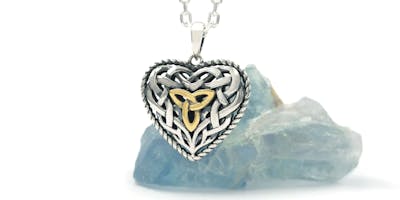
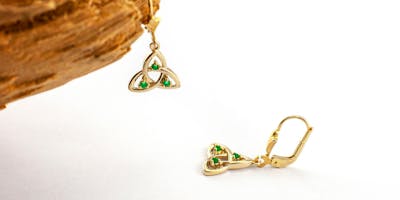
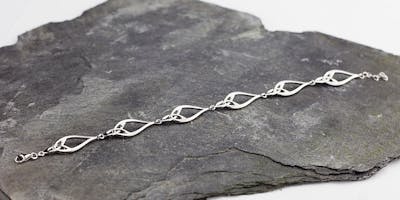
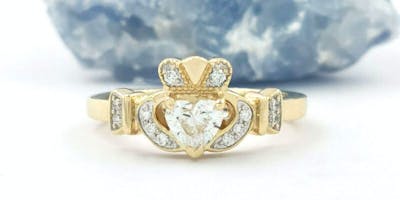
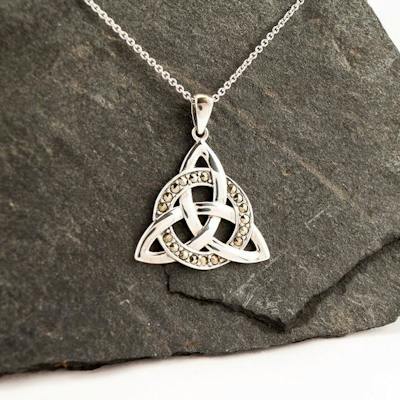
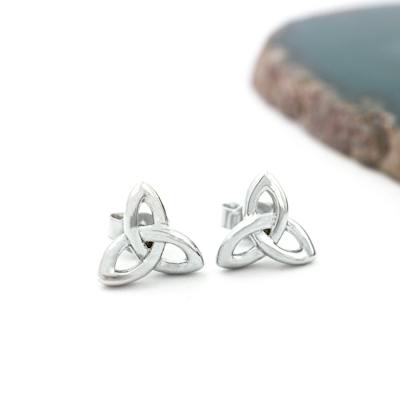
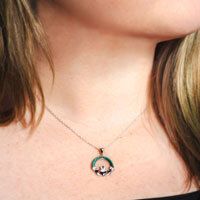
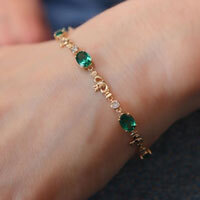
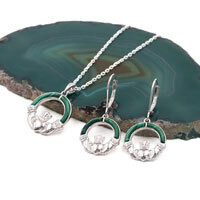
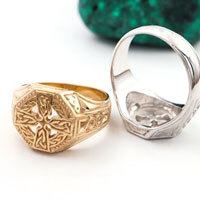
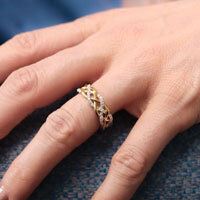
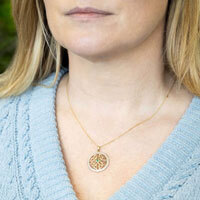
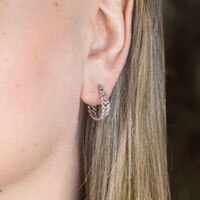
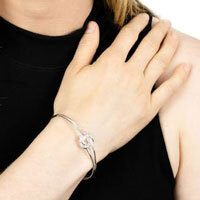
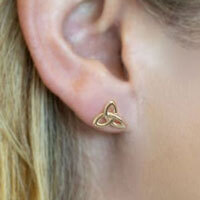
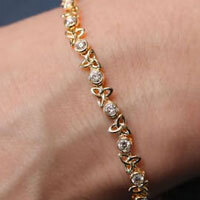
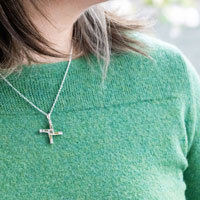
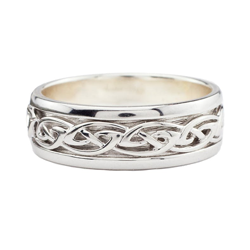
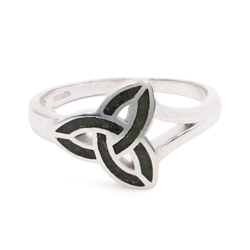
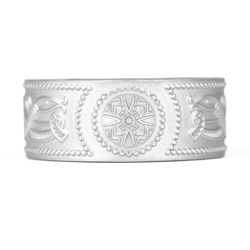
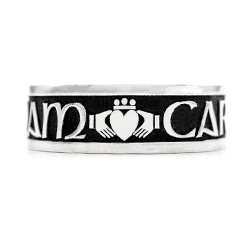
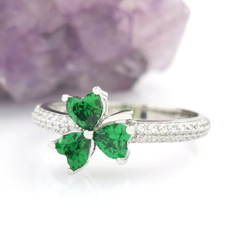
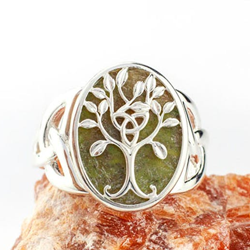
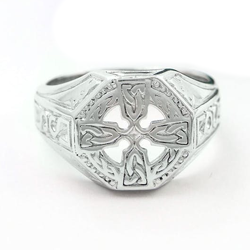
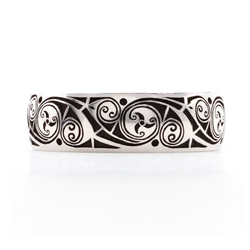
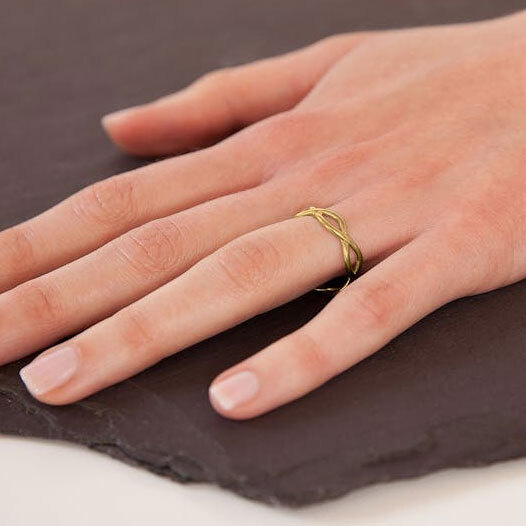
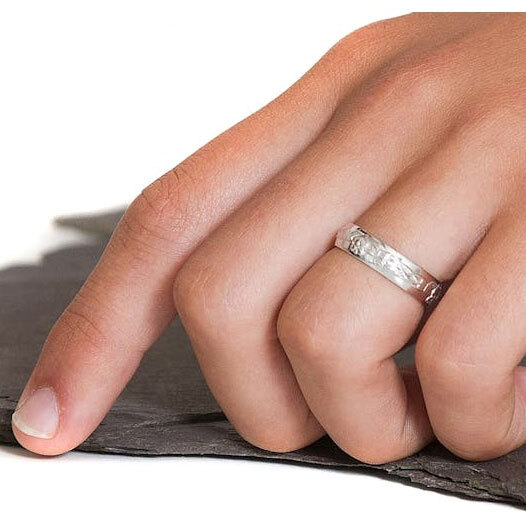
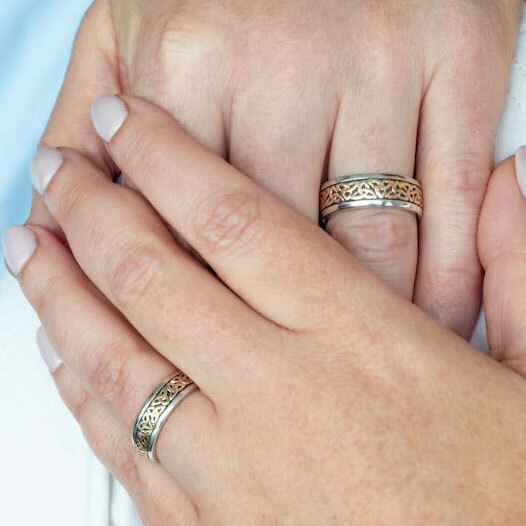
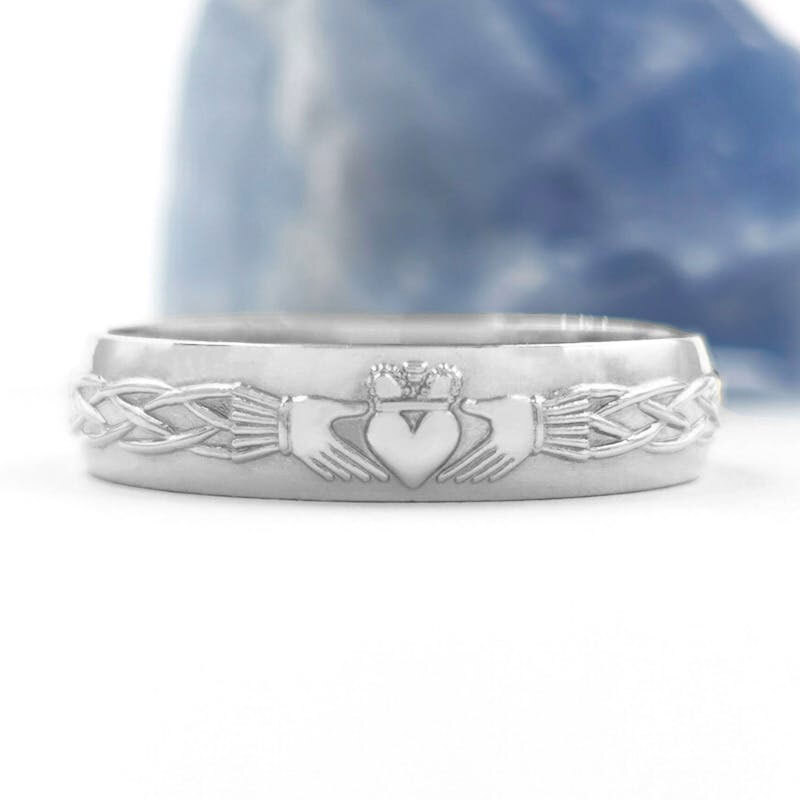
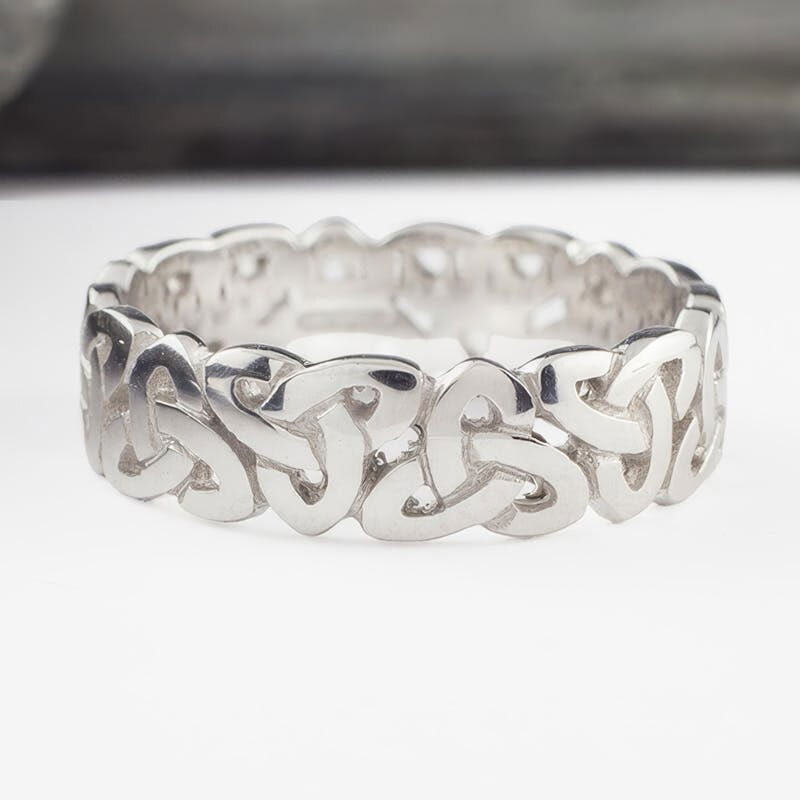
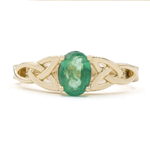
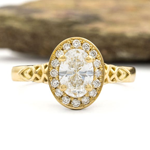
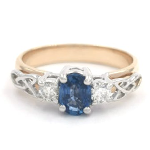
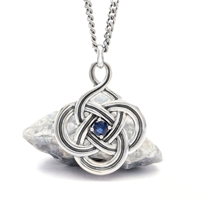
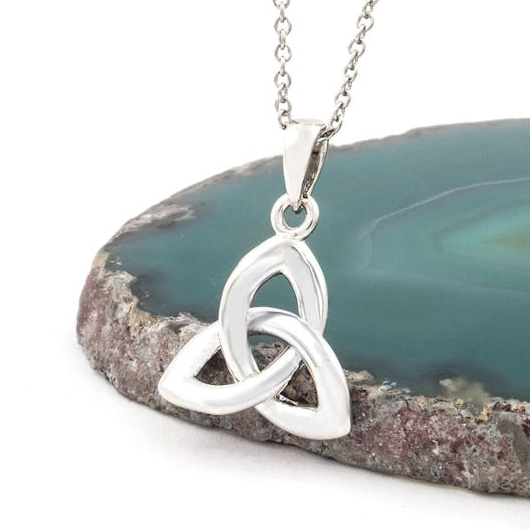
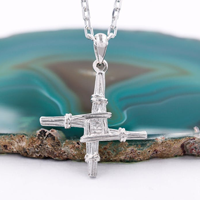
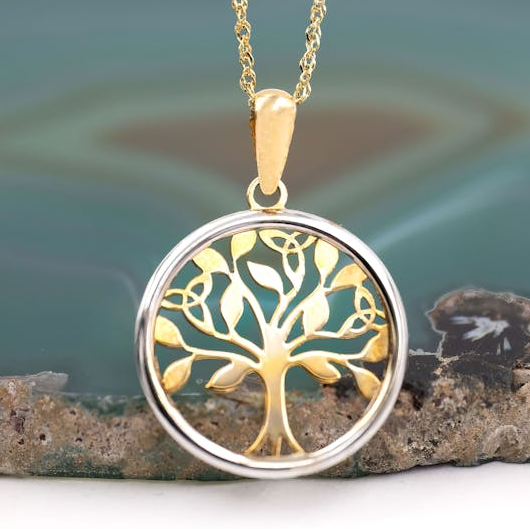
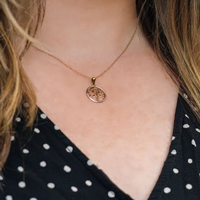
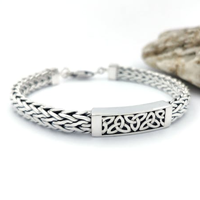
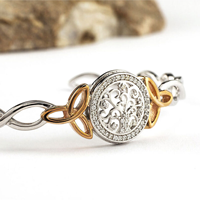
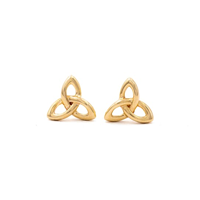
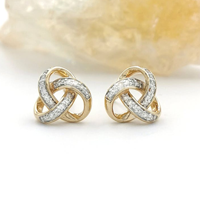
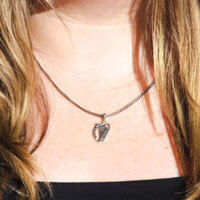
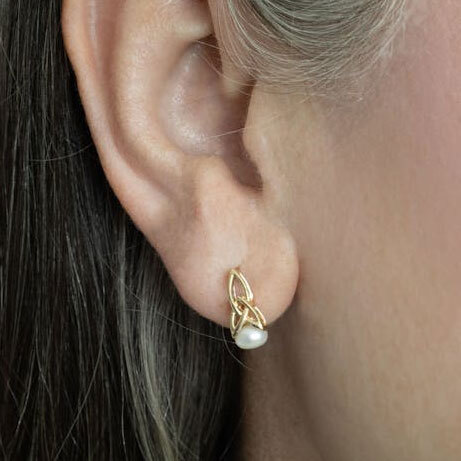
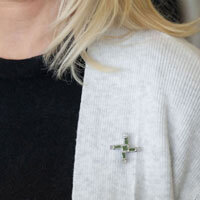
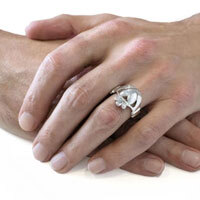
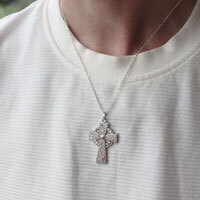
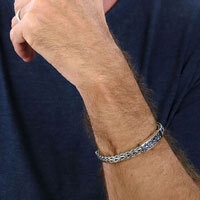
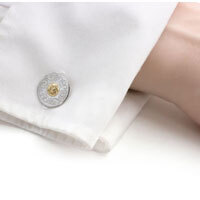
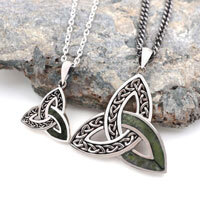
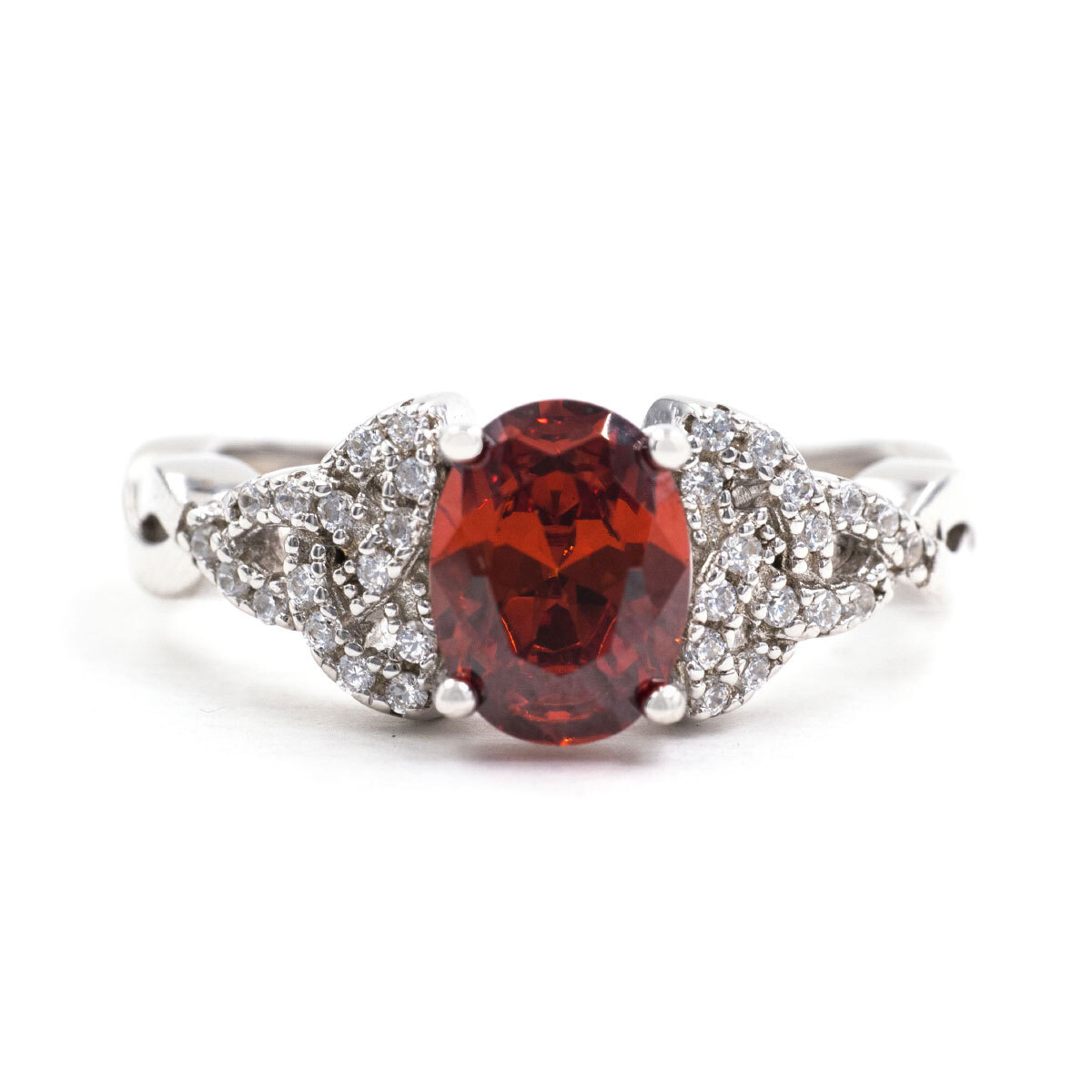
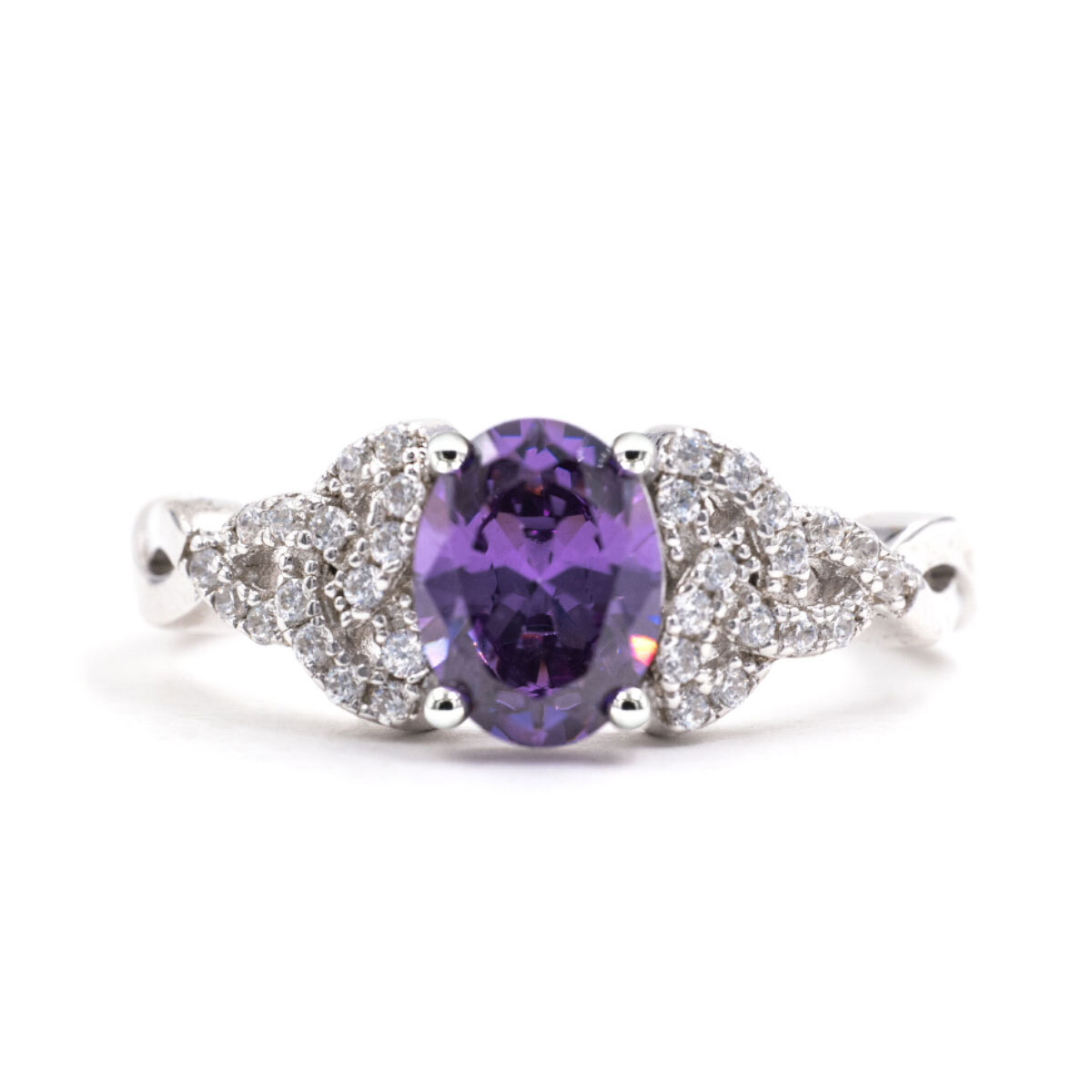
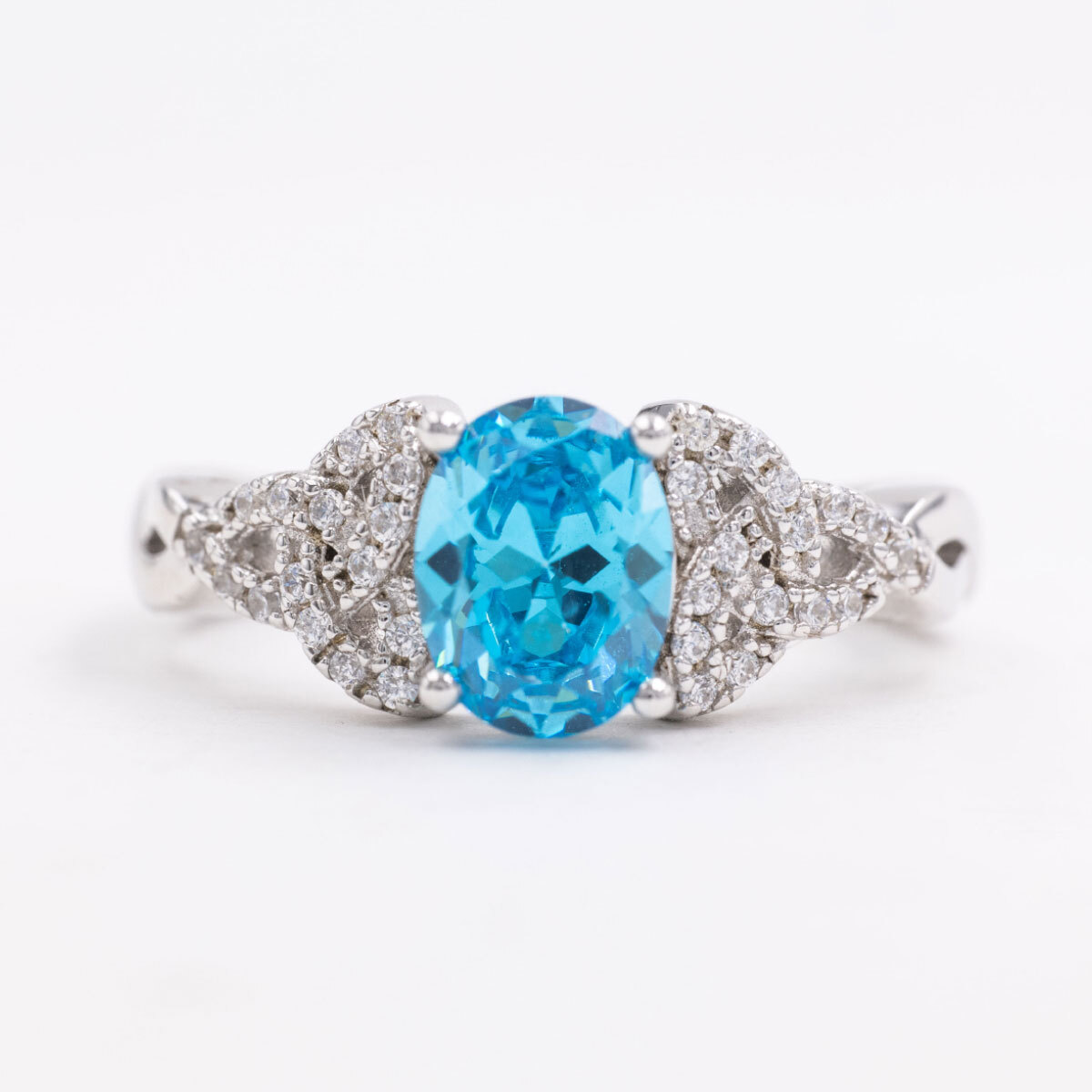
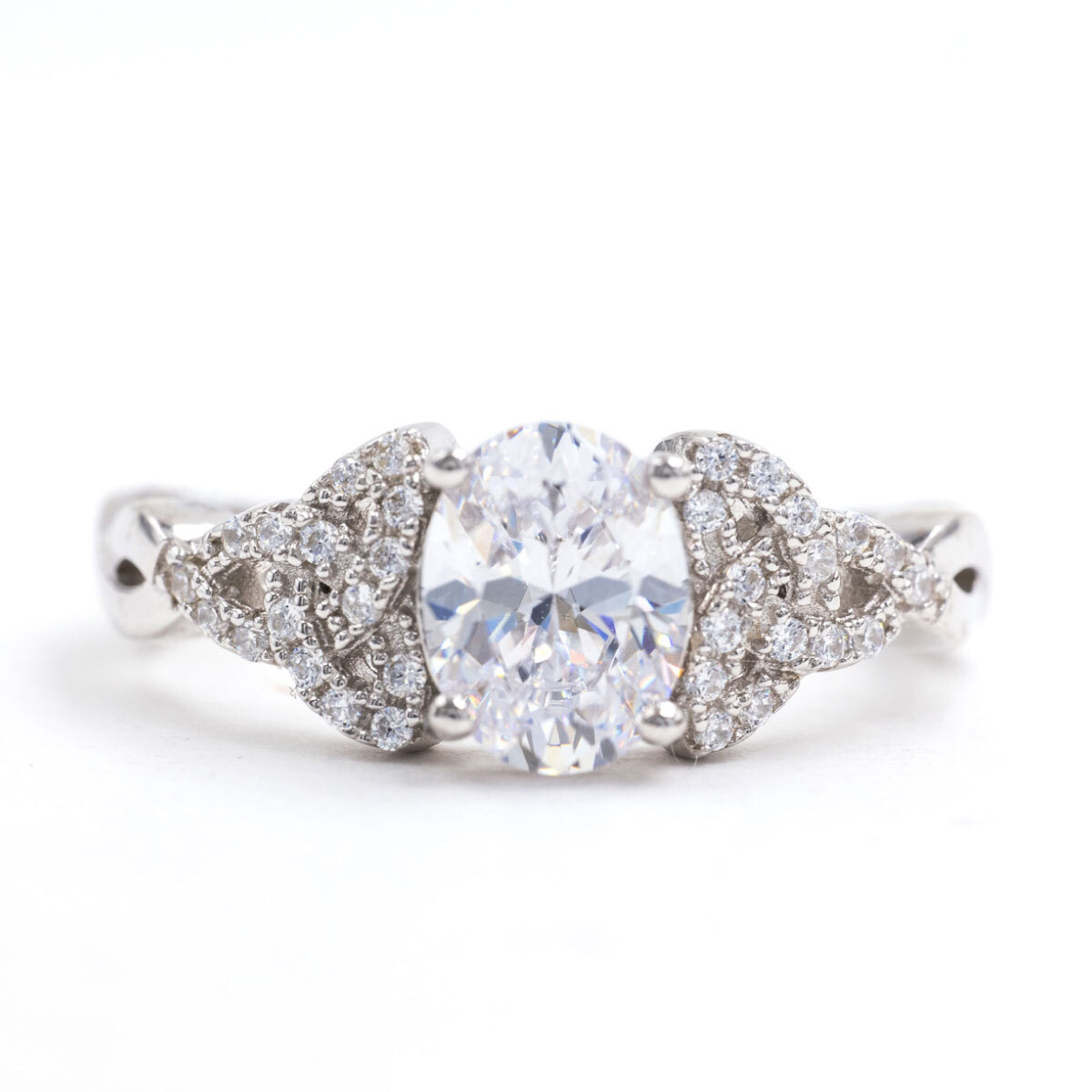
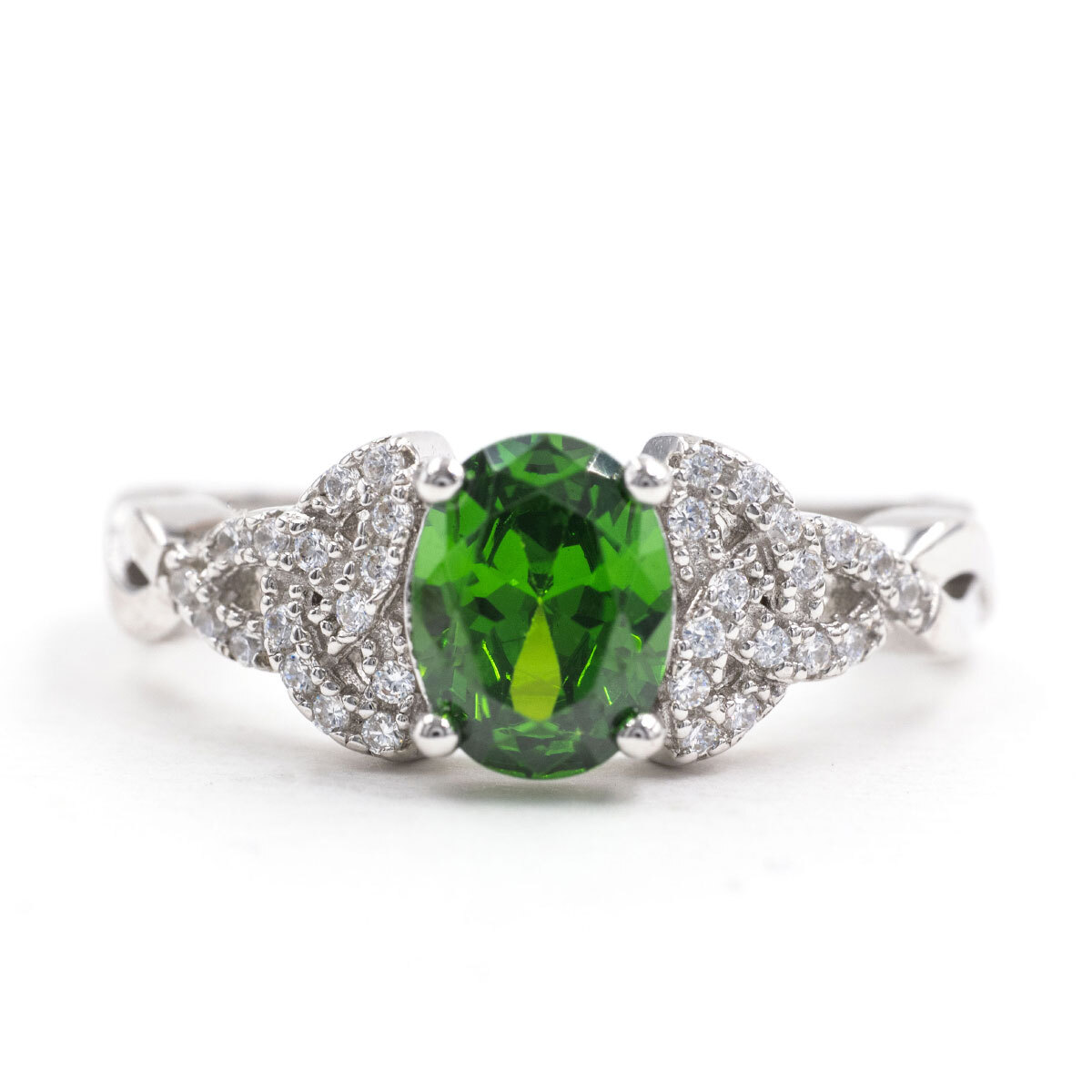
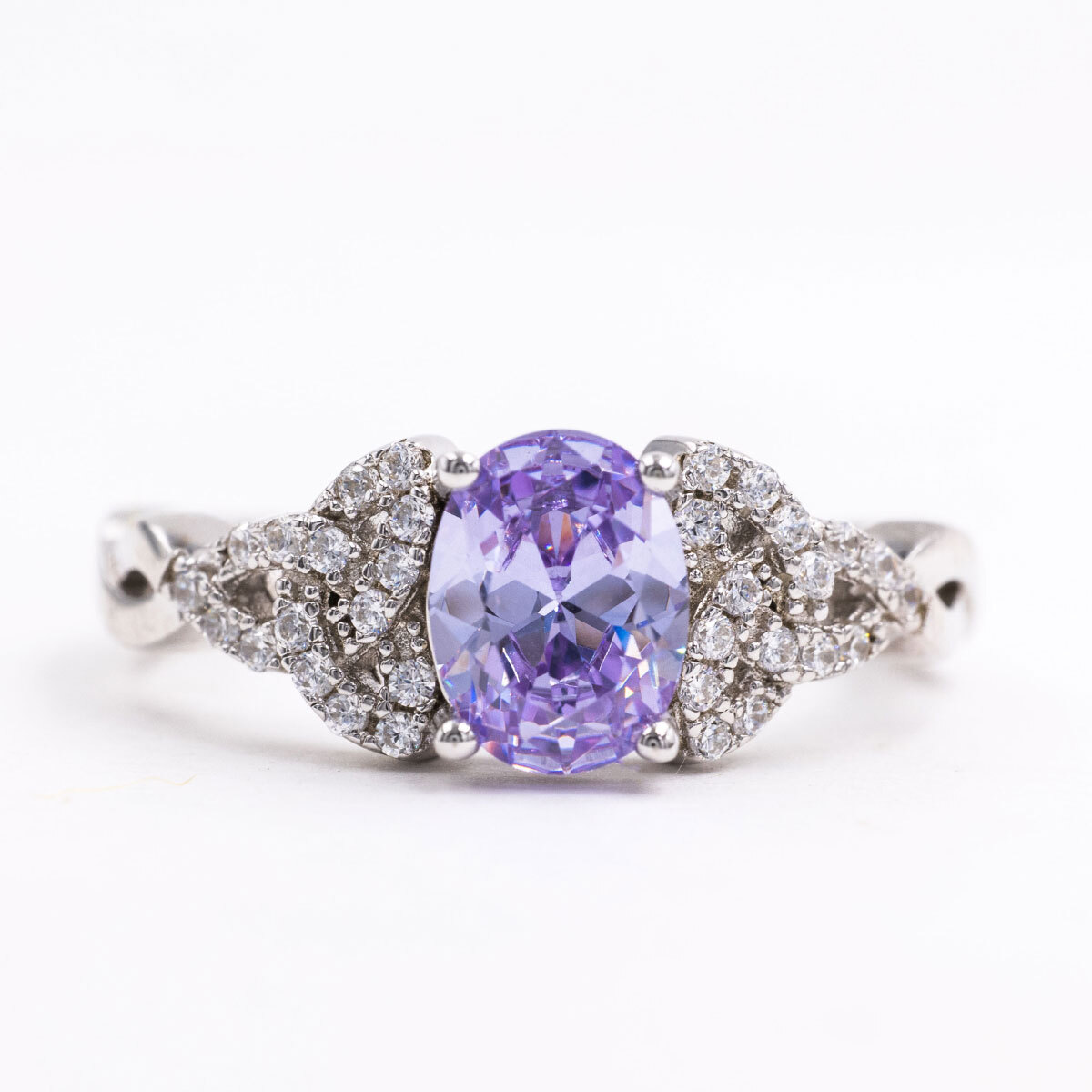
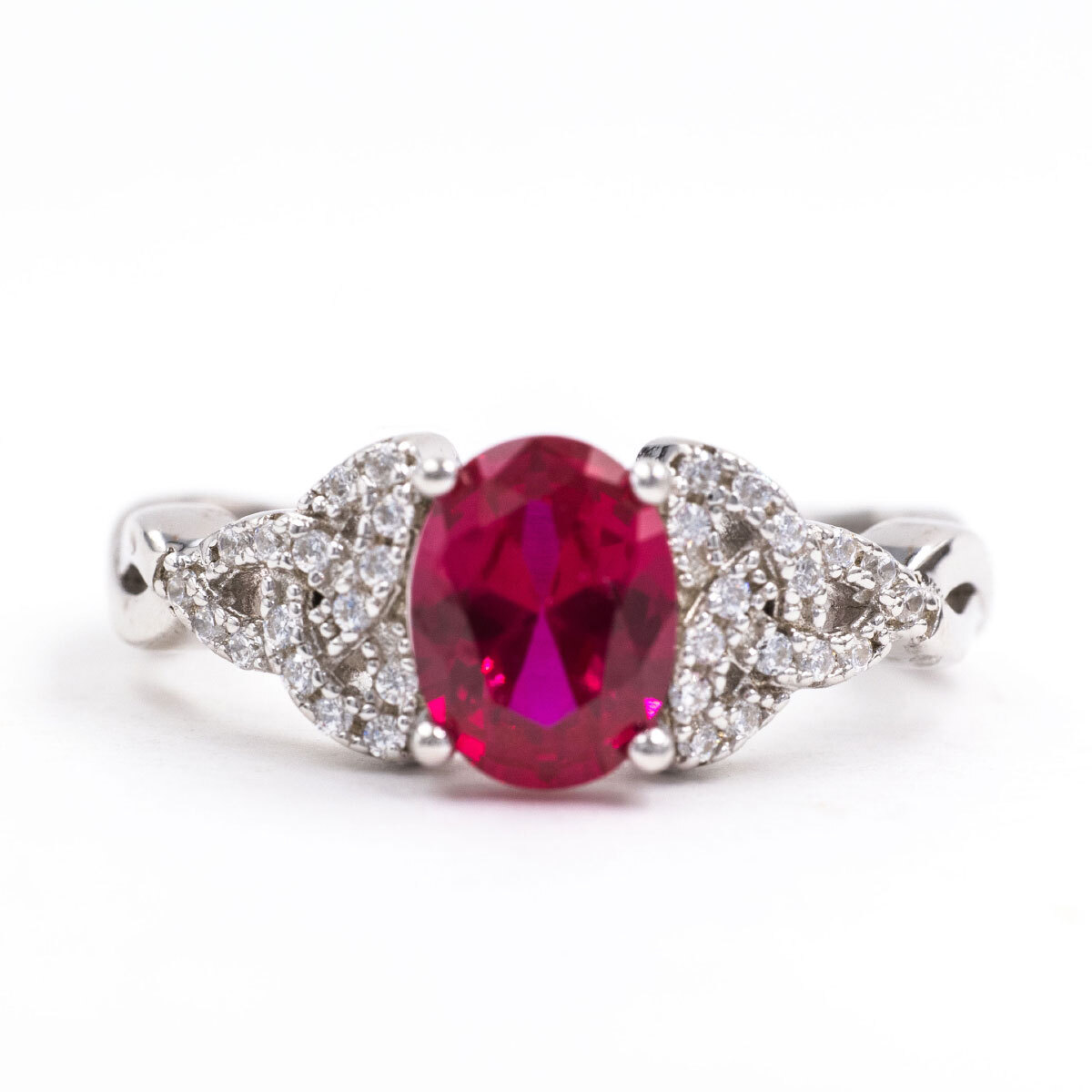
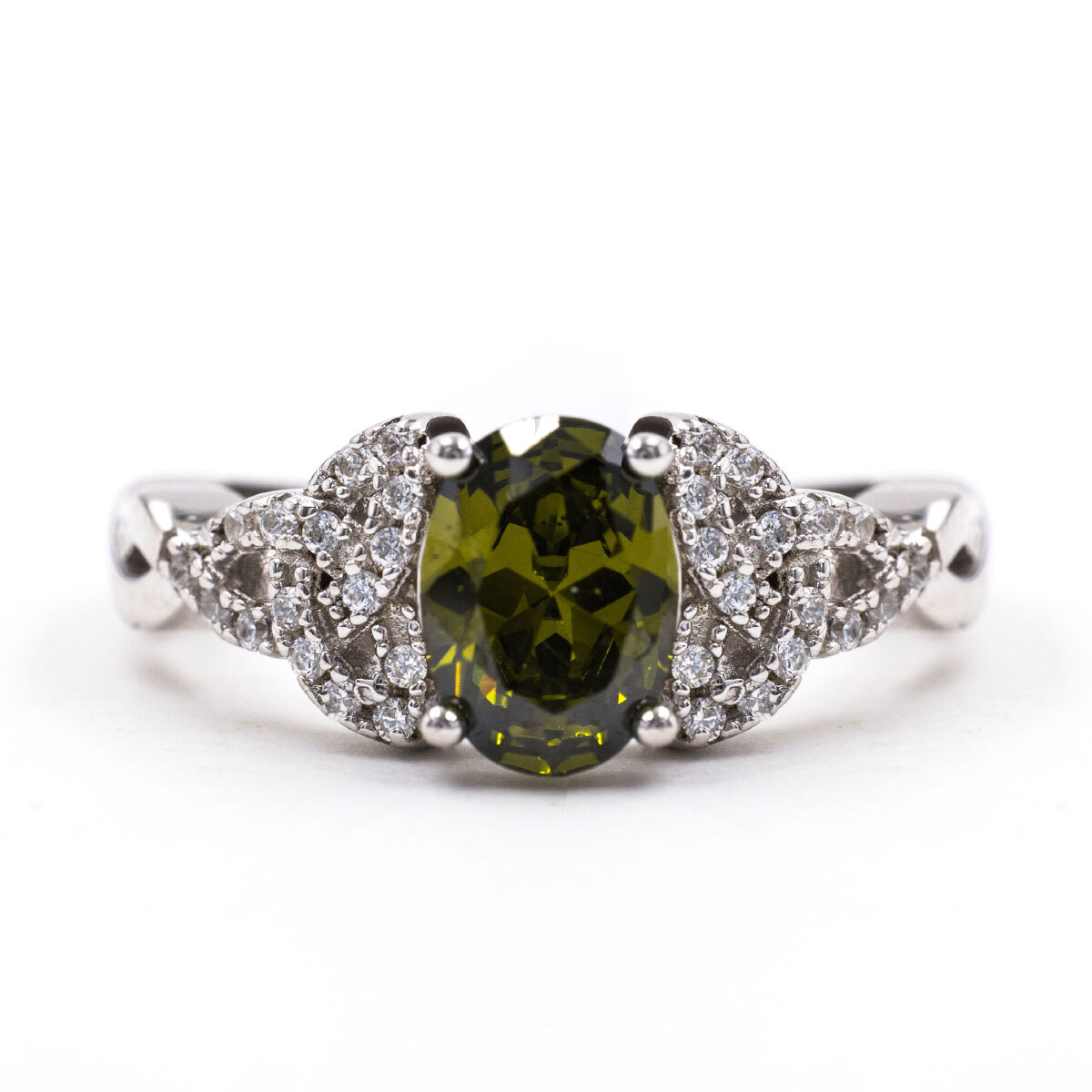
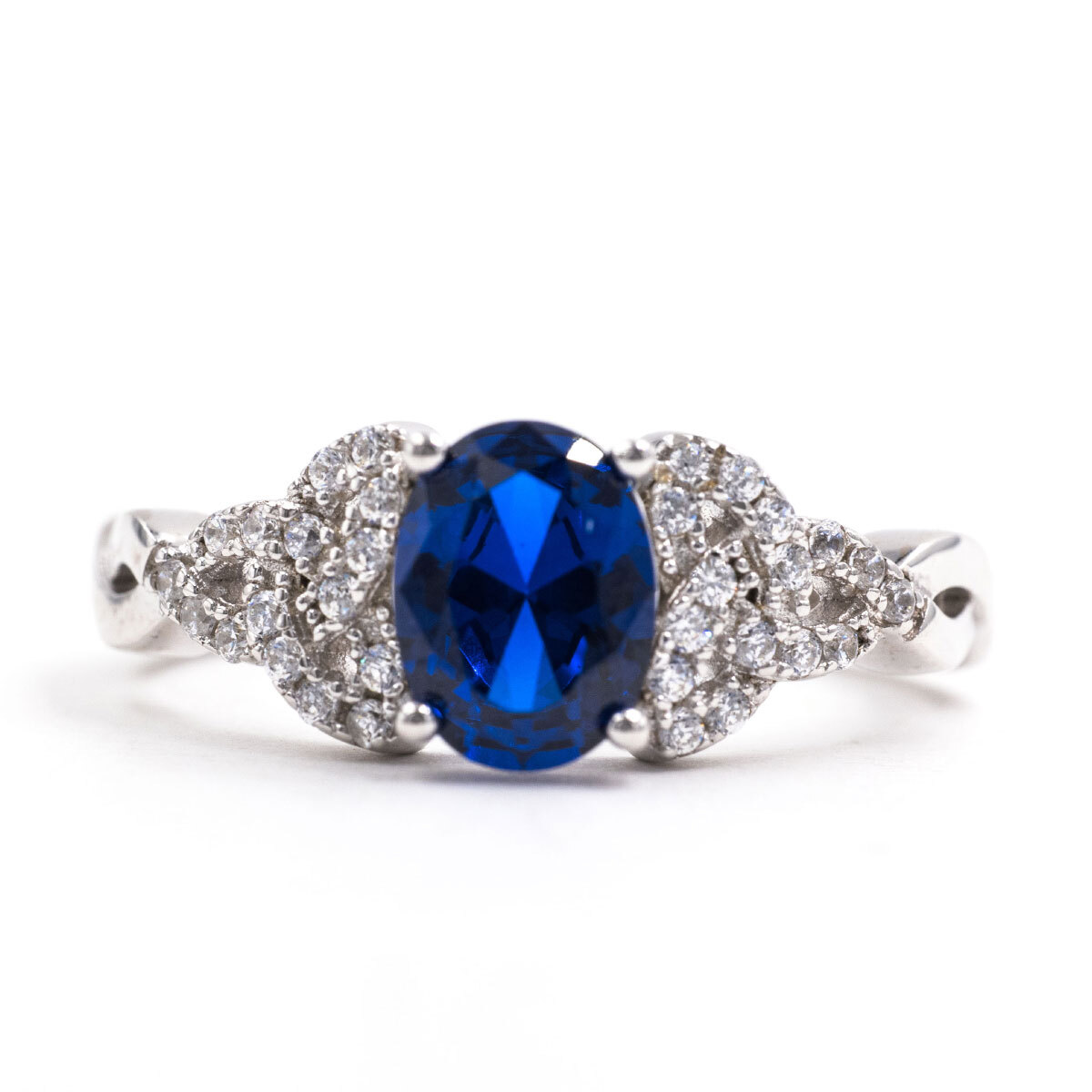
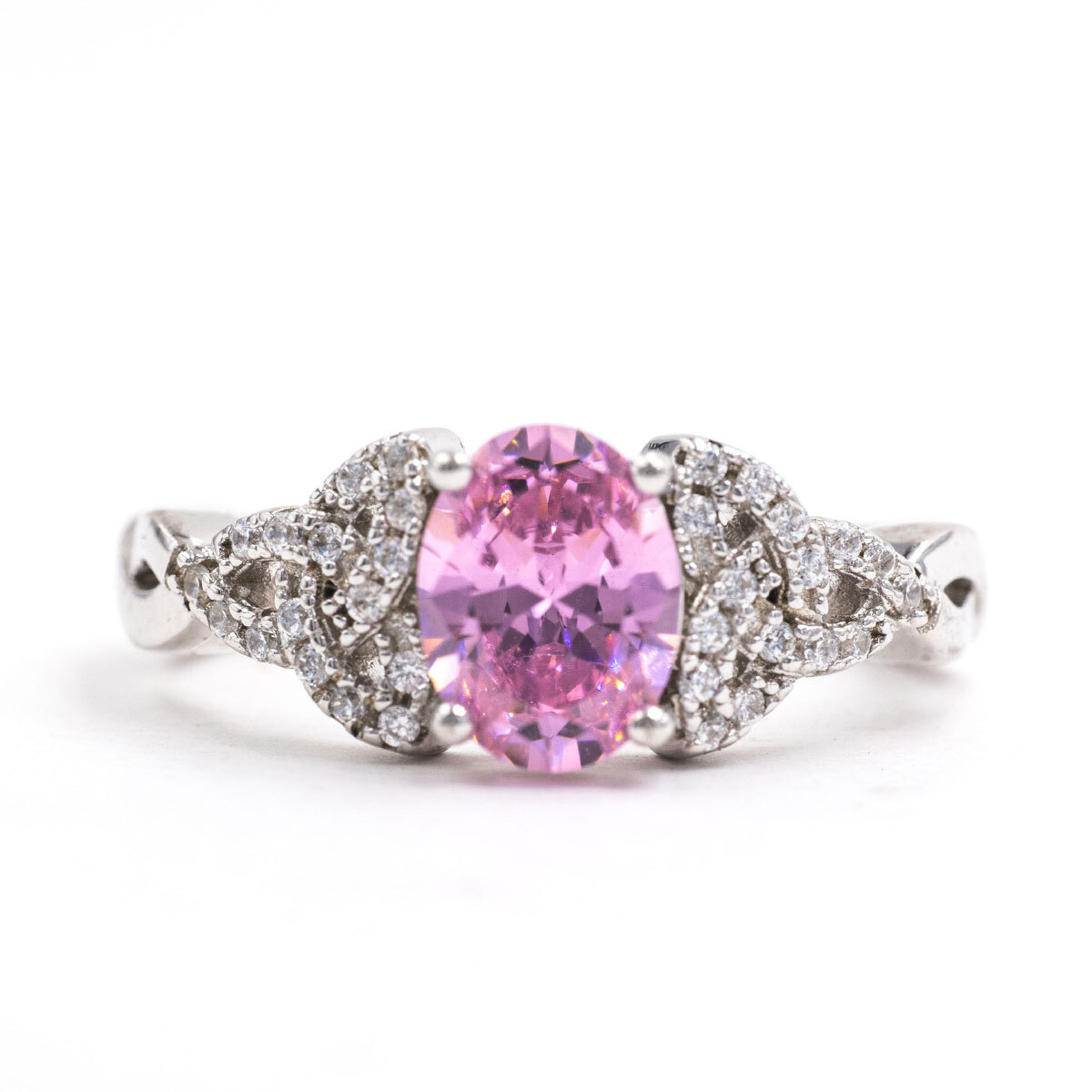
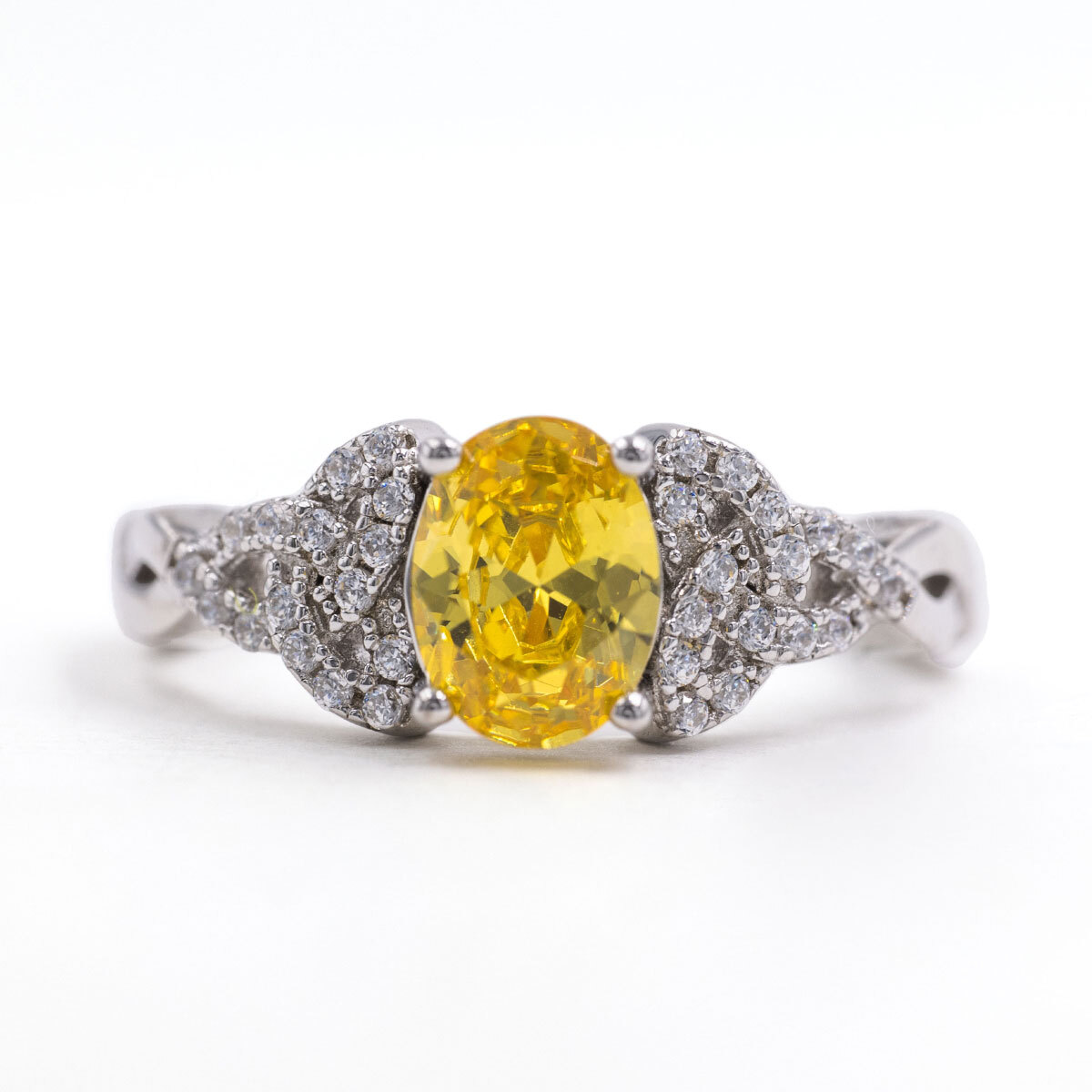
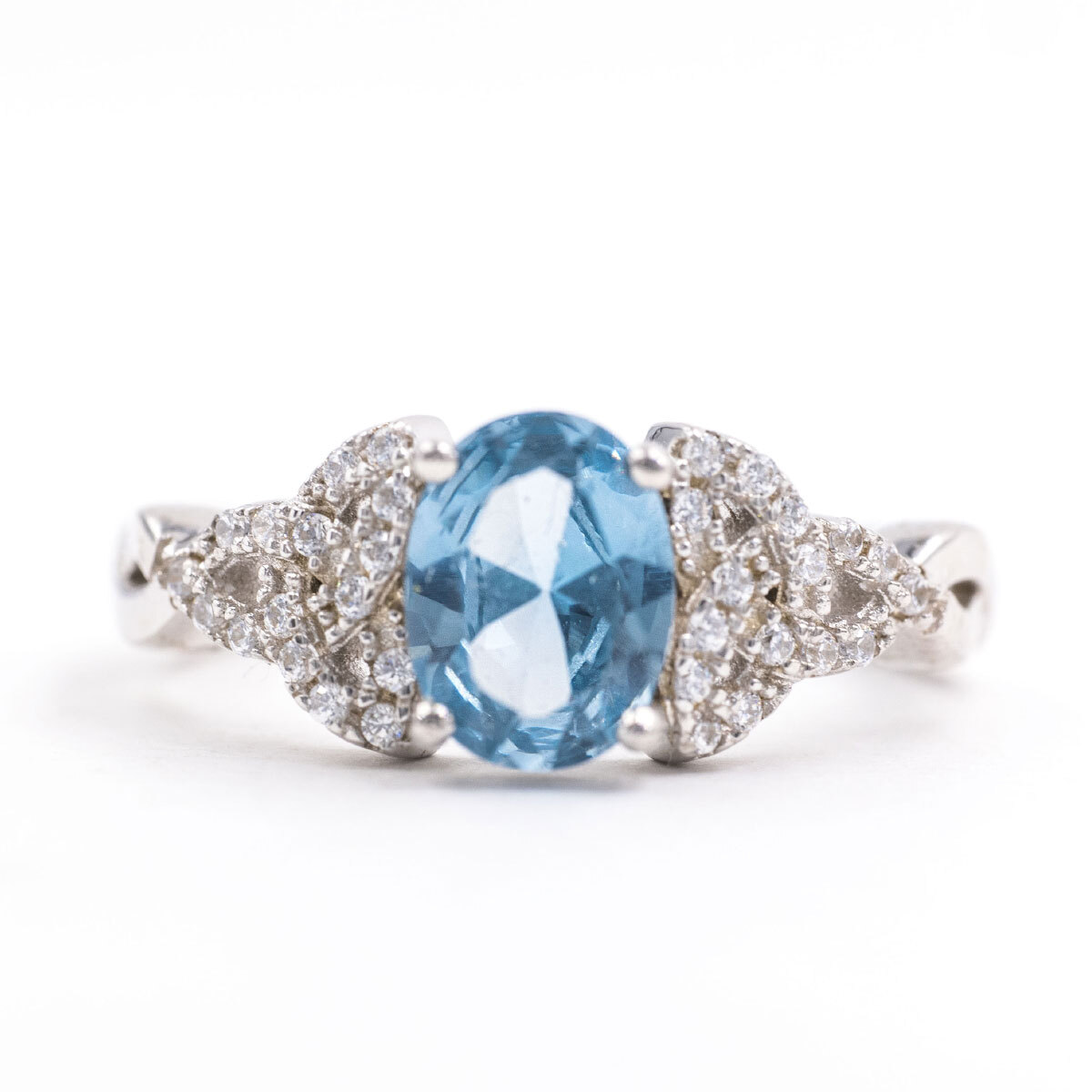
Here at My Irish Jeweler we continue the tradition of harvest love knots, with silver and gold worked into jewellery with Irish and Celtic knot work, a strong symbol of enduring love and commitment. You can browse our beautiful knot work jewellery for a piece of your own or one for your sweetheart.
Join a growing community of people worldwide who enjoy Irish culture, design and craft.
Get In Touch
Have a question or something you're not entirely sure about when browsing our pieces? Please reach out. You can send us a note or give us a call—the Dublin workshop is here to make sure that you have a perfect experience from start to finish with My Irish Jeweler.
Born in Co. Antrim and reared in Dublin, I was fascinated with Gaelic culture from an early age. I suppose it's not surprising given my mother inherited a grá for the Irish language from my grandfather, an Irish school headmaster. And that grá continues! My brother and sister are now Gaelic teachers here in Ireland, my niece is an award winning Irish dancer, and I proudly work to share Irish culture through our Irish and Celtic Jewelry at My Irish Jeweler!
I love researching and reading about the history of Irish design. It's at the core of what we do here at My Irish Jeweler. I find much of it so interesting that I have to share what I find. I hope you enjoy it!
Hi Mary, thanks for stopping by and for your wonderful question. Depending on where you are in Ireland, Ciarán's name is pronounced “keer-awn”” or “”keer-in”. He is "Keer-in" to us :) The proper spelling also has a fada (the little dashed accent) on the second "a" in the name, the "á", drawing out the sound of that letter. The fada often gets dropped, especially online where accents on letters can break things!










 Ask Gemma








How do u pronounce your first name. Thanks