


You are not alone in that belief Pauline that's for sure. Thank you for sharing your wonderful fairy story. All the best from Dublin.
Written by Ciaran on Jun. 27, 2022 | 4 Comments
You will find stories of fairies and otherworldly creatures in cultures around the globe. In Ireland, what is perhaps quite unique is that this culture is still very much alive. Many Irish people today are professed believers in the wee folk with not just one but two motorways recently re-routed to leave important fairy sites untouched for fear of their wrath.

Want to know more about Ireland's fairies and how to keep on their good side? Read on for answers to questions like:
Irish fairies go by many names depending on where you are in the country and who is doing the talking! Their somewhat official title is Aes Sídhe in gaelic or the Sidhe or Shee, which roughly translates as “the people of the mound.”
But those that don’t want to get on their mischievous or even malevolent side tend to avoid naming them directly and might call them The Good Folk, The Wee Folk, The Gentle People, The Other Crowd, or The Fair Folk.
Some say that the last of these terms, the fair folk, is the origin of the term fairies. But many in Ireland still wouldn't use that term. This is probably for good reason as you will soon find - Irish fairies are far from the dainty and delicate winged creatures of English victorian illustrations or Disney animations.
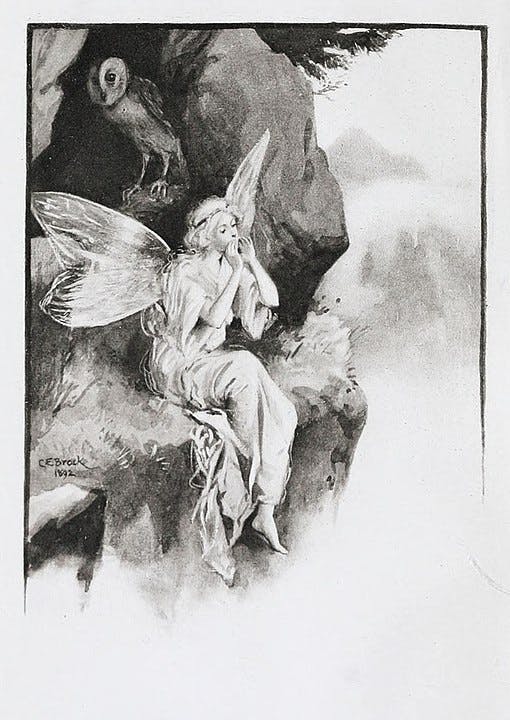
In Ireland, the most commonly held belief is that the Sidhe are the original magical inhabitants of this island, namely the Tuatha De Dannan. These otherworldly beings had god-like powers and magic, and were able to complete fantastic acts of strength, cunning, and craft.
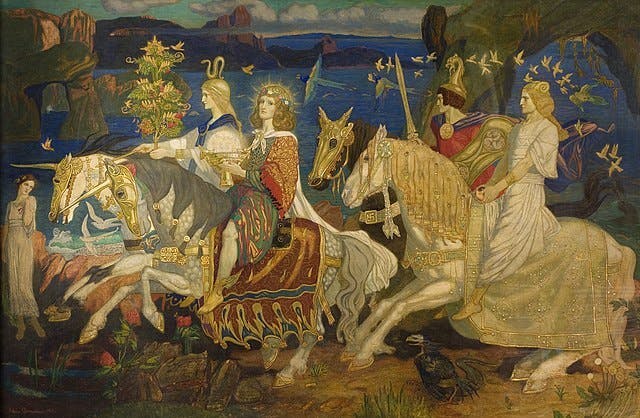
With the coming of humans to Ireland, these magical beings retreated underground to another realm, residing in mounds and fairy forts around the island. They wished to keep to themselves and watch over the land and animals.
But they are also well known for playing tricks on humans who cross their path, for fun or sport, or even to show their superiority. This behavior peaks around Celtic feasts like Lá Bealtaine (May 1st), the Solstice (June 21st), and Samhain (October 31st). At these times, it is said that the barrier between their world and ours is at its thinnest and the Sidhe or fairies are out and looking for mischief.
Still others say Irish fairies are fallen angels that repented just in time before reaching hell and hence reside underground. This explanation seems to sit a little at odds with some of the more malicious behavior that are credited to the Sidhe, but it may be another interesting example of Ireland's hybrid christian and pagan culture.
Again, this is a harder question than you might think to answer! By their very nature as magical otherworldly tricksters, Irish fairies can take on many different forms. They are very different to what you might imagine, and are not described as having wings of any sort. Some will tell you the Sidhe are the most spellbindingly beautiful people you will ever see.

Others say they look just like you or me and can only be spotted by a wild, otherworldly look in their eye. Still others say they are genuinely wee folk, who look just like you and me but never more than a few feet tall. While others will swear they are awful hideous monsters that would give you the fright of your life.
Three of the most famous Irish spirits that in some way fit these descriptions are Leprechauns, Banshees and the Puca:
Leprechauns from the gaelic leiprechachán, are not as old as some other Irish spirits, with their first recorded mention in an 8th century poem later transcribed as The saga of Fergus Mac Léti in the 11th century. The origin and meaning of their name is of some debate, but Leprechauns are commonly described as diminutive, standing never more than 2 ft tall and sharply dressed in a suit, waistcoat and hat.
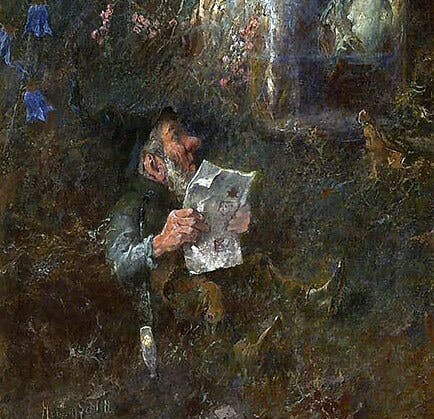
They are notoriously mischievous and also reportedly skilled cobblers, with anywhere from a single shilling in a purse to heaps of gold buried or stashed in caves. Those that manage to capture an elusive leprechaun are typically tricked into letting them go, sometimes in exchange for three wishes or access to their treasure which then disappears!
With an entire museum dedicated to them in Dublin, Leprechauns remain one of Ireland’s most famous sprites.
The name Banshee comes from the Irish bean, meaning woman and sidhe, meaning mound which translates as woman of the mound. In old Irish folklore a Banshee can typically be found near ancient ruins, fairy rings, or graveyards and her wailing cry is a portent of death! The Banshee is the stuff of many Irish children’s nightmares and there are still believers who will look over their shoulder if they hear a cry on the wind.
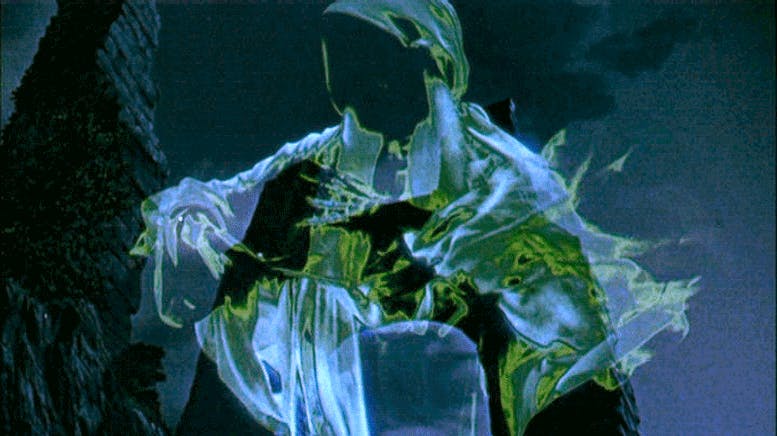
Púca is the Irish word for spirit or ghost and can also be written as pooka, phouka. With roots linked to Samhain and the Celts, these unusual creatures are shapeshifters, who can take human form but typically not completely with an animals ears, head or tail.
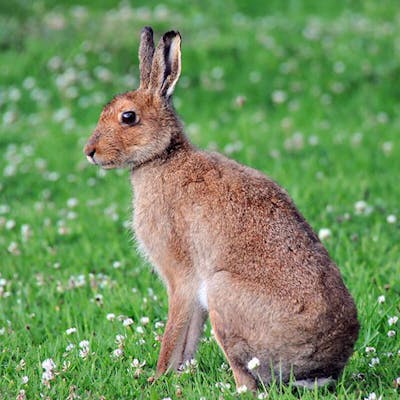
They are most comfortable in animal form appearing as a horse, cat, dog, hare, bird, fox, wolf, goat, or some odd mixture of several creatures. What unites all descriptions of the Púca is that they are typically dark in color with black hair or fur and glowing eyes.
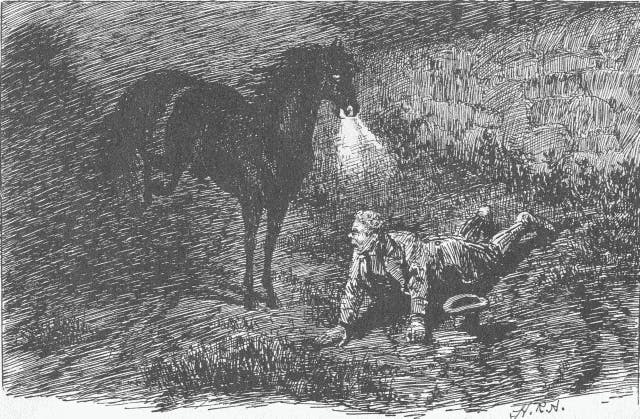
Feared by many for abducting lone travelers and taking them on terrifying and wild rides across the countryside, the Púca typically never does its captives any real harm and has even been known to be a helpful or protective spirit in some tales. With a dedicated celebration at Samhain, the Púca is associated with the harvest. Any food left in the fields or on fruit trees after November 1st is left for them. Still a controversial creature in Ireland, the Púca remains a spirit that haunts many Irish nightmares! Find out more about the Puca here
According to folklorist Francis McPolin, as recently as the 1940’s over 60% of over 60’s were proud believers in The Little People. Of the remaining 40%, half believed but were reluctant to admit it.
Growing up in Ireland, most will have heard about fairy forts and trees and many would still be reluctant to do them any harm for fear of what may happen. Nearly every family will have a story of the terrible fate that befell some unfortunate soul who did damage a fairy tree or fort.
And some of Ireland’s most famous writers and poets report encounters with the Sidhe. WB Yeats was a great believer and recorded countless tales of their exploits. Patrick Kavanagh reported in his own work, The Green Fool, that he and his mother were taken by the fairies when he was young.
So again, the answer to this question is not straightforward. Fairies are very real to those who believe in them. And so really the important question to ask is - Do you believe in fairies?
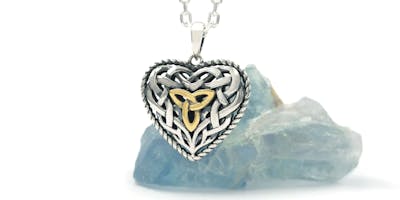
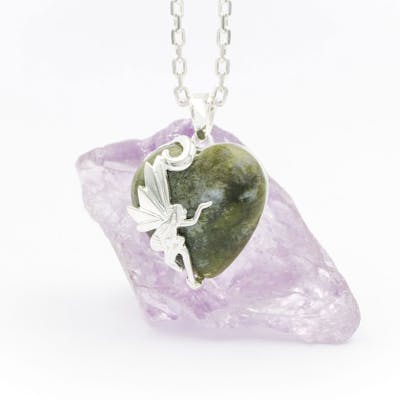
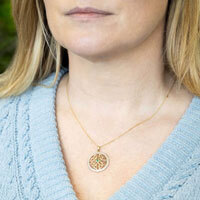
Want to pay homage to the Good Folk with a piece of finely crafted jewelry? You can have your own piece of Ireland with with out Celtic Fairy Pendant. Featuring a beautifully crafted sterling silver Celtic fairy silhouetted against a rounded, heart-shaped cabochon of stunning Connemara marble, this pendant adds a little bit of magic to life. Or perhaps the sweet and sad tale of Tír na nÓg is more your speed? Our magical pendant featuring the otherworldly horse Enbarr is a stunning piece for the fan of fairy folklore.
Have a question or something you're not entirely sure about when browsing our pieces? Please reach out. You can send us a note or give us a call—the Dublin workshop is here to make sure that you have a perfect experience from start to finish with My Irish Jeweler.
Follow us on Facebook and Instagram, to see what's new and upcoming. Join our Email list for early offers and special features.

Ciaran
My Irish Jeweler
Born in Co. Antrim and reared in Dublin, I was fascinated with Gaelic culture from an early age. I suppose it's not surprising given my mother inherited a grá for the Irish language from my grandfather, an Irish school headmaster. And that grá continues! My brother and sister are now Gaelic teachers here in Ireland, my niece is an award winning Irish dancer, and I proudly work to share Irish culture through our Irish and Celtic Jewelry at My Irish Jeweler!
I love researching and reading about the history of Irish design. It's at the core of what we do here at My Irish Jeweler. I find much of it so interesting that I have to share what I find. I hope you enjoy it!
You are not alone in that belief Pauline that's for sure. Thank you for sharing your wonderful fairy story. All the best from Dublin.
Enjoyed the reading of the little people and their respective days
Hi Jack, so glad you enjoyed it. Will pass your feedback on to Ciaran.

 Irish Gold
Mined in Co. Tyrone
Irish Gold
Mined in Co. Tyrone
 Claddagh Rings
 Claddagh Earrings
 Claddagh Necklaces
 Claddagh Bracelets & Bangles
 Claddagh Jewelry Gift Sets
Buy them together. Save 20%
Claddagh Jewelry Gift Sets
Buy them together. Save 20%
 Mens Claddagh Jewelry
 Womens Claddagh Jewelry
 Celtic Cross Necklaces
 Celtic Cross Rings
 Celtic Cross Earrings
 St Brigid's Cross Necklaces
 Anniversary
 Women
Women
 Men
Men
 Couples
Save 10% when you buy together
Couples
Save 10% when you buy together
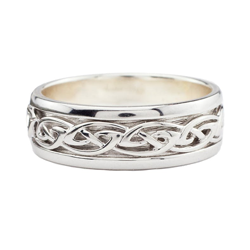 Celtic Knot
No beginning. No end.
Celtic Knot
No beginning. No end.
 Personalized Ogham
Ireland's Ancient Alphabet
Personalized Ogham
Ireland's Ancient Alphabet
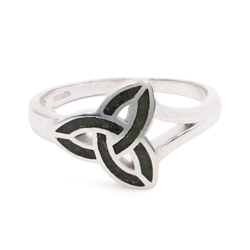 Trinity Knot
Eternity
Trinity Knot
Eternity
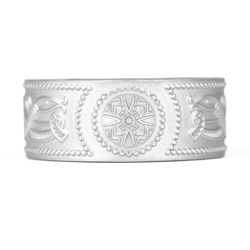 Celtic Warrior
Inspired by the Ardagh Chalice
Celtic Warrior
Inspired by the Ardagh Chalice
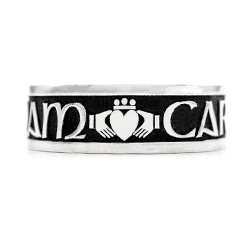 Mo Anam Cara
My Soul Mate
Mo Anam Cara
My Soul Mate
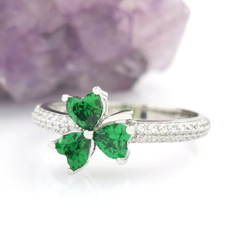 Shamrock
Ireland's best-loved symbol
Shamrock
Ireland's best-loved symbol
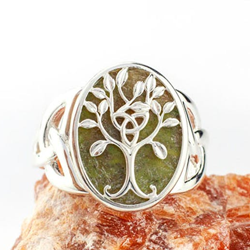 Tree of Life
Cherish your Irish roots
Tree of Life
Cherish your Irish roots
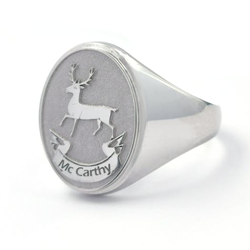 Family Crest
With your Coat of Arms
Family Crest
With your Coat of Arms
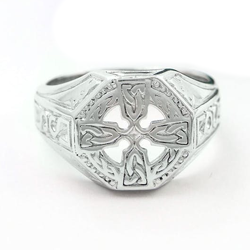 Celtic Cross
Christian & Pagan symbolism
Celtic Cross
Christian & Pagan symbolism
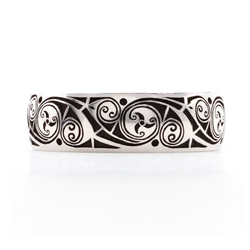 Triskele
Mystical pre-Christian symbol
Triskele
Mystical pre-Christian symbol
 50% off Clearance Rings
 Get a Free Ring Sizer
 Womens
 Mens
Mens
 Womens
 Mens
Mens
 His & Hers
Save 10% with Matching Bands
His & Hers
Save 10% with Matching Bands
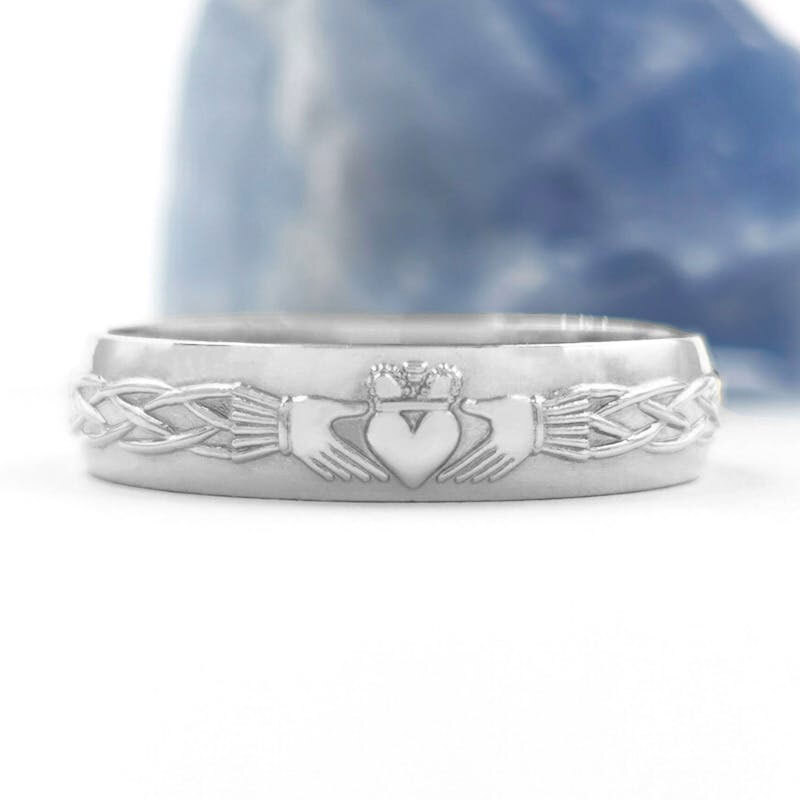 Claddagh
Love, Loyalty & Friendship
Claddagh
Love, Loyalty & Friendship
 Celtic Knot
No Beginning, No End
Celtic Knot
No Beginning, No End
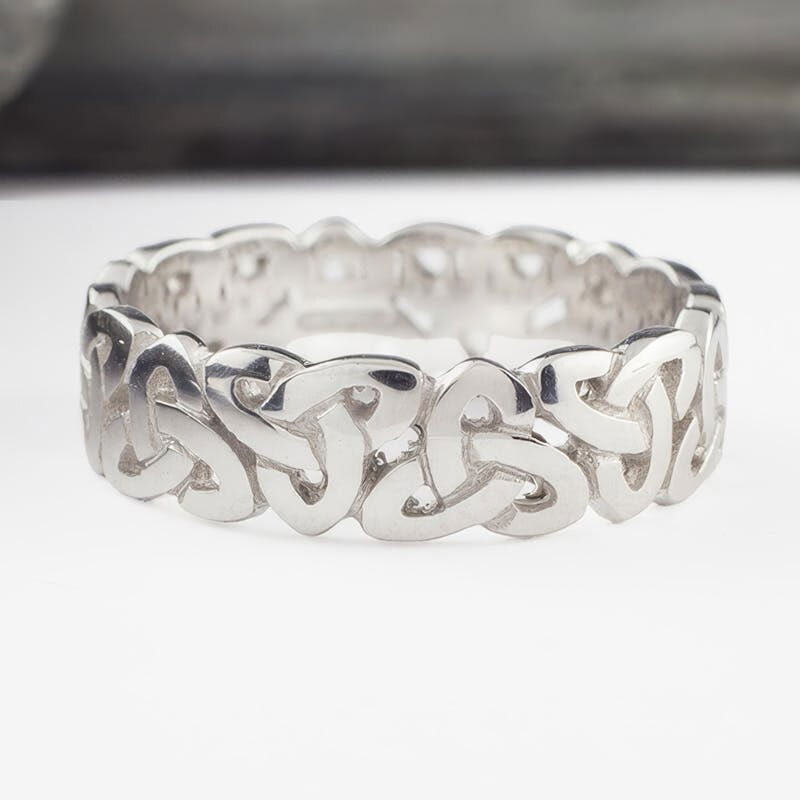 Trinity Knot
Faith and Eternity
Trinity Knot
Faith and Eternity
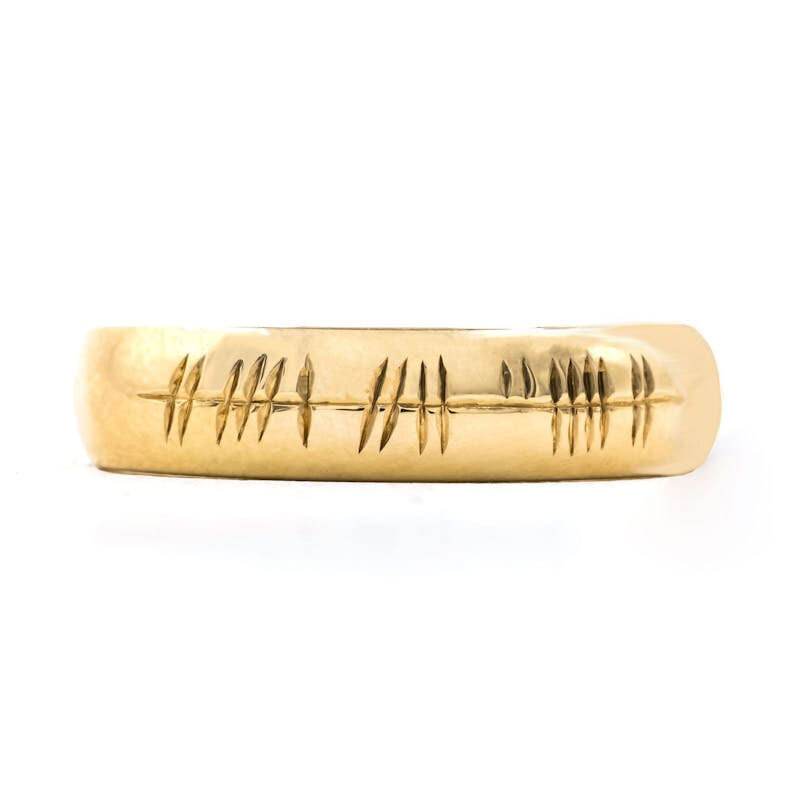 Ogham
Personalized with Ireland's ancient alphabet
Order a Free Ring Sizer
Get it right first time
Ogham
Personalized with Ireland's ancient alphabet
Order a Free Ring Sizer
Get it right first time
 Book an Appointment
See your ring in-person or by video call
Book an Appointment
See your ring in-person or by video call
 Claddagh
Love, loyalty & friendship
Claddagh
Love, loyalty & friendship
 Celtic Knot
No beginning. No end.
Celtic Knot
No beginning. No end.
 Trinity Knot
Eternal love
Trinity Knot
Eternal love
 Solitaire
 Oval
Oval
 Halo
Halo
 3 Stone
Make an appointment
See your ring in-person or by video call
Order a Free Ring Sizer
Get it right first time
3 Stone
Make an appointment
See your ring in-person or by video call
Order a Free Ring Sizer
Get it right first time
 Celtic Cross
Inspired by the Irish High Cross
Celtic Cross
Inspired by the Irish High Cross
 Personalized Ogham
Ireland's ancient alphabet
Personalized Ogham
Ireland's ancient alphabet
 Claddagh
Love, loyalty & friendship
Claddagh
Love, loyalty & friendship
 Celtic Knot
No beginning. No end.
Celtic Knot
No beginning. No end.
 Trinity Knot
Eternity
Trinity Knot
Eternity
 Shamrock
Ireland's best-loved symbol
Shamrock
Ireland's best-loved symbol
 St Brigid's Cross
Ireland's female patron saint
St Brigid's Cross
Ireland's female patron saint
 Tree of Life
Cherish your Irish roots
Tree of Life
Cherish your Irish roots
 Rare Irish Gold
Mined in Co. Tyrone
Rare Irish Gold
Mined in Co. Tyrone
 Coat of Arms
Featuring your family crest
Coat of Arms
Featuring your family crest
 Womens
 Mens
Mens
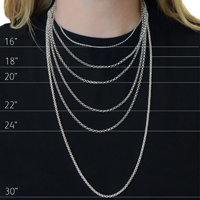 Chains
Silver & Gold
Chains
Silver & Gold
 Celtic Knot
No beginning. And no end.
Celtic Knot
No beginning. And no end.
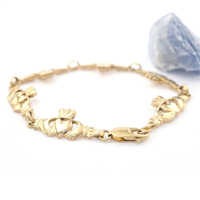 Claddagh
Love, loyalty and friendship
Claddagh
Love, loyalty and friendship
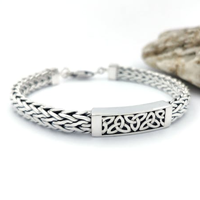 Trinity Knot
Faith and Eternity
Trinity Knot
Faith and Eternity
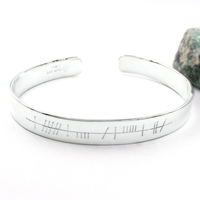 Ogham
Personalized with Ireland's ancient alphabet
Ogham
Personalized with Ireland's ancient alphabet
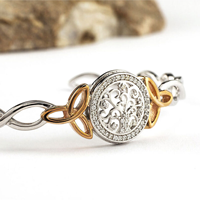 Tree Of Life
Cherish your Irish roots
Tree Of Life
Cherish your Irish roots
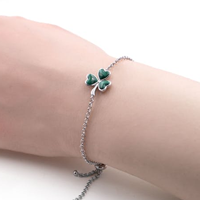 Shamrock
Ireland's best-loved symbol
Shamrock
Ireland's best-loved symbol
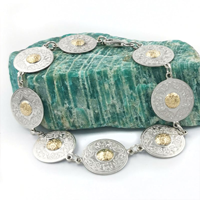 Celtic Warrior
Inspired by the Ardagh Chalice
Celtic Warrior
Inspired by the Ardagh Chalice
 Womens
 Mens
Mens
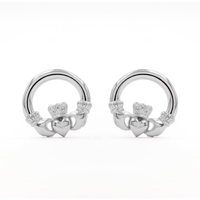 Claddagh Earrings
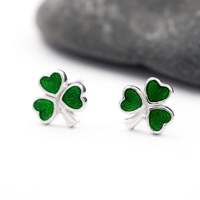 Shamrock Earrings
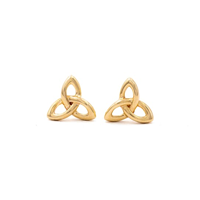 Trinity Knot Earrings
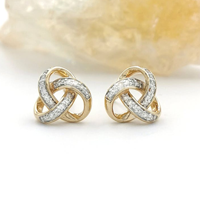 Celtic Knot Earrings
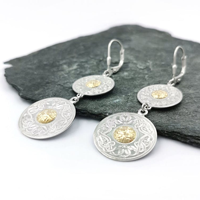 Celtic Warrior Earrings
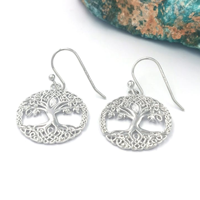 Tree of Life Earrings
 Studs
Studs
 Hoops
Hoops
 Drops
Drops




 Ask Gemma

Born co limerick now USA citizen 50 years go back to Dublin as often as I can widow now it’s little hard ,but just wanted to say I be leave in fairies and there bushes seen the one outside limerick and said hello 👋 to them we are not the only rase here there also. They are here .reach for stars ✨ god bless xxxxx