



The Irish Harp: History and Symbolism
Written by Ciaran on Oct. 17, 2025 | 0 Comments
In honor of Lá na Cruite, Harp Day 2025 we are celebrating the beautiful harp, exploring its colorful history and symbolism here in Ireland.

The official symbol of Ireland
Some outside Ireland might be surprised to hear: it’s not the shamrock, but the beautiful harp, or clársach - pronounced klorshock - that is our official national symbol.

It graces our passport, acts as the seal of the Irish President, the symbol of our government, and in its right-facing form, the logo of one VERY famous Irish stout whose story is currently being told on Netflix!
On registering the national trademark in 1945, the Irish state was advised by the then Attorney General that it would only be able to obtain rights to the left-facing harp, as Guinness had been trading under its right-facing mark since 1862!
The harp has also been used on our coins on-and-off for hundreds of years. Nowadays, Euro coins minted in Ireland have a harp on the reverse. The phrase ‘Heads or Harps?’ when someone tossed a coin was common until relatively recently!

A two euro coin with the iconic Irish harp on the back.
A unique official symbol
Representing Ireland and its rich, beautiful culture and history, we love the fact that our country is the only one in the world to have a musical instrument as our official national symbol. One that has been used in Irish heraldry since the 13th century.

The blue field and gold harp of the Irish King in the 13th century Armorial Wijnbergen.
Photo Credit: Public Domain
A tradition 1000+ years in the making
The exact origin of the Irish harp, originally called a cruit - pronounced krit - has been lost to the mists of time, but we know it has a long association with Irish life stretching back at least a thousand years.
The harp appears on 8th century manuscripts, saintly shrines, and High stone crosses, including the famous Muiredach Cross. The harp and the skilled musicians that played them, the clàrsair, were the pinnacle of early Gaelic society, second only in status to the File, or poet, and were part of any self-respecting leader’s retinue.
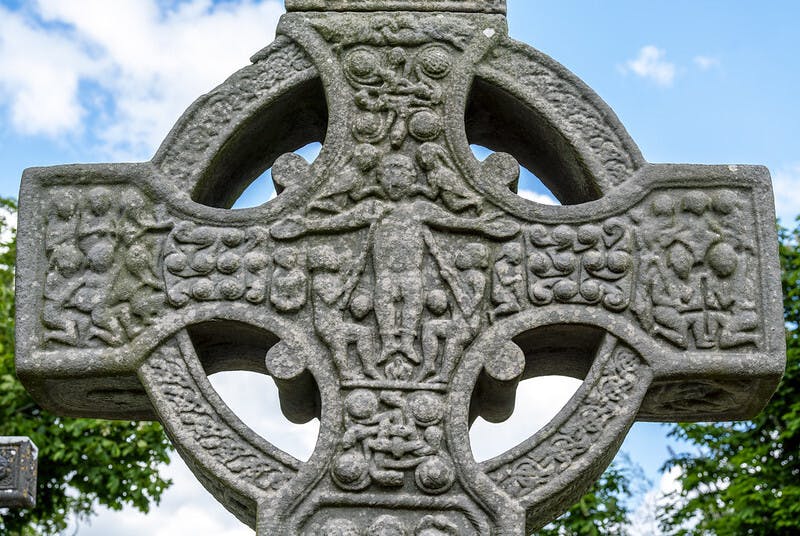
Spot the harper!
Photo Credit: Steven Zucker, Smarthistory (CC BY-NC-SA 2.0)
Highly Skilled Harpists
They were so valued that it was common for them to study for decades before they were considered fully qualified. Harpers nails, needed for plucking the wire strings on old Gaelic harps, were even given their own protection under Brehon Law!
Any harper worth their salt was expected to be able to play three types of music: geantraigh, goltraigh, and suantraigh - respectively, music to laugh, to weep, and to sleep!
In 1185, Gerald of Wales wrote a fairly slanderous account of Irish life, but even he was impressed with Irish music, which at that time would have been dominated by the harp:
“The only thing to which I find that this people apply a commendable industry is playing upon musical instruments… they are incomparably more skilful than any other nation I have ever seen.
For their modulation on these instruments, unlike that of the Britons to which I am accustomed, is not slow and harsh, but lively and rapid, while the harmony is both sweet and gay… It must be remarked… that both Scotland and Wales strive to rival Ireland in the art of music.”
Though the Irish were not favorably depicted in this work, the association with Ireland and harps was firmly forged, and the fame of skilled Irish harpists spread around medieval Europe.
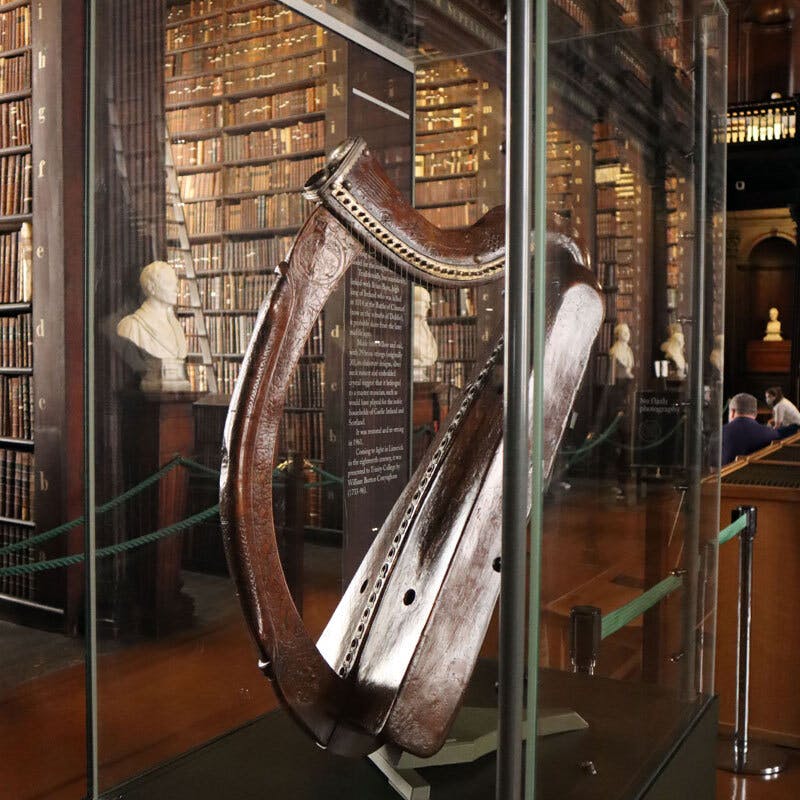
Brian Boru, the last High King of Ireland, was reportedly a great patron of the arts and a competent harper himself! So it's hardly surprising that the grandest of the surviving medieval harps in Ireland is named for him, even if it was made a few hundred years after he died!
But both the Irish national mark and the Guinness logo take their inspiration from the Brian Boru Harp. Dated to the 14th or 15th century, it’s a beautiful example of an early Irish wire-strung harp. Along with the Queen Mary Harp and the Lamont Harp, it is one of the three oldest surviving Gaelic harps and a national treasure, on display at Trinity College in Dublin.
Harps under attack
It's a wonder that these beautiful harps survived to this day, as harping very nearly died out in Ireland. Banned in the 16th century by Queen Elizabeth I, there were orders for harpists to be arrested and hanged for their association with “Irishness” and rebellion. Matters were not helped by Oliver Cromwell’s subsequent attempt to destroy all harps and organs in Ireland between 1650 and 1660!
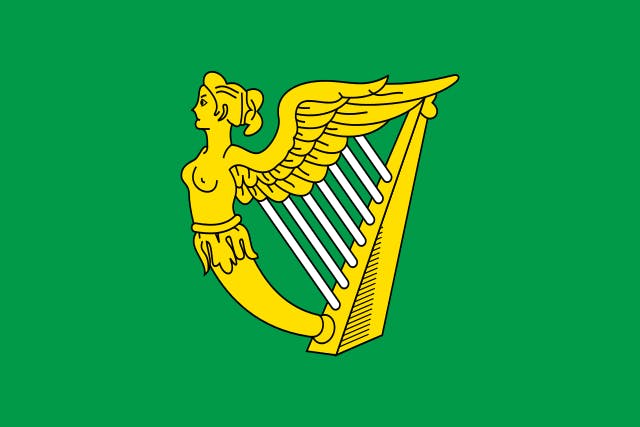
During the Great Irish Rebellion of 1641, rebel fighters marched under a green flag emblazoned with a harp.
Photo Credit: R-41 (CC BY-SA 3.0)
Miraculously, a few harps and songs made it through. Tunes like Marbhna Luimní, Limerick’s Lament, thought to be written at the end of the 1600s, are still played today.

Etching of the siege of Limerick 1690, held at Rijksmuseum Amsterdam, and memorialised in Marbhna Luimní, Limerick’s Lament.
Harps hit the road
With the loss of so many Gaelic chieftains and the broader shake-up of Irish society at that time, Ireland’s remaining harpers had to take to the road, traveling the country, playing, and teaching at great houses.
Performing every night, they earned their living teaching young people music and composing pieces. And so the songs and traditions just about survived through the 17th and 18th century and into the 19th century, with Turlough O’Carolan, the famous blind harpist, one of the most celebrated of that time.
Shifting fortunes
By the 19th century, the fortunes of the Irish harp shifted. No self-respecting patriot could be seen without a harp on their wall, and many owned harps purely for ornament. This was helped by a new type of harp, made by John Egan, with softer strings. This harp eventually usurped the much harder to play wire-strung harps by the 1880s. The vast majority of harps we see today are a descendant of his design.

An 1845 calotype photograph of the Irish harper Pádraig Dall Ó Beirn (1794-1863). The first Irish traditional musician to be photographed and one of the last noted exponents in Ireland of the historic, wire-strung, Gaelic harp.
Photo Credit: Public Domain
Cultural Heritage
In 2019, UNESCO added the Irish harp to its Intangible Cultural Heritage list to recognize the important place the instrument holds in Irish life and history, securing its beautiful legacy for future generations.
Today, the official organization for Irish harpists, known as Cruit Eireann or Harp Ireland, includes more than 1,200 players in Ireland. This beautiful and ancient tradition is once again alive and well, with events held worldwide this weekend for Lá na Cruite, Harp Day this 18th of October.
Those looking to take part can submit a video of themselves to Cruit Eireann playing as part of the Harper's Call. Those less musically inclined can listen to the entries from all over the world to hearing some beautiful music too! And of course, if any of the many events for Lá na Cruite are happening in your local area, you can always head along to enjoy in person!
Sharing Tradition
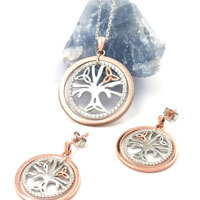
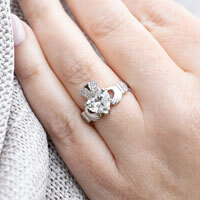
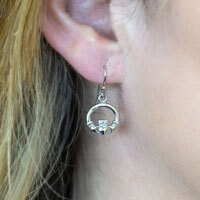
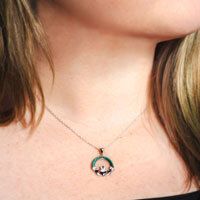
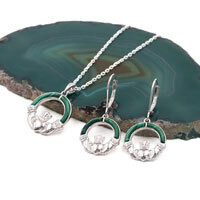
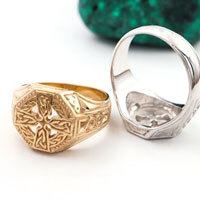
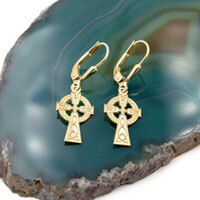
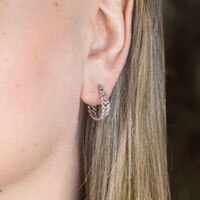
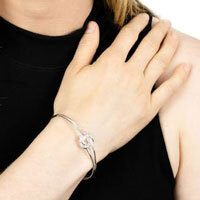
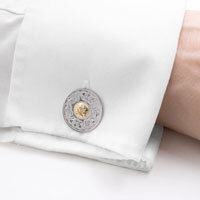
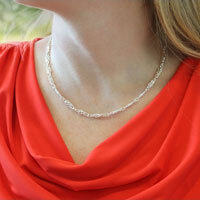
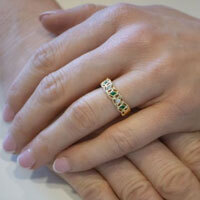
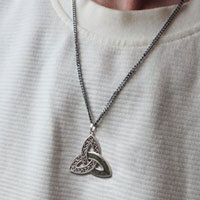
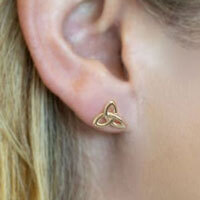
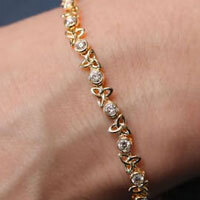
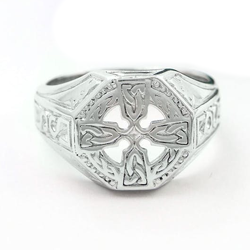
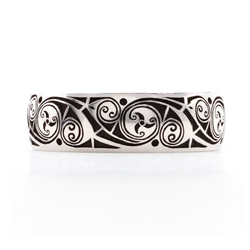
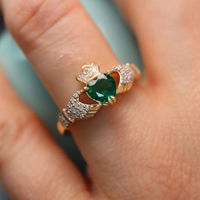
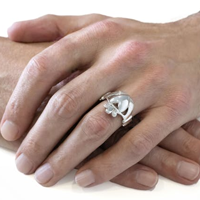
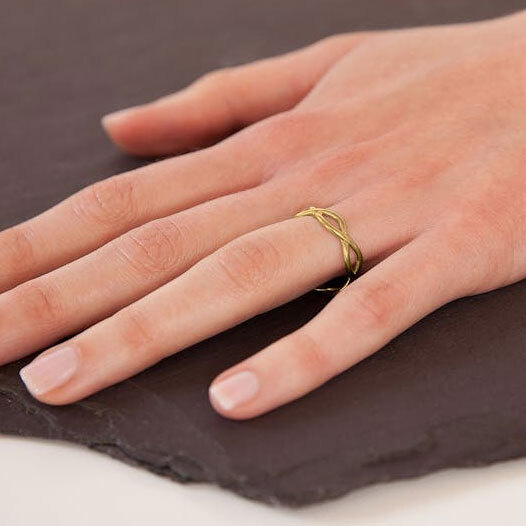
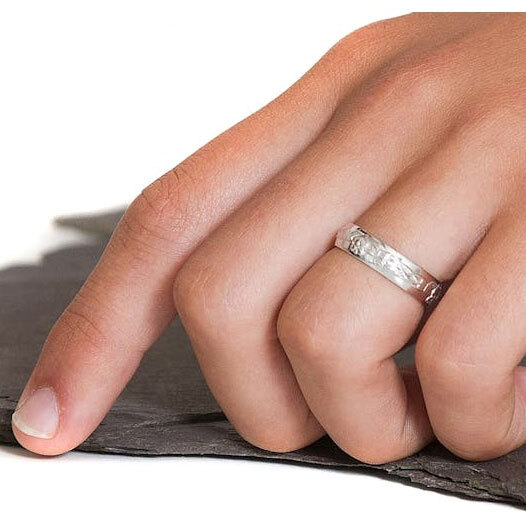
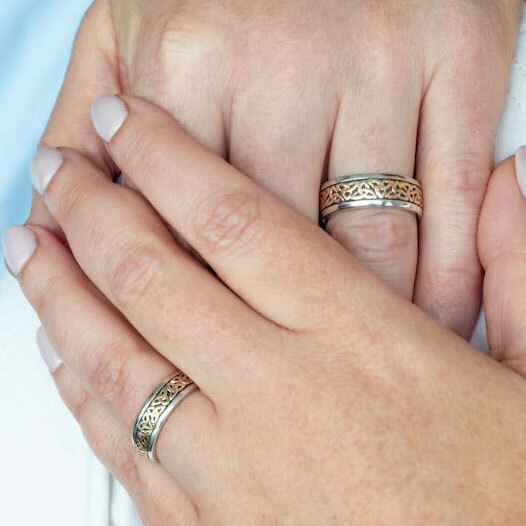
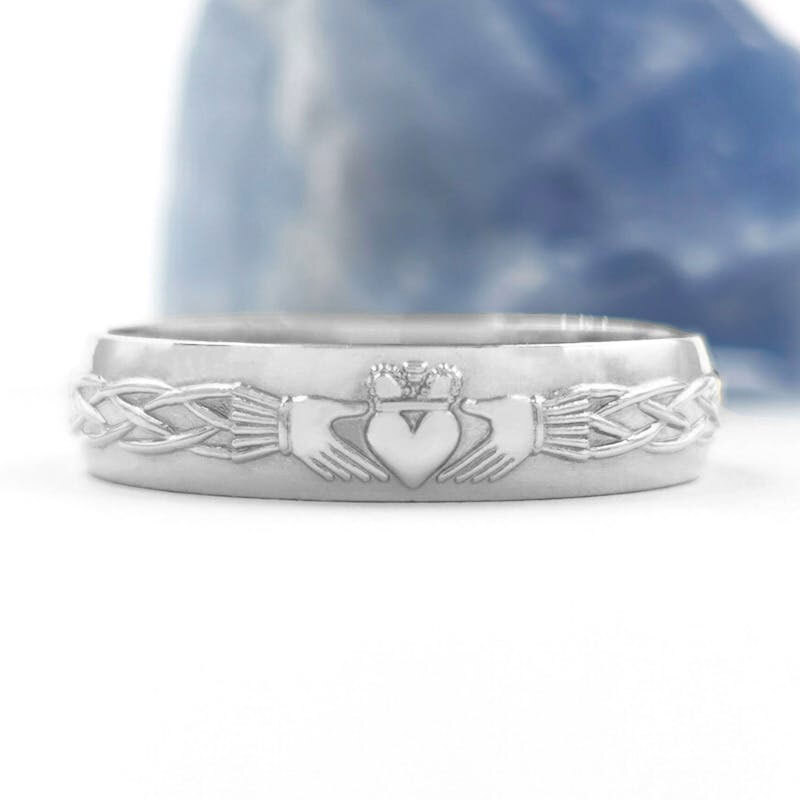
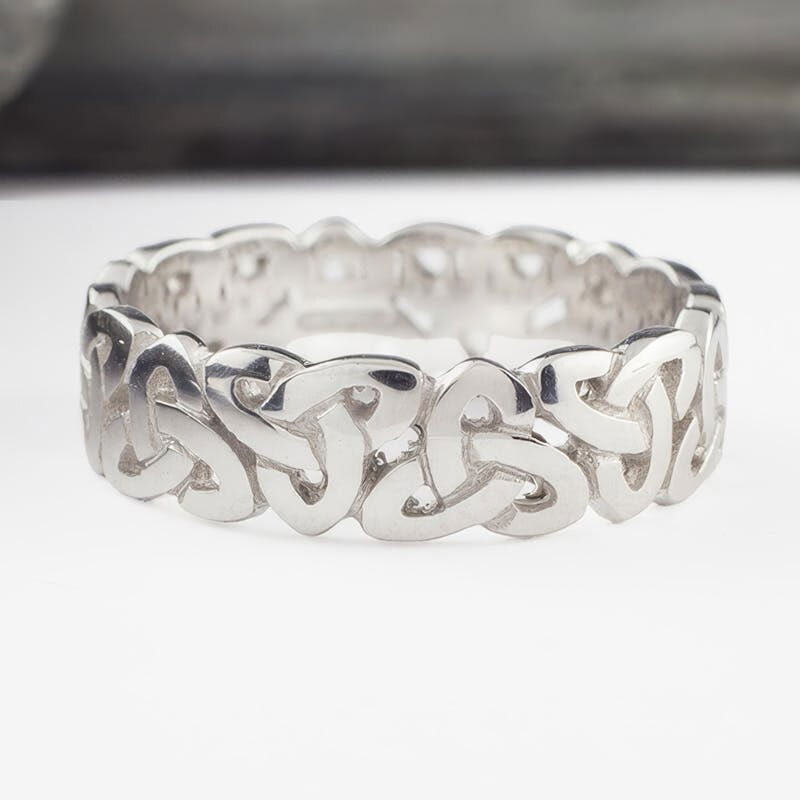
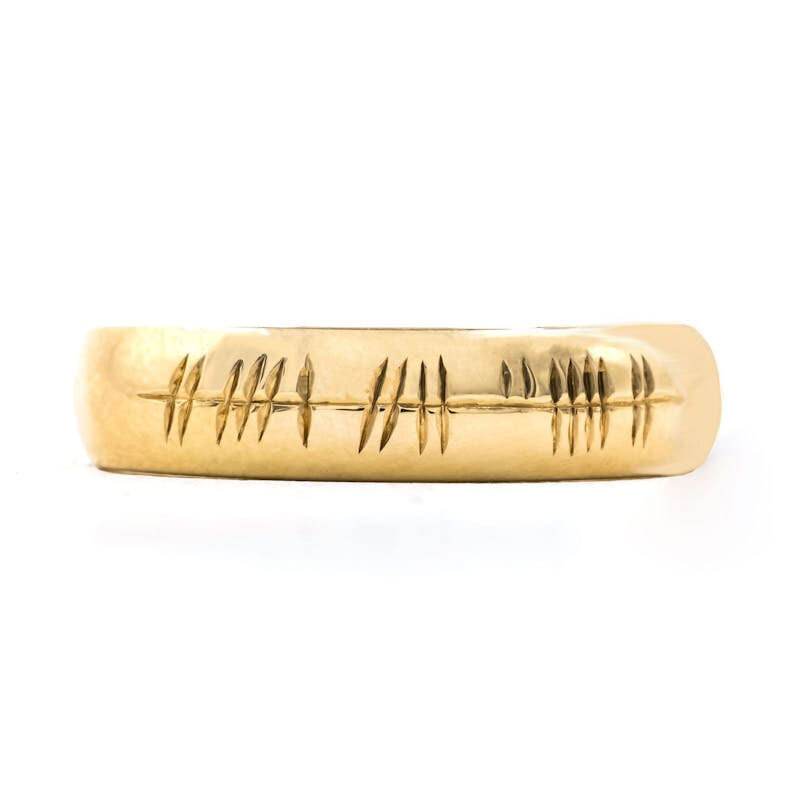
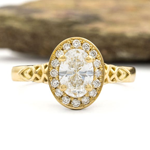
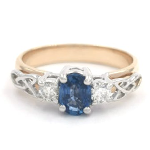
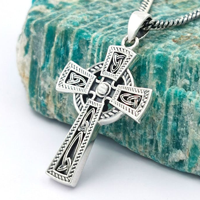
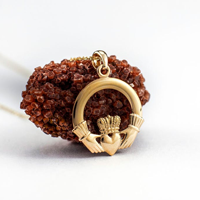
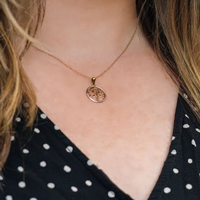
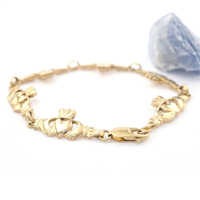
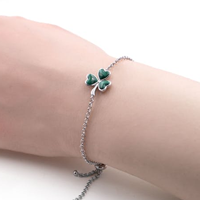
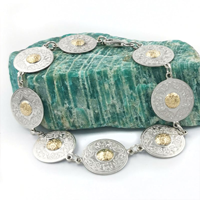
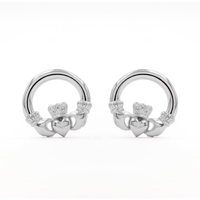
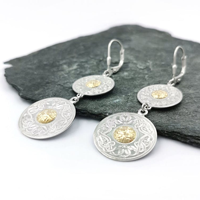
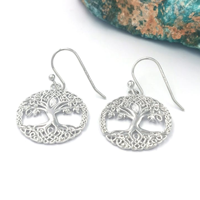
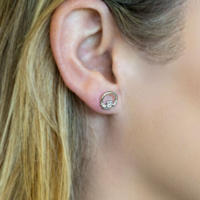
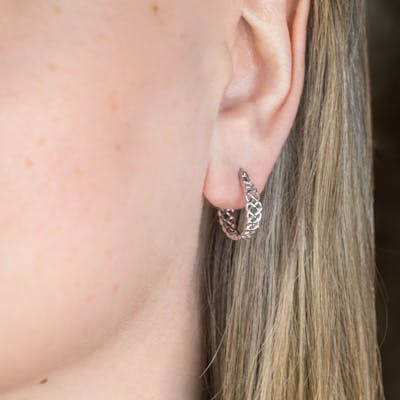
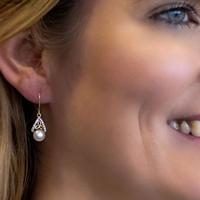
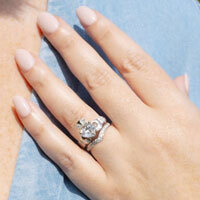
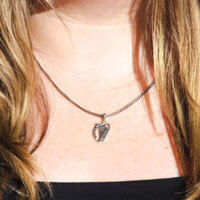
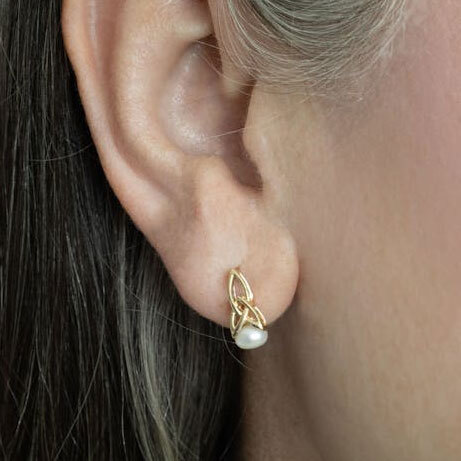
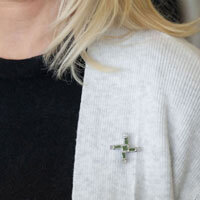
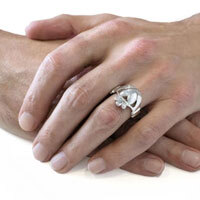
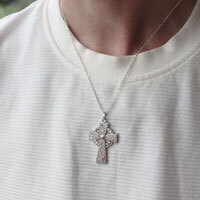
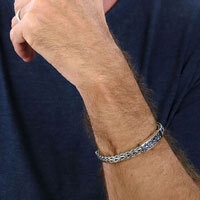
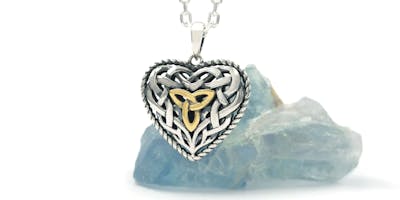
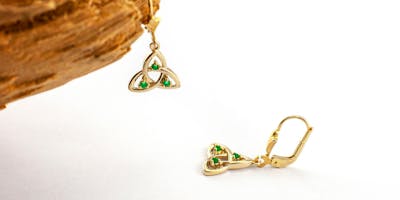
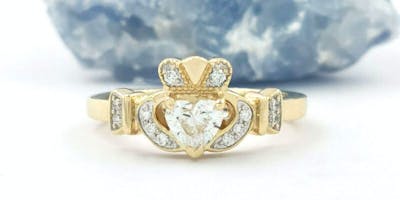
We proudly share this grand tradition through our Irish harp jewelry, carefully crafted in precious silver and gold.

Wear your Irish connections with pride with a stunning Celtic harp
The symbol of Ireland for thousands of years, a piece of finely crafted Irish harp jewelry brings a note of Celtic harmony to any outfit.
Get In Touch
Have a question or something you're not entirely sure about when browsing our pieces? Please reach out. You can send us a note or give us a call—the Dublin workshop is here to make sure that you have a perfect experience from start to finish with My Irish Jeweler.
Follow us on Facebook and Instagram, to see what's new and upcoming. Join our Email list for early offers and special features.

Ciaran
My Irish Jeweler
Born in Co. Antrim and reared in Dublin, I was fascinated with Gaelic culture from an early age. I suppose it's not surprising given my mother inherited a grá for the Irish language from my grandfather, an Irish school headmaster. And that grá continues! My brother and sister are now Gaelic teachers here in Ireland, my niece is an award winning Irish dancer, and I proudly work to share Irish culture through our Irish and Celtic Jewelry at My Irish Jeweler!
I love researching and reading about the history of Irish design. It's at the core of what we do here at My Irish Jeweler. I find much of it so interesting that I have to share what I find. I hope you enjoy it!
Comments




 Ask Gemma