January 6th is a day that can go by several different names depending on where you are. Known by many as The Feast of the Epiphany or the 12th Day of Christmas, in Ireland it is also known as 'Little Christmas' or Nollaig na mBan - 'Women’s Christmas'.
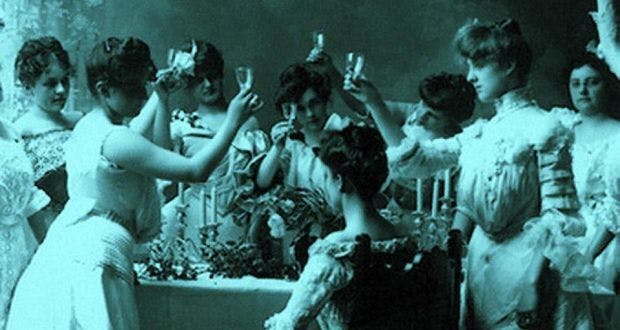
Photo Credit: Public Domain
But what is Nollaig na mBan? What are the Irish traditions associated with it? And how do you even pronounce it?
What is Nollaig na mBan?
January 6th marks the end of the Christmas season in Ireland. Along with the 25th and 26th, Nollaig na mBan is one of the most important days of the Christmas calendar here.
Traditionally, it was the day when Irish women, who had worked tirelessly for weeks to create Christmas magic for their families, had the day to themselves. There is an old quip: "God rested on the seventh day, but the women of Ireland didn't do the same until the twelfth”.
The gentlemen of the house would take over cleaning, preparing meals, and looking after the children for the day. This left the women of the house free to socialize with female relatives and friends, and generally let their hair down after a busy and probably quite exhausting holiday season.
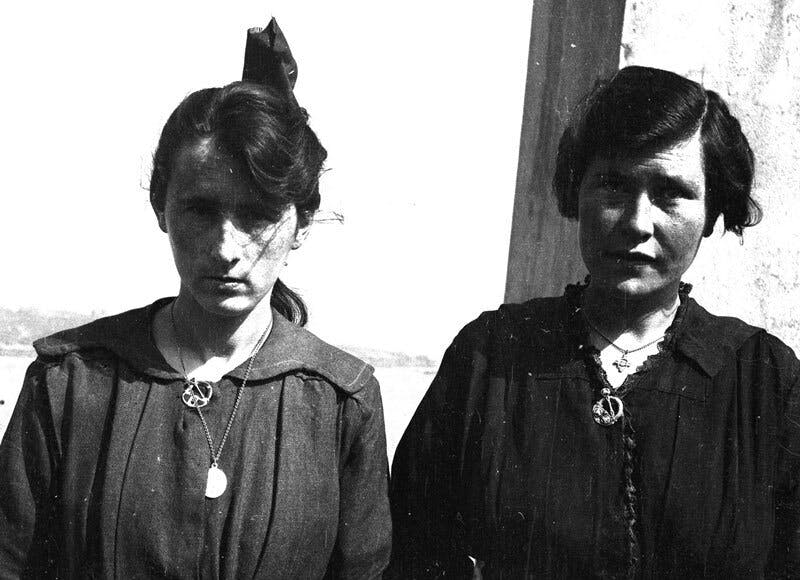
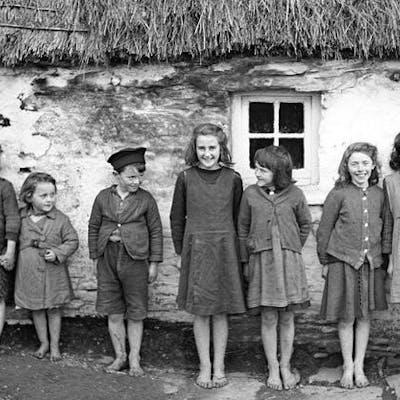
Two Blasket island women, Co. Kerry.
Women's Christmas in Irish Culture
Women's Christmas is when the party in James Joyce's short story "The Dead" is set. Described by T. S. Eliot as "one of the greatest short stories ever written", it's a tale of warmth and hospitality set at a family gathering on January 6th. But it's also a reflection on past, present and future and those we have loved and lost - a sort of Irish version of “A Christmas Carol.” Well worth checking out if you have never read or heard it before.
January 6 was also the Night of the Big Wind, Oíche na Gaoithe Móire, in 1839. On this day, a fierce hurricane hit Ireland killing at least 100 people and leaving thousands homeless. Many viewed the unusual storm as supernatural or even that the end of the world had arrived! This event features in a famous poem by one of the great Irish language poets, Seán Ó Ríordái, called - Oíche Nollaig na mBan or The Night Of Women’s Christmas:
There was fury in the storm that came last night
last night, the Christmas of Women;
as if released from a distant bedlam
a lunatic shriek through the sky;
rattling against the gate like the gaggling of geese
roaring up the river like a bellowing bull
dousing my candle like a blow upon my mouth :-
an unexpected spark for anger.
I hope such a storm will come to me
The night I begin to die
As I return home from the dance of life
with the light of this life failing,
so every moment might be filled with cries from the sky,
transforming the world into a chorus of screams,
so I would not hear the silence moving toward me
or feel the engine that moves me stop
And for those interested, here is the original "Oíche Nollag na mBan" in Irish:
Bhí fuinneamh sa stoirm a éalaigh aréir.
Aréir oíche Nollaig na mBan,
As gealt-teach iargúlta ‘tá laistiar den ré
Is do scréach tríd an spéir chughainn ‘na gealt
Gur ghíosc geataí comharsan mar ghogallach gé,
Gur bhúir abhainn slaghdánach mar tharbh,
Gur mhúchadh mo choinneal mar bhuille ar mo bhéal
A las ‘na splanc obann an fhearg.
Ba mhaith liom go dtiocfadh an stoirm sin féin
An oíche go mbeadsa go lag
Ag filleadh abhaile ó rince an tsaoil
Is solas an pheaca ag dul as,
Go líonfaí gach neomat le liúirigh ón spéir,
Go ndéanfaí den domhan scuaine scread,
Is ná cloisfinn an ciúnas ag gluaiseacht fám dhéin,
Ná inneall an ghluaisteáin ag stad.

One of the over 70 entries in the National Folklore collection about the Oíche na Gaoithe Móire, the "Night Of the Big Wind" on January 6th, 1839.
Nollaig na mBan Traditions
But besides unusual storms and family get-togethers, what traditions are associated with Nollaig na mBan in Ireland?
Bright Night
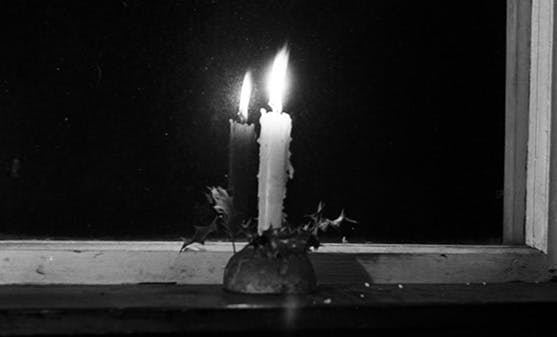
Women would typically gather in the afternoon in each other's homes to eat Christmas cake, drink tea, chat, and, most importantly, rest after a busy Christmas. In some communities, the evening was capped by the woman of the house lighting 12 candles in the window. Many families would stroll around and look at the houses lit up. In the days before electricity, it must have been quite a sight, "the brightest night of the year", according to one resident of the Aran Islands.
Display The Three Kings
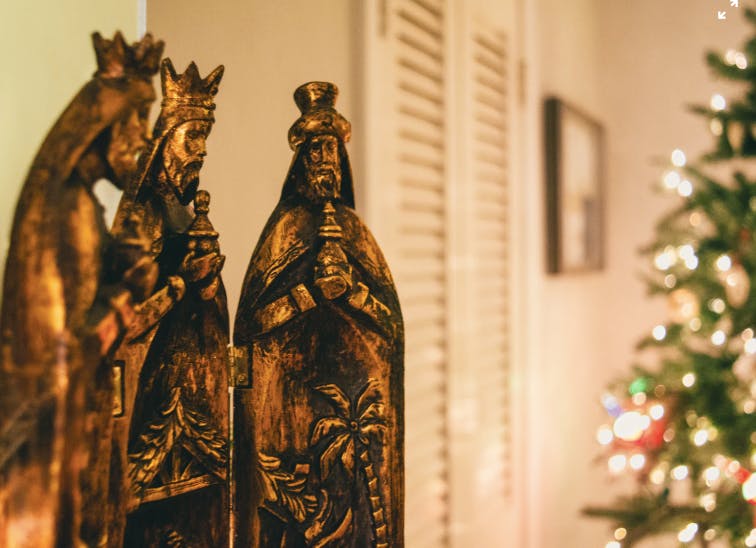
Nollaig na mBan was also the Christian feast day that marked the Three Kings' arrival in Bethlehem with their offerings of gold, frankincense, and myrrh. At Irish churches and in Christian houses that had a crib, the Feast of the Epiphany would see the three kings added to the display.
Pack up the Christmas Decorations
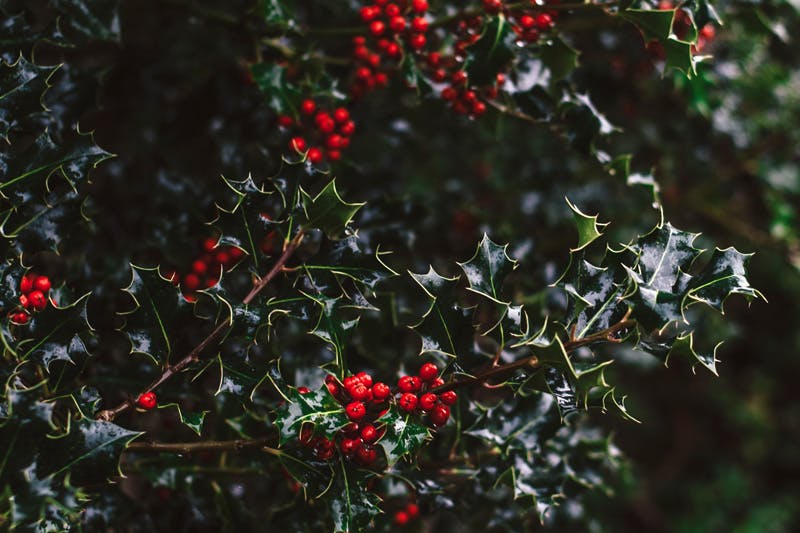
But in many Irish houses, those Three Kings wouldn't be displayed for long! January 6th was also traditionally the last day for displaying Christmas decorations, after which they were packed up for another year. When holly and ivy were the traditional decoration in Irish homes, they were taken down and burnt in the fire after the 6th, often being saved for the fire on Shrove Tuesday.
To this day, many Irish people will tell you it's very bad luck to either take your decorations down before January 5th or have them up past the 6th! So there is a very small window if you want to stay lucky!
And it would seem this idea is well ingrained. In many towns around Ireland, you would be hard-pressed to spot a Christmas light or some tinsel come January 7th!
Modern Nollaig na mBan Traditions
Many Nollaig na mBan customs had all but disappeared a few decades ago, bar a few holdouts in Cork and Kerry. But in recent years, Nollaig na mBan is a revived and reinvigorated celebration. And in modern Ireland, where housework is generally more equitably divided, the day has shifted somewhat. Nollaig na mBan is now more of a celebration and acknowledgment of the fantastic women in our lives.
Nollaig na mBan Charitable events
Many women's groups mark the day with charitable events or donations to help those in need, particularly for organisations that support women. My wife Jane has been known to head out for a sunrise swim for a chilly charitable fundraiser on January 6th.

A chilly sunrise swim for charity on Nollaig na mBan on Velvet Strand just north of Dublin City.
Photo Credit: A. Chadwick
Nollaig na mBan Celebrations
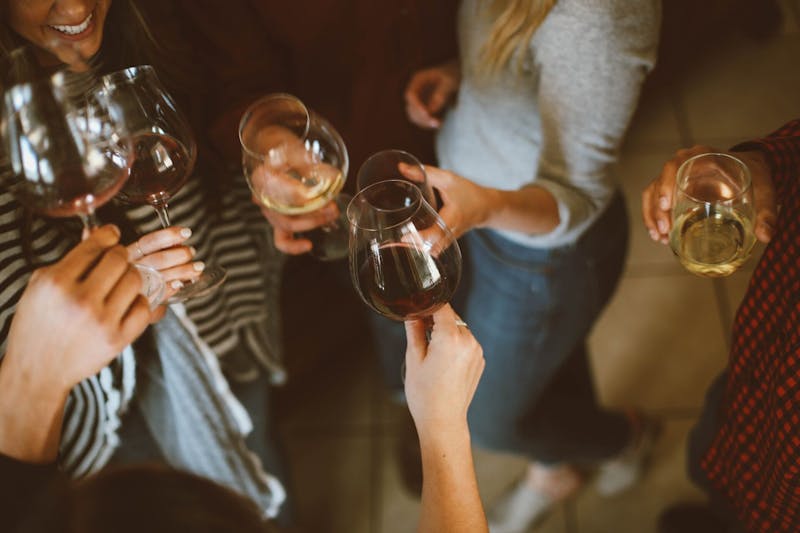
But of course, Irish women also take the chance to let their hair down and socialize! Many restaurants, hotels, and bars nationwide have Nollaig na mBan celebrations. And more still report nearly 100% female clientele on this day, as Irish women meet up with mothers, sisters, aunts, daughters, and friends to celebrate Nollaig na mBan.
There is stronger stuff than tea and Christmas cake served at many of these parties, but the sentiment is the same as it ever was! It is a chance for women to connect, laugh, and generally relax together after a busy and, at times, stressful season.

Some of the My Irish Jeweler team celebrating Nollaig na mBan with family.
Photo Credit: R. Chadwick
Cheers To The Women of My Irish Jeweler
This January 6th, we would like to take the chance to toast the wonderful women of My Irish Jeweler. They worked tirelessly to make so many Christmas wishes come true for all our wonderful friends around the globe this year. My Irish Jeweler is blessed to have such fantastic strong Irish (and honorary Irish) women on the team.
Nollaig na mBan faoi mhaise dhaoibh!
How to pronounce Nollaig na mBan
If you do plan share Nollaig na mBan with others this year, you may want to practice how to say it! Don't worry, the pronunciation is not too tricky. As My Irish Jeweler's resident Irish speaker, I'll talk you through how to pronounce Nollaig na mBan in the video below.
It should sound something like "Null-igg na Mon." Have a go and impress friends and family by wishing them A Happy Nollaig na mBan - Nollaig na mBan faoi mhaise dhaoibh!









 Ask Gemma



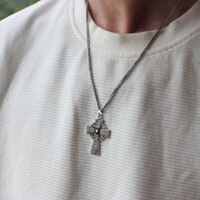
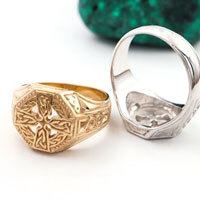
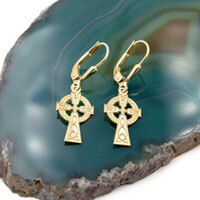
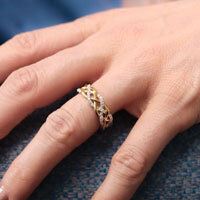
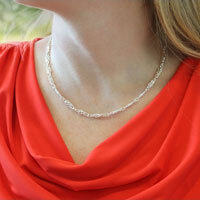
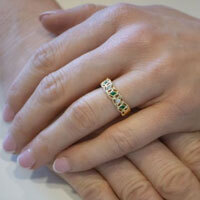
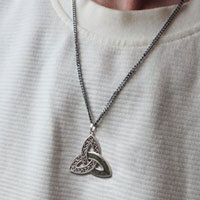
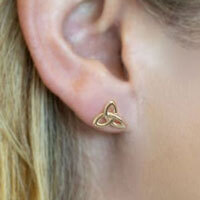






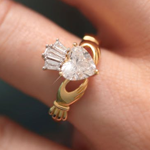
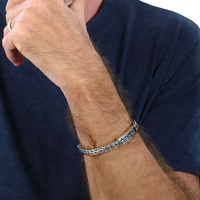
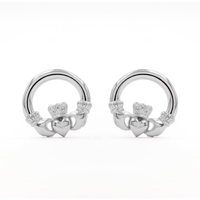
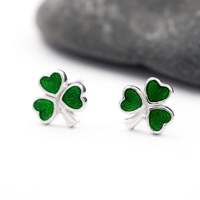
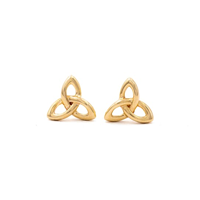
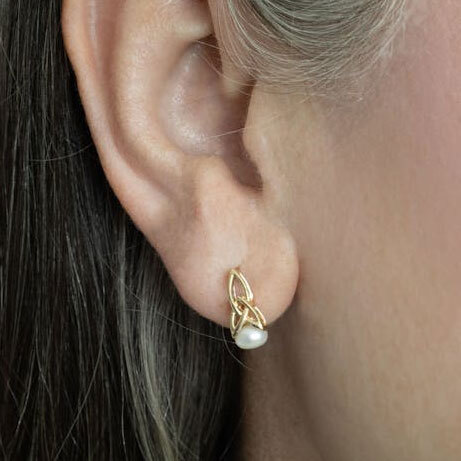

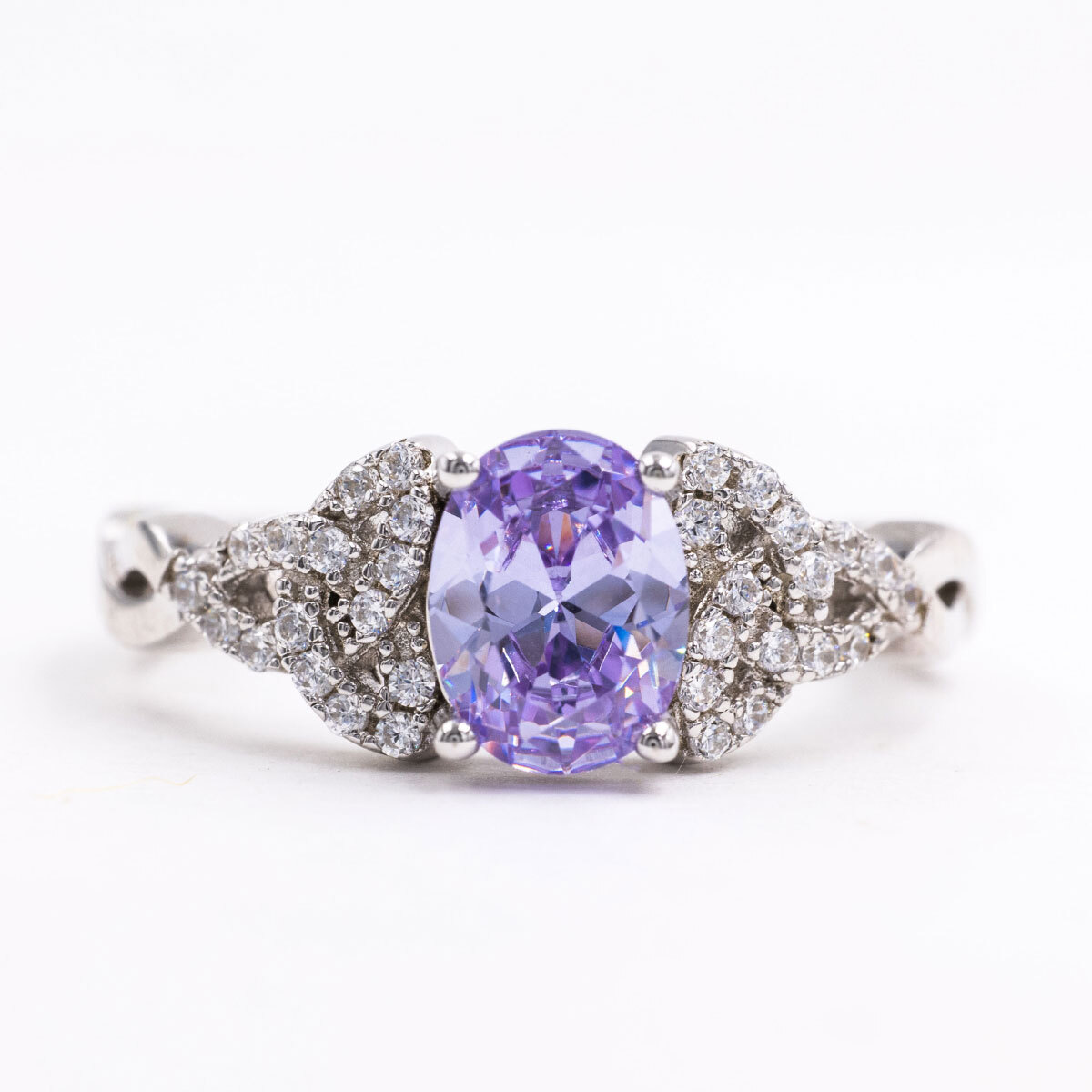
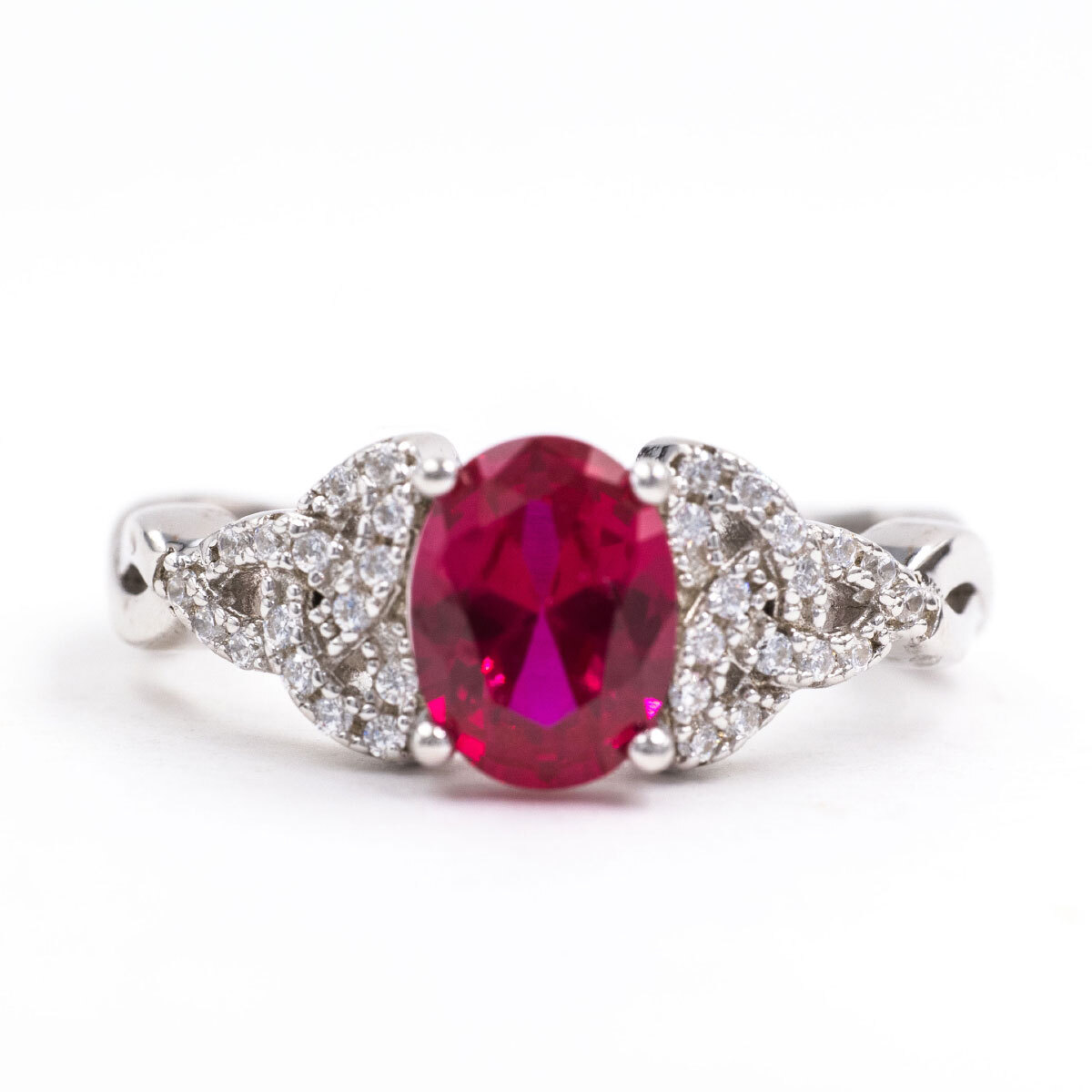
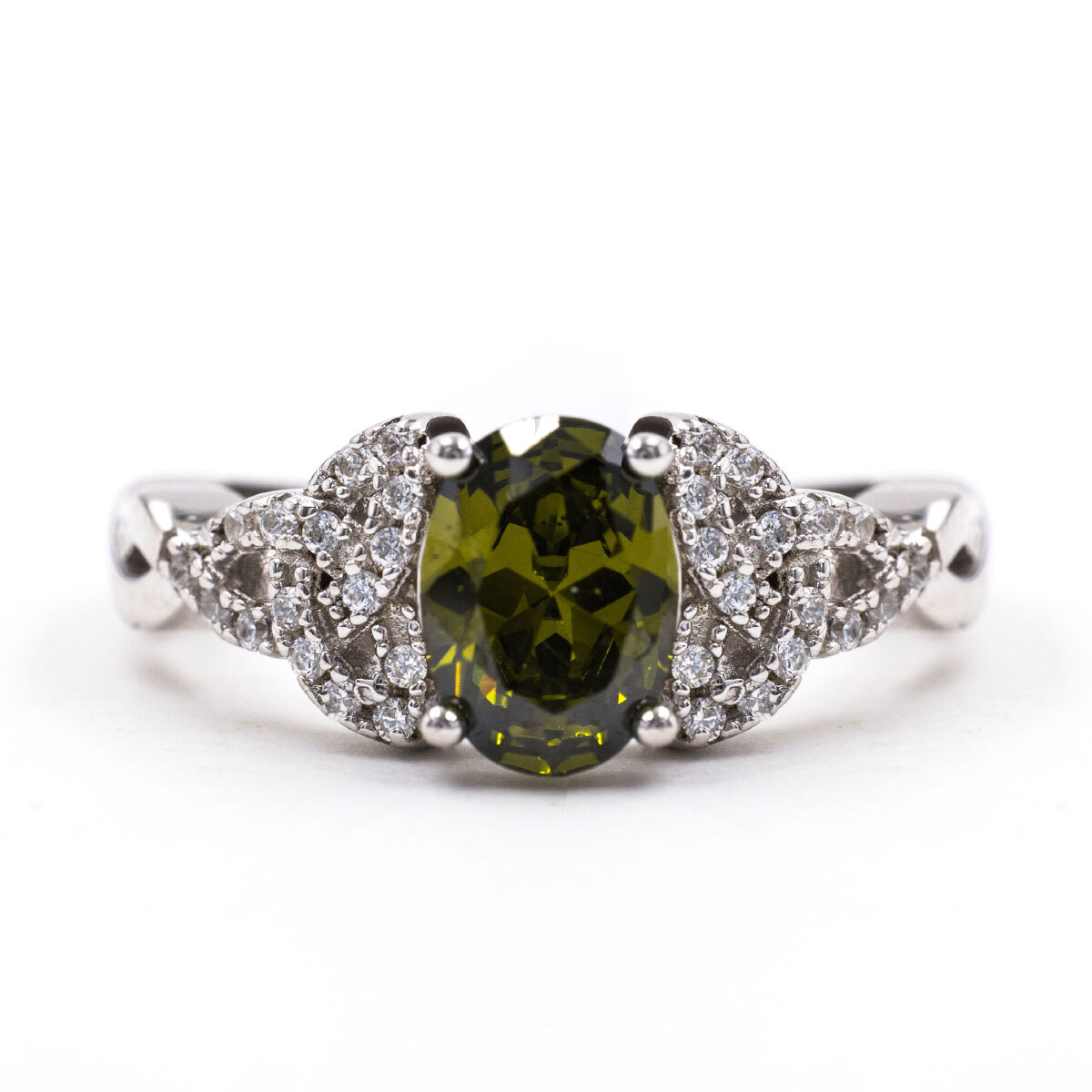
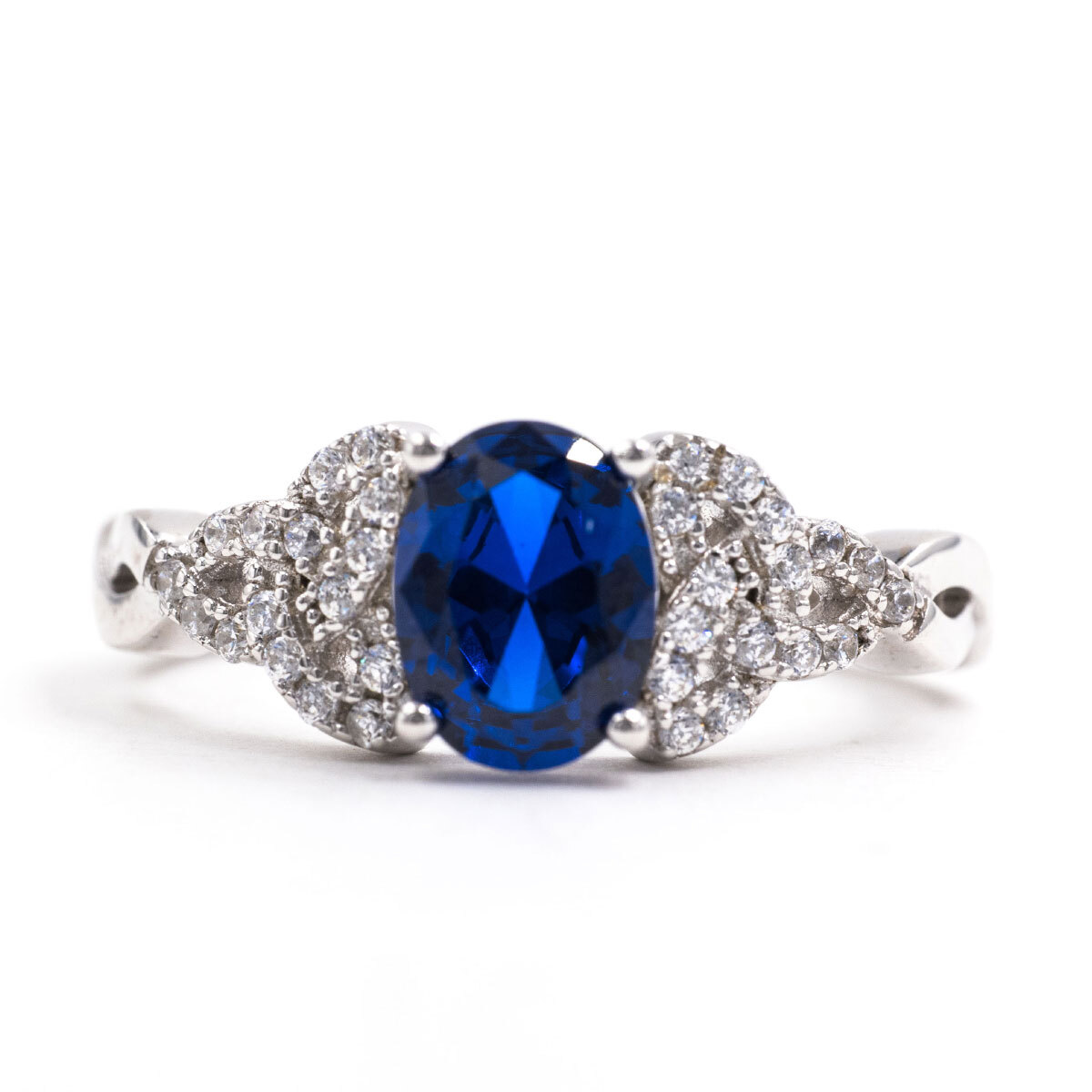
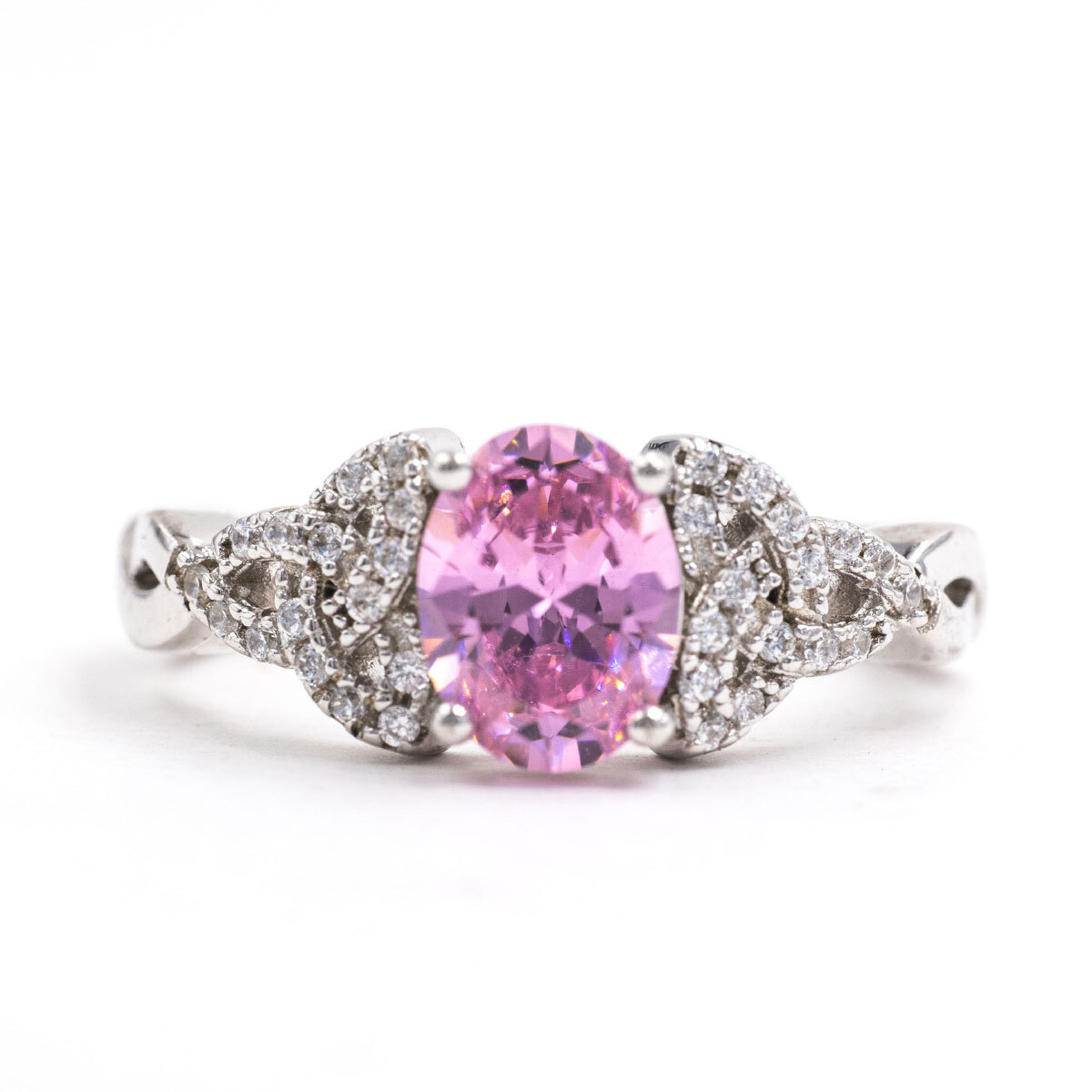
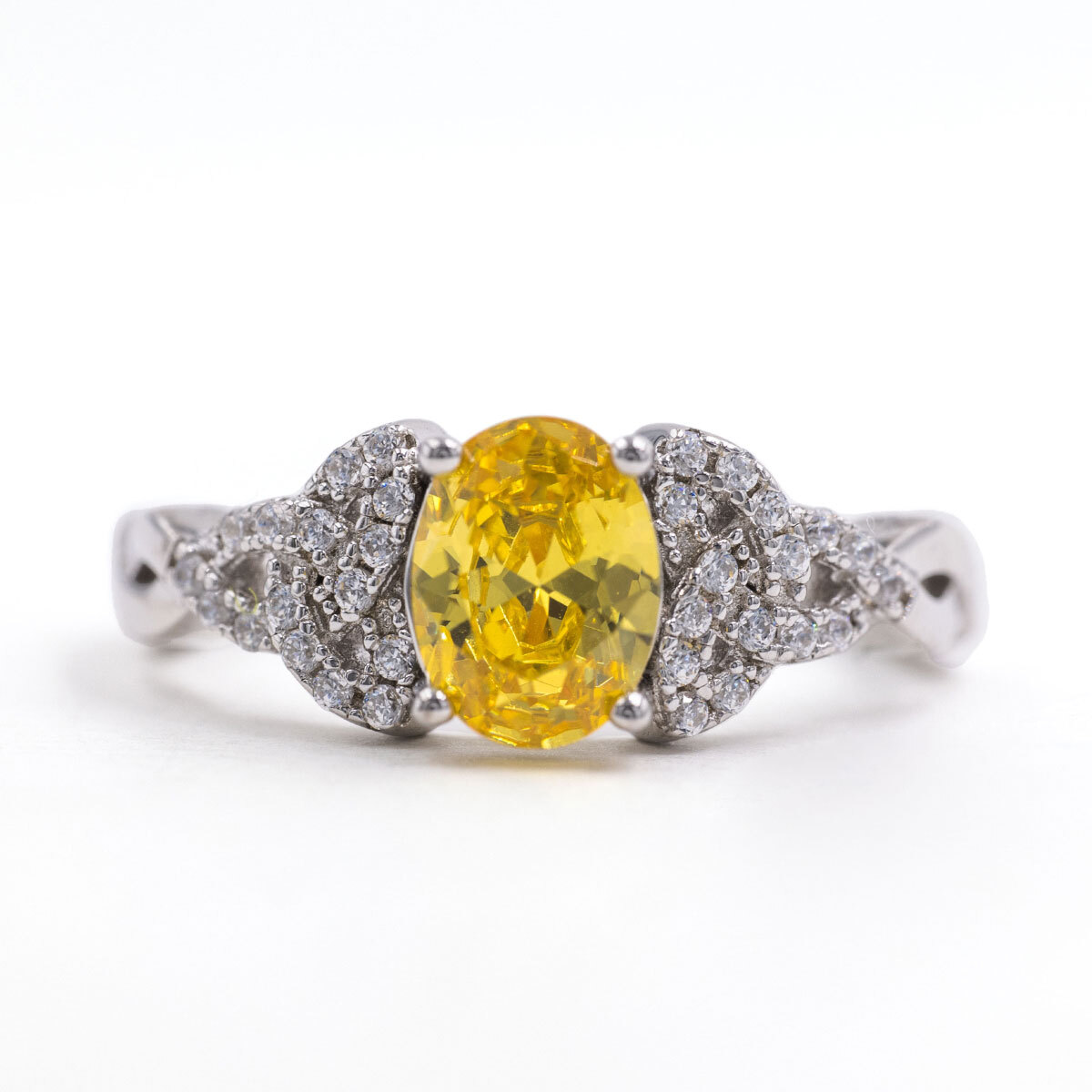
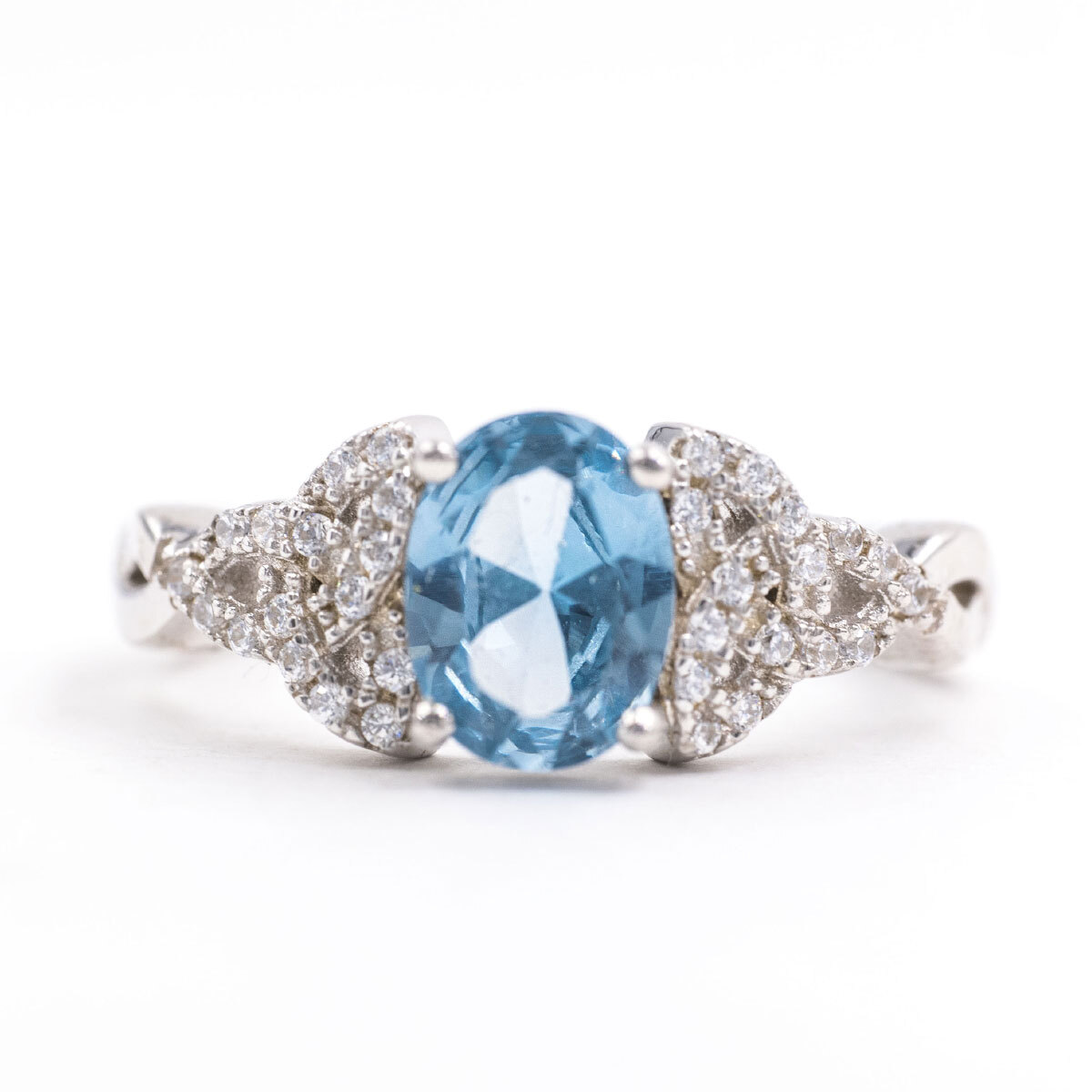
I have received many gifts of jewelry from your store, some from my late husband and some from my sister. I wear my beautiful jewelry often and receive many compliments. A ring that I gave my sister elicited such praise that the gentleman in question asked for your web site so he could gift one to his wife!
I am Scottish and Irish and love all things Celtic. Thank you for your beautiful offerings and delightful web site.
Sincerely,
Sheila Conolly-McKin